No Result
View All Result
SUBMIT YOUR ARTICLES
  • Login
Sunday, April 26, 2026
TheAdviserMagazine.com
  • Home
  • Financial Planning
    • Financial Planning
    • Personal Finance
  • Market Research
    • Business
    • Investing
    • Money
    • Economy
    • Markets
    • Stocks
    • Trading
  • 401k Plans
  • College
  • IRS & Taxes
  • Estate Plans
  • Social Security
  • Medicare
  • Legal
  • Home
  • Financial Planning
    • Financial Planning
    • Personal Finance
  • Market Research
    • Business
    • Investing
    • Money
    • Economy
    • Markets
    • Stocks
    • Trading
  • 401k Plans
  • College
  • IRS & Taxes
  • Estate Plans
  • Social Security
  • Medicare
  • Legal
No Result
View All Result
TheAdviserMagazine.com
No Result
View All Result
Home Market Research Money

Why Aging In Place Might Not Save You Money After All

by TheAdviserMagazine
9 months ago
in Money
Reading Time: 6 mins read
A A
Why Aging In Place Might Not Save You Money After All
Share on FacebookShare on TwitterShare on LInkedIn


For many retirees, the idea of aging in place feels like the gold standard. The comfort of a familiar home, the memories within its walls, and the sense of independence are deeply tied to one’s identity and dignity. There’s also a widespread belief that staying in your own house is the most economical choice. After all, the mortgage might be paid off, and downsizing or moving into assisted living sounds expensive and disruptive.

But as more seniors choose to age in place, an inconvenient truth is emerging: staying in your home during retirement isn’t always the budget-friendly decision it appears to be. From increasing maintenance costs to unexpected safety modifications and rising property taxes, the expenses of staying put can quietly mount—and in some cases, exceed the cost of other living arrangements.

Aging in place may seem like the safe and sensible choice. But if your goal is to preserve both your comfort and your finances in the long term, it’s worth looking beyond the surface.

Hidden Home Maintenance Expenses Add Up Fast

Even if your house is fully paid off, that doesn’t mean it’s cost-free. Homes age just like people do, and the older they get, the more care they require. Roofs need to be replaced, plumbing starts to fail, and heating and cooling systems wear out. Every creak and crack in the foundation or drafty window becomes a potential expense waiting to happen.

For seniors on fixed incomes, even a single large repair bill—like replacing a furnace or fixing a foundation issue—can wipe out months of careful budgeting. And while you might think you’ll only need to make small repairs here and there, aging homes have a way of throwing curveballs just when you least expect it.

Routine upkeep like lawn care, gutter cleaning, pest control, and snow removal also add to the bill. Tasks that once felt manageable may require hiring outside help as physical limitations set in. Over time, these recurring service fees can chip away at your retirement savings without you fully realizing it.

Safety Modifications Aren’t Cheap and Often Aren’t Optional

The longer you live in your home, the more likely you’ll need to modify it for safety and mobility. This could mean installing stair lifts, widening doorways, replacing slippery flooring, or adding grab bars, ramps, and walk-in tubs. These aren’t luxury renovations. They’re essential for preventing injuries and allowing continued independence.

But these modifications come with steep price tags. A stair lift alone can cost between $3,000 and $10,000. A full bathroom remodel to accommodate mobility challenges can run into the tens of thousands. Unfortunately, Medicare typically doesn’t cover these types of home modifications, even though they directly impact your ability to remain safely at home.

Even those who plan ahead for these changes may underestimate the scope or cost. And waiting until a fall or medical emergency forces action can turn an expensive situation into a crisis-level expense.

In-Home Care Costs Can Surpass Facility Prices

One of the biggest misconceptions about aging in place is the assumption that home care will be minimal or infrequent. But for many seniors, the need for assistance increases gradually, and eventually becomes daily or even round-the-clock.

Hiring in-home aides or nursing support can quickly exceed the cost of living in a facility that provides care as part of its monthly rate. According to Genworth’s Cost of Care Survey, the median national rate for a home health aide is over $30 per hour. Multiply that by just a few hours a day, and you’re already paying more per month than some assisted living facilities charge, without receiving the same level of comprehensive care, meals, or social support.

While some seniors assume a spouse or adult child will provide care for free, that’s not always sustainable or fair. Caregiver burnout, physical strain, and employment sacrifices often enter the picture. Relying on unpaid labor from family might seem like a way to save money, but it often carries its own heavy toll.

Property Taxes and Insurance Don’t Retire With You

Even when you’ve paid off your mortgage, the ongoing cost of property ownership doesn’t disappear. Property taxes can increase over time, especially in areas experiencing gentrification or reassessments. Seniors in fixed-income households may find themselves struggling to keep up with rising tax bills that once felt manageable.

Homeowners’ insurance is another permanent line item that rarely shrinks with age. In some regions, especially those prone to floods, fires, or other natural disasters, premiums are rising faster than inflation. If your home isn’t fully up to code or you delay maintenance, you may also face higher rates or coverage issues.

These annual expenses can come as unwelcome surprises when compared with more predictable housing options, like independent or assisted living communities that offer bundled services for one flat fee.

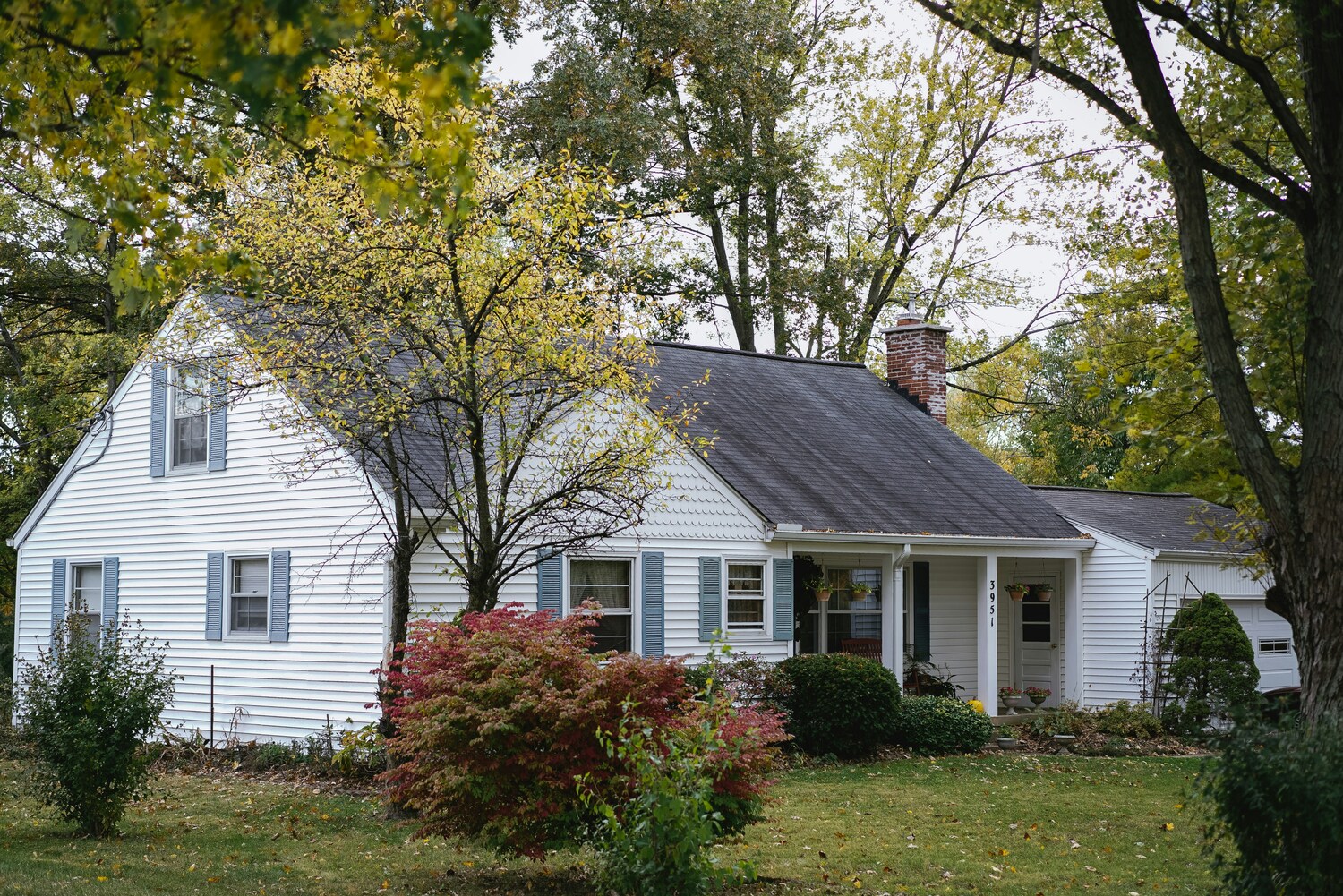
Image source: Unsplash

Loneliness and Isolation Can Have Financial Implications

Aging in place may preserve physical independence, but it can come at a social cost. As mobility decreases and neighbors move or pass away, some seniors find themselves increasingly isolated. While this might seem like an emotional issue, it has real financial implications.

Loneliness and social disconnection are linked to a host of health problems—including cognitive decline, heart disease, and depression, which can all increase medical costs. Seniors who live alone are also more vulnerable to scams, errors in medication, and a lack of prompt help in emergencies.

Communities designed for seniors often provide built-in opportunities for socializing, support services, and wellness activities. While these environments come with a monthly fee, they may help offset other expenses by reducing medical risks, fostering connection, and supporting healthy routines.

Aging in Place Isn’t Always Scalable for the Future

Many retirees plan for the now, not the next phase. You may be fully capable of managing your home and routines today, but what about five years from now? Aging in place requires long-term thinking, because the ability to handle stairs, drive to appointments, or do laundry doesn’t always last as long as we hope.

Once your needs change, it’s not always easy to make a sudden shift. The housing market may not favor a quick sale. Long-term care communities often have waiting lists. And relocating at age 85 is far more challenging—physically, emotionally, and logistically—than doing so at 70 or 75.

Planning to move before a health event forces your hand might actually save money, reduce stress, and give you more options. Waiting too long can leave you with fewer choices and higher costs in a moment of urgency.

Familiar Doesn’t Always Mean Frugal

There’s no one-size-fits-all answer when it comes to aging in place. For some, staying in the home they love is the right decision. But for others, the emotional comfort of staying put can obscure the real and rising financial burdens of doing so.

From maintenance costs and home modifications to rising care needs and creeping property taxes, aging in place can quietly undermine even the most well-constructed retirement plan. What starts as a budget-conscious decision can end up draining resources faster than expected.

It’s essential to run the numbers, project your care needs realistically, and remain open to other housing solutions that may offer both financial efficiency and personal well-being.

Have you run into unexpected expenses while trying to stay in your home? Did you or a loved one realize too late that aging in place wasn’t the frugal path you thought it would be? Share your story in the comments—your experience could help someone else plan more wisely.

Read More:

10 Ways Downsizing Can Lead to Emotional Bankruptcy

Why No One Warns You About the Loneliness of Downsizing


Source link

Tags: AgingMoneyplaceSave
ShareTweetShare
Previous Post

10 Silent Budget Killers Hiding in Your Monthly Subscriptions

Next Post

Trump will not let the world move on from tariffs

Related Posts

edit post
5 Everyday Purchases That Quietly Trigger Higher Insurance Premiums in 2026

5 Everyday Purchases That Quietly Trigger Higher Insurance Premiums in 2026

by TheAdviserMagazine
April 25, 2026
0

If your insurance bill has crept up this year and you can’t figure out why, you’re not alone. Many people...

edit post
Ohio Adults Over 50: The New Medicaid Asset Test Rule Affecting Long‑Term Care Planning

Ohio Adults Over 50: The New Medicaid Asset Test Rule Affecting Long‑Term Care Planning

by TheAdviserMagazine
April 25, 2026
0

If you think Medicaid will automatically step in to cover long-term care when you need it, you’re not alone, but...

edit post
Your Kids Don’t Care: 9 Reasons To Have Someone Other Than Your Children As Your Medical Power of Attorney

Your Kids Don’t Care: 9 Reasons To Have Someone Other Than Your Children As Your Medical Power of Attorney

by TheAdviserMagazine
April 25, 2026
0

It’s a tough truth many people don’t want to face. When it comes to naming a medical decision-maker, most parents...

edit post
The 2026 Pharmacy Shift: Why Some Medications Now Require a Different Pickup Location

The 2026 Pharmacy Shift: Why Some Medications Now Require a Different Pickup Location

by TheAdviserMagazine
April 25, 2026
0

If you’ve recently been told your prescription is “no longer available at your usual pharmacy,” you’re not alone, and you’re...

edit post
8 Digital Skills Every Adult Over 50 Needs as Banks Phase Out In‑Person Services

8 Digital Skills Every Adult Over 50 Needs as Banks Phase Out In‑Person Services

by TheAdviserMagazine
April 25, 2026
0

If you’ve noticed your local bank branch closing or reducing hours, you’re not alone. Across the country, financial institutions are...

edit post
6 Relationship Habits That Predict Breakups After 20+ Years Together

6 Relationship Habits That Predict Breakups After 20+ Years Together

by TheAdviserMagazine
April 25, 2026
0

It’s easy to assume that if a couple has made it 20 years, they’re in the clear. But the rise...

Next Post
edit post
Trump will not let the world move on from tariffs

Trump will not let the world move on from tariffs

edit post
US Consumers Want Subscription Companies To Do Better

US Consumers Want Subscription Companies To Do Better

  • Trending
  • Comments
  • Latest
edit post
Illinois’ Paid Leave for All Workers Act Takes Effect — Every Employee Now Gets Guaranteed Time Off

Illinois’ Paid Leave for All Workers Act Takes Effect — Every Employee Now Gets Guaranteed Time Off

March 27, 2026
edit post
Virginia Permits ADULT MIGRANT MEN To Attend High School

Virginia Permits ADULT MIGRANT MEN To Attend High School

March 30, 2026
edit post
A 58-year-old left NYC for Miami to save on taxes — then retired early thanks to hidden savings. Here’s the math

A 58-year-old left NYC for Miami to save on taxes — then retired early thanks to hidden savings. Here’s the math

March 30, 2026
edit post
Tax Flight Accelerates In Massachusetts

Tax Flight Accelerates In Massachusetts

April 6, 2026
edit post
Property Tax Relief & Income Tax Relief

Property Tax Relief & Income Tax Relief

April 1, 2026
edit post
The Stevia Loophole Why Some Sweetened Drinks are Still SNAP-Legal While Others are Banned in Texas

The Stevia Loophole Why Some Sweetened Drinks are Still SNAP-Legal While Others are Banned in Texas

April 4, 2026
edit post
White House Correspondents’ Association Dinner At The Washington Hilton

White House Correspondents’ Association Dinner At The Washington Hilton

0
edit post
How Much Is AMC+? – NerdWallet

How Much Is AMC+? – NerdWallet

0
edit post
Gold, Silver Rally to ATH But Ethereum Slips Below ,100

Gold, Silver Rally to ATH But Ethereum Slips Below $3,100

0
edit post
It took me until 44 to realize that the most dangerous comfort is a life that’s bearable — not bad enough to leave, not good enough to feel like living

It took me until 44 to realize that the most dangerous comfort is a life that’s bearable — not bad enough to leave, not good enough to feel like living

0
edit post
Digital Natives Are Rewriting B2B Buying

Digital Natives Are Rewriting B2B Buying

0
edit post
6 Bank Papers You’ll Regret Losing — and 3 You’ll Regret Keeping

6 Bank Papers You’ll Regret Losing — and 3 You’ll Regret Keeping

0
edit post
It took me until 44 to realize that the most dangerous comfort is a life that’s bearable — not bad enough to leave, not good enough to feel like living

It took me until 44 to realize that the most dangerous comfort is a life that’s bearable — not bad enough to leave, not good enough to feel like living

April 26, 2026
edit post
Why the key to American drone dominance lies with blockchain

Why the key to American drone dominance lies with blockchain

April 26, 2026
edit post
Iran uses ceasefire to rebuild military capacity, says senior lawmaker

Iran uses ceasefire to rebuild military capacity, says senior lawmaker

April 26, 2026
edit post
Home price gap narrows between Tel Aviv and nearby cities

Home price gap narrows between Tel Aviv and nearby cities

April 26, 2026
edit post
Survival Over Hype: The hidden trait that builds long-term wealth

Survival Over Hype: The hidden trait that builds long-term wealth

April 26, 2026
edit post
HELOC and home equity loan rates Sunday, April 26, 2026: Rates mostly unchanged

HELOC and home equity loan rates Sunday, April 26, 2026: Rates mostly unchanged

April 26, 2026
The Adviser Magazine

The first and only national digital and print magazine that connects individuals, families, and businesses to Fee-Only financial advisers, accountants, attorneys and college guidance counselors.

CATEGORIES

  • 401k Plans
  • Business
  • College
  • Cryptocurrency
  • Economy
  • Estate Plans
  • Financial Planning
  • Investing
  • IRS & Taxes
  • Legal
  • Market Analysis
  • Markets
  • Medicare
  • Money
  • Personal Finance
  • Social Security
  • Startups
  • Stock Market
  • Trading

LATEST UPDATES

  • It took me until 44 to realize that the most dangerous comfort is a life that’s bearable — not bad enough to leave, not good enough to feel like living
  • Why the key to American drone dominance lies with blockchain
  • Iran uses ceasefire to rebuild military capacity, says senior lawmaker
  • Our Great Privacy Policy
  • Terms of Use, Legal Notices & Disclosures
  • Contact us
  • About Us

© Copyright 2024 All Rights Reserved
See articles for original source and related links to external sites.

Welcome Back!

Login to your account below

Forgotten Password?

Retrieve your password

Please enter your username or email address to reset your password.

Log In
No Result
View All Result
  • Home
  • Financial Planning
    • Financial Planning
    • Personal Finance
  • Market Research
    • Business
    • Investing
    • Money
    • Economy
    • Markets
    • Stocks
    • Trading
  • 401k Plans
  • College
  • IRS & Taxes
  • Estate Plans
  • Social Security
  • Medicare
  • Legal

© Copyright 2024 All Rights Reserved
See articles for original source and related links to external sites.