
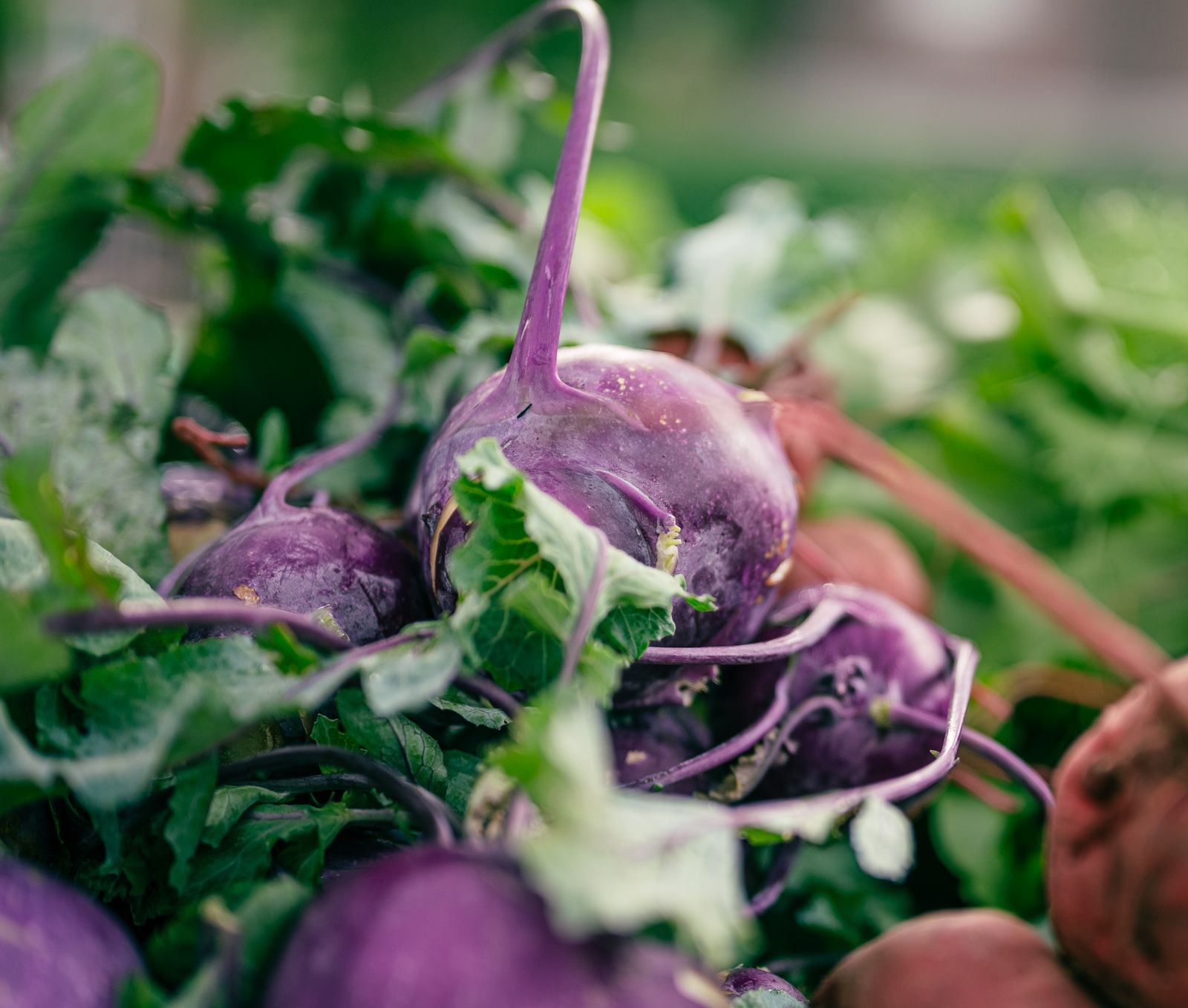
The bitter bite of raw kale, the throat-scratch of a radish, the astringent grip of green tea on the roof of your mouth — those are not really flavour notes. They are chemical defences, produced by a plant that would rather you ate something else. And one of the more intriguing ideas in nutrition science is that your body may have spent a very long evolutionary stretch learning to read a faint version of those defences not as harm, but as a useful signal.
This is the strange bargain some researchers think sits inside a plate of vegetables. A number of the compounds that make plants unpleasant — the ones toxicologists once filed under “anti-nutrients” — are the same ones now being studied for possible roles in lowering rates of cardiovascular disease and other chronic conditions. The plant makes them to be left alone. The animal, on this view, may have learned to make modest use of the encounter. It is worth saying up front that this is one strand of a much larger story, not the whole of it.
Plants can’t run, so they learned chemistry
Hundreds of millions of years of evolution handed vascular plants one immovable constraint: when something bites, they cannot leave. A deer chews the top off a sapling and the sapling stays put. The only defence available is metabolic — build compounds that taste awful, disrupt digestion, block mineral uptake, or in the worst case cause organ failure.
The catalogue is enormous. Oxalates in spinach and rhubarb bind calcium and iron and can carry them out through the gut unabsorbed. Glucosinolates in broccoli and mustard greens break down into isothiocyanates, sulphur compounds sharp enough to irritate skin in concentrated form. Lectins in raw kidney beans have made people badly ill when eaten uncooked. Alkaloids in nightshades, tannins in tea, saponins in quinoa, cyanogenic glycosides in cassava — a great many plants on the produce aisle carry some chemical means of defending themselves.
Some of those defences are genuinely lethal at the doses a plant naturally produces. Poison hemlock, a member of the carrot family that has spread through parts of the American Midwest, is toxic in every part of the plant, according to Sharon Yiesla, plant knowledge specialist at The Morton Arboretum in Illinois. Its toxins can be absorbed through the eyes and nasal passages. Rhubarb leaves, in high enough quantities, can kill. Raw red kidney beans contain phytohaemagglutinin at levels that can cause violent gastrointestinal illness after as few as four or five uncooked beans.
Yet no one eats rhubarb leaves. No one eats raw kidney beans. And the spinach you had at lunch, the broccoli you steamed for dinner, the cup of coffee that got you out of bed — those are a different situation entirely.
The dose that may train the defence
There is a well-described pattern in biology in which a small, controlled dose of something mildly stressful triggers a disproportionately large protective response in the organism receiving it. The muscle tears of a workout follow this pattern. The heat stress of a sauna follows this pattern. A hypothesis known as xenohormesis proposes that sub-toxic exposure to plant defence chemistry may work in a similar way — though it is still an active area of research, not a settled account.
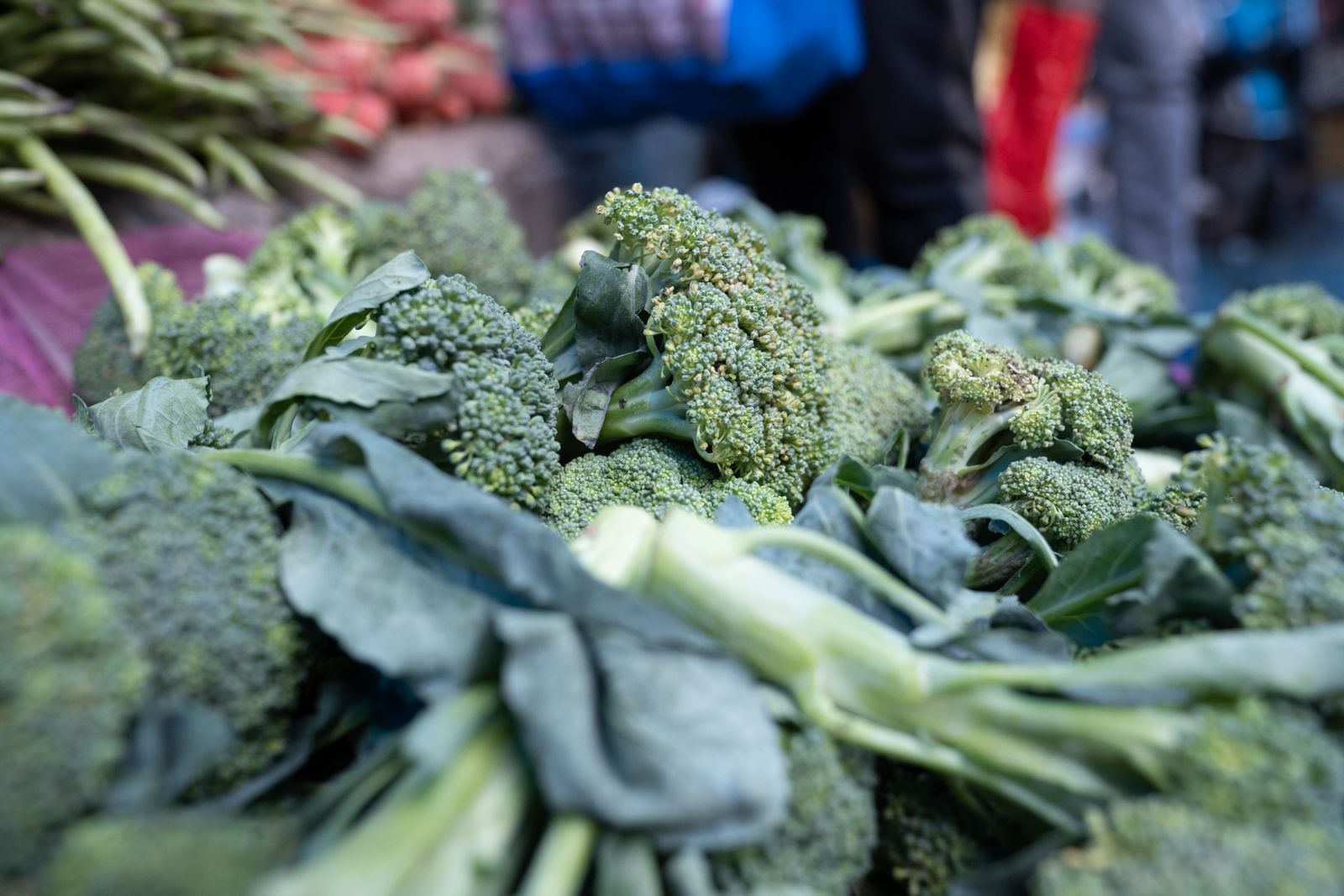
The best-studied example lives inside broccoli. When you chew a floret, an enzyme called myrosinase converts a glucosinolate called glucoraphanin into sulforaphane. Sulforaphane is genuinely irritating — that is why the plant makes it. But once it enters human cells, it binds a protein called Keap1, which normally holds a transcription factor called Nrf2 in check. Freed, Nrf2 moves into the nucleus and switches on genes involved in antioxidant defence, detoxification, and repair.
The plant produces an irritant. The human cell, on this reading, treats it as a mild alarm and turns up its own maintenance systems in response.
What the epidemiology actually says
The population data has been unusually consistent for decades. A 2025 perspective article in the European Journal of Nutrition, synthesising the proceedings of an international conference on fruit and vegetables and health, laid out the shape of it: eating roughly 400 to 800 grams of produce a day is associated with substantially lower rates of cardiovascular disease and type 2 diabetes. Importantly, the authors attribute that benefit not to any single ingredient but to fibre, vitamins, potassium and a range of antioxidant and anti-inflammatory plant compounds acting together — and they are explicit that the mechanisms behind any protection against cancer still need more research.
Most people do not eat that much. Low fruit and vegetable intake contributes to a large share of premature deaths worldwide. The gap between what human physiology seems to do well on and what modern diets deliver is one of the more expensive mismatches in public health.
That “acting together” is the part worth holding onto, because it complicates any tidy single-cause story — including this one. When researchers have isolated individual nutrients such as beta-carotene or vitamin E into supplements, the expected benefits have largely failed to appear, which suggests the whole-food package does something the isolated parts do not. Fibre and the food matrix are a big part of that package. So, increasingly, are the bioactive compounds plants make to defend themselves — the polyphenols, glucosinolates and flavonoids — which is the strand this piece is about. It is a contributor, not the whole engine.
Bitter is a signal, not just a flaw
The taste receptors on the human tongue that register bitterness — the T2R family — are more numerous than the receptors for sweet or salty. That imbalance is often read as a fossil of the diet. Ancestral humans needed to detect small differences between a plant that would nourish them and one that would harm them, and bitterness was a primary warning label.
Modern breeding has quietly dialled that warning down. Commercial broccoli, Brussels sprouts, and lettuces are generally far less bitter than their wild relatives, because consumers prefer them mild. That has a consequence most shoppers never see: milder cultivars often contain lower concentrations of the same defence compounds that researchers are interested in. Domesticated brassicas can carry a fraction of the glucosinolate content of their wild ancestors.
Which sets up a paradox worth sitting with. Some of the vegetables marketed as healthy have been bred to taste less like the thing that may be doing part of the work.
The individual variation problem
Even at identical doses, two people can get quite different outcomes from the same plant. Silicon Canals has covered this before in the context of pomegranate ellagitannins, which only convert into the compound urolithin A in people whose gut bacteria happen to carry the right enzymatic machinery. A substantial proportion of adults lack the necessary microbes, and get less of that particular effect from the same fruit.
The same variation shows up elsewhere in plant chemistry. How much sulforaphane you extract from cooked broccoli depends partly on the myrosinase-producing bacteria in your gut, since cooking destroys the plant’s own myrosinase. Whether you convert isoflavones from soy into the metabolite equol depends on a bacterial community that varies widely across populations. The gut microbiome often sits between the plant’s chemistry and whatever benefit a person gets from it.
It is part of why blanket recommendations to eat more vegetables produce uneven results. The same salad may simply do more in one body than in another.
The line where a signal becomes a problem
Any mild-stress idea has an obvious edge, and past that edge a toxin is just a toxin. This is where a lot of the popular debate collapses. One camp online insists anti-nutrients are dangerous and that oxalate-rich greens must be avoided. Another insists the compounds are harmless and the first camp is scaremongering. Both tend to be arguing without the dose-response curve in front of them.
Someone eating a bowl of spinach a few times a week is well within a comfortable range. Someone drinking a litre of raw spinach-and-almond smoothie every morning is not: oxalate nephropathy has turned up in clinics among people consuming extreme quantities of green juices. Someone snacking on rhubarb stems is fine. Someone chewing rhubarb leaves is in an ambulance.
The same chemistry can land far harder on smaller animals, which is a useful reminder of how much dose and species matter. Lilies, for instance, are among the most dangerous plants for cats — a single leaf or petal can trigger kidney failure. Poinsettias, despite decades of holiday-season warnings, are only mildly irritating, according to the Pet Poison Helpline and the American Kennel Club’s chief veterinarian, Dr Jerry Klein, who notes the plant’s sap contains detergent-like compounds. Whether a plant is a garnish or a hospital visit is very often a question of dose. Humans get a milder version of the same lesson every summer, when a majority of people react to urushiol, the oil in poison ivy, poison oak and poison sumac — a chemical the plant produces for exactly one purpose: to be left alone.
Cooking as ancient risk management
Almost every traditional food culture has independently found ways to blunt plant defences. Andean peoples soak and rinse quinoa to remove saponins. West African cooks ferment cassava for days to break down cyanogenic glycosides that would otherwise cause harm. Japanese cuisine boils and rinses bitter greens in several changes of water. Italian cooks simmer beans for hours. Indian dals are pressure-cooked with tempering spices.
None of these cooks were reading toxicology journals. They were passing down generations of trial and error as recipe. Studies of these methods generally find that traditional preparation reduces anti-nutrient content by a wide margin — often somewhere between 40 and 90 percent, depending on the compound and the technique.
The point is not that raw is bad. It is that a lot of human food culture works, in effect, as a set of protocols for keeping plant chemistry in a tolerable range — enough to matter, not so much that it does harm.
What this changes about the shopping list
Practically, the model shifts a few assumptions gently rather than dramatically. Variety is worth more than any single superfood, because different plant families land their chemistry on slightly different pathways — brassicas engage the Nrf2 detox response, berries deliver polyphenols studied for effects on gut inflammation, alliums release organosulphur compounds linked to cholesterol metabolism. A monoculture of kale smoothies gives you one narrow input on repeat.
Bitterness carries information. A vegetable that tastes strongly of itself is often carrying more of the defensive chemistry that researchers think may contribute to the benefit. The industrial drift toward blandness has costs that never show up on the price tag.
And the gut may matter as much as the label. The same broccoli yields more sulforaphane in one person than another. Fermented foods, fibre diversity, and careful antibiotic use all appear to influence the microbial toolkit that turns plant chemistry into something the body can use.
So the honest version of the story is less dramatic than “the poison is the cure,” but more interesting. Plants defend themselves, we have learned to prepare and tolerate those defences, and a modest, well-managed dose of them may be one of several reasons a plant-heavy diet does us good — alongside the fibre, the vitamins, the minerals and everything else. Every leaf on your plate is, in part, a long negotiation between two organisms that never quite stopped fighting, and somehow arrived at a workable truce.
Watch nextRUNTIME 8:30 · VEGOUT
Worth watching · VegOut on YouTube
 Your Salad Is Full of Natural Toxins. Here’s Why That’s Good. This video goes deeper on the same story Watch on YouTube

























