
-1024x683.jpg "Bill Cassidy’s Primary Defeat: Tangle With Trump at Your Own Peril")
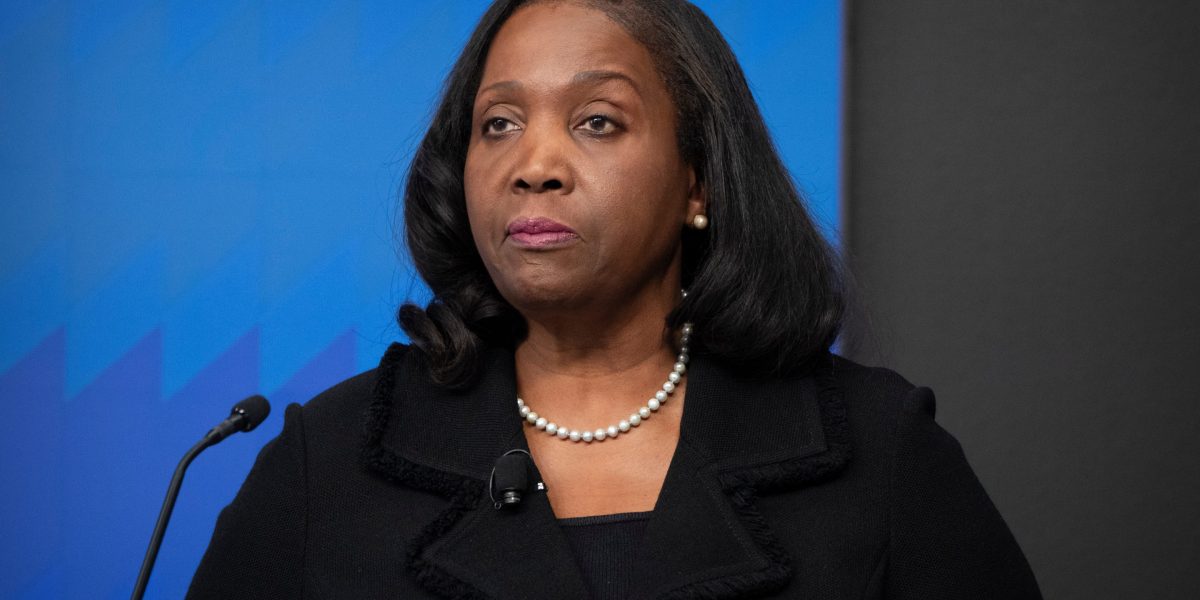
On Saturday, May 17, Incumbent Senator Bill Cassidy of Louisiana failed to progress in the state’s Republican primary. After two terms in the Senate and about two decades in public service, the sitting senator didn’t even bring in a quarter of the electorate. Cassidy, who voted to convict President Donald Trump in his second impeachment trial, faced a stunning defeat after President Trump called on Louisianans to oust him. Now the primary goes to a runoff between John Fleming and Julia Letlow. And here’s the kicker: Letlow – the candidate Trump endorsed over Cassidy – almost won outright.
Cassidy demonstrated a political fact of life over the weekend and learned a hard lesson in the process: The GOP is still very much the president’s party, and you tangle with Trump at your own peril. He wasn’t the first to learn that lesson, and he probably won’t be the last.
Bill Cassidy – The Wrong Side of History
Saturday’s primary result was historic. The power of incumbency is strong; it’s rare for an incumbent running for re-election to lose, much rarer still for them to be primaried out. Since direct popular election of senators began in 1914, an estimated 1,500 or more incumbents have run for re-election. And only around 110 have failed (though most of them, according to Dr. Eric J. Ostermeier of Smart Politics, were ousted via party primaries.)
But Cassidy didn’t just lose – he came in third. According to Dr. Ostermeier’s research, that has only happened 13 times before, and the most recent was in 1962. In a February article for Smart Politics, Dr. Ostermeier examined polling data for the Texas Republican primary and speculated that Sen. John Cornyn – at the time ranking a close third in the polls – might be the first in more than 60 years to come in third or worse as an incumbent.
Cornyn, in fact, came out number one in the March 3 primary with 41.9% of the vote. He isn’t out of the woods yet, though, as the May 26 runoff pits him once again against his closest challenger, Texas Attorney General Ken Paxton, who won 40.7% of the vote.
But while Cornyn managed to avoid that nightmare scenario for any incumbent, Cassidy is living it. Rep. Julia Letlow took 44.8% of the vote, coming shockingly close to the necessary 50% to avoid a runoff, considering she ran against an incumbent. State Treasurer John Fleming came in a distant second with 28.3%, while Cassidy failed to win even a quarter of the electorate at 24.8%. His legacy – what he’ll be remembered for in US political history – is now becoming only the 14th incumbent senator to place third in his own primary and for breaking a 64-year streak to do so.
The Cost of Resistance
While Cassidy was the first senator to lose this badly in a primary in more than 60 years, he’s far from the first to pay the price for siding against Trump as a Republican. Seven such senators and ten representatives of the House GOP voted for Trump’s impeachment and conviction in 2021 – and today just two of each remain.
Sen. Lisa Murkowski beat Republican challenger Kelly Tshibaka by less than 10% in both the primary and the general election in 2022. Sen. Susan Collins is up for re-election now and is running without opposition from her own party – but she finds herself in a tight race against Democrats, including Marine Corps veteran Graham Platner, and her seat is far from safe. In the House, Reps. Dan Newhouse of Washington’s 4th District and David Valadao of California’s 22nd won in 2022 and 2024 and are, so far, still in the running for 2026.
But they’re the minority. All the others either declined to run or ran and lost. Sen. Ben Sasse of Nebraska retired in January of 2023. Sens. Richard Burr of North Carolina, Mitt Romney of Utah, and Pat Toomey of Pennsylvania all decided to walk away at the end of their terms. Sen. Cassidy did run but lost, of course. Reps. Liz Cheney of Wyoming, Jaime Herrera Beutler of Washington, Peter Meijer of Michigan, and Tom Rice of South Carolina all made the same decision and lost. Reps. Anthony Gonzalez of Ohio, John Katko of New York, Adam Kinzinger of Illinois, and Fred Upton of Michigan all declined to run.
What they all failed to understand is just how loyal MAGA Republicans were and still are to Trump. Take Cassidy, for example. Did the president endorse his opponent and call for his ouster? Yes – but it was the voters in Louisiana who made it happen, and not by a small margin, either. Almost half of Republican voters followed President Trump’s advice exactly, and three-quarters in total rejected incumbent Bill Cassidy, who handily won the 2020 primary 59.3% to his closest challenger’s 19%.
The people of the Republican party – often called the silent majority after President Trump’s first election in 2016 – have spoken, loudly and often, yet still many politicians don’t seem to hear them. Cassidy wasn’t the first to learn this lesson the hard way, and with two more years and another election cycle under Trump’s watch, he probably won’t be the last.






















-1024x683.jpg&description=Bill%20Cassidy%E2%80%99s%20Primary%20Defeat%3A%20Tangle%20With%20Trump%20at%20Your%20Own%20Peril)