SpaceX’s S-1 filing this month disclosed that the rocket company purchased $506 million of Tesla’s Megapack commercial energy storage products in 2025, nearly triple the prior year’s spend, along with $131 million of Cybertrucks, $1 million in tunnel construction from The Boring Company, and another $1 million in office space leased by X from the same Musk-owned firm. Tucked into the same document is the disclosure that Tesla’s earlier investment in xAI was converted into an equity interest in SpaceX following the acquisition of xAI, which means a single prospectus now bundles rocket manufacturing, energy storage procurement, tunnel infrastructure, social media leasing, and frontier AI into one investment vehicle the public market is being invited to price.
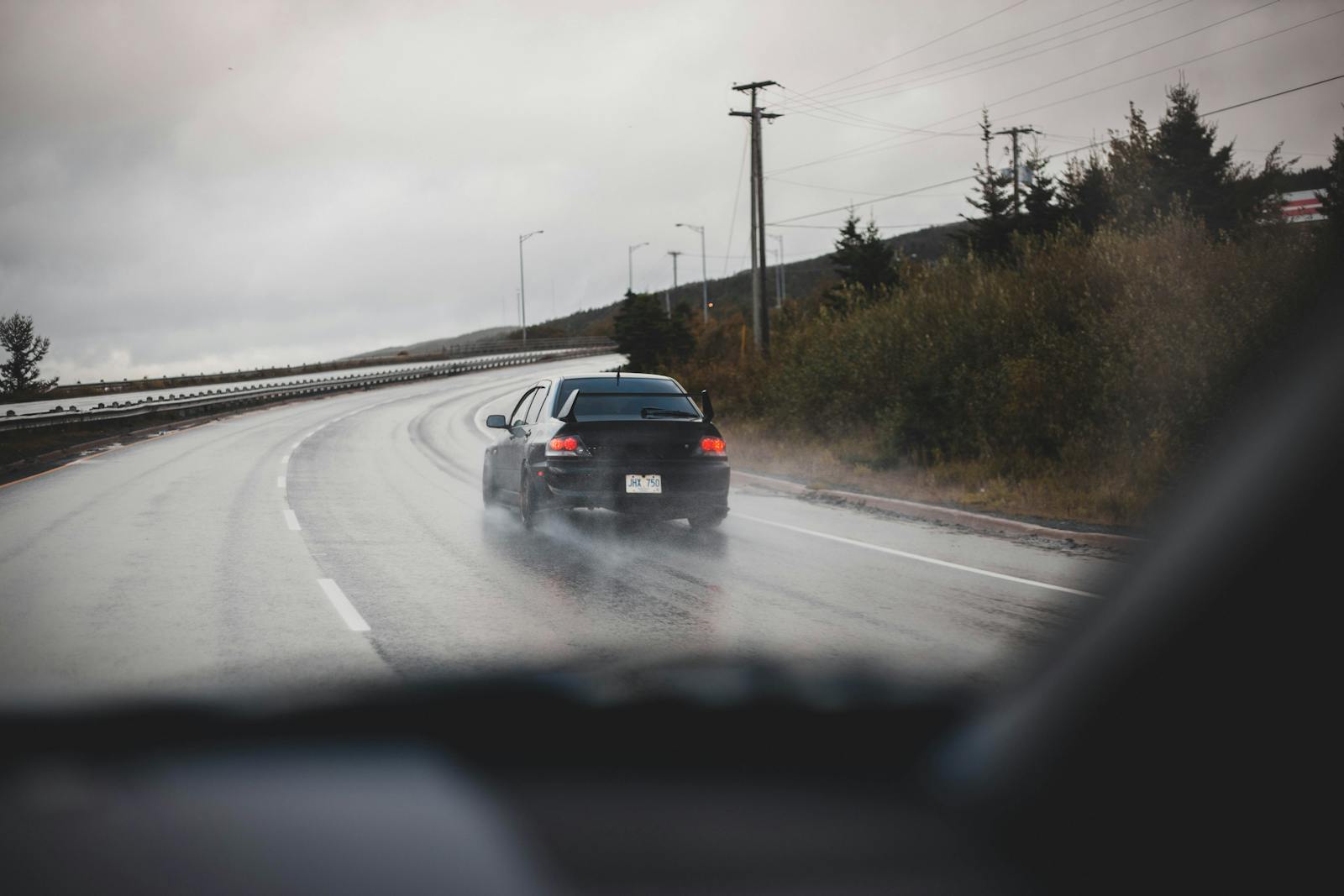
That bundling matters because the same week the filing surfaced, Waymo paused its robotaxi service across at least six U.S. cities, and the contrast between the two disclosures says something about which mobility bets are currently constrained by the world and which are constrained only by paperwork. The Alphabet-owned operator suspended service in Atlanta, Dallas, Houston, San Antonio, Austin, and Nashville because its vehicles struggled to handle heavy rain and flooded roads, specifically knowing when not to enter them, and in the same week Waymo halted freeway operations in San Francisco, Los Angeles, Phoenix, and Miami to improve performance in construction zones.
The conditional arrival
The pauses underline a structural point that the industry’s marketing rarely concedes: commercial launch is not a finish line. For every new city Waymo enters or capability it unlocks, a new edge case is discovered. The company is widely regarded as the leader in commercial robotaxi ridership and fleet size, which means the edge cases surfacing now are the ones a market leader at scale encounters, not the failures of a laggard.
That framing matters because the capital flowing into autonomy assumes a particular curve: rapid expansion, falling per-mile costs, and eventual displacement of human drivers. Rival operators are already hedging the timeline. Lyft has argued that ride-hail networks require both human and robot drivers, stating that robotaxis are not a part of daily life for most people in the United States. The position is politically convenient, since Lyft does not want to alienate gig workers, and it also tracks the operational reality that Waymo’s pauses make visible.
Musk’s interlocking balance sheets
The SpaceX IPO filing discloses the deepening financial circulation between Elon Musk’s companies, and two further joint ventures sit on the horizon: Terafab, a chip-manufacturing facility, and Macrohard, an AI platform built around autonomous agents. The IPO collapses these flows into a single disclosure document, raising the question of whether SpaceX and Tesla eventually merge.
Where the capital is actually moving
Beneath the headline operators, mobility capital continues to deploy. May Mobility signed a strategic agreement with Geely-backed Ecarx valued at roughly $750 million over its duration, with purpose-built robotaxi vehicles slated for deployment next year and commercialisation by 2028. Aboard, an extended-range electric travel trailer startup, raised $13 million in a pre-Series A round led by Ondine Capital and Llama Ventures. Self-driving startup Nuro appointed Michael Mancini as chief financial officer, signalling the kind of finance-track hiring that typically precedes a capital event.
Tesla’s Full Self-Driving (Supervised) is now approved in Lithuania, the second European country to authorise it, a regulatory unlock tied directly to Musk’s pay package, which requires 10 million active FSD subscriptions by 2035. Meanwhile, Bloomberg reported Uber has increased its stake in Delivery Hero to 19.5%, a position that fits a broader pattern Silicon Canals has tracked of Uber consolidating around its delivery and cross-sell economics rather than betting the firm on autonomy.
What the juxtaposition reveals
Set side by side, the week’s mobility news describes a market in two tempos. Waymo, the operator closest to scaled autonomous deployment, is publicly disclosing the limits of its system in real weather and real construction zones, the specific failure being that a vehicle has to decide whether the standing water ahead is a puddle or a flooded underpass and whether the orange cones on the freeway describe a lane shift that existed yesterday or one that exists today.
SpaceX, meanwhile, is structuring an IPO that bundles xAI, energy storage purchases from Tesla, and infrastructure contracts with The Boring Company into a single investment vehicle, with Terafab and Macrohard positioned as the next layer of integration, and the prospectus does not have to make any of those decisions in the rain.