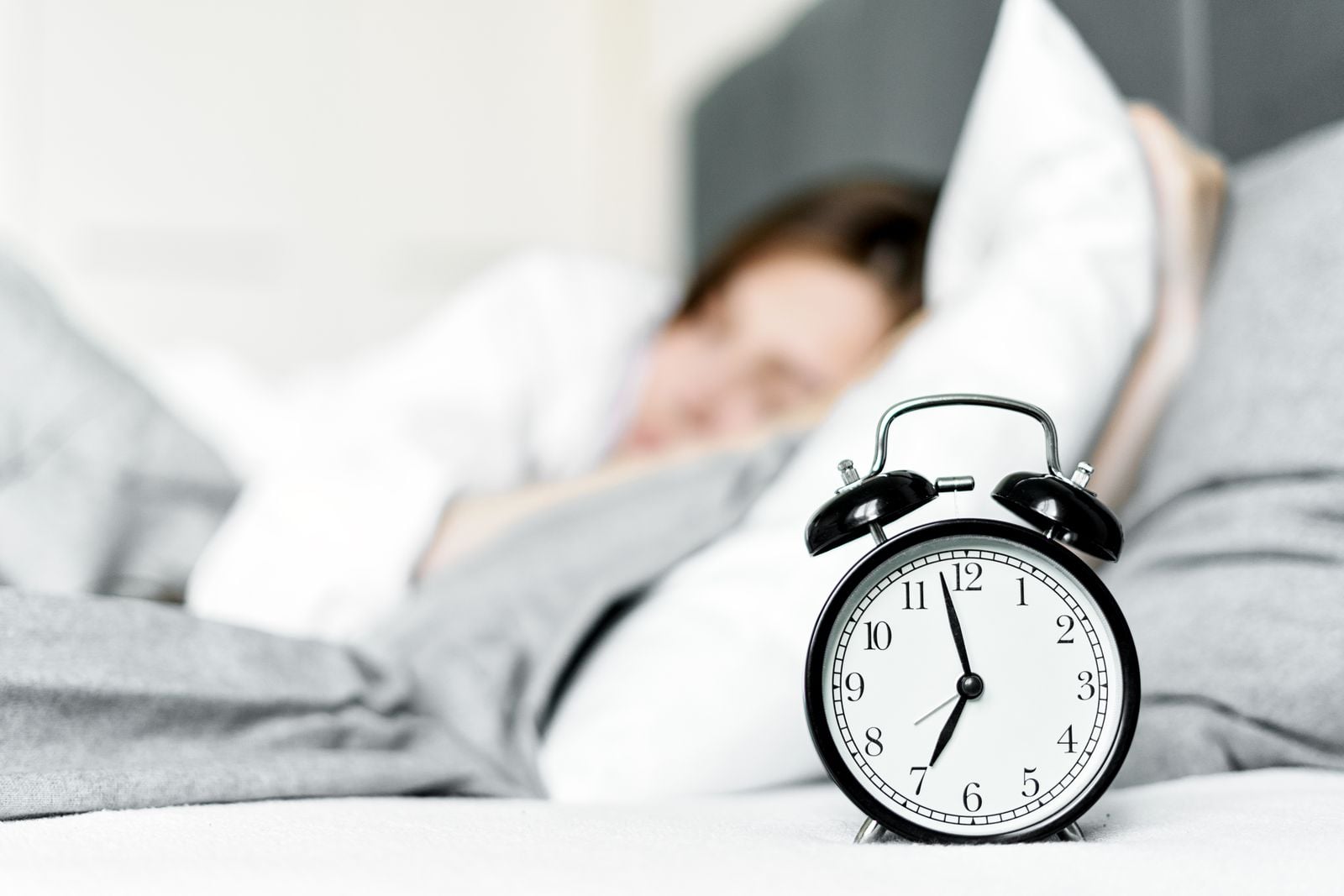
There is a genre of advice that never seems to go out of fashion: the morning routine of a successful person. Wake at five. Cold water, a journal, some exercise, twenty minutes of reading, all before most people have found their phone. The promise underneath it is always the same. Copy the routine, and a little of the success might follow.
I am a writer, not a sleep scientist or a productivity coach, so take this as observation rather than instruction. But I have spent enough time inside this particular promise to be sceptical of it.
I once spent two years waking at 5am trying to become more disciplined. What I mostly learned was that being tired earlier in the day is not the same as being better at anything. That experience is part of why the science here interests me, because it suggests the thing I was fighting was not my willpower.
What a very large study actually found
In 2019, a team led by Samuel Jones and Michael Weedon published a genome-wide association study of chronotype in Nature Communications, drawing on data from 697,828 people across the UK Biobank and 23andMe. They identified 351 regions of the genome associated with being a self-described morning person, up from 24 in earlier work.
The effect of any single variant is small, and self-reported chronotype is a blunt measure. But the direction is consistent. When the researchers looked at objective sleep timing, the 5 per cent of people carrying the most morning-associated variants went to sleep on average about 25 minutes earlier than the 5 per cent carrying the fewest.
Twenty-five minutes is not a dramatic gap, and it describes group averages rather than any individual. The point is not the size of the shift. The point is that whether you lean towards mornings or evenings is written, in part, into your biology, and not simply into your strength of character.
This is one line of evidence, not the last word, and heritability is not destiny. Chronotype also moves with age and responds to light and schedule. What the genetics rules out is the tidiest version of the morning-routine story, the one where anyone can become a lark by wanting it enough.
The study the trope is built on
The idea that early risers do better in life is not invented out of nothing. It has a real study behind it, and the study is more modest than the slogan.
In 2009, the German researcher Christoph Randler published a paper in the Journal of Applied Social Psychology with the memorable title “Proactive People Are Morning People.” He surveyed university students and found that those who described themselves as morning-oriented also scored higher on a scale measuring proactivity, the tendency to anticipate problems and act in advance. Writing up the work for the Harvard Business Review a year later, Randler explained the appeal of the finding for anyone thinking about careers.
It is worth reading what the study does and does not show. It is a correlation, measured mostly in students, using self-reported personality scores. It does not demonstrate that dragging yourself out of bed at dawn will make you proactive, any more than buying a runner’s watch makes you fast.
Randler himself has been careful on this point. In the same interview he estimated that around half of chronotype is genetic, and noted that it shifts across a lifetime: teenagers skew towards the evening, people in their thirties and forties are split, and morningness tends to increase later in life. The trait the advice treats as a choice is one he describes as substantially inherited and age-dependent.
Why the routine sells anyway
None of this has slowed the market for morning routines, and it is worth asking why the format is so durable, especially in the world I usually write about.
Startup and founder culture has a particular fondness for the pre-dawn schedule, because it turns something hard to see, discipline, into something you can photograph. A 5am alarm is legible. It signals seriousness to investors, to employees, and to yourself, in a way that quiet, consistent work does not. The routine becomes a kind of costume for ambition.
There is also a comforting logic to it. Success is mostly made of luck, timing, capital, and factors nobody controls. A morning routine is one of the few variables that feels fully yours. If the recipe is a wake-up time and a cold shower, then the door is open to everyone, which is a more pleasant story than the truth about how uneven the odds usually are.
I find that logic genuinely sympathetic. It is just not well supported by how bodies and careers actually work.
What seems to matter more than the hour
If there is a thread worth pulling from the research, it is less about when you wake and more about the mismatch between your body’s timing and the schedule imposed on it. The chronobiologist Till Roenneberg coined the term “social jetlag” for the gap between the hours our internal clock prefers and the hours our jobs and alarms demand, and for many people that gap is where the tiredness lives.
Read that way, the useful question is not how to become a morning person. It is how closely your working hours match the ones your body would choose if it could, and how much regularity you can hold from one day to the next. Those are quieter variables. They do not make for an inspiring photograph.
I want to be careful here, because I am describing a pattern, not handing out a schedule. People’s circumstances, jobs, and bodies differ, and anything touching sleep is worth taking to someone who actually studies it rather than to an essay.
What I can say plainly is that the confident version of the morning-routine promise, the one that treats a partly inherited trait as a habit anyone can install, asks for something the evidence does not support.
The routine that lasts is usually the unremarkable one you will actually repeat.
The hour on the clock matters far less than whether it belongs to you.