I still have notebooks from when I was 17. Spiral-bound, water-stained, handwriting that looks like it was done during an earthquake. I found a box of them last year when we were cleaning out our apartment. I sat on the floor for two hours reading through them.
And I noticed something strange. The big emotional stuff in my life, the breakups, the confusions, the 3am existential spirals, I had processed almost all of it on paper. Not by talking. Not by thinking. By writing it out longhand until my hand cramped.
I stopped doing that somewhere in my late 20s. Not consciously. Life just got faster. Notes apps were quicker. Laptops were lighter. Typing became the default.
And I didn’t notice until much later that something had quietly stopped working.
Handwriting was never just writing.
For anyone who grew up pre-smartphone, handwriting wasn’t a hobby. It was the primary way you moved information from your head into the world. Homework. Diaries. Love letters that never got sent. Lists. Doodles in the margins during boring classes.
And here’s what nobody explained to us. All that time spent scratching words onto paper wasn’t just recording thoughts. It was processing them.
There’s serious neuroscience behind this. A piece in Scientific American covering research by psychologists at the Norwegian University of Science and Technology found that handwriting activates far more of the brain than typing. Writing by hand engages the sensorimotor cortex, spatial processing regions, and language centres all at once, in a way typing simply doesn’t. The slow, deliberate motor act of forming letters forces deeper cognitive engagement.
What this means practically. When you write something by hand, your brain is doing more than transcribing. It’s feeling the weight of the words. It’s slowing down enough to actually consider what’s being said. It’s metabolising.
Writing as emotional digestion.
Dr. James Pennebaker, a psychologist at the University of Texas at Austin, has spent over three decades studying what happens when people write about their feelings. His work on expressive writing is some of the most replicated research in psychology.
In an APA podcast on expressive writing, Pennebaker explains something I think about a lot. He says the act of translating an emotional experience into words changes how that experience is organised in the brain. Writing slows down your thinking. It forces structure. It makes you build a complete sentence, which means you have to actually finish a thought rather than letting it float around half-formed.
This is what I mean by metabolising. Your feelings come in as raw material. Grief, confusion, rage, longing. And writing breaks them down into something you can actually digest.
People who grew up doing this daily, in journals, in letters, in school essays, built a nervous system that expects emotional processing to happen this way. It’s not a hobby for them. It’s how they stay okay.
Why typing doesn’t do the same thing.
Now here’s the part most people miss. Typing is writing, technically. But it’s not the same biological event.
Typing is fast. Too fast, in fact. Your fingers can nearly keep up with your thoughts, which means there’s no friction. No space between the feeling and the recording of the feeling. And that space is where the processing actually happens.
An article in Science News summarising the Norwegian research found that handwriting, but not typing, increased connectivity across parietal and central brain regions, many of which are tied to memory and sensory integration. In other words, handwriting integrates the experience. Typing just captures it.
So when someone who grew up processing feelings through handwriting tries to journal on their phone, something feels off. It’s not laziness. It’s not digital distraction. Their brain is using the wrong tool for the job. They’re trying to digest a steak with a straw.
The adult who forgot how to feel.
This, I think, is why so many people in their 30s and 40s feel strangely disconnected from their own emotional lives. They’re not broken. They’re not avoiding anything on purpose. They just lost the ritual that used to do the heavy lifting.
I’ve seen this in myself. During high-content-production weeks, when I’m typing all day for work, my emotional state gets weirdly fuzzy. Things that should upset me just sort of float around. Things that should make me happy don’t quite register. My wife will ask me how I’m feeling about something and I’ll genuinely not know.
But if I sit on the balcony with a notebook for twenty minutes, the feelings start showing up. Not because writing invents them. Because writing gives them a door to walk through.
A friend who grew up in pre-internet Vietnam told me recently that her generation used to write letters to family members every few weeks, even ones who lived close by. It wasn’t about communication. It was about having somewhere to put everything that built up during the week. When phones replaced letters, she said a lot of older women she knew got quietly depressed and didn’t know why.
They hadn’t lost anyone. They’d lost a process.
Coming back to the hand.
The fix is not to throw your laptop into the Saigon River, even when you very much want to. The fix is to bring handwriting back for the specific job it used to do.
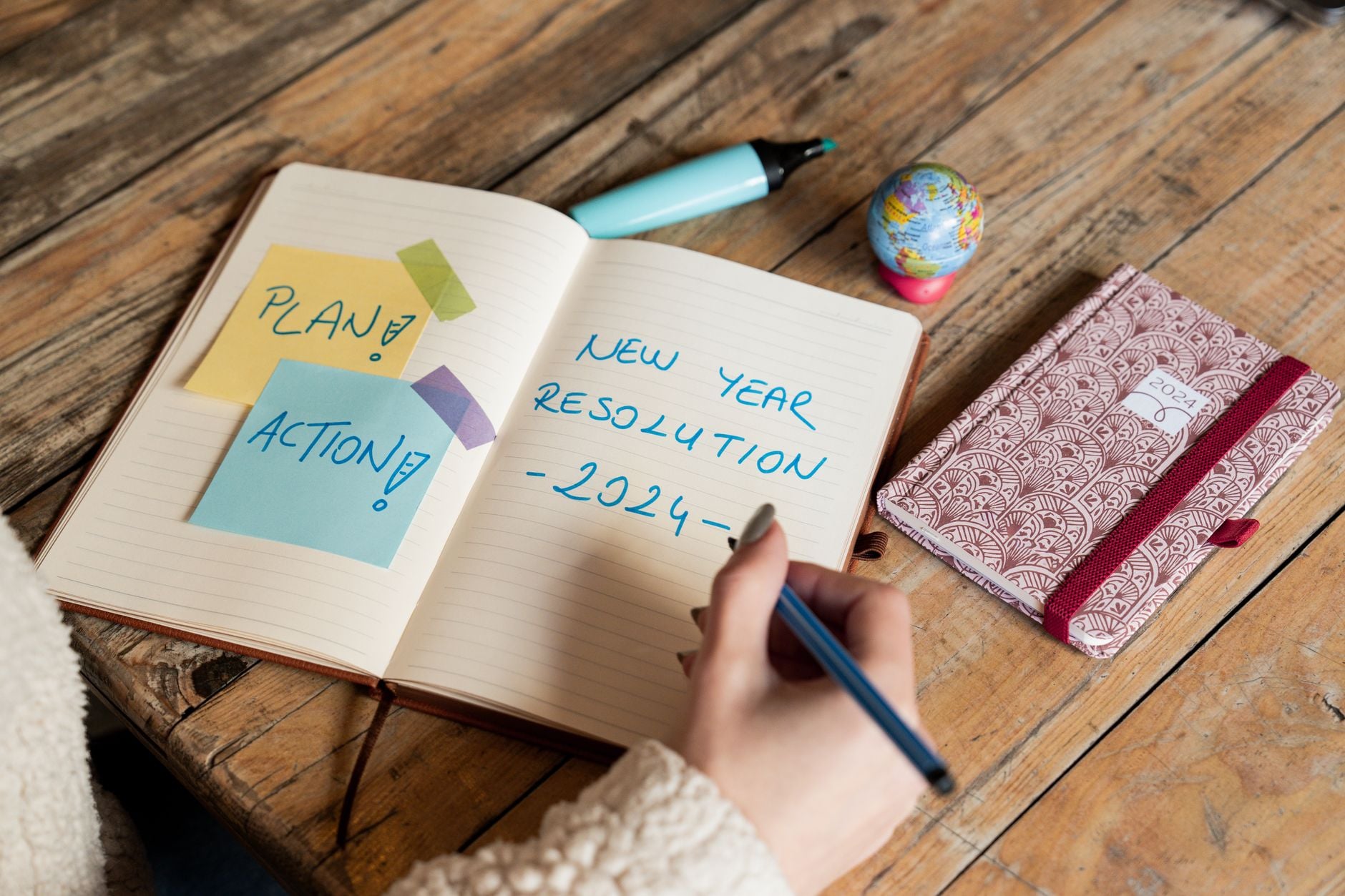
I keep a cheap notebook next to my meditation cushion. Every morning, after sitting, I write for about ten minutes. Not for anyone. Not to publish. Not to solve anything. Just to let whatever is built up inside me find a path out through my hand.
Some days what comes out is trivial. Grocery lists disguised as feelings. Other days, genuine stuff surfaces. Things I didn’t even know were weighing on me until I saw them on the page in my own handwriting.
I write about this kind of daily practice in my book Hidden Secrets of Buddhism. The Pali word yoniso manasikāra roughly translates as “wise attention,” the ability to see what’s actually happening inside yourself rather than being swept away by it. The Buddha didn’t have notebooks. But the act of meditation did for him what handwriting does for a lot of modern humans. It creates the space where raw emotion can become understood experience.
If you grew up writing everything by hand, and you’ve been feeling a little flatter, a little foggier, a little more disconnected from yourself than you used to be, consider this. Maybe nothing is wrong with you. Maybe you’ve just quietly lost the tool your nervous system was built around.
Get a pen. Get a cheap notebook. Sit down for ten minutes and let your hand do what it always knew how to do.
You might be surprised how much of you has been waiting there all along.