No Result
View All Result
SUBMIT YOUR ARTICLES
  • Login
Friday, May 8, 2026
TheAdviserMagazine.com
  • Home
  • Financial Planning
    • Financial Planning
    • Personal Finance
  • Market Research
    • Business
    • Investing
    • Money
    • Economy
    • Markets
    • Stocks
    • Trading
  • 401k Plans
  • College
  • IRS & Taxes
  • Estate Plans
  • Social Security
  • Medicare
  • Legal
  • Home
  • Financial Planning
    • Financial Planning
    • Personal Finance
  • Market Research
    • Business
    • Investing
    • Money
    • Economy
    • Markets
    • Stocks
    • Trading
  • 401k Plans
  • College
  • IRS & Taxes
  • Estate Plans
  • Social Security
  • Medicare
  • Legal
No Result
View All Result
TheAdviserMagazine.com
No Result
View All Result
Home Market Research Money

10 Financial Moves That Quietly Ruin Middle-Class Stability

by TheAdviserMagazine
10 months ago
in Money
Reading Time: 6 mins read
A A
10 Financial Moves That Quietly Ruin Middle-Class Stability
Share on FacebookShare on TwitterShare on LInkedIn


Image source: Pexels

For millions of Americans, being in the middle class has long been a symbol of comfort, progress, and security. But today, many middle-class households are discovering that financial stability is far more fragile than it seems. Often, it’s not one catastrophic event that derails a family’s finances, but a series of quiet missteps that add up over time.

These financial moves often feel reasonable or even responsible at first. But without careful planning, they can slowly undermine your financial well-being, drain your savings, and put long-term goals like retirement or homeownership at risk.

Here are 10 financial decisions that silently erode middle-class stability and what to watch for before they take hold.

Financing a Car Instead of Buying Within Your Means

Car ownership is practically a necessity in much of the U.S., but the way people pay for their vehicles is becoming a hidden budget killer. Many middle-class families finance new cars with long-term loans—six, seven, even eight years—with monthly payments that consume far too much of their income.

These payments can quietly eat into emergency funds, retirement savings, or the ability to pay down other debts. Worse, the moment the car leaves the lot, it depreciates rapidly, leaving owners “underwater” on their loans. Over time, this pattern can turn a necessary purchase into a financial weight that limits upward mobility.

Underestimating the Cost of Homeownership

Owning a home is often seen as a smart investment, but many buyers only calculate the mortgage, ignoring maintenance, repairs, insurance, HOA fees, and rising property taxes. These “invisible” costs can amount to thousands per year, catching new homeowners off guard.

Without a home maintenance budget or emergency reserve, a single repair—like a broken HVAC system or roof leak—can destabilize monthly finances or force reliance on high-interest credit cards. What starts as a symbol of success can quickly become a money pit.

Using Credit Cards to Float Everyday Expenses

For many middle-class families, credit cards become a financial bridge, used to cover groceries, gas, or utility bills during tight months. While the intention is often to “catch up next month,” interest charges and minimum payments begin piling up faster than people realize.

This slow accumulation of revolving debt rarely causes panic in the short term, but it creates long-term instability. Carrying balances reduces credit scores, inflates monthly expenses, and makes it harder to save or invest. Over time, the habit becomes a quiet, compounding threat to financial health.

Paying for College Without a Clear ROI Plan

Sending kids to college is a proud middle-class tradition, but many families take on enormous debt without considering the return on investment. Co-signing private loans, tapping into retirement accounts, or refinancing the home can severely undermine financial security if the student’s degree doesn’t lead to viable employment.

With tuition costs rising and student loan debt surpassing $1.7 trillion nationally, many households are realizing too late that good intentions alone aren’t enough. Without a careful plan that weighs career prospects, scholarships, and affordable options, college can become a long-term financial liability.

Neglecting to Invest or Start Retirement Early Enough

Middle-class workers often focus so heavily on today’s expenses that they postpone investing for retirement. It may feel like there’s time to “catch up later,” but compounding rewards those who start early and punishes those who wait.

Even small, regular contributions to a 401(k) or IRA in your 30s or 40s can make a huge difference. Yet many people don’t start investing until they feel financially “comfortable,” which often doesn’t happen. That delay quietly shortchanges their retirement security, leaving them more dependent on Social Security or forced to work longer.

wealthy
Image Source: pexels.com

Relying Too Much on a Single Income Stream

Even high-earning middle-class households are vulnerable if all their financial stability rests on a single income. A layoff, illness, or industry downturn can throw an entire budget into crisis. Yet many families build lifestyles—mortgages, car payments, private school tuition—around one primary paycheck.

Without secondary income sources, savings buffers, or emergency plans, a sudden disruption can derail financial progress for years. Diversifying income through side gigs, passive income, or spousal earnings adds needed resilience.

Over-Insuring for Small Risks, Under-Insuring Big Ones

It’s easy to sign up for extended warranties, accidental damage plans, and small-dollar insurance add-ons—but often at the cost of overlooking critical, high-impact protections. Many middle-class households overspend on “peace of mind” coverage for phones or appliances while neglecting long-term disability insurance, umbrella policies, or adequate life insurance.

This imbalance leaves families exposed when real disaster strikes. True financial protection comes from insuring against catastrophic events, not minor inconveniences.

Failing to Adjust Lifestyle With Income Fluctuations

When income rises, many people upgrade their lifestyle accordingly—buying a bigger house, leasing a nicer car, or spending more freely. But when income drops, they’re far slower to downgrade, often maintaining the same lifestyle by dipping into savings or adding debt.

This lack of flexibility is a major driver of financial instability. Without the discipline to live below your means, even when your means expand, it becomes easy to get trapped in cycles of overspending and under-saving.

Avoiding Conversations About Money Within the Family

Many financial mistakes stem not from bad math but from poor communication. In middle-class households, silence about money between spouses, with adult children, or across generations, can lead to unspoken expectations, hidden debt, or missed opportunities for planning.

Families that never talk about budgets, retirement goals, elder care, or estate planning often find themselves scrambling during moments of crisis. Open, ongoing conversations are one of the most powerful tools for long-term stability and one of the most underused.

Focusing on Appearances Over Financial Foundations

Finally, many middle-class families feel silent pressure to maintain an image of success: new cars, designer clothes, upscale vacations, or social media-worthy homes. But trying to “look the part” can lead to overspending and chronic financial stress.

True middle-class stability is built on strong savings, manageable debt, and long-term planning, not consumer signals of prosperity. The quiet erosion of wealth often begins with trying to keep up appearances, rather than building solid financial foundations.

Middle-Class Stability Is Built on Awareness, Not Appearances

Middle-class families face unique financial pressures—rising costs, economic uncertainty, and social expectations. But the biggest threats to stability often come from within: small, seemingly harmless decisions that compound over time and quietly sabotage long-term security.

Avoiding these common mistakes means being proactive, honest, and willing to prioritize financial health over temporary comfort or appearances. It also means having tough conversations, seeking professional advice when needed, and planning for the unexpected before it becomes a crisis.

Which of these financial moves have you encountered or narrowly avoided? What quiet financial habit do you think poses the biggest risk to stability today?

Read More:

You Think You’re Middle Class, But These 5 Stats Say Otherwise

What the Middle Class Still Doesn’t Understand About the Rich

Riley Schnepf

Riley Schnepf is an Arizona native with over nine years of writing experience. From personal finance to travel to digital marketing to pop culture, she’s written about everything under the sun. When she’s not writing, she’s spending her time outside, reading, or cuddling with her two corgis.




Source link

Tags: financialMiddleClassmovesQuietlyRuinStability
ShareTweetShare
Previous Post

8 Places Your Personal Data Is Sold Without You Knowing

Next Post

Texas Flood Debacle a Predictable Result of 98 Years of Government Flood “Control”

Related Posts

edit post
Retirement Communities Are Changing Fast—and Many Seniors Love the New Model

Retirement Communities Are Changing Fast—and Many Seniors Love the New Model

by TheAdviserMagazine
May 7, 2026
0

For years, retirement communities carried a reputation that made many older adults cringe. People often imagined sterile hallways, rigid schedules,...

edit post
5 Reasons the Social Security Trust Fund Could Run Out by 2032

5 Reasons the Social Security Trust Fund Could Run Out by 2032

by TheAdviserMagazine
May 7, 2026
0

For decades, Americans have treated Social Security as one of the safest financial programs in retirement. Millions of retirees depend...

edit post
12 Government Benefits You Didn’t Know You Qualify For After 60

12 Government Benefits You Didn’t Know You Qualify For After 60

by TheAdviserMagazine
May 7, 2026
0

Millions of Americans over 60 are missing out on government assistance simply because they assume they earn too much, own...

edit post
Scamming Seniors: 10 Procedures Older Patients Are Pressured Into

Scamming Seniors: 10 Procedures Older Patients Are Pressured Into

by TheAdviserMagazine
May 7, 2026
0

Healthcare decisions become more complex with age, and for many families, trust in medical advice is absolute. Yet a growing...

edit post
The Blood Pressure Habits Doctors Say Seniors Ignore Too Often

The Blood Pressure Habits Doctors Say Seniors Ignore Too Often

by TheAdviserMagazine
May 6, 2026
0

High blood pressure remains one of the most common health problems affecting older Americans, yet many seniors still underestimate how...

edit post
9 Signs It’s Time to Update Your Estate Plan

9 Signs It’s Time to Update Your Estate Plan

by TheAdviserMagazine
May 6, 2026
0

Many people create an estate plan once and assume they never need to think about it again. In reality, wills,...

Next Post
edit post
Texas Flood Debacle a Predictable Result of 98 Years of Government Flood “Control”

Texas Flood Debacle a Predictable Result of 98 Years of Government Flood “Control”

edit post
6 Daily Habits That Signal You’re Headed Toward Financial Burnout

6 Daily Habits That Signal You’re Headed Toward Financial Burnout

  • Trending
  • Comments
  • Latest
edit post
Gavin Newsom issues ‘final warning’ amid California’s dire housing crisis — what’s at stake for millions of residents

Gavin Newsom issues ‘final warning’ amid California’s dire housing crisis — what’s at stake for millions of residents

May 3, 2026
edit post
Florida Warning: With Senior SNAP Benefits Averaging 8/Month, Thousands Risk Losing Assistance in 2026

Florida Warning: With Senior SNAP Benefits Averaging $188/Month, Thousands Risk Losing Assistance in 2026

April 27, 2026
edit post
Minnesota Wealth Tax | Intangible Personal Property Tax

Minnesota Wealth Tax | Intangible Personal Property Tax

May 6, 2026
edit post
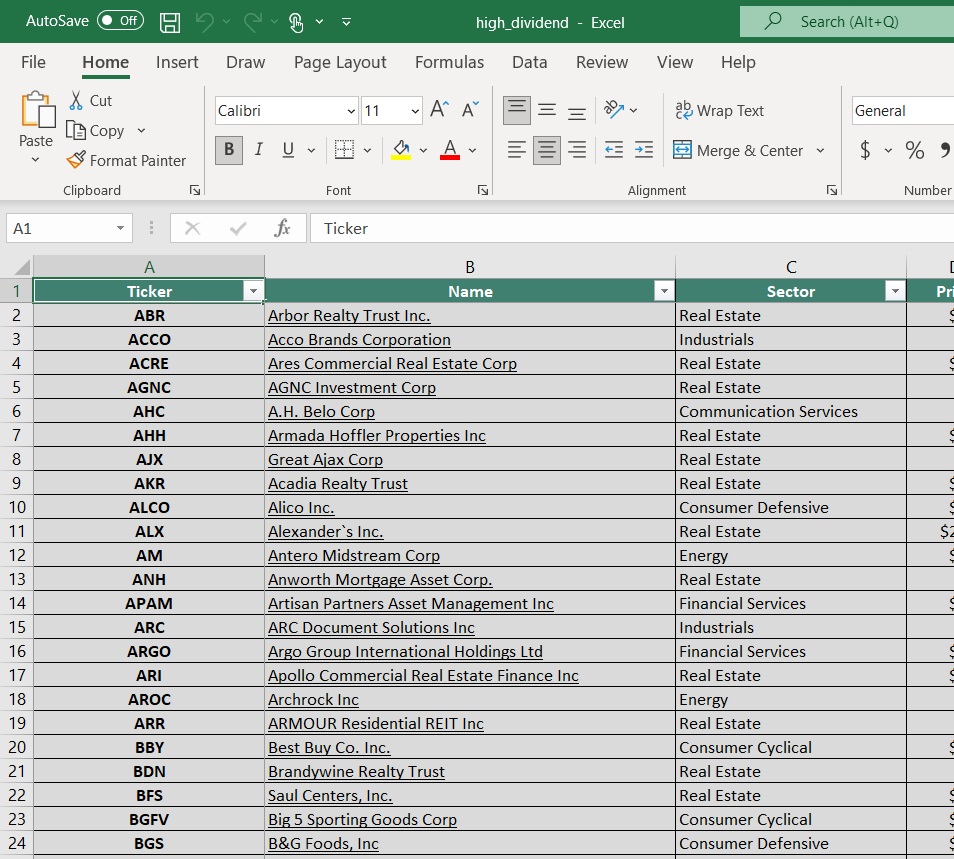
10 Cheapest High Dividend Stocks With P/E Ratios Under 10

10 Cheapest High Dividend Stocks With P/E Ratios Under 10

April 13, 2026
edit post
Exclusive: America’s largest Black-owned bank launches podcast with mission to unlock hidden shame holding back generational wealth

Exclusive: America’s largest Black-owned bank launches podcast with mission to unlock hidden shame holding back generational wealth

April 29, 2026
edit post
NYC Mayor Mamdani knocked Ken Griffin in pied-a-terre tax promo. His firm calls the move ‘shameful’

NYC Mayor Mamdani knocked Ken Griffin in pied-a-terre tax promo. His firm calls the move ‘shameful’

April 23, 2026
edit post
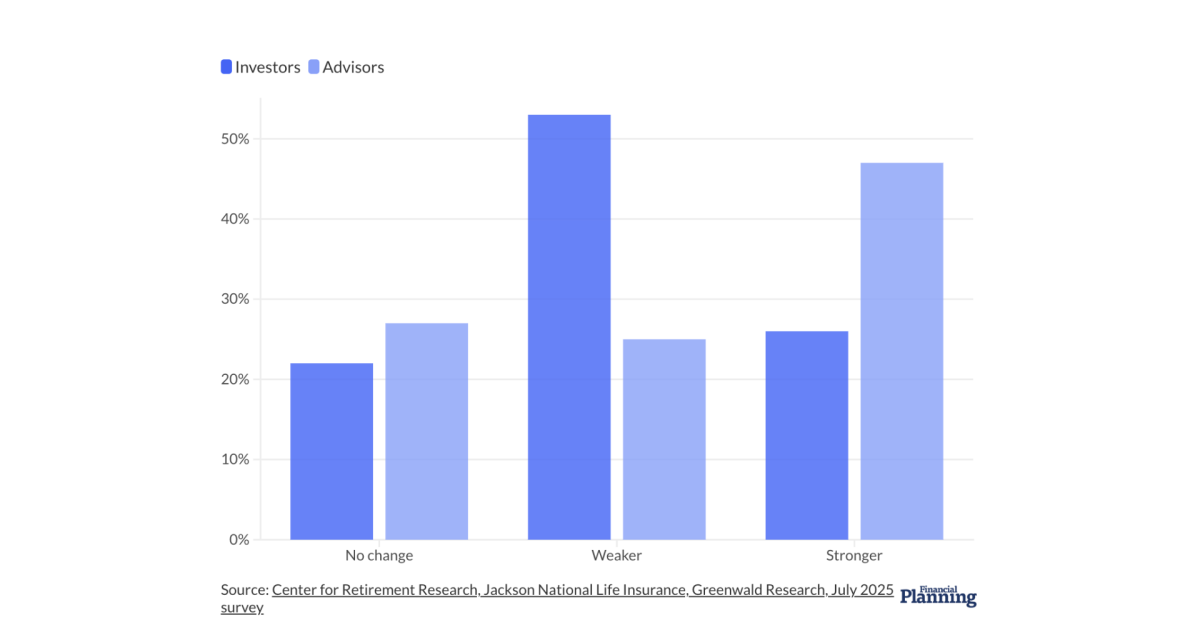
Advisors’ ‘frothy optimism’ on economy masks policy concerns

Advisors’ ‘frothy optimism’ on economy masks policy concerns

0
edit post
ServiceNow doesn’t see a ‘SaaSpocalypse.’ It sees a ‘hard lift, heavy lifting’ phase just beginning

ServiceNow doesn’t see a ‘SaaSpocalypse.’ It sees a ‘hard lift, heavy lifting’ phase just beginning

0
edit post
Israeli defense-tech co Kela raising 0m at .2b valuation

Israeli defense-tech co Kela raising $200m at $1.2b valuation

0
edit post
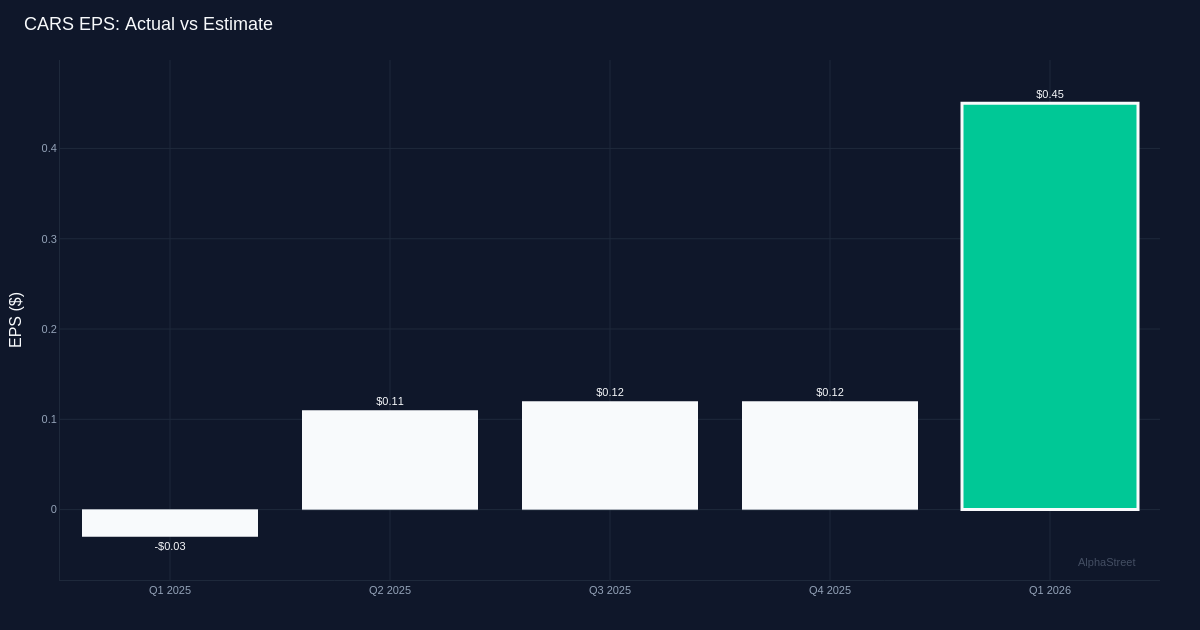
Cars.com Blows Past Q1 2026 Forecasts: alt=

Cars.com Blows Past Q1 2026 Forecasts: $0.45 vs $0.13 Expected

0
edit post
Retirement Communities Are Changing Fast—and Many Seniors Love the New Model

Retirement Communities Are Changing Fast—and Many Seniors Love the New Model

0
edit post
India’s Paytm forecasts higher revenue growth in FY 2027

India’s Paytm forecasts higher revenue growth in FY 2027

0
edit post
Global Market Today: Asian stocks drop, oil climbs on Iran tensions

Global Market Today: Asian stocks drop, oil climbs on Iran tensions

May 7, 2026
edit post
ServiceNow doesn’t see a ‘SaaSpocalypse.’ It sees a ‘hard lift, heavy lifting’ phase just beginning

ServiceNow doesn’t see a ‘SaaSpocalypse.’ It sees a ‘hard lift, heavy lifting’ phase just beginning

May 7, 2026
edit post
Retirement Communities Are Changing Fast—and Many Seniors Love the New Model

Retirement Communities Are Changing Fast—and Many Seniors Love the New Model

May 7, 2026
edit post
Coinbase (COIN) earnings Q1 2026

Coinbase (COIN) earnings Q1 2026

May 7, 2026
edit post
5 Reasons the Social Security Trust Fund Could Run Out by 2032

5 Reasons the Social Security Trust Fund Could Run Out by 2032

May 7, 2026
edit post
Ford CEO says his Gen Z son is choosing hands-on work over college

Ford CEO says his Gen Z son is choosing hands-on work over college

May 7, 2026
The Adviser Magazine

The first and only national digital and print magazine that connects individuals, families, and businesses to Fee-Only financial advisers, accountants, attorneys and college guidance counselors.

CATEGORIES

  • 401k Plans
  • Business
  • College
  • Cryptocurrency
  • Economy
  • Estate Plans
  • Financial Planning
  • Investing
  • IRS & Taxes
  • Legal
  • Market Analysis
  • Markets
  • Medicare
  • Money
  • Personal Finance
  • Social Security
  • Startups
  • Stock Market
  • Trading

LATEST UPDATES

  • Global Market Today: Asian stocks drop, oil climbs on Iran tensions
  • ServiceNow doesn’t see a ‘SaaSpocalypse.’ It sees a ‘hard lift, heavy lifting’ phase just beginning
  • Retirement Communities Are Changing Fast—and Many Seniors Love the New Model
  • Our Great Privacy Policy
  • Terms of Use, Legal Notices & Disclosures
  • Contact us
  • About Us

© Copyright 2024 All Rights Reserved
See articles for original source and related links to external sites.

Welcome Back!

Login to your account below

Forgotten Password?

Retrieve your password

Please enter your username or email address to reset your password.

Log In
No Result
View All Result
  • Home
  • Financial Planning
    • Financial Planning
    • Personal Finance
  • Market Research
    • Business
    • Investing
    • Money
    • Economy
    • Markets
    • Stocks
    • Trading
  • 401k Plans
  • College
  • IRS & Taxes
  • Estate Plans
  • Social Security
  • Medicare
  • Legal

© Copyright 2024 All Rights Reserved
See articles for original source and related links to external sites.