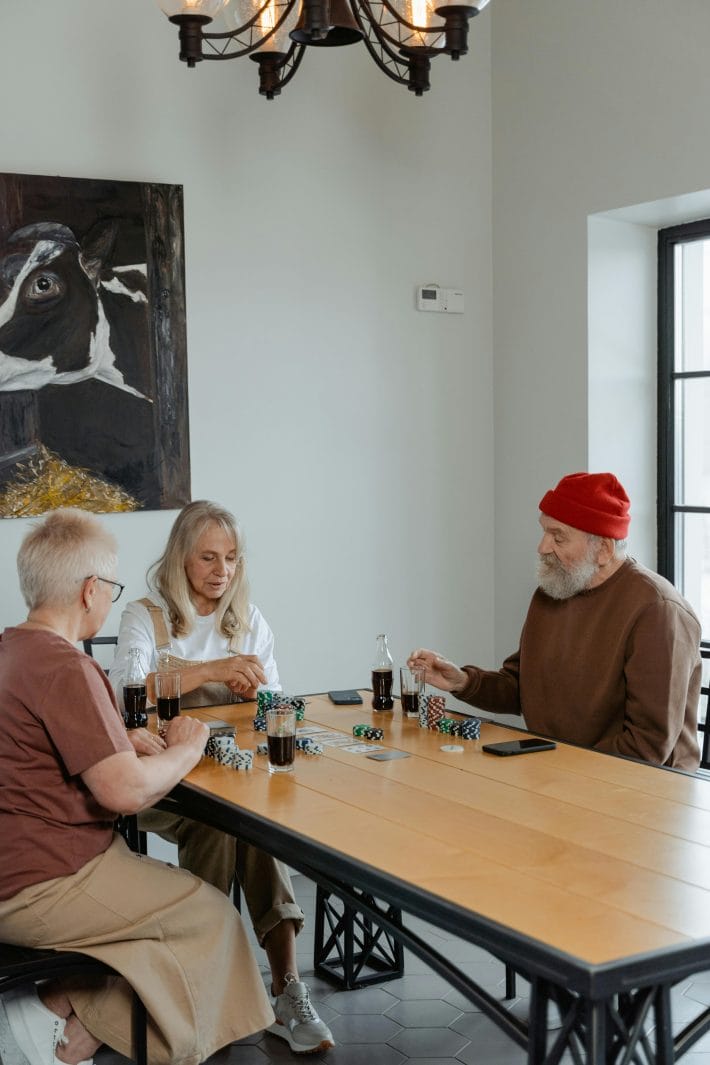
For years, retirement communities carried a reputation that made many older adults cringe. People often imagined sterile hallways, rigid schedules, bland dining rooms, and a loss of independence once they moved into senior living. However, today’s retirement communities are undergoing dramatic changes as Baby Boomers reshape what aging looks like in America.
Modern communities now focus heavily on wellness, social connection, technology, luxury amenities, and lifestyle flexibility instead of simply providing basic care. As these new models emerge across the country, many seniors are discovering retirement communities look far different (and far more appealing) than they expected. Here are six things that retirees love the most about these changes.
1. Retirement Communities Feel More Like Resorts Than Institutions
One of the biggest changes happening in retirement communities is the shift toward lifestyle-centered living. Many newer communities now feature fitness centers, wine tastings, pickleball courts, walking trails, spas, theaters, and chef-prepared dining experiences that resemble upscale resorts more than traditional senior housing.
Developers increasingly understand that modern retirees want engaging lifestyles, not environments that feel clinical or restrictive. Some communities even include concierge services, wellness coaches, organic gardens, and lifelong learning programs designed to keep residents active and socially connected.
2. Wellness Is Becoming the Center of Senior Living
Retirement communities are also moving far beyond the old “bingo and television” stereotype many people still picture. Wellness programs now focus on physical health, emotional well-being, cognitive fitness, sleep quality, nutrition, and social engagement all at once.
Industry reports show many communities are offering personalized fitness plans, mindfulness classes, healthy cooking programs, and mental health support tailored specifically to older adults. Some senior living campuses have even introduced on-site farms, walking clubs, and volunteer opportunities to promote purpose-driven aging.
3. Technology Expectations Are Completely Different Now
Today’s retirees are much more comfortable with technology than previous generations entering senior living. Many Baby Boomers expect strong Wi-Fi, smart home technology, telehealth services, streaming entertainment, and app-based communication tools as standard features inside retirement communities.
Operators are responding by building communities with stronger digital infrastructure and integrated technology designed to support both convenience and healthcare monitoring. Some communities now offer wearable wellness tracking, virtual medical visits, and caregiver communication apps that help families stay connected remotely.
4. Seniors Want More Freedom and Personal Choice
Older generations often entered retirement communities because of medical necessity or family pressure. Today’s retirees are increasingly choosing senior living earlier because they want more convenience, social opportunities, and lifestyle support while still maintaining independence.
Industry surveys show that personalization and autonomy are becoming some of the most important priorities for residents. Many communities now allow flexible schedules, resident-led clubs, customized dining options, and individualized wellness plans instead of rigid daily routines.
5. Communities Are Being Built Closer to Cities and Amenities
Another major shift involves where retirement communities are being built. Older retirement developments were often located far from urban centers, shopping districts, and entertainment areas. Newer projects increasingly place seniors near walkable downtowns, public transportation, restaurants, healthcare facilities, and mixed-use neighborhoods.
Developers say many retirees want easier access to community life instead of feeling isolated from the outside world. This “connected living” model is becoming especially popular among active adults who still travel, volunteer, work part-time, or maintain busy social schedules.
6. Social Connection Is a Huge Selling Point
Loneliness and social isolation have become major concerns for older Americans, especially after retirement, widowhood, or health setbacks. Retirement communities are increasingly marketing themselves as solutions to those emotional challenges rather than simply healthcare providers. Many residents say the strongest benefit of community living is the constant opportunity for friendships, activities, and shared experiences.
From book clubs and gardening groups to travel outings and exercise classes, social interaction now plays a central role in senior living design. Some retirees who initially resisted moving say they quickly discovered stronger social lives than they had while aging alone at home.
Demand Is Growing Faster Than Supply
The changing retirement community model is arriving just as America’s senior population grows rapidly. Industry reports show occupancy rates are climbing sharply while new development struggles to keep pace with demand. Experts estimate more than 10,000 Americans turn 65 every day, creating enormous long-term pressure on senior housing availability nationwide.
Some markets are already experiencing waitlists and rising costs because demand for modern retirement communities has accelerated so quickly. Analysts say the next decade could bring a major shortage of senior housing if construction fails to keep up with aging demographics.
Why the Retirement Community Stigma Is Fading
The image many Americans still hold about retirement communities is rapidly becoming outdated. Modern senior living increasingly focuses on independence, wellness, connection, and lifestyle enhancement rather than simply medical care or aging support. While retirement communities are not the right fit for everyone, many seniors are discovering they offer more freedom, friendships, and opportunities than aging alone at home. As the industry continues evolving, retirement communities may become one of the most significant lifestyle shifts shaping modern retirement in America.
Would you consider moving into one of today’s modern retirement communities, or would you rather age at home? Share your thoughts in the comments below.
What to Read Next
The Retirement Community Amenity Fees Nobody Notices Until Too Late
Is Aging in Place Really Cheaper Than Moving into a Retirement Community?
5 Signs Your Retirement Community Isn’t Transparent About Hidden Fees