If crime is spilling into the neighborhood and lawmakers can’t seem to do anything about it, then what are residents to do to protect home and family? In one Seattle, WA, neighborhood, the answer was to block the streets to keep thugs and criminals from driving into their area.
Residents Fight Crime on Their Own
The city of Seattle is located in a beautiful area – as long as you don’t go downtown to witness the homeless, the drug addicts, and the crime. It sits on the edge of the Puget Sound and is famous for being the home of the original Starbucks. It boasts beach fun, hiking trails, art, history, and pretty much anything you could want. But it is also ranked fourth in the nation for crime, as of 2025. One of the worst neighborhoods is on Aurora Avenue, where residents complain of constant gunfire, prostitutes and pimps owning the streets, and an overall sense of violence and danger.
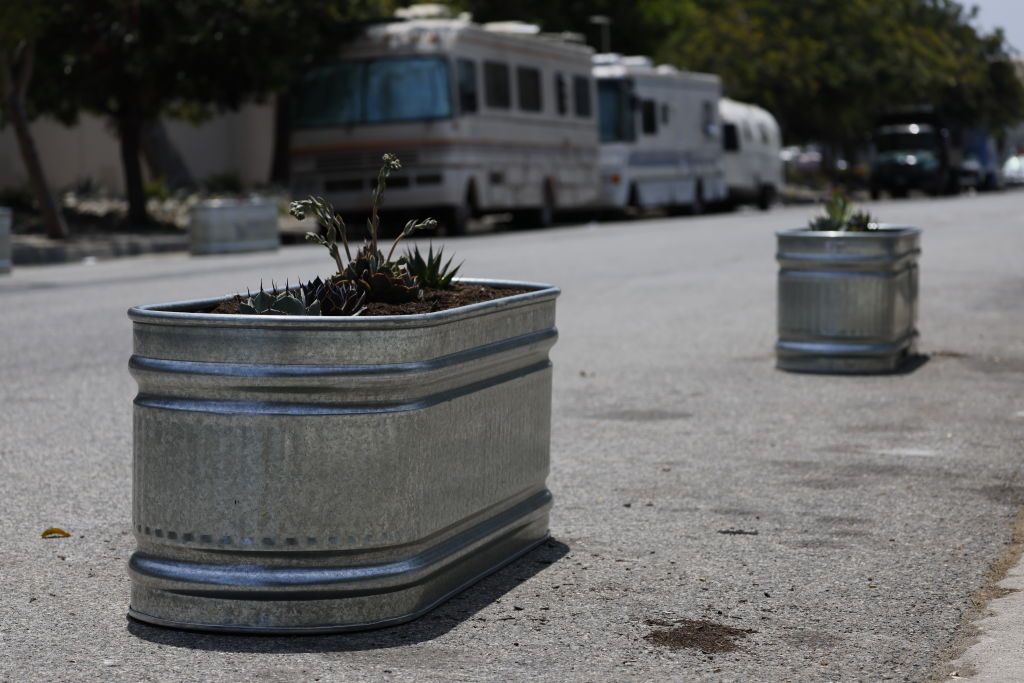
Recently, stray bullets from a drive-by shooting were fired into a home and came within just feet of a five-week-old infant sleeping in a bassinet. Residents had had enough. After months of complaints to the city council, the mayor’s office, and local police with no results, people took matters into their own hands and placed large steel planters filled with soil in the pathway of three residential side streets.
The violence and crime in the area have been an ongoing issue, which law enforcement and local occupants blame on the area’s longtime sex trade. Last summer, officials claimed they would close off two side streets after there had been another shooting, but nothing was done. An unsigned letter by the neighborhood-placed planters said residents were left “with no other option” but to block the roads themselves.
Not all locals agreed with the strategy, and some of the planters were removed or destroyed.
Are these barriers working to reduce crime? Peter Orr, a longtime resident, told Komo News, “I haven’t woken up to bullets in almost a week. It’s been great.”
The City Steps In – More Violence Follows
Mayor Katie Wilson, a progressive who has drawn criticism from her constituents, especially after recently saying the pride flag is more relatable to Americans than the US flag, called the situation “unacceptable” and vowed to help the residents. Last week, she directed the Emerald City’s transportation department to replace the planters with “temporary traffic calming measures,” while lawmakers decided on the best approach.
But the temporary barriers the city put in place don’t seem to be working as well. Two days after the city took that action, more gunfire erupted, and crime seemed to return to normal.
“What we need is bullet-stopping measures,” Orr said. “Creating a barrier situation where cars can still get in allows pimps back into our neighborhoods with their bullets.”
Two city council members are working on a bill that, if passed, would authorize the transportation director to close a street if the police chief recommends doing so, The Seattle Times reported. Councilmember Debora Juarez said residents could contact the police or district representative about closing certain streets due to violence. This “’mechanism’ would deter people from blocking streets without permission, which risks impeding police vehicles, ambulances and firetrucks en route to emergencies,” she told the outlet.
When residents begin hauling in steel barriers because they no longer feel safe in their own neighborhoods, it raises serious questions about the state of public safety in America’s cities. How long can officials ask people to simply be patient while gunfire, drugs, and violence continue outside their front doors?