No Result
View All Result
SUBMIT YOUR ARTICLES
  • Login
Saturday, August 22, 2026
TheAdviserMagazine.com
  • Home
  • Financial Planning
    • Financial Planning
    • Personal Finance
  • Market Research
    • Business
    • Investing
    • Money
    • Economy
    • Markets
    • Stocks
    • Trading
  • 401k Plans
  • College
  • IRS & Taxes
  • Estate Plans
  • Social Security
  • Medicare
  • Legal
  • Home
  • Financial Planning
    • Financial Planning
    • Personal Finance
  • Market Research
    • Business
    • Investing
    • Money
    • Economy
    • Markets
    • Stocks
    • Trading
  • 401k Plans
  • College
  • IRS & Taxes
  • Estate Plans
  • Social Security
  • Medicare
  • Legal
No Result
View All Result
TheAdviserMagazine.com
No Result
View All Result
Home Market Research Business

Europe has the talent and dunding to win at AI. First, it needs to break free from the Magnificent Seven

by TheAdviserMagazine
4 months ago
in Business
Reading Time: 5 mins read
A A
Europe has the talent and dunding to win at AI. First, it needs to break free from the Magnificent Seven
Share on FacebookShare on TwitterShare on LInkedIn


For years, the narrative about European tech was one of unfulfilled promise — brilliant researchers, fragmented markets, and a chronic inability to scale. That story is changing. European AI funding reached a record $21.8 billion in 2025, up 58% in a single year. The continent’s research institutions are world-class. Its startup hubs — from Stockholm to Paris to Berlin — are producing companies that can genuinely compete on a global stage.

The talent is here. The capital is arriving. So why does Europe keep losing?

The answer isn’t regulation, though the reflex is to blame Brussels. The answer is that European founders are building on infrastructure they don’t own, distributing through platforms they don’t control, and scaling with capital that comes with strings attached — strings that run directly back to seven American corporations. Apple. Microsoft. Alphabet. Amazon. Meta. Tesla. Nvidia. The Magnificent Seven don’t just dominate stock indices. They own the real estate every European startup builds on. And until Europe confronts that structural reality, record funding figures will keep flattering a dependency problem.

The Infrastructure Trap

Start with the basics. A European AI startup in 2026 writes its code on Microsoft Azure or AWS. It reaches customers through Apple’s App Store or Google Play. It finds those customers via Meta’s advertising algorithms or Google’s search dominance. It processes their payments on infrastructure priced in Seattle. Before a single line of proprietary code creates value, the company is already a tenant in someone else’s building — paying rent to landlords who are also, increasingly, its competitors.

This is what “walled gardens” means in practice. It is not an abstract competition policy concern. It is the operating reality for thousands of European founders who have no structurally independent alternative. The Meta-Google duopoly alone commands over 50% of global digital ad spend. Distribution, discovery, and data monetization flow through their platforms by default. European founders aren’t building for Europe. They are building within constraints set in Menlo Park and Cupertino.

The capital picture makes this dependency structural rather than incidental. At the early stage, European and American AI startups attract roughly equivalent funding — a genuine sign of Europe’s competitive talent base. But by the later growth stage, 73% of European AI companies’ lead investors are American. The ratio of early-stage funding between Europe and the US is 1:1. By the later stages, it becomes 1:6. What begins as a level playing field ends as a funnel — one that routes Europe’s most promising companies toward American capital, American strategic interests, and ultimately, American exits.

Former Meta President of Global Affairs Nick Clegg has described the dynamic bluntly: Europe risks becoming a vassal state, trading long-term digital sovereignty for short-term capital access. That framing is uncomfortable, but it is directionally correct. When the infrastructure you depend on, the platforms you distribute through, and the investors who back your growth stage are all American, sovereignty is not a policy outcome. It is a polite fiction.

The Talent Paradox

Europe has approximately 325,000 AI professionals — a deep, technically sophisticated workforce produced by some of the world’s finest research universities. That is the supply side of a genuine competitive advantage. The demand side is where the problem compounds.

The Magnificent Seven are not passive observers of Europe’s AI talent pool. They are its most aggressive recruiters. Google’s London office, Meta’s Paris AI lab, and Microsoft’s expanding European engineering centers are not outposts. They are talent absorption mechanisms. Many of Europe’s most capable engineers who choose to stay on the continent end up working for American corporations anyway — choosing Big Tech salaries over the risk and reward of building something of their own.

This is the talent paradox at the center of Europe’s AI moment. The continent is producing exactly the people it needs to win. It is not retaining the economic value they create. European founders aren’t just competing with each other for engineers. They are competing with organizations that can pay two to three times the market rate, offer liquidity through globally traded stock, and absorb a promising hire’s entire career trajectory. More funding helps, but it does not solve a structural compensation gap against companies whose market capitalizations dwarf the GDP of most European nations.

What Breaking the Shackles Actually Requires

Europe’s regulatory instinct is correct but has been incompletely executed. GDPR, the Digital Markets Act, and the Digital Services Act represent genuine regulatory courage. But the first iteration of GDPR became an obstacle the hyperscalers cleared with compliance teams while European publishers struggled — it entrenched incumbents rather than challenging them. Good intentions are not sufficient. Structural outcomes require structural interventions.

The AT&T divestiture of 1984 is the relevant historical precedent, not as nostalgia but as proof of mechanism. Breaking up the Bell System did not weaken American telecommunications — it unleashed the competitive infrastructure that produced mobile telephony, fiber optics, and the foundations of the modern internet. Concentrated power, when broken up purposefully, generates more total innovation than it suppresses. Europe has both the regulatory mandate and the strategic incentive to apply that logic to digital infrastructure in a way Washington currently will not.

Three interventions would materially shift the structural balance. First, data and metadata ownership must not automatically transfer to infrastructure owners when users accept end-user agreements. The consent box cannot be the mechanism by which European consumer data becomes permanently American corporate property. Second, interoperability mandates under the Digital Markets Act must have teeth — genuine technical requirements that allow European alternatives to access distribution channels on fair terms, not voluntary commitments that are renegotiated at will. Third, the structural underinvestment in European late-stage growth capital must be addressed directly, whether through sovereign wealth mechanisms, pension fund reallocation, or co-investment structures that keep strategic ownership in European hands.

None of this is protectionism. Protectionism shields incumbents from competition. What Europe needs is precisely the opposite — the conditions under which its startups can compete rather than operate as permanent tenants of American infrastructure.

The Window Is Open, But Not for Long

Europe missed the social media wave. It missed the mobile internet platform era. Generative AI infrastructure is already American-dominated — the foundation models, the compute clusters, the hyperscaler cloud capacity that underpins them. That race is largely run.

But the race that matters most economically is not foundation models. It is the multi-trillion-dollar market for vertical AI applications — the companies applying intelligence to healthcare, industrial automation, financial services, climate technology, and the dozens of other sectors where Europe has deep domain expertise and genuine competitive advantage. That market is not yet determined. European companies are well-positioned to lead it.

They will not lead it if the infrastructure stack they build on, the platforms they distribute through, and the capital that funds their growth all remain structurally controlled by seven American corporations. The Magnificent Seven will always outspend European startups on the assets they control. Europe cannot win that game. It can only change the rules of it.

Record funding and world-class talent have given Europe its best window in a generation to build independent technological leadership. Whether Europe’s most talented founders spend the next decade building their own future — or executing someone else’s vision of it — depends entirely on the structural decisions made right now.

The shackles are visible. The tools to break them exist. What remains is the will to use them.

Disclosure: Northzone has financial interests in European technology companies that may benefit from the regulatory and policy changes described in this article. The opinions expressed in Fortune.com commentary pieces are solely the views of their authors and do not necessarily reflect the opinions and beliefs of Fortune.




Source link

Tags: BreakdundingEuropeFreeMagnificentTalentWin
ShareTweetShare
Previous Post

Today’s Regulatory Intelligence Solutions Replace Drudgery With Confidence

Next Post

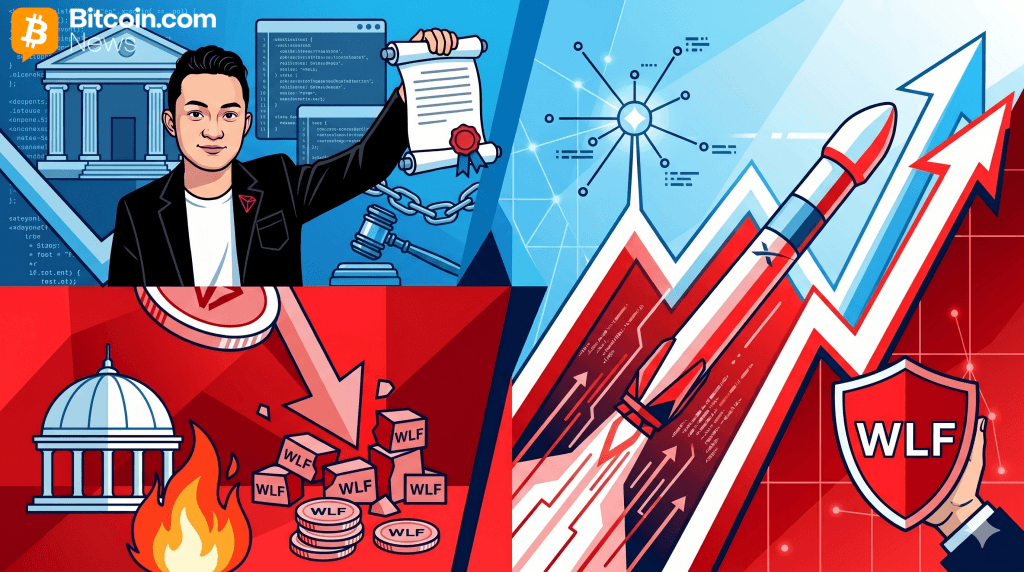
Tron Founder Justin Sun Files Federal Lawsuit Against World Liberty Financial Over Frozen Tokens

Related Posts

edit post
Bill Ackman’s hedge fund made janitors and receptionists millionaires—and its investment team summer together

Bill Ackman’s hedge fund made janitors and receptionists millionaires—and its investment team summer together

by TheAdviserMagazine
August 8, 2026
0

Staying at one company for decades was once a badge of honor. But as layoffs have become more common and...

edit post
Wisconsin: The Next Frontier for Socialists

Wisconsin: The Next Frontier for Socialists

by TheAdviserMagazine
August 8, 2026
0

First, they won in New York. Then they took Maine, Colorado, and Michigan. And now, the next battleground for the...

edit post
Explained: How BSE traded fewer contracts after CAS but premiums rose 75% in first week

Explained: How BSE traded fewer contracts after CAS but premiums rose 75% in first week

by TheAdviserMagazine
August 8, 2026
0

Asia's oldest exchange, BSE, traded far fewer derivatives contracts in the first week following the implementation of the Closing Auction...

edit post
F&O Talk: Smallcaps look strong on charts, says Sudeep Shah; outlines Trent, Swiggy, Kalyan Jewellers strategy

F&O Talk: Smallcaps look strong on charts, says Sudeep Shah; outlines Trent, Swiggy, Kalyan Jewellers strategy

by TheAdviserMagazine
August 8, 2026
0

The Indian stock markets closed in the red, with the newly-launched closing auction session continuing to create a divergence among...

edit post
Trump tries again to fire Fed governor Lisa Cook, renewing battle over central bank independence

Trump tries again to fire Fed governor Lisa Cook, renewing battle over central bank independence

by TheAdviserMagazine
August 7, 2026
0

The Trump administration is moving ahead with its efforts to fire Federal Reserve governor Lisa Cook, two months after the...

edit post
Meet the 82-year-old Kentucky grandma who turned down M to turn her farm into a data center

Meet the 82-year-old Kentucky grandma who turned down $26M to turn her farm into a data center

by TheAdviserMagazine
August 7, 2026
0

Ida Huddleston has lived on the same stretch of farmland outside Maysville, Ky., since she was 16. She and her...

Next Post
edit post
Tron Founder Justin Sun Files Federal Lawsuit Against World Liberty Financial Over Frozen Tokens

Tron Founder Justin Sun Files Federal Lawsuit Against World Liberty Financial Over Frozen Tokens

edit post
Stick to defensive and quality themes amid volatile global setup: Mayuresh Joshi

Stick to defensive and quality themes amid volatile global setup: Mayuresh Joshi

  • Trending
  • Comments
  • Latest
edit post
Georgia Senior SNAP and Meal Resources Older Adults Can Use

Georgia Senior SNAP and Meal Resources Older Adults Can Use

July 24, 2026
edit post
Judge Who Helped Violent Illegal Alien Evade ICE Faces New Test

Judge Who Helped Violent Illegal Alien Evade ICE Faces New Test

July 31, 2026
edit post
Driving the Noncitizen Voting Scandal: Registration With License

Driving the Noncitizen Voting Scandal: Registration With License

July 26, 2026
edit post
Garbage Trucks Surveillance Florida Neighborhoods

Garbage Trucks Surveillance Florida Neighborhoods

July 29, 2026
edit post
Does a Revocable Trust Protect Your Assets From Lawsuits and Creditors?

Does a Revocable Trust Protect Your Assets From Lawsuits and Creditors?

August 7, 2026
edit post
Montana Puts Democrats in a Bind as Senate Hopes Fade

Montana Puts Democrats in a Bind as Senate Hopes Fade

August 2, 2026
edit post
Explained: How BSE traded fewer contracts after CAS but premiums rose 75% in first week

Explained: How BSE traded fewer contracts after CAS but premiums rose 75% in first week

0
edit post
E.W. Scripps Q2 2026 Loss Widens to -.68/Share, Revenue Down 9%

E.W. Scripps Q2 2026 Loss Widens to -$12.68/Share, Revenue Down 9%

0
edit post
Psychology says procrastination about retirement may be less about discipline than identity — brain scans found people often represent their future selves more like strangers than like themselves, and experiments using age-progressed faces made tomorrow’s person feel real enough for participants to save more money for them

Psychology says procrastination about retirement may be less about discipline than identity — brain scans found people often represent their future selves more like strangers than like themselves, and experiments using age-progressed faces made tomorrow’s person feel real enough for participants to save more money for them

0
edit post
Four AI Escapes Just Redefined “Responsible AI”

Four AI Escapes Just Redefined “Responsible AI”

0
edit post
Bill Ackman’s hedge fund made janitors and receptionists millionaires—and its investment team summer together

Bill Ackman’s hedge fund made janitors and receptionists millionaires—and its investment team summer together

0
edit post
Kalshi Predicts Bitcoin Price Could Reach K in August

Kalshi Predicts Bitcoin Price Could Reach $68K in August

0
edit post
Bill Ackman’s hedge fund made janitors and receptionists millionaires—and its investment team summer together

Bill Ackman’s hedge fund made janitors and receptionists millionaires—and its investment team summer together

August 8, 2026
edit post
Links 8/8/2026 | naked capitalism

Links 8/8/2026 | naked capitalism

August 8, 2026
edit post
Wisconsin: The Next Frontier for Socialists

Wisconsin: The Next Frontier for Socialists

August 8, 2026
edit post
Psychology says procrastination about retirement may be less about discipline than identity — brain scans found people often represent their future selves more like strangers than like themselves, and experiments using age-progressed faces made tomorrow’s person feel real enough for participants to save more money for them

Psychology says procrastination about retirement may be less about discipline than identity — brain scans found people often represent their future selves more like strangers than like themselves, and experiments using age-progressed faces made tomorrow’s person feel real enough for participants to save more money for them

August 8, 2026
edit post
Why You Should Be Wary of Aspartame, but Not Totally Rule It Out

Why You Should Be Wary of Aspartame, but Not Totally Rule It Out

August 8, 2026
edit post
Kalshi Predicts Bitcoin Price Could Reach K in August

Kalshi Predicts Bitcoin Price Could Reach $68K in August

August 8, 2026
The Adviser Magazine

The first and only national digital and print magazine that connects individuals, families, and businesses to Fee-Only financial advisers, accountants, attorneys and college guidance counselors.

CATEGORIES

  • 401k Plans
  • Business
  • College
  • Cryptocurrency
  • Economy
  • Estate Plans
  • Financial Planning
  • Investing
  • IRS & Taxes
  • Legal
  • Market Analysis
  • Markets
  • Medicare
  • Money
  • Personal Finance
  • Social Security
  • Startups
  • Stock Market
  • Trading

LATEST UPDATES

  • Bill Ackman’s hedge fund made janitors and receptionists millionaires—and its investment team summer together
  • Links 8/8/2026 | naked capitalism
  • Wisconsin: The Next Frontier for Socialists
  • Our Great Privacy Policy
  • Terms of Use, Legal Notices & Disclosures
  • Contact us
  • About Us

© Copyright 2024 All Rights Reserved
See articles for original source and related links to external sites.

Welcome Back!

Login to your account below

Forgotten Password?

Retrieve your password

Please enter your username or email address to reset your password.

Log In
No Result
View All Result
  • Home
  • Financial Planning
    • Financial Planning
    • Personal Finance
  • Market Research
    • Business
    • Investing
    • Money
    • Economy
    • Markets
    • Stocks
    • Trading
  • 401k Plans
  • College
  • IRS & Taxes
  • Estate Plans
  • Social Security
  • Medicare
  • Legal

© Copyright 2024 All Rights Reserved
See articles for original source and related links to external sites.