SCOTUS strikes down tariffs in new ruling
Highlights
Supreme Court ruled IEEPA does not authorize presidential tariff imposition on imports.
Decision invalidates billions in tariffs, potentially unlocking $175 billion in refunds.
Ruling shifts trade policy toward congressional action, requiring new compliance strategies.
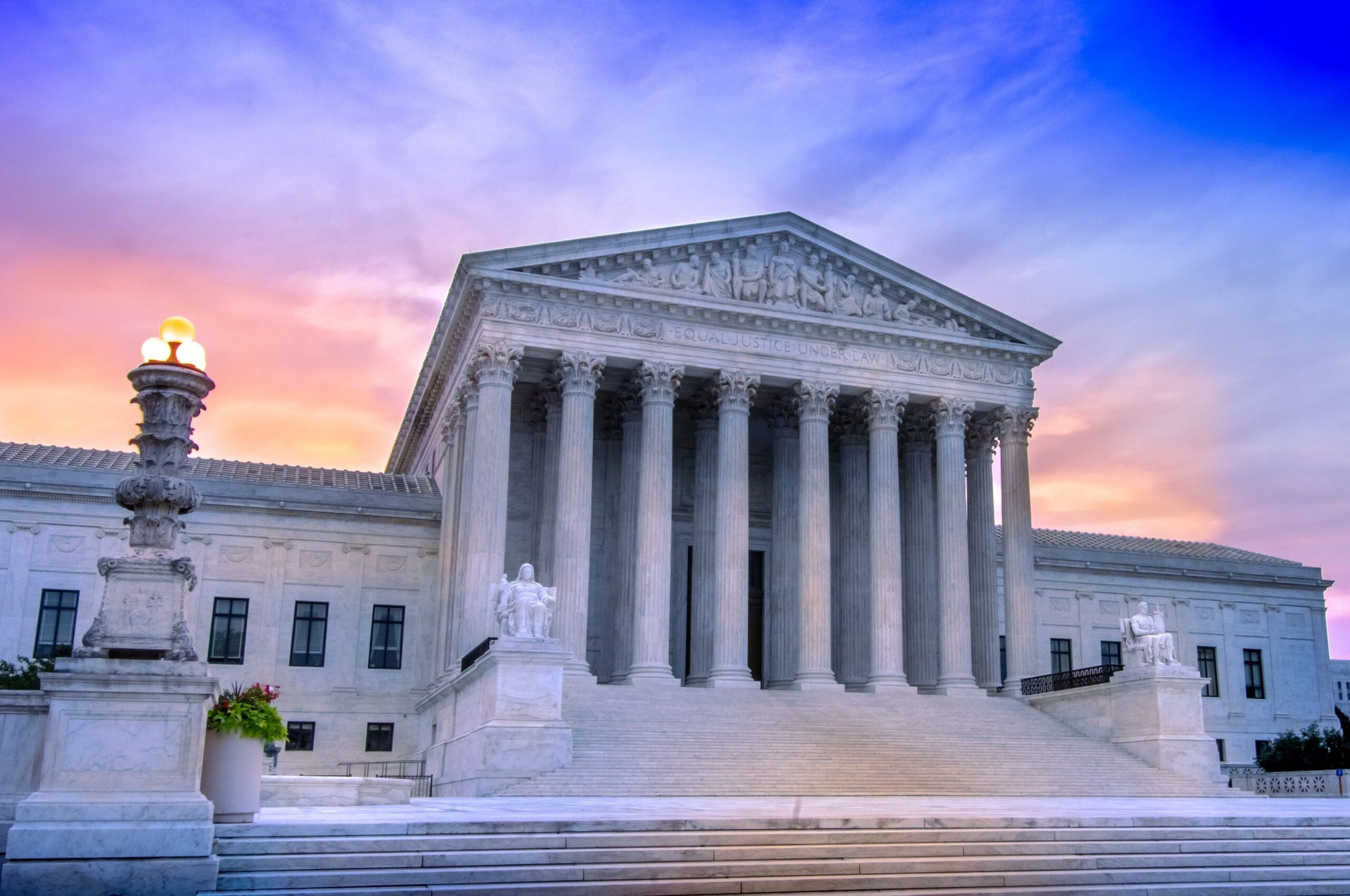
In a landmark decision that reshapes the landscape of executive trade power, the Supreme Court of the United States has ruled 6-3 in Learning Resources, Inc. v. Trump (Case No. 24-1287) that the International Emergency Economic Powers Act (IEEPA) does not authorize the President to impose tariffs on imported goods.
Notably, this sweeping ruling invalidates both categories of IEEPA-based tariffs: the targeted “fentanyl” tariffs applied specifically to imports from Canada, Mexico, and China, as well as the broader “reciprocal” tariffs that affected dozens of countries worldwide. The Court rejected any distinction between these tariff types, holding that IEEPA’s statutory framework lacks the clear congressional authorization required for any tariff imposition, regardless of the underlying policy rationale or geographic scope.
This ruling, delivered by Chief Justice Roberts, marks a significant check on executive authority and has immediate, massive financial implications for U.S. importers. By invoking the “Major Questions Doctrine,” the Court held that Congress must speak clearly if it wishes to assign to the Executive Branch decisions of such “vast economic and political significance.” The Court found that the statutory language empowering the President to “regulate… importation” does not constitute a clear authorization to impose new taxes or tariffs.
For corporate tax and trade compliance professionals, this is not just a legal headline — it is a trigger for one of the largest refund opportunities in history. The decision effectively invalidates billions of dollars in tariffs collected under IEEPA authority, potentially opening the door to an estimated $175 billion in refunds for affected businesses.
Jump to ↓
The legal reasoning behind the Supreme Court tariff ruling: A check on executive power
The $175 billion question: What this means for your bottom line
Turning disruption into opportunity with ONESOURCE
Automating the refund recovery process
Building agility for the future
The new era of trade compliance post-SCOTUS tariff ruling
The legal reasoning behind the Supreme Court tariff ruling: A check on executive power
The Court’s reasoning centers on the separation of powers and the specific statutory language of the IEEPA. While the Act grants the President broad powers to deal with “unusual and extraordinary threats,” the majority opinion clarified that this power is not limitless.
Chief Justice Roberts wrote that the power to tax — which includes the imposition of tariffs — is a distinct power constitutionally vested in Congress. The opinion emphasized that while the President may regulate the process or fact of importation (e.g., by banning goods or requiring licenses), the imposition of a tariff is a revenue-raising measure that requires explicit congressional authorization.
“The power to tax is not a tool of regulation to be inferred from ambiguous statutory text,” Roberts wrote. “It is a distinct sovereign power that Congress must delegate expressly.”
This application of the Major Questions Doctrine signals a continued judicial trend toward scrutinizing executive agency actions that have significant economic impact without clear congressional backing. For multinational corporations, this signals a potential shift in how future trade regulations may be implemented and challenged.
The $175 billion question: What this means for your bottom line
The immediate fallout of Learning Resources, Inc. v. Trump is financial. By striking down the legal basis for these tariffs, the Court has effectively turned paid duties into refundable overpayments. Industry estimates suggest that the total value of refunds could reach as high as $175 billion.
For many organizations, this represents a material impact on earnings and cash flow. However, realizing this value is not automatic. The path to recovery could involve a complex administrative process with U.S. Customs and Border Protection (CBP).
Corporate tax and trade departments must now consider the necessary steps needed to recover revenue within scope of the ruling. This involves:
Identifying eligible entries: Reviewing import data to identify goods subject specifically to the invalidated IEEPA tariffs.
Quantifying the claim: Accurately calculating the IEEPA duties paid, including interest where applicable.
Potentially filing protests and post-summary corrections: Navigating the specific procedural mechanisms required to preserve refund rights before statutory deadlines expire.
The sheer volume of data involved — often spanning tens of thousands of line items across multiple years — presents a significant operational challenge. Manual review of entry summaries is not feasible for large multinational importers. Speed is also a critical factor; while the ruling is retrospective, strict statutes of limitations may apply to refund claims, making immediate action essential.
It is important to note that there are still many unanswered questions. For example, how soon will importers be able to stop paying the IEEPA tariffs on their entry filings (e.g., today)? How will refunds be managed by the Court of International Trade (CIT) and CBP? Will there be automatic reliquidation on entries already liquidated?
Broader implications for trade policy and negotiations
The Court’s decision extends far beyond individual refund opportunities. This ruling will directly impact the Reciprocal Trade Agreements that the Administration has negotiated with 21 countries to date. All of these agreements, in varying stages of implementation, include IEEPA tariffs as key enforcement mechanisms. The removal of these tariffs from existing agreements could significantly impact the Administration’s leverage in ongoing negotiations and potentially undermine the ability to ensure that partner countries meet their commitments under these bilateral frameworks.
This shift signals a fundamental change in how the U.S. government may approach trade enforcement going forward. With IEEPA authority curtailed, the Administration will likely need to rely on alternative mechanisms such as Section 232 national security tariffs, Section 301 unfair trade practice measures, Section 122 balance-of-payments provisions, antidumping and countervailing duties, or pursue congressional legislation to implement tariff-based trade policies.
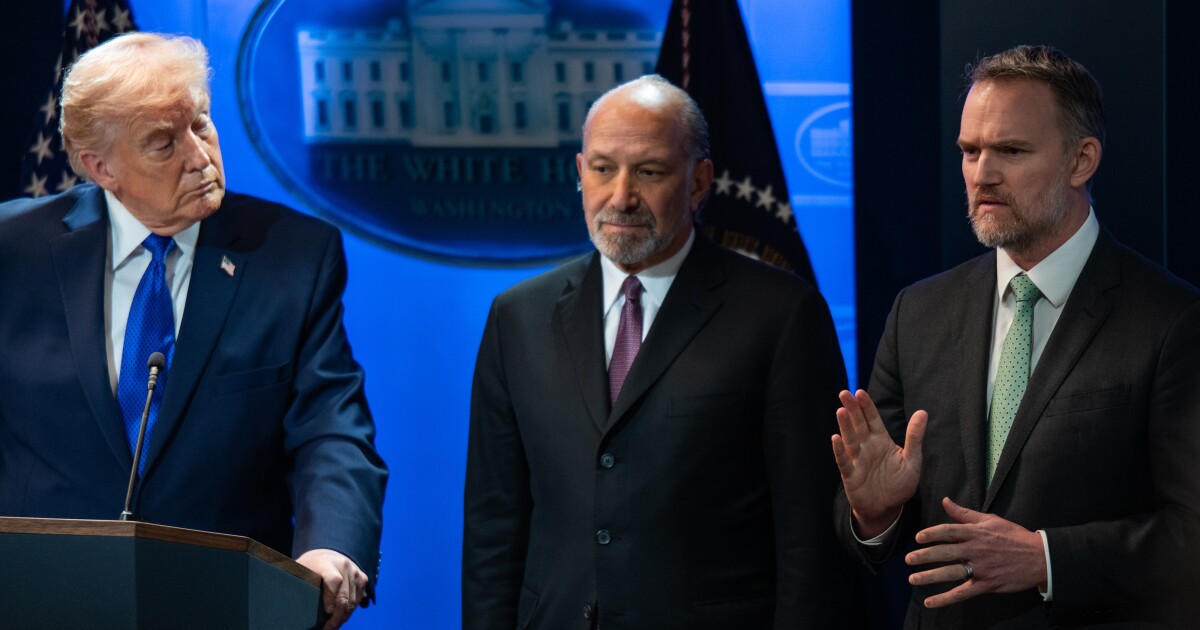
Indeed, the Administration has already signaled its intention to move ahead with these alternative authorities. In a press briefing following the Court’s decision, the President announced that the administration plans to proceed immediately with other remedies, specifically citing Section 232, Section 301, and Section 122 authorities. Most notably, the President announced that an executive order would be issued later that day implementing a global 10% tariff under Section 122 authority, with implementation expected within approximately three days.
This rapid transition demonstrates the Administration’s commitment to maintaining tariff-based trade enforcement despite the Court’s constitutional constraints on IEEPA authority. Numerous bills are currently pending in Congress to codify various tariff measures into statute, reflecting the legislative branch’s potential increased role in trade policy implementation.
Beyond the immediate refunds, this decision introduces a new layer of complexity to supply chain planning. If executive tariff power is curtailed, businesses may face a more stable but perhaps slower-moving trade policy environment driven by Congressional action rather than executive fiat. This shift requires a different kind of agility — one that monitors legislative risk as closely as executive orders.
Turning disruption into opportunity with ONESOURCE
In the wake of Learning Resources, Inc., the immediate priority for tax teams is clear: secure the refunds your organization is owed. However, the operational reality of filing claims for thousands of past transactions is daunting. This is where the difference between manual processes and cloud-native automation becomes stark.
To maximize recovery and minimize administrative burden, corporate tax and trade departments need technology that offers deep visibility and rapid execution. Thomson Reuters ONESOURCE Global Trade Management provides the essential infrastructure to handle this level of complexity.
Automating the refund recovery process
Manually reconciling years of customs entries against the specific tariff codes invalidated by the Court is a recipe for error and delay. ONESOURCE allows teams to:
Centralize import data: Instantly access and analyze historical entry data across all business units and geographies.
Automate classification reviews: Quickly identify which goods were subject to the IEEPA-based tariffs and calculate the exact refund potential.
Streamline claim filing: Generate the necessary documentation for protests and post-summary corrections with precision, reducing the risk of rejection by CBP.
Data from our customers shows that implementing ONESOURCE can reduce manual trade compliance processes by up to 95% and drive invoice error rates down to less than 1%. In the context of a $175 billion refund opportunity, this accuracy is not just a compliance metric — it is a direct driver of revenue recovery.
Building agility for the future
While today’s focus is on refunds, the broader lesson of this ruling is the need for agility. The trade landscape is volatile. Rules change — sometimes by executive order, sometimes by court ruling, and sometimes by legislation.
Organizations relying on static spreadsheets or disjointed systems are constantly reacting, often too late. Those leveraging ONESOURCE Indirect Tax Determination and Global Trade Management are positioned to pivot instantly. Whether it’s implementing a new tariff overnight or reversing one retroactively, ONESOURCE provides a single source of truth that updates in real-time.
With a proven 120% three-year ROI, investing in this level of tax agility ensures that your team is not just keeping up with the law, but turning regulatory disruption into a strategic advantage.
The new era of trade compliance post-SCOTUS tariff ruling
The Supreme Court’s decision in Learning Resources, Inc. v. Trump is a historic victory for the separation of powers and a massive financial win for U.S. importers. But it is also a reminder that in the world of global trade, the only constant is change.
As your organization navigates the refund process, look beyond the immediate windfall. Use this moment to evaluate your tax technology infrastructure. Are you ready to claim what is yours? And more importantly, are you ready for whatever comes next?
With Thomson Reuters ONESOURCE, you don’t have to navigate this shifting landscape alone. We provide the intelligence, technology, and expertise to help you move forward with confidence.