Joining your “professional association” has long been a standard for professionals. Doctors have the American Medical Association. Lawyers have the American Bar Association. Upon completing a profession’s educational and licensing requirements, membership associations are a typical next step on the journey of professional development. At least, until the internet and the rise of social media began to substantively change the behavior patterns of professionals to find everything from educational content to community online, leading to a broad-based decline in participation at many professional membership associations. Of which financial planning’s own leading membership organization – the Financial Planning Association (FPA) – has experienced its own challenges and waning membership in recent years.
In this guest post, financial advisor (and former Board of Directors member of both the FPA and the CFP Board) Dan Moisand discusses why membership associations are still as important as they ever were, and arguably even more so in the case of financial planning, where our recognized status as a profession is still developing in the eyes of the public, which can require a strong membership association to build credibility.
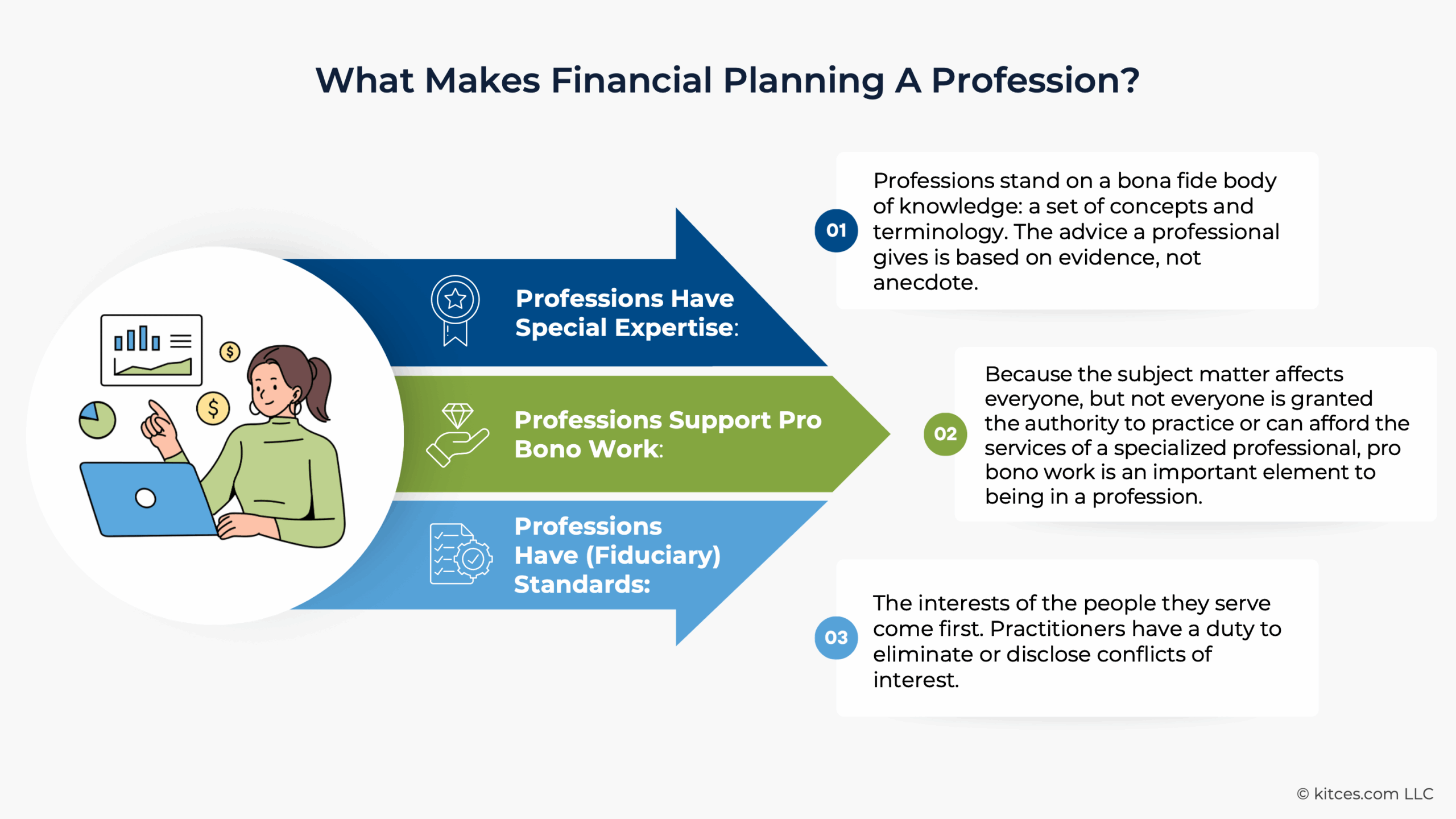
Notably, in recent years the CFP Board has done much to advance recognition of financial planning as a profession. It requires education on an increasingly comprehensive body of financial planning knowledge, administers a robust comprehensive exam, and has repeatedly lifted its code of ethics and standards of conduct to be increasingly fiduciary in its requirements to serve clients’ best interests at all times. While also supporting and better recognizing financial planners who take the time to engage in pro bono financial planning services for those who cannot afford the services.
Yet the reality is that CFP Board’s scope is limited, where organizations like the Financial Planning Association can have impact. While CFP Board may be helping to drive the profession, the FPA supports the professional in areas that CFP Board is not well suited, from Continuing Education (through new FPA’s Competency Model) to Practice Management (with FPA’s professionally-diverse community of advisors) to Advocacy (where FPA can uniquely advocate on behalf of professionals, even sometimes including against the CFP Board).
As Moisand ultimately notes, the FPA does still have work to do, to turn around a nearly 20-year steady decline in membership, and the organization is still in the midst of trying to revamp everything from its MediaSource tools (for consumer media leads) to PlannerSearch (for consumers seeking a financial planner) to its series of four national conferences. Still, while other specialized membership organizations are growing, the unique benefits from advocacy to community amongst a diverse group of business models arguably means those who wish to see the profession advance as a whole should consider belonging to their more specialized membership groups and the FPA.
Read More…