Access DX Laboratory has agreed a $36.4 million federal settlement as the Justice Department coordinates False Claims Act enforcement, criminal proceedings and corporate compliance measures against alleged healthcare fraud.
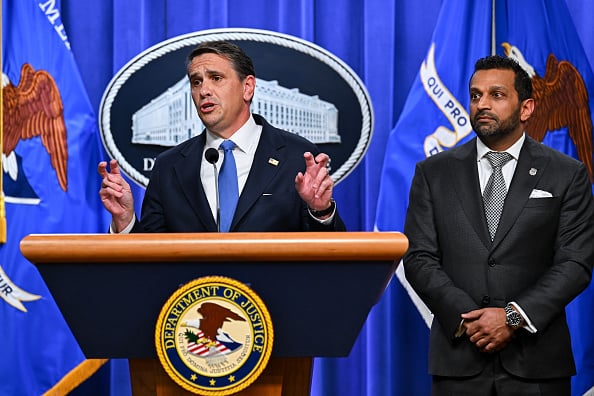
The Justice Department announced the settlement on 30 July 2026, after the Administration created the Task Force to Eliminate Fraud and the National Fraud Enforcement Division earlier in the year.
Access DX, former chief executive Michael Stewart and Florida businessman Harold Shatz will pay a combined $36.4 million to resolve allegations that they paid kickbacks to marketers for patient referrals, used unbundled genetic-testing billing codes, paid telemedicine providers for false or fraudulent doctors’ orders and caused claims to be submitted for medically unnecessary testing. The alleged conduct occurred between January 2018 and January 2020 and involved claims submitted to Medicare and Medicaid.
The Justice Department’s Civil Division, Commercial Litigation Branch, Fraud Section and the U.S. Attorney’s Office for the Northern District of Georgia coordinated the resolution with assistance from the Department of Health and Human Services Office of Inspector General. Access DX also entered a five-year Corporate Integrity Agreement with HHS-OIG requiring auditing and accountability measures, a compliance programme, training and education, and review of arrangements with referral sources.
The settlement is linked to two criminal proceedings in the U.S. District Court for the Southern District of Texas. On 24 June, Stewart agreed to plead guilty in United States v. Stewart to conspiracy to defraud the United States and to pay and receive healthcare kickbacks under 18 U.S.C. § 371. Shatz agreed on 15 October 2025 to plead guilty to the same offence in United States v. Shatz. Both men entered civil False Claims Act settlements when they entered their pleas.
The civil claims arose from U.S. ex rel. Green v. Access DX Lab LLC in the U.S. District Court for the Northern District of Georgia. Douglas Green, president of a Massachusetts marketing company engaged to market genetic testing to Medicare and Medicaid beneficiaries, brought the action under the False Claims Act’s qui tam provisions. The settlements provide for Green to receive $7.2 million from the recovery.
The Access DX settlement puts referral payments, telemedicine orders, billing-code use and evidence of medical necessity under renewed scrutiny. In-house counsel at laboratories and healthcare marketing businesses should ensure that contracts, clinical orders and supporting records can withstand review before claims are submitted to Medicare or Medicaid.
Under its Corporate Integrity Agreement with HHS-OIG, the company must meet enhanced compliance, training and audit requirements for five years. The Justice Department said the civil claims remain allegations, except for conduct admitted by Michael Stewart and Harold Shatz in their plea agreements. For healthcare providers, the settlement reinforces the need to review referral arrangements, billing practices and order-verification controls.