

There is something that does not add up. If the objective is peace, then why was one of the most contentious parts of the negotiations the demand that hostilities in Lebanon also come to an end? Reports indicate that the U.S.-Iran framework includes de-escalation in Lebanon. Yet almost immediately Israeli officials declared they would not withdraw from southern Lebanon and would continue to reserve the right to act independently. Defense Minister Israel Katz stated plainly Israel would remain in Lebanon, Syria, and Gaza regardless of the agreement.
This is where the entire story begins to unravel. Trump has been publicly insisting that Netanyahu will have to accept whatever agreement Washington negotiates, reportedly saying: “I call all the shots. He doesn’t call the shots.” At the very same time, reports emerged that Trump was furious over Israeli actions in Beirut that nearly derailed the negotiations altogether. According to multiple reports, strikes in Lebanon came dangerously close to collapsing the entire framework before it was finalized.
The issue is not Iran. The issue is that Netanyahu appears to have viewed this conflict very differently from Washington. Reports suggest that Netanyahu hoped military pressure would fundamentally weaken Iran’s position throughout the region and perhaps even contribute to regime change. A negotiated settlement that leaves Iran standing, releases frozen assets, reopens the Strait of Hormuz, and begins another round of diplomacy was never the outcome many hardliners were seeking. That is why Israeli officials immediately began attacking the agreement while insisting they would maintain military freedom of action in Lebanon.
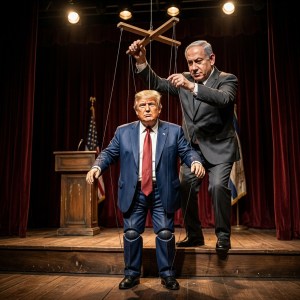
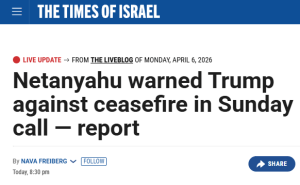
The uncomfortable reality in Washington is that every politician knows exactly how powerful the pro-Israel lobbying network has become. AIPAC has spent decades directing enormous sums into congressional races. Politicians on both sides of the aisle understand the consequences of crossing that machine. Whether one supports Israel or not, pretending this influence does not exist is absurd. Entire careers have been built and destroyed based upon foreign policy positions relating to Israel. The result is that American politicians often place the interests of foreign conflicts ahead of the interests of American taxpayers who will ultimately pay the bill. The growing divide between Trump and Netanyahu demonstrates that even within traditionally pro-Israel circles, there are limits to how much foreign policy can be subordinated to another nation’s strategic objectives.
The Economic Confidence Model and the war cycle never suggested that 2026 would bring peace. Quite the opposite. This is a Panic Cycle year. The international war cycle turns up into 2027, with 2028 bringing economic stress and civil unrest before the major geopolitical turning point into 2029. People keep searching for a treaty that ends the crisis. That is not how these cycles work. The danger comes when political leaders become prisoners of their own narratives. Netanyahu has spent years presenting Iran as the defining threat of our time. Leaders who build their careers on war rarely become the architects of peace. That is why I remain skeptical. The greatest threat to this agreement may not come from Tehran. It may come from those who never wanted a negotiated settlement in the first place.








-1024x683.jpg "Judge Who Helped Violent Illegal Alien Evade ICE Faces New Test")



-1024x683.jpg "Montana Puts Democrats in a Bind as Senate Hopes Fade")










