Over the weekend, Iran and Israel launched direct strikes on each other for the first time since all parties agreed to a ceasefire back in early April.
It began with an Israeli strike on Beirut after a US-brokered ceasefire between Israel and the government of Lebanon was rejected by Hezbollah—the actual combatant that is fighting Israeli forces. Iran responded as they warned they would, with a wave of ballistic missiles aimed at targets in Israel. The Israeli government claimed all those missiles were intercepted—though videos posted to social media appear to show at least some getting through.
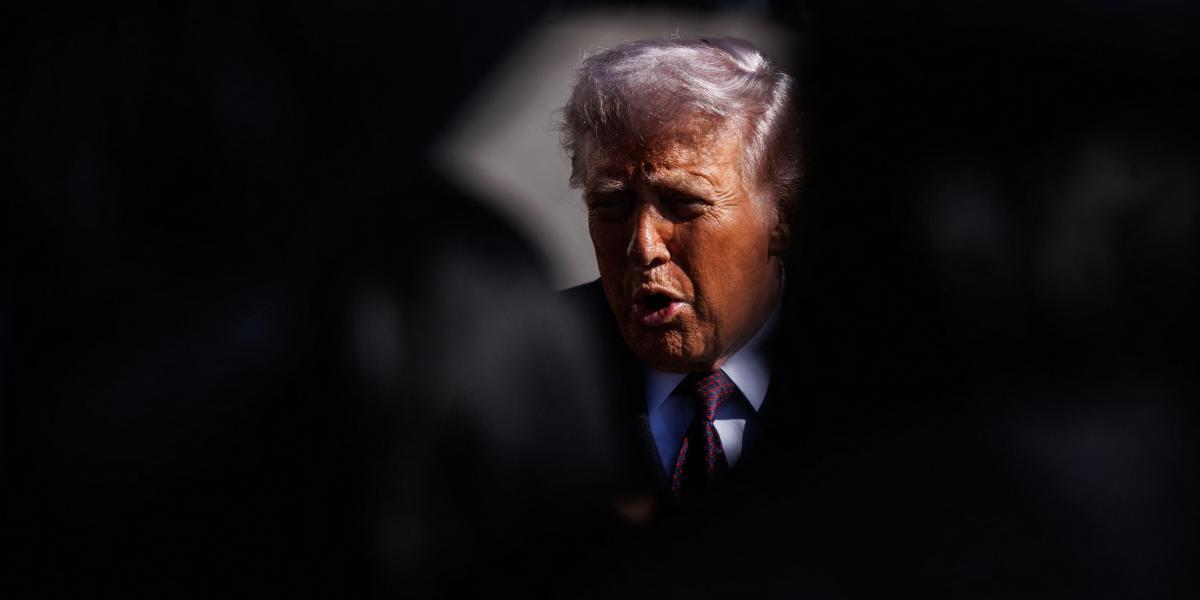
After the attack, Trump reached out to reporters and claimed he was going to call Israeli PM Netanyahu and tell him not to attack Iran in response. The president told a Financial Times reporter that he, not Netanyahu, was calling the shots.
However, a few hours later, Israeli forces did exactly what Trump had publicly demanded they not do and launched airstrikes on targets across Iran. Afterward, Trump called on both sides to “stop shooting” and, at the time of writing, it appears that both have for the moment.
But the situation remains just as fragile as it had been before the exchange.
One of the main sticking points holding back Trump’s attempt to reach a lasting peace deal continues to be the fighting in Lebanon. Days after US and Israeli strikes killed Iran’s supreme leader, the militant group Hezbollah began launching rockets into Israel, presumably to help exhaust interceptor stocks and to take some heat off their allies in Iran.
In response, Israel launched a ground invasion of southern Lebanon. The Israeli government ordered the evacuation of all territory up to the Litani River. Israel’s defense minister claimed none of the 600,000 residents would be allowed to return to their homes until Israel felt that its security was guaranteed (meaning when Hezbollah was no more).
Eventually, as US and Israeli interceptor stockpiles dwindled and the global economic consequences of the war became more acute, Trump backed down from his original demand of an “absolute surrender” and pursued a ceasefire with Iran.
However, despite all the tactical successes of US and Israeli forces, on the strategic level, time was more on Iran’s side. US and Israeli missile defenses were running dangerously low. And Iran had made it clear to everyone that they are the dominant power controlling the Strait of Hormuz and that it was rather straightforward for them to use that power to cause worldwide economic pain—something that gave them, arguably, even more leverage over their opponents than they had before Trump launched the war.
What appears to have convinced the Iranians to agree to a ceasefire despite a position that was getting stronger with time was both an assurance from Trump that the fighting would also stop between Israel and Hezbollah in Lebanon and some signaling that the US was willing to unfreeze Iranian assets or deliver some form of financial compensation to the Iranian regime.
Trump may have succeeded in convincing the Iranians of both, but that was the easy part. If he is genuine about wanting to reach a deal, he faces several difficulties that make a lasting peace agreement highly unlikely in the near future.
For starters, Lebanon, being a key part of not only a potential future deal but of the ceasefire itself, has kicked off what is, in effect, a game of chicken between Israel and Iran. The Israelis seem to want either for the war to restart and continue until the Iranian regime collapses or, at least, for Iran to abandon Hezbollah. And the Iranians appear to want the US to step in and restrain the Israelis.
Towards those ends, Israel has continued to launch attacks in southern Lebanon. In fact, they have recently pushed north of the Litani River and occupied territory beyond the already massive “temporary” buffer zone they announced back in the spring. And Iran has launched strikes across the region in response to signal their continued support for Hezbollah and their willingness to return to a full-on war if Trump doesn’t keep the Israelis in line. As the Iranians probably intended, the current setup highlights and amplifies the differences between Trump and Netanyahu’s aims.
The regime currently in power in Tel Aviv has invested a lot of time, energy, and money in the last few decades into steering US military power towards Israel’s regional rivals. The American warfare state, which is always in need of new enemies to justify its existence, has been happy to oblige on a number of occasions.
However, although the Israeli government and its official and unofficial lobbying entities in Washington are among the most effective interest groups active in modern DC, they are not the only ones. Sometimes things don’t go the way Tel Aviv wants, such as when Obama reached a nuclear deal in 2015 with Iran, Israel’s biggest regional rival at the moment.
But then came Donald Trump. Pro-Israel groups poured millions of dollars into his campaign and, after winning back in 2016, he governed as a bombastically pro-Israel president—withdrawing from the JCPOA and pivoting to a “maximum pressure” posture against Iran that moved the region closer to war. However, despite some direct engagements, a full-on US war on Iran did not break out.
But when Trump returned for his second term last year, the situation was more urgent from the Israeli perspective since support for Israel among the American public was collapsing after the IDF’s brutal response to the Hamas attack on October 7.
Being pro-Israel is already nearly disqualifying for Democratic candidates. And support among (especially young) right-wingers is also falling quickly. The prospect of the next president being anybody even close to as pro-Israel as Trump was clearly growing dimmer, which may have been why Netanyahu made such a push for Trump to launch a war on Iran now.
Israeli war hawks and their ideological allies here in the US are clearly not pleased that Trump has been unwilling to go all the way and wage war until the Iranian regime collapses. Many are still agitating for Trump to stop trying to make a deal and do just that. But Trump does appear to have been rattled by the economic consequences of the Strait of Hormuz being closed. And understandably so.
Gas prices have jumped up to the Biden-year levels he campaigned against, with oil prices likely to rise a lot higher soon as the market’s temporary shock-absorbers are exhausted. Also, food prices are likely to follow as the war-induced fertilizer shortage during the spring planting season carries over into a food shortage and a new parasite threatens the country’s beef supply. A lot of future economic pain has already been locked in, and the Strait remains closed.
However, if Trump prioritizes the country’s economic well-being and abandons this war, he risks running afoul of the pro-Israel donors, lobbyists, and commentators that have so far been some of his most enthusiastic and financially-generous supporters. And that is especially true if he follows through and agrees to unfreeze some or all of the $12 billion in frozen Iranian assets that Tehran has demanded as a prerequisite for ending the war and opening the Strait. That would be a political disaster for Trump after he spent years decrying Obama for sending “pallets of cash” containing less than $2 billion in unfrozen Iranian assets to Tehran as part of the JCPOA.
It is hard to see how Trump could possibly reach some lasting peace agreement in the near future that all sides will abide by. Just about anything the Iranians are willing to agree to will be a political disaster domestically, but so is any prolonged closure of the Strait if Trump can’t deliver something the Iranians will accept. And everything that even appears like a step towards ending the war rather than restarting it will probably be resisted, if not sabotaged, by the Israelis—barring some major escalation against Hezbollah that Iran would never agree to or allow.
Trump is in a genuinely difficult position. But it’s important to remember that it’s entirely his fault.
None of these challenges are surprising or even unexpected. The danger of a closed Strait and the escalatory nature of the conflict were all things skeptics and restrainers have been citing as a reason to avoid a war with Iran for decades. Trump dismissed those concerns and charged ahead under the delusional assumption that it would all work out. He deserves no sympathy.
But he’s also not the only one who deserves blame. Many people over many years have worked hard to push the US towards a war with Iran. The Israel lobby was instrumental, of course, but they were not the only ones. The weapons industry, other Gulf countries, hawkish think tanks, the intelligence agencies, the establishment press, and, really, the entire political establishment were instrumental in kicking off and escalating the interventionist project that marched the country up to the brink of war with Iran.
Now, as it’s becoming harder and harder to pass this war off as anything other than a disaster, several hawkish figures such as Robert Kagan and Max Boot have tried to distance themselves from a conflict they helped prepare the political, ideological, and institutional ground for. Their criticisms are often sound. But the attacks are always focused on Trump and Trump alone. And deliberately so.
As things get worse, the political establishment will want the public to think of this episode as an out-of-the-blue, madman-led diversion from what had been decades of sound foreign policy. But that isn’t true. The political class has spent decades propagandizing the public into thinking of the US military as a global police force that had, not just the ability, but the duty to intervene anywhere in the world to liberate the oppressed and overthrow tyrants.
The tragedy of this war is not that Trump abandoned America’s foreign-policy consensus, it is that he followed it all the way to its logical conclusion.