
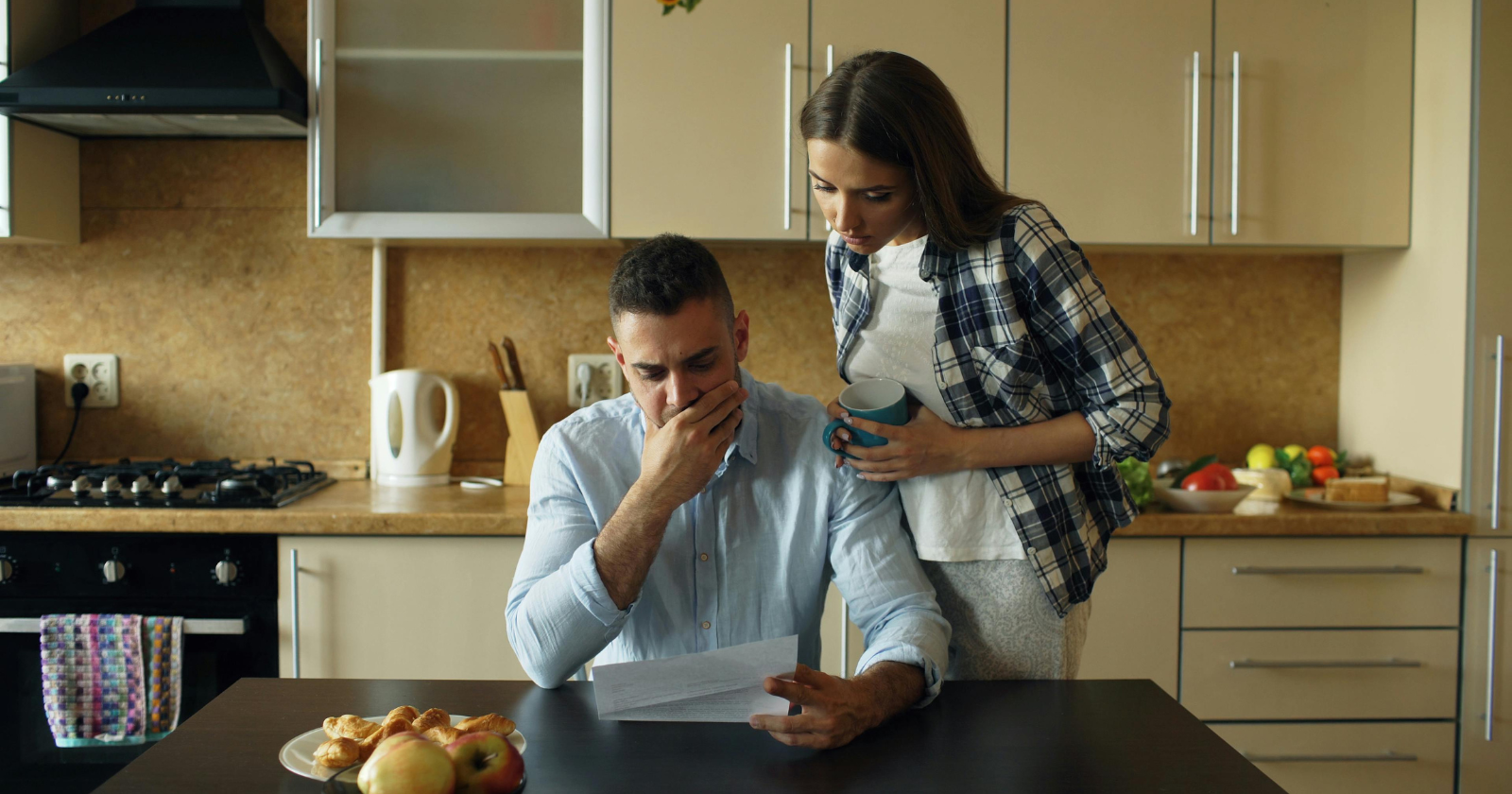
I recently found myself spending my Saturday afternoon measuring the guest bedroom for the third time, convinced that if I could just find the perfect shelving unit, everything would somehow fall into place. My phone buzzed with reminders: Sunday brunch reservation, Monday’s meal prep list, Thursday’s dentist appointment scheduled six months ago. As I stood there with my tape measure, I had a moment of clarity. This wasn’t productivity. This was something else entirely.
Growing up in a working-class family outside Manchester, I watched my parents transform from people who lived paycheck to paycheck into homeowners who spent every weekend at DIY stores. They’d made it to the middle class, but they never stopped running.
Now, decades later, I see the same pattern in myself and everyone around me.
The illusion of progress through perpetual motion
We’ve convinced ourselves that being constantly scheduled means we’re moving forward. But are we?
I think about my own weekends. There’s always a project, always an improvement, always something that needs optimizing. The garage that needs organizing. The investment account that needs rebalancing. We treat our lives like small corporations that need constant management.
What strikes me most is how we frame this exhaustion as success. We share our packed calendars like war stories, comparing who has less free time, who’s juggling more commitments. But underneath the bravado, there’s something else. A quiet desperation that if we stop moving, stop planning, stop improving, we might slide backward.
When security becomes an obsession
I remember the exact moment I became obsessed with financial planning. It was watching factories close in my hometown, seeing solid middle-class families suddenly scrambling. That fear lodged itself deep, and now, decades later, I find myself constantly running scenarios, checking balances, adjusting projections.
This isn’t unique to me. Look at how middle-class families approach homeownership. It’s not just about having a place to live anymore. It’s about equity building, property values, school districts, future resale potential. Every decision carries the weight of protecting against an uncertain future.
The home improvement obsession makes sense through this lens. Each renovation isn’t just about making life better now. It’s about maintaining value, staying competitive in the housing market, protecting the asset. We’re not just homeowners; we’re amateur real estate investors managing our primary hedge against financial disaster.
And children? They’ve become projects too. Every activity, every lesson, every carefully curated experience is an investment in their future competitiveness. They get scheduled within an inch of their lives, not because we believe it makes them happy, but because we’re terrified of them falling behind.
The precarity we can’t forget
Here’s what I’ve come to understand: the middle class isn’t defined by what we have, but by what we’re afraid of losing.
Most of us are one or two generations removed from real financial instability. Our parents or grandparents knew what it meant to genuinely struggle. They passed down their stories, their fears, their survival mechanisms. We inherited not just their modest wealth but their deep-seated anxiety about losing it.
It’s not all roses in reality either, though. As Alissa Quart, journalist and author, classes some of the middle class as “the middle precariat”. She notes that , “middle-class life is now 30% more expensive than it was 20 years ago. The Middle Precariat’s jobs are also increasingly contingent – meaning they are composed of short-term contract or shift work, as well as unpaid overtime.”
This reality feeds our anxiety. We know how quickly things can change. We’ve seen it happen to others, maybe even to ourselves during economic downturns. So we plan, we schedule, we optimize. We treat stability like something that requires constant maintenance rather than something we can simply enjoy.
The cruel irony is that all this planning and scheduling doesn’t actually make us more secure. It just makes us more tired. We’re so busy maintaining our position that we never actually enjoy it. We’re so focused on not falling that we forget to stand still.
Breaking the cycle
I’ve been trying something different lately. Instead of filling every weekend with projects and plans, I’ve been practicing something radical: doing nothing.
Not meditation, not mindfulness, just genuinely unscheduled time. It’s harder than it sounds. The anxiety creeps in almost immediately. Shouldn’t I be doing something productive? Isn’t there something that needs fixing, planning, optimizing?
But here’s what I’ve discovered: the world doesn’t fall apart when I stop managing every minute. The house doesn’t lose value because I didn’t reorganize the basement this weekend. My future doesn’t become less secure because I spent an afternoon reading instead of researching investment strategies.
What would happen if we stopped treating our lives like small businesses that need constant optimization? What if we accepted that we’ve already made it to a place of relative security and actually allowed ourselves to feel secure?
The middle-class habits we’ve developed aren’t serving us. They’re exhausting us. The overscheduled weekends aren’t making us more successful; they’re making us more anxious. The constant planning isn’t creating security; it’s preventing us from enjoying the security we already have.
Finding actual ambition
True ambition isn’t about maintaining an exhausting schedule or constantly improving our surroundings. It’s about having the courage to stop running and ask ourselves what we actually want.
When I look at genuinely successful people, they’re not the ones with the most packed schedules or the most home improvement projects. They’re the ones who’ve figured out what actually matters to them and have the confidence to ignore everything else.
Maybe the most ambitious thing we can do is reject the middle-class script of perpetual busyness. Maybe real success looks like a Saturday with nothing planned, a home that’s good enough, a future that we trust will work out even if we stop obsessively planning for it.
The anxiety that drives our middle-class habits is understandable. We remember, either personally or generationally, what it’s like to have less. But at some point, we need to recognize that we’re not actually in danger anymore. We’re just afraid.
And that fear is costing us more than any financial setback ever could. It’s costing us our peace, our presence, our ability to actually enjoy the security we’ve worked so hard to achieve.
The next time you find yourself measuring a room for the third time or scheduling activities months in advance, ask yourself: Is this ambition, or is this anxiety? Are you building something, or are you running from something?
The answer might surprise you. And recognizing it might be the first step toward a different kind of middle-class life – one defined not by constant motion, but by the radical act of standing still.









-1024x683.jpg "Judge Who Helped Violent Illegal Alien Evade ICE Faces New Test")
-1024x683.jpg "Montana Puts Democrats in a Bind as Senate Hopes Fade")


-1024x683.jpg "The Key Battles for Senate Control Are Set")









