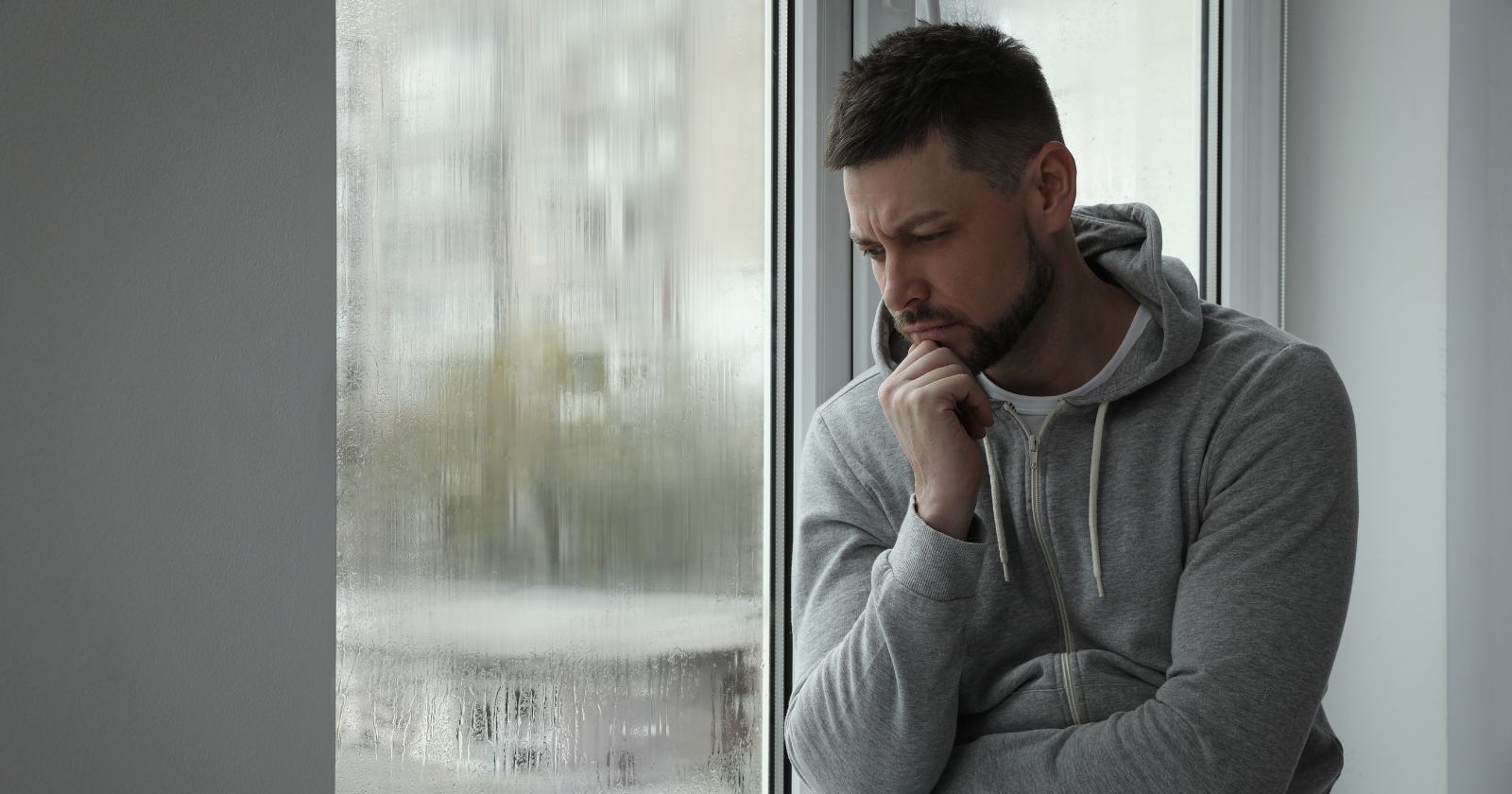
The confession? At 37, I still flinch when someone reaches out to hug me. Not because I don’t want the connection, but because my nervous system literally doesn’t know what to do with it.
Growing up in Melbourne with Justin and Brendan, our house ran on practicality and logic. Family dinners were debates about politics and ideas, not expressions of warmth. A pat on the back for good grades? That was about as affectionate as it got. We weren’t unhappy, just… disconnected in that physical, emotional way that makes people human.
For years, I thought I’d escaped unscathed. Got my psychology degree from Deakin University, built a career, even wrote about mindfulness and connection. But here’s the kicker: intellectual understanding and emotional capacity are two completely different beasts.
When I met my Vietnamese wife in Vietnam, everything shifted. She came from a culture where affection flows as naturally as breathing. Her family hugged, touched shoulders while talking, held hands. And there I was, standing rigid like someone had pressed pause on my emotional responses.
Now, with a baby daughter who reaches for me constantly, wanting cuddles and comfort, I’m learning what I should have learned thirty years ago. Some days, receiving her pure, uncomplicated love feels like trying to catch water with closed fists.
The invisible wall we don’t know we’ve built
You know that feeling when someone compliments you and you immediately deflect or make a joke? That’s the wall. It’s not made of anger or resentment. It’s made of unfamiliarity.
When affection wasn’t part of your emotional vocabulary growing up, your brain literally doesn’t develop the neural pathways to process it smoothly. It’s like someone speaking to you in a language you never learned. You might pick up a few words here and there, but fluency? That’s a whole different story.
I spent years studying Buddhism and mindfulness, thinking I was working on presence and awareness. What I was really doing was intellectualizing emotions rather than feeling them. There’s a massive difference between understanding that humans need connection and actually allowing yourself to receive it.
The wall isn’t just emotional, either. It’s physical. The way your body tenses when someone gets too close. The automatic step back when a conversation gets too intimate. The subtle art of keeping everyone at arm’s length while appearing completely open.
Why receiving feels harder than giving
Here’s something I discovered while researching for my book “Hidden Secrets of Buddhism: How To Live With Maximum Impact and Minimum Ego”: giving affection feels safer than receiving it.
When you’re the one giving, you’re in control. You decide the intensity, the duration, the meaning. But receiving? That requires vulnerability. It requires admitting you need something from another person. And when you’ve spent decades being self-sufficient to a fault, that admission feels like weakness.
Think about it. How many times have you said “I’m fine” when you weren’t? How often do you solve problems alone that would be easier with help? That’s the legacy of growing up without affection. You become so good at not needing it that when it’s offered, it feels foreign, almost threatening.
The hardest part is that people who love you now can sense this resistance. My wife used to ask if she’d done something wrong when I’d unconsciously pull away from a spontaneous hug. How do you explain that it’s not about them at all? That you’re fighting against decades of programming that says affection is unnecessary, maybe even unsafe?
The body keeps the score (even at 37)
Your body remembers everything, even when your conscious mind has moved on. That’s what makes receiving affection so physically uncomfortable for those of us who grew up without it.
When someone touches you affectionately, your nervous system doesn’t know whether to categorize it as safe or threatening. So it does both, leaving you in this weird liminal space of wanting connection but feeling overwhelmed by it.
I notice it most with my daughter. When she falls asleep on my chest, there’s this initial moment of panic. Not because I don’t love her, but because the weight of that trust and vulnerability is something my body never learned to hold comfortably. The sensation is both beautiful and terrifying.
Running has helped me understand this better. There’s something about the rhythm and repetition that mirrors what affection does for others. It regulates, it soothes, it connects you to your body in a way that feels safe because you’re in complete control.
But real affection isn’t about control. It’s about surrender. And that’s precisely what makes it so difficult to receive when you’ve never learned how.
Learning the language of love at 37
So how do you learn to receive affection when you’re already supposed to know how? Start small. Ridiculously small.
I began by not immediately pulling away when my wife touched my arm during conversation. Just staying present with that simple contact for an extra second. Then two seconds. Building tolerance like you’d build muscle.
Buddhist practice teaches us about beginner’s mind, approaching experiences as if for the first time. That’s exactly what receiving affection requires when you’re learning it late. You have to let go of the shame of not knowing and embrace the awkwardness of learning.
Some days, I literally have to tell myself “This is safe. This is love. You can handle this.” It sounds ridiculous, but that conscious override is sometimes the only way to quiet the automatic resistance.
My wife has become my teacher in this, though she didn’t sign up for that role. She’s learned to announce hugs sometimes, to move slowly, to not take it personally when I need a moment to adjust. That’s love too, that patience with someone’s struggles to receive what you’re trying to give.
The unexpected gift of starting late
Would I prefer to have grown up in a more affectionate household? Of course. But starting this journey at 37 has its own strange advantages.
When you learn to receive affection as an adult, you don’t take it for granted. Every hug my daughter gives me is a small miracle. Every spontaneous kiss from my wife is noted, appreciated, felt in a way that might not be true if affection had always been abundant.
There’s also a clarity that comes from conscious learning. I understand the mechanics of connection now, both intellectual and emotional. I can see where I struggle and why. That awareness, born from my psychology background and years of mindfulness practice, makes the journey less mysterious, even if it doesn’t make it easier.
Conclusion
The hardest part isn’t the childhood we missed. It’s not even the awkwardness of learning now. The hardest part is forgiving ourselves for struggling with something that seems to come so naturally to others.
But here’s what I’ve learned: it’s never too late to rewire your nervous system for love. It’s never too late to learn the language of affection, even if you’re speaking it with an accent for the rest of your life.
Some days, I still flinch. Some days, the walls go back up without my permission. But more and more, I’m learning to stay open, to receive what’s being offered, to believe I deserve it.
And maybe that’s the real journey. Not becoming someone who receives affection naturally, but becoming someone who receives it consciously, gratefully, knowing exactly what a gift it is because you remember what life was like without it.
About this article
This article is for general information and reflection. It is not medical, mental-health, or professional advice. The patterns described draw on published research and editorial observation, not clinical assessment. If you’re dealing with a serious situation, speak with a qualified professional or local support service. Editorial policy →