No Result
View All Result
SUBMIT YOUR ARTICLES
  • Login
Saturday, May 30, 2026
TheAdviserMagazine.com
  • Home
  • Financial Planning
    • Financial Planning
    • Personal Finance
  • Market Research
    • Business
    • Investing
    • Money
    • Economy
    • Markets
    • Stocks
    • Trading
  • 401k Plans
  • College
  • IRS & Taxes
  • Estate Plans
  • Social Security
  • Medicare
  • Legal
  • Home
  • Financial Planning
    • Financial Planning
    • Personal Finance
  • Market Research
    • Business
    • Investing
    • Money
    • Economy
    • Markets
    • Stocks
    • Trading
  • 401k Plans
  • College
  • IRS & Taxes
  • Estate Plans
  • Social Security
  • Medicare
  • Legal
No Result
View All Result
TheAdviserMagazine.com
No Result
View All Result
Home Market Research Money

Why Emergency Rooms Are Flagging Repeat Senior Visitors

by TheAdviserMagazine
10 months ago
in Money
Reading Time: 6 mins read
A A
Why Emergency Rooms Are Flagging Repeat Senior Visitors
Share on FacebookShare on TwitterShare on LInkedIn


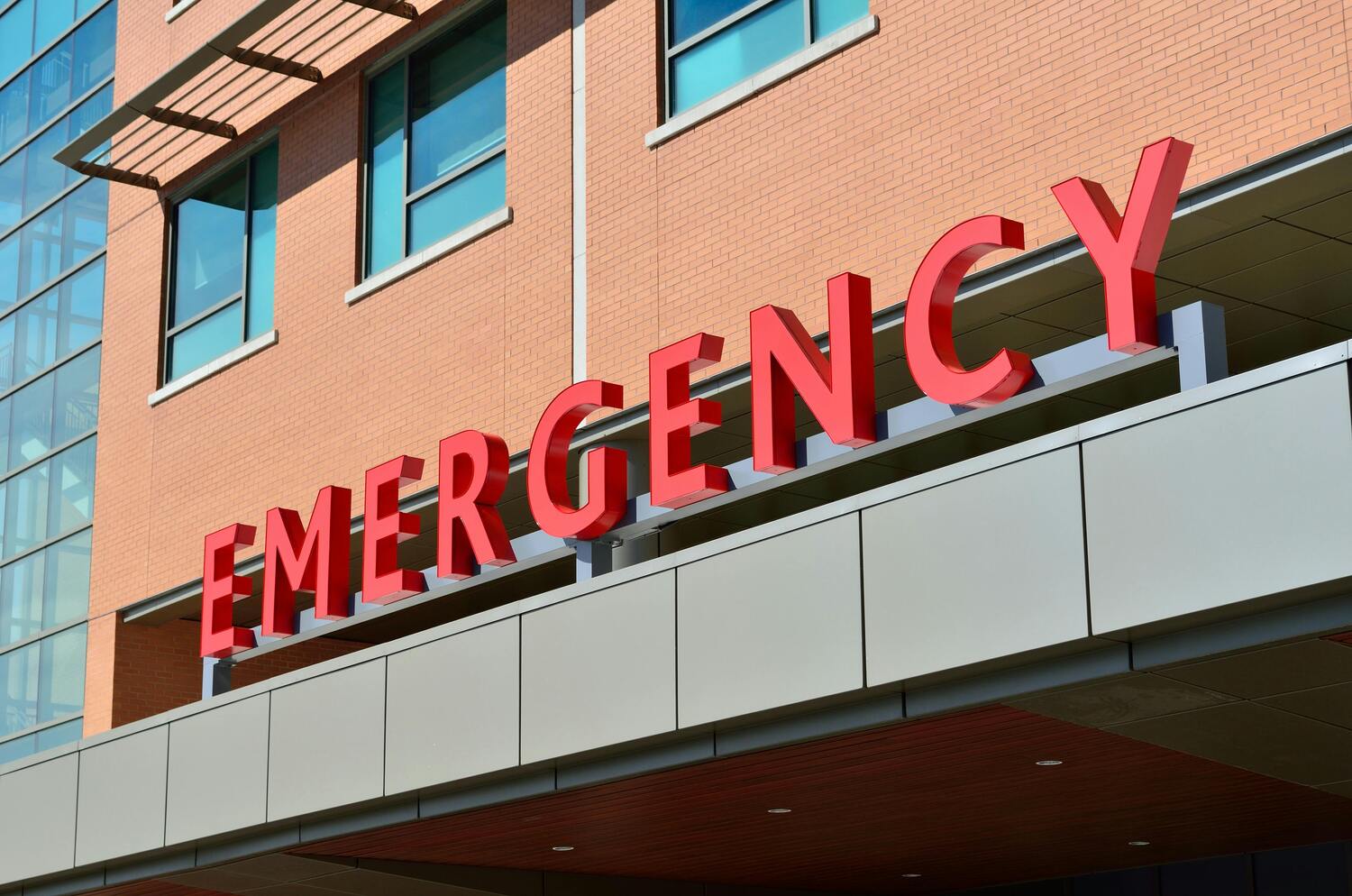
Image source: Unsplash

Most people assume that going to the emergency room is a straightforward decision—you get hurt, you feel sick, you go to the ER. But for a growing number of older adults, multiple ER visits are triggering something unexpected: scrutiny. Hospitals across the country are quietly flagging seniors who return frequently, sometimes altering the kind of care they receive, influencing how their records are viewed, and in some cases, reshaping access to future treatment. This trend is quietly reshaping the landscape of elder care, and not necessarily for the better.

While some repeat visits are a sign of serious underlying health issues, others are the byproduct of systemic failures—lack of access to primary care, poor care coordination, or worsening mental health conditions. Instead of addressing those root causes, however, some hospital systems are responding by labeling these seniors as “frequent flyers,” a term that, in practice, can lead to reduced attention, longer wait times, or even assumptions that the visits are unnecessary.

Behind the scenes, these ER flags can have ripple effects far beyond the hospital doors.

Why Emergency Rooms Are Flagging Repeat Senior Visitors

The Rise of “Frequent Flyer” Flags in ER Systems

Emergency rooms are under pressure—overcrowded, understaffed, and increasingly stretched thin. In an effort to prioritize critical cases and reduce strain, many hospitals have implemented tracking systems that monitor patterns of ER use. When a patient, especially a senior, visits the ER more than a certain number of times in a month or quarter, their profile may be flagged in the system.

This flag is intended to identify high-need patients, but in reality, it often leads to assumptions that the visits are inappropriate or avoidable. Once labeled, patients may receive a different level of scrutiny when they check in, and their symptoms may be dismissed or second-guessed.

For seniors who suffer from chronic conditions, mobility issues, or who don’t have reliable access to a regular physician, the ER can seem like the only consistent option. But the system doesn’t always distinguish between need and perceived overuse.

Why Seniors Are Returning to the ER So Often

There are several reasons older adults return to emergency rooms more frequently than younger populations, and most of them aren’t frivolous. Many seniors live with multiple chronic conditions that flare up unpredictably: heart failure, COPD, diabetes, arthritis, or complications from medications. A minor symptom for a younger adult could signal a life-threatening emergency in someone over 70.

Then there’s the issue of fragmented care. Primary care doctors may not be available for same-day appointments. Specialists may have waiting lists weeks long. Transportation barriers, cognitive decline, and caregiver shortages all add to the problem.

Mental health also plays a significant role. Seniors suffering from depression, isolation, or dementia may not communicate their needs clearly. In some cases, they visit the ER not just for physical symptoms, but because it’s the only place where someone will listen. When these factors intersect, frequent ER visits become almost inevitable—not a sign of misuse, but of unmet medical and emotional needs.

The Hidden Consequences of Being Flagged

Being flagged in an ER system doesn’t come with a formal notification. Most seniors have no idea it’s happened. But behind the scenes, it can subtly shift how they’re treated.

Staff may interpret symptoms through the lens of previous visits, assuming exaggeration or unnecessary concern. Wait times might grow longer. Physicians may be quicker to discharge. In some cases, the hospital may even call in a caseworker or recommend outpatient resources—an action that can feel like being redirected rather than helped.

There are also financial consequences. Medicare and private insurers are increasingly looking at ER usage patterns. Repeat visits can trigger audits, raise questions about the necessity of services, or lead to denied claims. This can leave seniors with unexpected bills or insurance challenges they’re ill-prepared to handle.

Even more concerning, frequent ER visits can be used to justify reduced in-home support or long-term care placement—decisions that reshape a senior’s entire living situation.

ER Use Is Not Always a Choice

It’s easy to assume that frequent ER visits reflect a lack of judgment. But many seniors simply don’t have alternatives. When a frail senior feels shortness of breath at 2 a.m., what are their options? Call their primary care doctor, who won’t answer? Wait it out and risk collapse? Or go to the ER, where at least there’s someone on the other side of the door?

Telemedicine, nurse hotlines, and urgent care centers have their place, but for an older person with a complex history, the ER feels like the safest option, even if that means going again and again.

Hospitals flag frequent users in part to protect their systems, but if those same systems can’t offer a viable alternative, they’re punishing people for reacting to a broken setup.

What Seniors and Caregivers Can Do

If you or a loved one has been to the ER multiple times recently, it’s worth taking a proactive approach:

Request care coordination: Many hospitals have case managers or social workers who can help you set up follow-up care or connect you with community support.
Keep a medical summary handy: Bring a list of medications, diagnoses, and recent test results to each ER visit. This can help reduce redundant testing and clarify why you’re there.
Communicate clearly: Let staff know this isn’t about “overuse,” but about lack of access elsewhere. Ask about what follow-up options they can offer.
Explore home health options: Depending on your Medicare plan, you may qualify for in-home visits that can reduce the need for emergency care.
Talk to your primary care physician: If you’re having trouble getting timely appointments, raise the issue. Some clinics offer extended hours or urgent same-day spots for seniors.

Taking control of your care narrative can help push back against the subtle bias that flags create.

The Bigger Issue: A Healthcare System Unprepared for Aging

The rise in flagged senior ER users isn’t just about hospital efficiency. It’s a sign of a broader failure to prepare for an aging population. More Americans are entering their 70s and 80s than ever before, and the infrastructure to care for them hasn’t kept pace.

Primary care shortages, lack of geriatric specialists, and insufficient home care funding have all contributed to a crisis where the emergency room becomes the default—and then penalizes those who use it too much.

Until the healthcare system becomes more senior-centric, older adults will continue turning to the ER—and getting flagged for doing so. It’s a vicious cycle that harms the very people the system is supposed to protect.

Fixing A Broken System

Frequent ER visits by seniors aren’t a nuisance. They’re a cry for help. But instead of responding with more care, the system often responds with suspicion. Hospital flags may be intended as tools for managing resources, but for vulnerable seniors, they can feel like a quiet punishment for being sick too often.

It’s time to ask better questions: Why are seniors coming back to the ER? What support are they missing? And how can we change the system so that urgent care doesn’t become the only care?

Have you or a loved one been flagged for frequent ER use? What was your experience like, and what do you wish the healthcare system better understood?

Read More:

Why Seniors Are Refusing Prescriptions Their Doctors Still Push

6 Medical Devices Seniors Still Trust But Doctors Warn Against


Source link

Tags: emergencyflaggingrepeatRoomsseniorVisitors
ShareTweetShare
Previous Post

Is your bank financially sound? Here’s how to find out.

Next Post

Is manual research slowing your global trade compliance?

Related Posts

edit post
7 ‘Invisible’ Safety Hazards to Check in Your Guest Room Before Summer Visitors Arrive

7 ‘Invisible’ Safety Hazards to Check in Your Guest Room Before Summer Visitors Arrive

by TheAdviserMagazine
May 30, 2026
0

Summer often means family visits, weekend guests, and grandchildren filling spare bedrooms that may have sat mostly unused for months....

edit post
8 Signs Your Spouse Is In The Beginning Stages of Dementia

8 Signs Your Spouse Is In The Beginning Stages of Dementia

by TheAdviserMagazine
May 30, 2026
0

Watching someone you love change can be one of the most difficult experiences in life. Many spouses dismiss small memory...

edit post
The Shrinking COLA Effect: Why Inflation Is Cutting Into Many Seniors’ 2026 Benefit Increase

The Shrinking COLA Effect: Why Inflation Is Cutting Into Many Seniors’ 2026 Benefit Increase

by TheAdviserMagazine
May 29, 2026
0

When the 2026 Social Security cost-of-living adjustment was announced, many retirees welcomed the news. Any increase in monthly benefits is...

edit post
8 Items to Buy This Wednesday to Upgrade Your Kitchen for Better Long-Term Health

8 Items to Buy This Wednesday to Upgrade Your Kitchen for Better Long-Term Health

by TheAdviserMagazine
May 29, 2026
0

When people think about improving their health, they often focus on diets, supplements, or fitness programs. However, one of the...

edit post
Americans Are Relying on Side Hustles to Pay Bills. Which Pay Best?

Americans Are Relying on Side Hustles to Pay Bills. Which Pay Best?

by TheAdviserMagazine
May 29, 2026
0

Whether they’re delivering food late into the night, selling handmade crafts online or creating social media content with the hopes...

edit post
Most Employers Are Using AI for Hiring and Firing Decisions. How Reliable Is It?

Most Employers Are Using AI for Hiring and Firing Decisions. How Reliable Is It?

by TheAdviserMagazine
May 29, 2026
0

Editor's Note: This story originally appeared on MyPerfectResume.com. Artificial intelligence is no longer just a behind-the-scenes hiring tool. It’s now...

Next Post
edit post
Is manual research slowing your global trade compliance?

Is manual research slowing your global trade compliance?

edit post
Will mortgage rates go up to 7%? Signs to watch for.

Will mortgage rates go up to 7%? Signs to watch for.

  • Trending
  • Comments
  • Latest
edit post
Supreme Court Delivers More Bad Redistricting News for Democrats

Supreme Court Delivers More Bad Redistricting News for Democrats

May 19, 2026
edit post
From Maine to Michigan, Democrats Are Making Communism Great Again

From Maine to Michigan, Democrats Are Making Communism Great Again

May 16, 2026
edit post
Gavin Newsom issues ‘final warning’ amid California’s dire housing crisis — what’s at stake for millions of residents

Gavin Newsom issues ‘final warning’ amid California’s dire housing crisis — what’s at stake for millions of residents

May 3, 2026
edit post
Minnesota Wealth Tax | Intangible Personal Property Tax

Minnesota Wealth Tax | Intangible Personal Property Tax

May 6, 2026
edit post
It’s Time To Talk About Massie

It’s Time To Talk About Massie

May 23, 2026
edit post
10 Cheapest High Dividend Stocks With P/E Ratios Under 10

10 Cheapest High Dividend Stocks With P/E Ratios Under 10

April 13, 2026
edit post
Golan Druze adoption of Israeli citizenship surges

Golan Druze adoption of Israeli citizenship surges

0
edit post
Blockbuster Earnings Just Sent DELL Stock Soaring. What Comes Next.

Blockbuster Earnings Just Sent DELL Stock Soaring. What Comes Next.

0
edit post
Ameriprise Financial (AMP) Is More Wealth Platform Than Market-Beta Asset Manager

Ameriprise Financial (AMP) Is More Wealth Platform Than Market-Beta Asset Manager

0
edit post
Redesign B2B2C Digital Strategy For The AI Era

Redesign B2B2C Digital Strategy For The AI Era

0
edit post
Report: Private credit opacity poses risk to financial system

Report: Private credit opacity poses risk to financial system

0
edit post
The Subjective Nature of Time: From Bergson to Mises

The Subjective Nature of Time: From Bergson to Mises

0
edit post
CME Launches 24/7 Bitcoin and Crypto Futures Trading

CME Launches 24/7 Bitcoin and Crypto Futures Trading

May 30, 2026
edit post
SoftBank plans up to €75 billion investment in French AI centers

SoftBank plans up to €75 billion investment in French AI centers

May 30, 2026
edit post
Hot Stocks: KW 22 / 2026 – Technologieaktien profitieren von nachlassenden Geopolitik-Sorgen und fundamentalen Meilensteinen

Hot Stocks: KW 22 / 2026 – Technologieaktien profitieren von nachlassenden Geopolitik-Sorgen und fundamentalen Meilensteinen

May 30, 2026
edit post
Senator Lummis Warns China Will Overtake the US in Crypto if CLARITY Bill Stalls

Senator Lummis Warns China Will Overtake the US in Crypto if CLARITY Bill Stalls

May 30, 2026
edit post
EQT Corporation (EQT): Leopold Aschenbrenner Is No Longer Bullish

EQT Corporation (EQT): Leopold Aschenbrenner Is No Longer Bullish

May 30, 2026
edit post
7 ‘Invisible’ Safety Hazards to Check in Your Guest Room Before Summer Visitors Arrive

7 ‘Invisible’ Safety Hazards to Check in Your Guest Room Before Summer Visitors Arrive

May 30, 2026
The Adviser Magazine

The first and only national digital and print magazine that connects individuals, families, and businesses to Fee-Only financial advisers, accountants, attorneys and college guidance counselors.

CATEGORIES

  • 401k Plans
  • Business
  • College
  • Cryptocurrency
  • Economy
  • Estate Plans
  • Financial Planning
  • Investing
  • IRS & Taxes
  • Legal
  • Market Analysis
  • Markets
  • Medicare
  • Money
  • Personal Finance
  • Social Security
  • Startups
  • Stock Market
  • Trading

LATEST UPDATES

  • CME Launches 24/7 Bitcoin and Crypto Futures Trading
  • SoftBank plans up to €75 billion investment in French AI centers
  • Hot Stocks: KW 22 / 2026 – Technologieaktien profitieren von nachlassenden Geopolitik-Sorgen und fundamentalen Meilensteinen
  • Our Great Privacy Policy
  • Terms of Use, Legal Notices & Disclosures
  • Contact us
  • About Us

© Copyright 2024 All Rights Reserved
See articles for original source and related links to external sites.

Welcome Back!

Login to your account below

Forgotten Password?

Retrieve your password

Please enter your username or email address to reset your password.

Log In
No Result
View All Result
  • Home
  • Financial Planning
    • Financial Planning
    • Personal Finance
  • Market Research
    • Business
    • Investing
    • Money
    • Economy
    • Markets
    • Stocks
    • Trading
  • 401k Plans
  • College
  • IRS & Taxes
  • Estate Plans
  • Social Security
  • Medicare
  • Legal

© Copyright 2024 All Rights Reserved
See articles for original source and related links to external sites.