
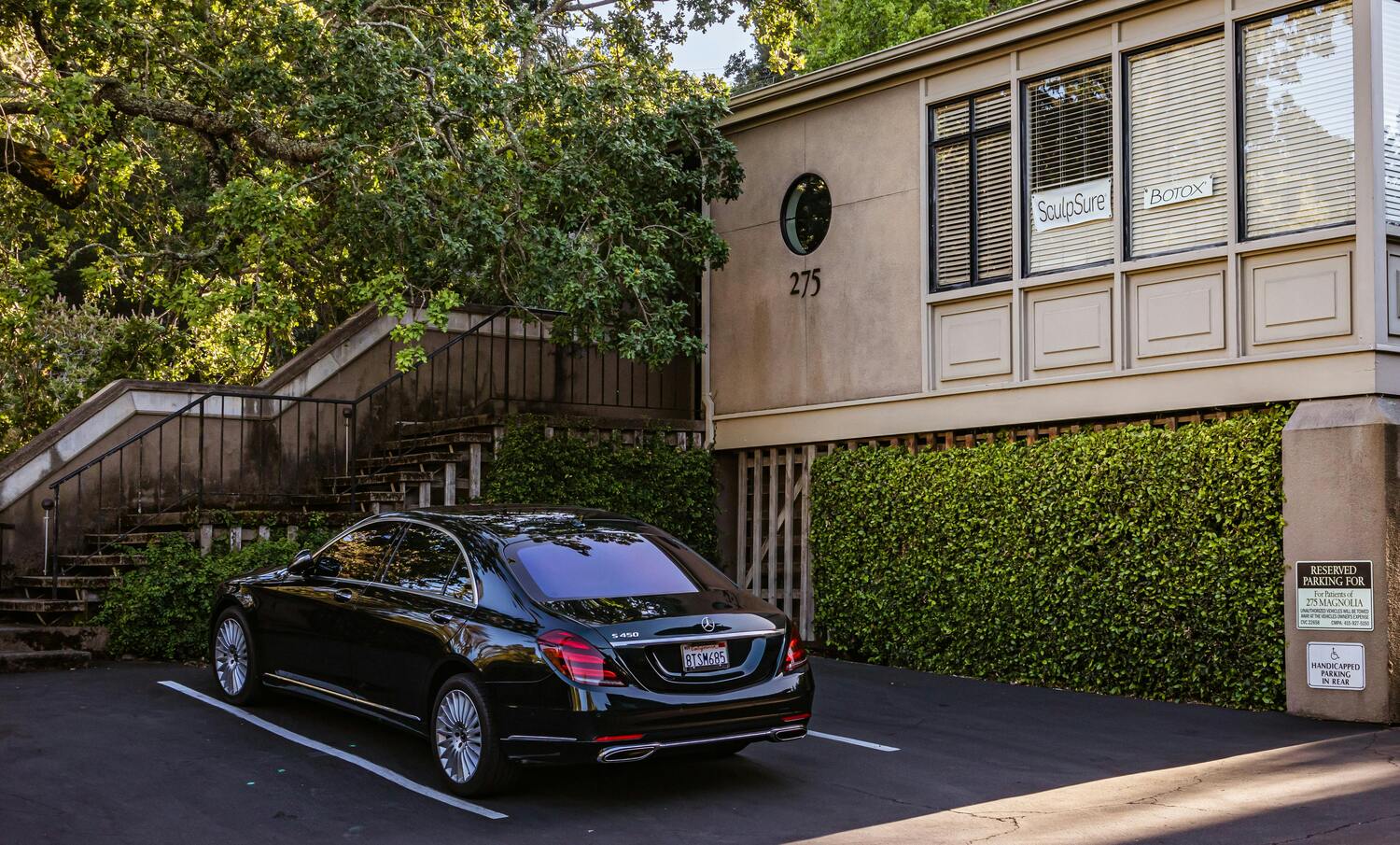
For decades, many homeowners, especially retirees, took for granted that they could park their cars right in front of their homes without paying a cent. But in some U.S. cities, this assumption is quickly disappearing. New regulations are quietly reshaping residential parking rules, and seniors are increasingly finding themselves caught in the middle.
In these areas, municipalities have begun introducing fees, permits, and restrictions that effectively charge residents, including older adults, for parking on public streets outside their own homes. The shift is stirring debate about property rights, fairness, and whether these policies amount to a hidden tax on aging in place.
So, what’s behind this trend, and how might it affect retirees on fixed incomes? Let’s break it down.
The Push for Paid Residential Parking
One of the biggest drivers of this change is local governments’ need for revenue. Cities often look for non-tax ways to boost funds, especially when budgets are tight. Parking permits, meter expansions, and residential parking zones have become a popular source of income because they generate ongoing fees without raising property taxes.
For seniors, this can feel like an unexpected cost for something they’ve always enjoyed for free. In many cases, the justification for these fees is framed around managing limited parking resources, especially in dense urban or tourist-heavy areas. However, the practical effect is that long-time residents are now paying for the same parking spaces they’ve used for decades without issue.
How Permit Systems Work and Why They’re Spreading
In most cases, the new system requires homeowners to purchase an annual or semiannual permit to park on the street in front of their homes. Some cities also require separate guest permits, meaning visiting family members or caregivers might have to pay or face ticketing.
The idea is to discourage non-residents from taking up valuable parking space, but the reality is that even residents are being charged to use their own curbside spots. Seniors living in neighborhoods near hospitals, universities, or popular attractions are often the first to see these changes because parking demand in these areas is high.
Once a permit system is established in one part of the city, it often expands to other neighborhoods, creating a domino effect that can leave retirees with few free options.
The Impact on Fixed-Income Retirees
For older adults living on Social Security or modest retirement savings, even relatively small fees can add up. An annual $150 parking permit may not seem huge to city officials, but for someone already struggling to cover medical costs, groceries, and housing, it can be a real burden.
In addition, the cost doesn’t stop at just the resident permit. If seniors frequently host family, home health aides, or friends, they might also have to purchase temporary guest passes—or risk their visitors getting ticketed or towed. Over time, this can easily become hundreds of dollars a year in unexpected costs.
What makes it even more frustrating for many retirees is that they’ve already paid property taxes for years and assumed that included basic neighborhood access. Now, they’re being told their own curb space is “public property” and subject to fees.
Accessibility Concerns for Seniors
Parking fees are more than just a financial inconvenience. They can also create accessibility challenges. Many retirees rely on easy street parking to transport groceries, mobility aids, or medical equipment into their homes. If parking is restricted or moved farther away, it can cause significant hardship.
In some neighborhoods, parking zones require residents to park several blocks from their homes unless they have the correct permit. For a senior with limited mobility or chronic health conditions, that’s not just inconvenient—it can be unsafe.
In certain cases, cities do offer discounted or free permits for seniors or disabled residents. But these programs are not always well-advertised, and the application process can be confusing or time-consuming, leaving many eligible people unaware of the option.
The “Equity” Argument Cities Use
Municipal leaders often defend these policies by claiming they’re necessary for “equity” and “fairness.” For example, they argue that everyone should pay equally for public resources, and parking on public streets is no different than using a public park or library.
However, opponents of these fees counter that homeowners already pay taxes that support local infrastructure and services, and curbside parking has traditionally been considered part of the benefit of homeownership. They also point out that the fees often hit seniors and long-time residents harder than newer, higher-income arrivals who can more easily absorb the cost.
Hidden Penalties and Enforcement Issues
Another overlooked aspect of these new parking rules is the aggressive enforcement that often follows. Seniors may find themselves facing $50–$100 tickets for forgetting to display their permit or for accidentally parking in a slightly restricted zone near their home.
In some cases, unpaid tickets can escalate into bigger legal problems, including liens on property or towing fees. This is particularly concerning for older adults who may not notice or understand a change in rules until they’ve already been penalized.
Could Legal Challenges Stop the Practice?
The legality of charging residents to park outside their own homes has been challenged in some cities, but courts have generally sided with municipalities, emphasizing that public streets are not private property. That means local governments have broad authority to regulate and charge for their use.
However, some state legislatures have begun exploring protections for seniors and long-term residents, particularly in cases where new fees are introduced without voter approval. The success of these efforts will likely vary by region, but it’s a conversation that’s gaining traction as more retirees speak out against the charges.
What Seniors Can Do to Avoid or Reduce Fees
If your city is considering or already implementing paid residential parking, there are steps you can take:
Attend City Council Meetings – Public opposition can sometimes delay or modify new rules, especially if seniors show up in large numbers.Ask About Discounts – Some municipalities offer reduced rates or free permits for older adults or those with disabilities.Apply Early – If you need a permit, securing it before enforcement begins can save you from costly tickets.Organize Neighbors – A united group of residents is more likely to get concessions than individuals acting alone.
The Bigger Picture: Aging in Place Under Pressure
The rise of residential parking fees is just one of many subtle ways cities are making it more expensive to age in place. From higher utility rates to service charges for garbage collection, retirees are increasingly asked to shoulder costs for services that were once included in general taxation.
For seniors determined to stay in their homes, these small but steady fees can be a tipping point, making it harder to maintain independence. Whether or not parking fees are “fair,” the trend is a reminder that homeownership in retirement comes with ongoing—and sometimes unexpected—expenses.
Why Parking Fees Should Concern Every Retiree
The idea of paying to park in front of your own home may sound absurd, but it’s becoming a reality in cities across the country. For retirees, it’s more than just a nuisance. It’s another example of how living costs can creep upward in ways few people anticipate.
While cities argue these fees are necessary for resource management, the burden on seniors, particularly those on fixed incomes, can be significant. If the goal is truly to create fair, accessible neighborhoods, policymakers will need to ensure these systems don’t disproportionately disadvantage the very residents who have invested decades in their communities.
Have you noticed new parking fees in your neighborhood? How do you feel about paying to park in front of your own home?
Read More:
7 Home Repairs That Disqualify You From Senior Energy Assistance
Are You Being Charged a “Convenience Fee” Just for Being a Senior?

Riley Jones is an Arizona native with over nine years of writing experience. From personal finance to travel to digital marketing to pop culture, she’s written about everything under the sun. When she’s not writing, she’s spending her time outside, reading, or cuddling with her two corgis.








-1024x683.jpg "Judge Who Helped Violent Illegal Alien Evade ICE Faces New Test")



-1024x683.jpg "Montana Puts Democrats in a Bind as Senate Hopes Fade")











