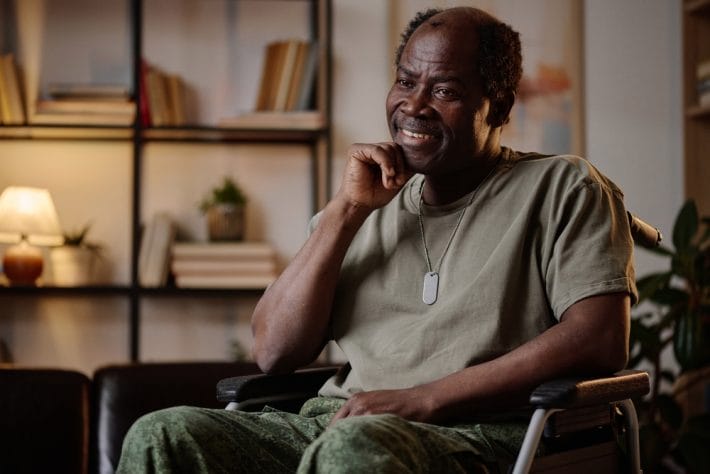
Veterans are taught to stay strong under pressure and to avoid appearing vulnerable. While that is valuable on the front lines, it can make it difficult for them to ask for help once they are back in civilian life. Friends, family members, neighbors, and coworkers may not realize a veteran is struggling because many veterans hide stress, financial hardship, loneliness, or mental health challenges extremely well. Recognizing when a veteran might need help (without them piping up) could make a world of difference. Here are eight instances when a vet might be afraid to ask for the assistance they need.
1. When They Suddenly Withdraw From Everyone
One of the biggest warning signs that a veteran may need help is social withdrawal. Veterans dealing with depression, PTSD, anxiety, or emotional stress often isolate themselves from friends and family instead of openly discussing what they are experiencing. Some stop answering phone calls, avoid gatherings, or spend long periods alone without explanation. The VA has repeatedly emphasized that isolation is a common sign that many veterans struggle emotionally before seeking support. Friends and loved ones should not assume silence means everything is fine, especially if a veteran’s behavior changes noticeably over time.
2. When Financial Problems Start Piling Up
Many veterans quietly struggle with financial stress but feel embarrassed asking for assistance. Unexpected medical bills, disability claim delays, rising housing costs, or employment struggles can create overwhelming pressure, especially for veterans living on fixed incomes. Some veterans fear being judged if they admit they are behind on rent, utilities, or debt payments. Veteran assistance programs can provide emergency financial help, but many veterans wait too long before applying because they believe they should handle problems alone. Simply checking in or helping connect someone to resources may prevent a temporary hardship from becoming a full financial crisis.
3. When They Start Drinking More Than Usual
Substance use can sometimes become a coping mechanism for veterans struggling with trauma, stress, or emotional pain. Veterans may not openly admit they are struggling mentally, but changes in drinking habits can signal deeper issues underneath the surface. The VA has shared stories from veterans who turned to alcohol after leaving active duty because they felt lost, disconnected, or emotionally overwhelmed. Friends and family members often notice these changes before the veteran acknowledges the problem themselves. Approaching the situation with concern instead of judgment can help open the door to meaningful support.
4. When They Avoid Medical or Mental Health Appointments
Many veterans hesitate to seek medical or mental health care because of stigma, frustration with the system, or fear of appearing weak. Some veterans downplay symptoms for years before finally reaching out for treatment. Mental health experts continue stressing that veterans do not need to wait until they are in crisis to seek support. Unfortunately, surveys show many veterans still delay care because they fear judgment or feel discouraged by complicated claims processes. Offering encouragement, transportation, or simply listening without criticism can help veterans feel less alone when navigating healthcare decisions.
5. When Everyday Tasks Become Overwhelming
Sometimes a veteran needs help with ordinary life responsibilities but feels too proud to ask. Yard work, grocery shopping, transportation, home repairs, paperwork, or technology issues may become difficult because of physical limitations, chronic pain, aging, or emotional exhaustion. Veterans who spent years serving others often struggle emotionally with accepting help themselves. Small gestures like offering to mow the lawn, assist with errands, or help organize paperwork can significantly reduce stress without making someone feel pitied. Many veterans appreciate practical support far more than dramatic conversations about needing help.
6. When Holidays and Anniversaries Trigger Emotional Struggles
Holidays, deployment anniversaries, and military remembrance dates can be emotionally difficult for many veterans. Certain dates may bring back memories of combat, lost friends, traumatic experiences, or difficult periods of military service. Veterans sometimes withdraw emotionally during these periods without fully explaining why they seem distant or upset. Family members and friends may not realize these emotional triggers still carry significant weight years later. Reaching out during emotionally sensitive times can remind veterans they are supported even when they struggle to express what they are feeling internally.
7. When They Transition Out of Military Service
Leaving military life can be far harder emotionally than many civilians realize. Veterans often lose daily structure, strong friendships, identity, and purpose all at once after separating from service. Some veterans adapt quickly, while others quietly struggle with loneliness, career uncertainty, or feeling disconnected from civilian life. Veteran support organizations frequently warn that transition periods create major emotional and financial stress for many former service members. Checking in regularly with recently separated veterans can help them feel less isolated during one of the biggest life adjustments they may ever face.
8. When They Say “I’m Fine” Too Quickly
Veterans are often conditioned to push through discomfort without complaining. As a result, some veterans instinctively respond with “I’m fine” even when they are struggling emotionally, financially, or physically. Friends and family members sometimes mistake that response as proof that everything is okay, but many veterans admit they avoid opening up because they do not want to burden others. Sometimes, simply knowing someone genuinely cares can encourage a veteran to open up later when they feel emotionally ready.
The Most Important Help Is Simply Showing Up
Many veterans never openly ask for help because independence, strength, and self-reliance were deeply reinforced throughout their military service. That does not mean they do not need support during difficult moments in life. Small actions like listening, checking in, offering practical assistance, or encouraging professional help can have an enormous impact. Veterans often respond best to consistent support without judgment, pressure, or pity. In many cases, simply showing up and reminding someone they are not alone can matter more than people realize.
Have you ever noticed someone quietly struggling but afraid to ask for help? Share your thoughts or experiences in the comments below.
What to Read Next
Veterans Alert: 50% of Eligible Vets Don’t Claim the $1,200 Housing Allowance
Veterans’ Homes Explained: The Low‑Cost State Facilities Many Retired Soldiers Don’t Know They Qualify For
6 Documents Every Veteran Needs to Speed Up a VA Claim Under the New 80‑Day Review Goal