No Result
View All Result
SUBMIT YOUR ARTICLES
  • Login
Saturday, May 16, 2026
TheAdviserMagazine.com
  • Home
  • Financial Planning
    • Financial Planning
    • Personal Finance
  • Market Research
    • Business
    • Investing
    • Money
    • Economy
    • Markets
    • Stocks
    • Trading
  • 401k Plans
  • College
  • IRS & Taxes
  • Estate Plans
  • Social Security
  • Medicare
  • Legal
  • Home
  • Financial Planning
    • Financial Planning
    • Personal Finance
  • Market Research
    • Business
    • Investing
    • Money
    • Economy
    • Markets
    • Stocks
    • Trading
  • 401k Plans
  • College
  • IRS & Taxes
  • Estate Plans
  • Social Security
  • Medicare
  • Legal
No Result
View All Result
TheAdviserMagazine.com
No Result
View All Result
Home Market Research Money

8 Things Your Bank Flags as “Suspicious” — Even When You Did Nothing Wrong

by TheAdviserMagazine
3 months ago
in Money
Reading Time: 5 mins read
A A
8 Things Your Bank Flags as “Suspicious” — Even When You Did Nothing Wrong
Share on FacebookShare on TwitterShare on LInkedIn


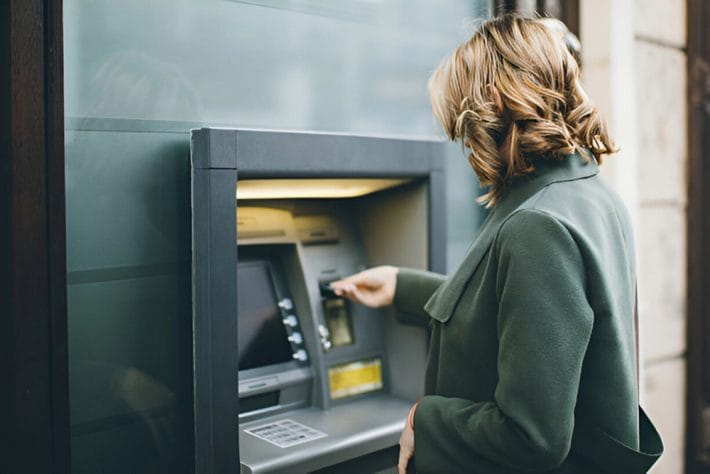
Image Source: Shutterstock

Have you ever gone to swipe your card and it gets declined, even though you know you have plenty of money? It’s happened to my wife and me on several occasions. The latest purchase was a “luxury” comforter at Belk. Chase flagged our purchase because it was more than $500 and we’d just eaten a nice meal beforehand (hey, it was our anniversary!).

Banks have become more cautious in recent years, with scams and hacking at an all-time high. Now, they are using automated systems to detect anything that might seem a little suspicious. Even if you have done nothing wrong, your whole day could be ruined by this. These systems are put in place to protect you, but these eight relatively common things can get your account flagged.

1. Unusually Large Purchases Made Suddenly

Banks monitor spending patterns closely, and a sudden large purchase can be flagged as suspicious bank activity. Even if you’re simply buying furniture, booking a vacation, or paying for a home repair, the system may see it as unusual. When a transaction doesn’t match your typical spending habits, the bank may temporarily freeze your card to verify it’s really you. This can be frustrating, especially if you’re standing at the checkout counter.

How can you avoid this? Calling ahead before making a big purchase can help prevent unnecessary interruptions.

2. Multiple Small Transactions in a Short Time

While large purchases raise red flags, so do clusters of small ones. Fraudsters often test stolen cards with tiny charges before making bigger purchases, which is why banks flag this pattern as suspicious bank activity. Unfortunately, legitimate customers can trigger the same alert when paying tolls, using vending machines, or making several online purchases in a row. The system doesn’t know the difference; it only sees unusual frequency.

How can you avoid this? If this happens often, enabling transaction alerts can help you respond quickly.

3. Purchases Made Far From Your Home

Buying something in another state (or even another city) can trigger a fraud alert. Banks use location data to detect suspicious bank activity, and anything outside your normal area may look risky. This is especially common for travelers who forget to notify their bank before a trip. Even online purchases from retailers based in other states can sometimes trigger alerts.

How can you avoid this? Keeping your bank updated about travel plans can prevent unnecessary declines.

4. Logging In From a New Device or Location

Banks track where and how you access your account, and a login from a new device can be flagged as suspicious bank activity. This includes logging in from a new phone, a hotel Wi‑Fi network, or a public computer. The bank may require additional verification or temporarily lock your account until you confirm it was you. While this can feel inconvenient, it’s designed to stop unauthorized access.

How can you avoid this? Using two‑factor authentication can help reduce these disruptions. However, it’s always a good idea not to log into your bank account on public devices.

5. Sending or Receiving Large Transfers

Whether you’re paying a contractor, helping a family member, or moving money between accounts, large transfers often trigger alerts. Banks monitor transfers closely because they’re a common target for scams and money‑laundering schemes. Even legitimate transfers can be flagged as suspicious bank activity if they’re larger than usual or sent to a new recipient. Some banks may hold the funds temporarily until they verify the transaction.

How can you avoid this? Planning ahead can help avoid delays when moving large amounts of money.

6. Using Peer‑to‑Peer Apps for Unusual Amounts

Apps like Venmo, Cash App, and Zelle are convenient, but they’re also heavily monitored. Sending or receiving unusual amounts, especially round numbers, can be flagged as suspicious bank activity. Banks look for patterns that resemble scams, such as repeated transfers to unfamiliar contacts. Even splitting bills or paying for group events can trigger alerts if the amounts are higher than normal.

How can you avoid this? Keeping clear notes in payment descriptions can sometimes help clarify legitimate transactions.

7. International Purchases or Currency Conversions

Anything involving foreign currency or international merchants is more likely to be flagged. Banks treat these transactions as higher‑risk because international fraud is common. Even if you’re buying from a legitimate overseas retailer, the system may classify it as suspicious bank activity. This can lead to declined transactions or temporary account holds.

How can you avoid this? Using a travel‑friendly card or notifying your bank before international purchases can help prevent issues.

8. Depositing Checks That Don’t Match Your Usual Pattern

Banks also monitor deposits, not just withdrawals. A check that’s larger than normal, from an unfamiliar source, or deposited through mobile banking may be flagged as suspicious bank activity. This is especially common with insurance payouts, tax refunds, or one‑time payments. When a deposit looks unusual, the bank may place a longer hold on the funds.

How can you avoid this? Keeping documentation handy can help resolve questions quickly if the bank asks for verification.

Why Banks Flag So Many Transactions

Banks aren’t trying to inconvenience customers. They’re trying to prevent fraud before it happens. Automated systems scan millions of transactions daily, looking for anything that resembles known fraud patterns. Unfortunately, this means legitimate actions can sometimes be mistaken for suspicious bank activity. While these systems aren’t perfect, they do stop countless fraudulent transactions every year. Knowing what triggers alerts can help you avoid unnecessary disruptions.

Has your bank ever flagged a completely normal transaction as suspicious? Share your experience in the comments.

What to Read Next

7 Hidden Fees Draining Senior Bank Accounts in 2026

Why Your Bank May Delay or Block a Transfer—and What’s Changed in 2026

Bank Account “Maintenance” Fees Are Quietly Costing Longtime Customers $120–$240 a Year

Banking Errors That Take Longer to Resolve for Older Customers

6 Banking Changes That Make Autopay Riskier


Source link

Tags: bankFlagsSuspiciousWrong
ShareTweetShare
Previous Post

Medicare Won’t Tell You This—But These 10 Amazon Items Can Help You Age Smarter

Next Post

Week 7: A Peek Into This Past Week + What I’m Reading and Watching!

Related Posts

edit post
Full Retirement Age Hits 67 for Those Born in 1960 or Later — Here’s How It Could Reduce Your Benefits

Full Retirement Age Hits 67 for Those Born in 1960 or Later — Here’s How It Could Reduce Your Benefits

by TheAdviserMagazine
May 16, 2026
0

Millions of Americans approaching retirement are now facing a major Social Security milestone that could permanently affect the size of...

edit post
7 States Expanding Senior Food Assistance Programs to Cover Gaps in May Benefits

7 States Expanding Senior Food Assistance Programs to Cover Gaps in May Benefits

by TheAdviserMagazine
May 15, 2026
0

Rising grocery prices continue putting enormous pressure on older Americans living on fixed incomes. Many seniors relying on Social Security...

edit post
Medicare’s 72-Hour Decision Rule Begins Now: What Seniors Must Know About Faster Approvals and Denials

Medicare’s 72-Hour Decision Rule Begins Now: What Seniors Must Know About Faster Approvals and Denials

by TheAdviserMagazine
May 15, 2026
0

Millions of seniors enrolled in Medicare Advantage plans have spent years frustrated by delayed prior authorization decisions for medical care,...

edit post
8 Reasons You Have More Aches and Pains Over the Age of 50 — It’s Not Because You’re Sick

8 Reasons You Have More Aches and Pains Over the Age of 50 — It’s Not Because You’re Sick

by TheAdviserMagazine
May 15, 2026
0

Many people over 50 wake up feeling stiffer, sorer, or more physically drained than they did in their younger years....

edit post
10 of the Biggest Regrets Nurses Hear From Dying Patients

10 of the Biggest Regrets Nurses Hear From Dying Patients

by TheAdviserMagazine
May 15, 2026
0

Most people avoid thinking about the end of life, but nurses who work in hospice and palliative care say the...

edit post
There’s Only One Rule for Prediction Markets — Ignore It and You’re the Sucker

There’s Only One Rule for Prediction Markets — Ignore It and You’re the Sucker

by TheAdviserMagazine
May 15, 2026
0

Picture a poker table. You’re playing your hand straight. But the guy across from you can see your cards —...

Next Post
edit post
Week 7: A Peek Into This Past Week + What I’m Reading and Watching!

Week 7: A Peek Into This Past Week + What I’m Reading and Watching!

edit post
Why So Many Families Are Struggling to Pay for Funerals in 2026 — 9 Warning Signs and 5 Solutions

Why So Many Families Are Struggling to Pay for Funerals in 2026 — 9 Warning Signs and 5 Solutions

  • Trending
  • Comments
  • Latest
edit post
Gavin Newsom issues ‘final warning’ amid California’s dire housing crisis — what’s at stake for millions of residents

Gavin Newsom issues ‘final warning’ amid California’s dire housing crisis — what’s at stake for millions of residents

May 3, 2026
edit post
Florida Warning: With Senior SNAP Benefits Averaging 8/Month, Thousands Risk Losing Assistance in 2026

Florida Warning: With Senior SNAP Benefits Averaging $188/Month, Thousands Risk Losing Assistance in 2026

April 27, 2026
edit post
Minnesota Wealth Tax | Intangible Personal Property Tax

Minnesota Wealth Tax | Intangible Personal Property Tax

May 6, 2026
edit post
10 Cheapest High Dividend Stocks With P/E Ratios Under 10

10 Cheapest High Dividend Stocks With P/E Ratios Under 10

April 13, 2026
edit post
Exclusive: America’s largest Black-owned bank launches podcast with mission to unlock hidden shame holding back generational wealth

Exclusive: America’s largest Black-owned bank launches podcast with mission to unlock hidden shame holding back generational wealth

April 29, 2026
edit post
NYC Mayor Mamdani knocked Ken Griffin in pied-a-terre tax promo. His firm calls the move ‘shameful’

NYC Mayor Mamdani knocked Ken Griffin in pied-a-terre tax promo. His firm calls the move ‘shameful’

April 23, 2026
edit post
SpaceX shareholders approve 5-for-1 stock split ahead of much-awaited IPO: Report

SpaceX shareholders approve 5-for-1 stock split ahead of much-awaited IPO: Report

0
edit post
Grayscale Files Amended S-1 For BNB Coin ETF With SEC

Grayscale Files Amended S-1 For BNB Coin ETF With SEC

0
edit post
Full Retirement Age Hits 67 for Those Born in 1960 or Later — Here’s How It Could Reduce Your Benefits

Full Retirement Age Hits 67 for Those Born in 1960 or Later — Here’s How It Could Reduce Your Benefits

0
edit post
Inflation rate projected to hit 6% in the second quarter, top economic forecasters say

Inflation rate projected to hit 6% in the second quarter, top economic forecasters say

0
edit post
Tom Colicchio built the American restaurant. Now he’s watching it come apart

Tom Colicchio built the American restaurant. Now he’s watching it come apart

0
edit post
Football 2026 Fan Behaviour, Media Consumption & Tournament Predictions

Football 2026 Fan Behaviour, Media Consumption & Tournament Predictions

0
edit post
Full Retirement Age Hits 67 for Those Born in 1960 or Later — Here’s How It Could Reduce Your Benefits

Full Retirement Age Hits 67 for Those Born in 1960 or Later — Here’s How It Could Reduce Your Benefits

May 16, 2026
edit post
Tom Colicchio built the American restaurant. Now he’s watching it come apart

Tom Colicchio built the American restaurant. Now he’s watching it come apart

May 16, 2026
edit post
From Maine to Michigan, Democrats Are Making Communism Great Again

From Maine to Michigan, Democrats Are Making Communism Great Again

May 16, 2026
edit post
Grayscale Files Amended S-1 For BNB Coin ETF With SEC

Grayscale Files Amended S-1 For BNB Coin ETF With SEC

May 16, 2026
edit post
Hot Stocks: KW 20 / 2026 – Warum Energiewerte gerade „heiß“ sind!

Hot Stocks: KW 20 / 2026 – Warum Energiewerte gerade „heiß“ sind!

May 16, 2026
edit post
Strategy has put Bitcoin sales on the table for repurchases

Strategy has put Bitcoin sales on the table for repurchases

May 16, 2026
The Adviser Magazine

The first and only national digital and print magazine that connects individuals, families, and businesses to Fee-Only financial advisers, accountants, attorneys and college guidance counselors.

CATEGORIES

  • 401k Plans
  • Business
  • College
  • Cryptocurrency
  • Economy
  • Estate Plans
  • Financial Planning
  • Investing
  • IRS & Taxes
  • Legal
  • Market Analysis
  • Markets
  • Medicare
  • Money
  • Personal Finance
  • Social Security
  • Startups
  • Stock Market
  • Trading

LATEST UPDATES

  • Full Retirement Age Hits 67 for Those Born in 1960 or Later — Here’s How It Could Reduce Your Benefits
  • Tom Colicchio built the American restaurant. Now he’s watching it come apart
  • From Maine to Michigan, Democrats Are Making Communism Great Again
  • Our Great Privacy Policy
  • Terms of Use, Legal Notices & Disclosures
  • Contact us
  • About Us

© Copyright 2024 All Rights Reserved
See articles for original source and related links to external sites.

Welcome Back!

Login to your account below

Forgotten Password?

Retrieve your password

Please enter your username or email address to reset your password.

Log In
No Result
View All Result
  • Home
  • Financial Planning
    • Financial Planning
    • Personal Finance
  • Market Research
    • Business
    • Investing
    • Money
    • Economy
    • Markets
    • Stocks
    • Trading
  • 401k Plans
  • College
  • IRS & Taxes
  • Estate Plans
  • Social Security
  • Medicare
  • Legal

© Copyright 2024 All Rights Reserved
See articles for original source and related links to external sites.