Your credit card is the most useful piece of plastic in your wallet — until it isn’t.
In the right hands, it’s fraud protection, rewards, and a 21-day interest-free loan. In the wrong situation, it’s a debt trap, a scam funnel, and an instant 30% annual percentage rate (APR).
I’ve been a CPA since 1980, and I’ve spent decades watching people destroy their finances one swipe at a time. The traps have changed. Today’s worst credit card mistakes weren’t even possible 10 years ago — they involve apps, scams, and surcharges that didn’t exist back then.
Here are seven places where you should think twice before pulling out that card.
1. To fund a Buy Now, Pay Later plan
Buy now, pay later (BNPL) services like Klarna, Affirm, and Afterpay are everywhere. The Richmond Federal Reserve estimates BNPL transactions hit roughly $70 billion in 2025, growing about 20% per year since 2021.
Here’s the catch. When you link a credit card to your BNPL account, you’re stacking high-interest debt on top of installment debt. Miss a $400 payment? Now you owe Klarna and your credit card, with interest piling up on both.
The Consumer Financial Protection Bureau found that the majority of BNPL users have subprime or deep subprime credit scores, and 66% of users take out multiple BNPL loans at once. Read up on the hidden risks of buy now, pay later before you sign up for one more plan.
This isn’t a smart-shopper tool. It’s debt stacking.
The smart move: Pay BNPL balances from your checking account, or skip BNPL entirely.
2. Anywhere flashing a credit card surcharge
A growing share of small businesses now tack on credit card surcharges. Restaurants, gas stations, contractors, even some medical offices — they’re adding 2% to 4% to your bill just for using plastic. Interchange fees reached a record $187.2 billion last year, or about $1,200 for the average family, according to Payments Dive, and merchants are passing more of that cost to you.
On a $200 dinner, a 4% surcharge costs $8. On a $5,000 contractor invoice, that’s $200 down the drain.
That surcharge wipes out almost any rewards your card pays. A 2% cash-back card earning you $4 on a $200 charge just got swallowed whole by an $8 fee.
If a merchant is surcharging, ask if there’s a cash or debit discount. Pay that way and pocket the difference. Your rewards aren’t worth a 4% tax.
3. At the gas pump
The FBI estimates more than $1 billion is lost each year to credit card skimming fraud and fuel theft. And in 2025, the U.S. Secret Service and its law enforcement partners removed 411 illegal skimming devices, preventing an estimated potential loss of more than $428 million.
Gas pumps are the No. 1 target. They’re outdoors, often unattended, and crooks can attach a skimmer in under a minute.
When you swipe at the pump, you may be handing your card data to organized crime rings. Secret Service investigations have linked U.S. skimming operations to sophisticated transnational criminal organizations in Eastern Europe and Latin America.
Here’s the fix. Use tap-to-pay or your phone’s digital wallet — Apple Pay or Google Pay. Those generate one-time codes that are useless to a thief. If neither is available, pay inside. The extra 90 seconds beats getting your number cloned.
Quick gut-check — if your money advice is coming from random online influencers, you’re playing a dangerous game. I’ve been a CPA since 1980 and writing about money since before the internet existed. Sign up for the free Money Talks Newsletter and get expert advice that’s been tested by time.
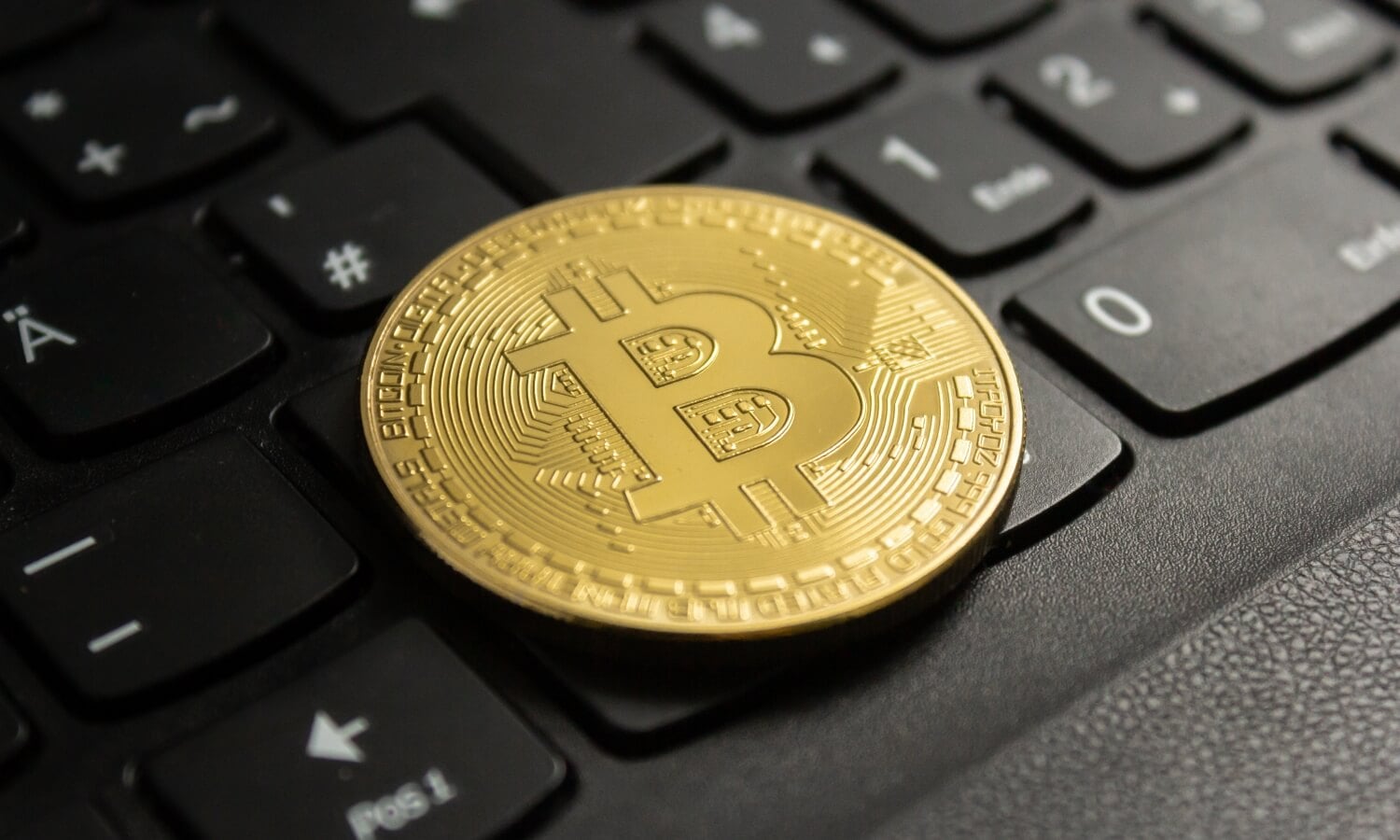
4. To buy cryptocurrency
Want a fast way to lose money before you’ve even bought the asset? Put your crypto purchase on a credit card.
Most major issuers either block crypto purchases outright or treat them as cash advances, according to Bankrate. The ones that allow it hit you with cash advance fees typically running 3% to 5% of the transaction, plus a cash advance APR often near 30% that starts accruing immediately.
There’s no grace period. Interest starts the day of the purchase. On top of that, the exchange itself usually charges around 2% or more in processing fees. You could be paying 8% in combined fees before Bitcoin even moves.
Use an Automated Clearing House (ACH) electronic transfer or a debit card. Better yet, ask yourself whether you should be borrowing money on plastic to gamble.
5. Through Venmo, Cash App, or PayPal to a person
Sending $300 to your buddy for rent through Venmo? If you fund it with the wrong credit card, your bank may treat it as a cash advance.
Chase added “person-to-person money transfers” to its definition of cash-like transactions back in 2021, per NerdWallet. Bank of America, Capital One, Citi, Wells Fargo, U.S. Bank, and Barclays followed with similar treatment for P2P payments.
That means Venmo’s 3% credit card fee and a cash advance fee from your bank (commonly 5% of the advance or $10, whichever is more, per Kiplinger) and interest accruing from day one at the cash-advance APR.
Sending $500 to a friend could cost $40 or more in fees alone, plus interest. American Express and Discover currently code Venmo P2P transfers as regular purchases, but if you’re using anything else, fund the transfer from your bank account or debit card. Or use Zelle, which doesn’t accept credit cards at all.
6. On anything you found through a social media ad
The Federal Trade Commission (FTC) reports that, in 2025, nearly 30% of people who lost money to a scam said it started on social media, with reported losses reaching a staggering $2.1 billion — an eightfold increase since 2020.
Facebook alone accounted for $794 million in reported losses in 2025. That’s more than people reported losing to text or email scams.
The scammers use the same ad-targeting tools real businesses use. A “60% off” deal on Facebook isn’t always what it claims. It could be a fake site that takes your card info, ships nothing, and shuts down before chargebacks land.
Here’s the harsh truth: Credit cards offer the best fraud protection of any payment method. But that protection only kicks in after you’ve reported the fraud, disputed the charge, and waited weeks for resolution.
Better to never use the card in the first place. If you see a deal you can’t ignore on social, leave the platform. Open a new browser tab and go to the brand’s official site directly. If the deal isn’t there, it isn’t real.
7. For a free trial you might forget to cancel
The free trial is one of the oldest cons in retail, and the rules just got weaker. On July 8, 2025, the U.S. Court of Appeals for the Eighth Circuit vacated the FTC’s “Click-to-Cancel” Rule, which was meant to make cancellations as easy as signups.
That doesn’t mean every service is shady. But it does mean the burden is on you. The FTC has brought enforcement actions against Match.com, Chegg, and Amazon for making cancellation harder than signup, and those cases keep coming.
When you hand over your card for a “$0 trial,” you’ve authorized recurring charges that may run for months before you notice. Many Americans pay for subscriptions they no longer use, sometimes for years.
If you absolutely must sign up for a free trial, set a calendar reminder for two days before it ends. Better yet, use a virtual card number from your bank — most major issuers offer them, and you can shut one off in seconds.
The bottom line
Your credit card isn’t the enemy. Used right, it’s the safest, most rewarding way to pay for almost anything. But in 2026, “used right” means knowing exactly when plastic costs you more than it pays.
If you’re already feeling the squeeze, you’re not alone. Watch for the “11 Signs You Have Too Much Credit Card Debt” and consider a credit counselor before things get worse.
National Debt Relief is one of the most respected providers of debt relief in the U.S. They’ve helped more than 500,000 people. You simply fill out a form on the company website, then a debt coach will call you to learn more about your situation.
If they can help you, they’ll set you up with an affordable plan that works for you — and give you an estimate of when you can expect to be debt-free. There’s no upfront fee and no obligation to get started.
The seven traps above aren’t theoretical. They’re how Americans lose billions of dollars every year, sometimes a few bucks at a time, sometimes thousands in one bad transaction.
Stay sharp. Keep your card in your pocket when the situation calls for it.