No Result
View All Result
SUBMIT YOUR ARTICLES
  • Login
Monday, August 24, 2026
TheAdviserMagazine.com
  • Home
  • Financial Planning
    • Financial Planning
    • Personal Finance
  • Market Research
    • Business
    • Investing
    • Money
    • Economy
    • Markets
    • Stocks
    • Trading
  • 401k Plans
  • College
  • IRS & Taxes
  • Estate Plans
  • Social Security
  • Medicare
  • Legal
  • Home
  • Financial Planning
    • Financial Planning
    • Personal Finance
  • Market Research
    • Business
    • Investing
    • Money
    • Economy
    • Markets
    • Stocks
    • Trading
  • 401k Plans
  • College
  • IRS & Taxes
  • Estate Plans
  • Social Security
  • Medicare
  • Legal
No Result
View All Result
TheAdviserMagazine.com
No Result
View All Result
Home Market Research Investing

How Tariffs and Geopolitics Are Shaping the 2025 Global Economic Outlook

by TheAdviserMagazine
1 year ago
in Investing
Reading Time: 6 mins read
A A
How Tariffs and Geopolitics Are Shaping the 2025 Global Economic Outlook
Share on FacebookShare on TwitterShare on LInkedIn


As the second quarter of 2025 approaches, the global economy advances with a mixture of resilience and unease. Though inflation is easing and growth has tentatively resumed, 2025 is unfolding beneath the weight of mounting geopolitical risks and structural divergences. Still, the outlook remains in flux. With recent tariffs and trade frictions just beginning to take effect, their long-term impact on global markets is far from clear.

Economic Fundamentals

While the United States continues to display surprising economic strength, Europe struggles to find momentum, and China confronts a new slowdown. At the same time, trade frictions, sanctions, and military conflicts threaten to reshape global flows of capital, goods, and influence.

The International Monetary Fund (IMF) forecasts global growth at 3.3% in 2025 — steady compared to last year but below pre-pandemic trends (IMF). The United States remains the standout, with 2.7% growth projected after a 2.8% expansion in 2024, driven by robust consumer spending and capital investment (IMF). In contrast, the euro area is forecast to grow by just 1.0%, with Germany teetering near recession and France and Italy showing limited recovery.

China, after reaching its 5% target last year, is slowing again: its 2025 growth is expected to decelerate to 4.5%, facing property market fragility, aging demographics, and a renewed wave of US tariffs (Reuters). India continues to expand rapidly at around 6% to 7%, while other emerging markets such as Mexico and Eastern Europe are feeling the effects of weaker global trade demand (Reuters).

On inflation, a clear turning point has arrived. In the United States, consumer prices have eased to 2.8% year-on-year as of February — the lowest in more than two years (BLS). The euro zone has also seen relief, with inflation at 2.4%, nearing the European Central Bank’s target (Reuters). In China, however, inflation has slipped below 1%, raising deflationary concerns amid subdued consumer demand. The IMF anticipates global headline inflation to fall to 4.2% in 2025 (IMF).

Policy Divergence and Rising Trade Frictions

Monetary policy responses remain fragmented. The US Federal Reserve has kept its policy rate at 4.25% to 4.50%, signaling it is in “no rush” to cut rates despite market expectations and political pressure. Chair Jerome Powell warned that fresh import tariffs and industrial policies from Washington are raising “unusually elevated” uncertainty and could simultaneously push inflation up and dampen growth (Reuters).

In Frankfurt, the European Central Bank (ECB) cut its deposit rate to 2.5% in early March, citing stagnating output. ECB President Christine Lagarde emphasized the fragility of the situation, highlighting the risks posed by a looming trade war with the United States and surging defense expenditures (Reuters). In contrast, China’s central bank has begun modest easing, including a 10 basis point cut and additional liquidity to support growth amid rising capital outflows (Reuters).

In early April, the Trump administration imposed new tariffs, including a 10% global tariff and up to 50% duties on 57 countries (Holland & Knight). The average tariff on Chinese products has increased to 54%, which has resulted in an increase in trade tensions. The EU and China are preparing retaliation, while Canada and Mexico have secured partial exemptions under USMCA.

The economic allies are divided, and the markets are wary, which is causing concerns about a prolonged global trade war due to these protectionist measures. Central bank policy and global economic stability are both put to the test by the circumstances. (​Gibson Dunn)

Markets Navigate Turbulence

The US stock market has experienced significant volatility in response to recent tariff announcements. Following the April 2 declaration of new tariffs, major indices such as the S&P 500, Dow Jones Industrial Average, and Nasdaq Composite saw substantial declines. The S&P 500 fell more than 10% in two days, marking its worst performance since World War II. (​Reuters)

In a subsequent policy reversal, President Trump announced a 90-day pause on certain tariffs, leading to a temporary market rebound. The S&P 500 surged 9.5% on April 9, 2025, its largest single-day gain since 2008 (​Reuters). However, this relief was short-lived as concerns over escalating trade tensions, particularly with China, continued to unsettle investors. The S&P 500 and Nasdaq Composite dropped by 4.6% and 5.4%, respectively, on April 10. (​Reuters)

Volatility remains elevated. The VIX index, Wall Street’s “fear gauge,” has climbed back to levels not seen since 2023, reflecting nervousness about policy missteps and geopolitical escalation. Many firms have delayed capital expenditures, citing unclear outlooks on tariffs and regulation. In Europe, bank and energy stocks have underperformed, reflecting both fiscal pressures and the threat of new windfall taxes related to defense spending and energy price volatility.

The meteoric increase in gold prices has been one of the most remarkable financial developments of early 2025. Gold has reached record levels as a result of the increasing geopolitical uncertainty and the apprehension of investors regarding inflationary pressures from tariffs. Spot gold reached an all-time high of $3,167.57 per ounce on April 3. It has increased by approximately 15% since the beginning of the year, and as of April 10 it was still above $3,100. (​Mint)

Despite volatility, credit markets remain orderly. Corporate bond spreads have widened modestly, but most indicators suggest that investors are not pricing in a deep recession. Emerging markets have underperformed, especially those tied to global trade flows and sensitive to dollar strength. One notable exception: commodity-exporting nations, particularly in the Gulf and parts of Africa, have benefited from elevated resource prices and investor rotation into perceived value markets.

As the IMF notes, global financial conditions have tightened, but not dramatically. Central banks in advanced economies, including the Bank of England, are choosing to hold steady for now, while signaling vigilance. Policymakers remain deeply aware that a single escalation — be it in trade, energy, or conflict — could quickly shift the macroeconomic trajectory.

Conclusion: What This Means for Analysts and Investors

For financial analysts and investors, 2025 demands careful attention to more than just fundamentals. While inflation is cooling and growth persists in pockets, escalating trade frictions and geopolitical uncertainty are reshaping risk in real time. Traditional models may underweight the impact of policy shocks, especially around tariffs and capital flows. As macro conditions grow more fragile, understanding cross-border dynamics — and adjusting forecasts and allocations accordingly — will be essential.

In a landscape marked by divergence and uncertainty, the challenge for investors isn’t just to react — but to interpret, prepare, and adapt.

Advertisement

fintool ad


Source link

Tags: economicgeopoliticsGlobalOutlookShapingTariffs
ShareTweetShare
Previous Post

Can Judge-Made Doctrine Override Tax Deductions Allowed by Congress? – Houston Tax Attorneys

Next Post

Social Security Administration Implements New Anti-Fraud Measures to Enhance Telephone Claim Processing | Social Security Matters

Related Posts

edit post
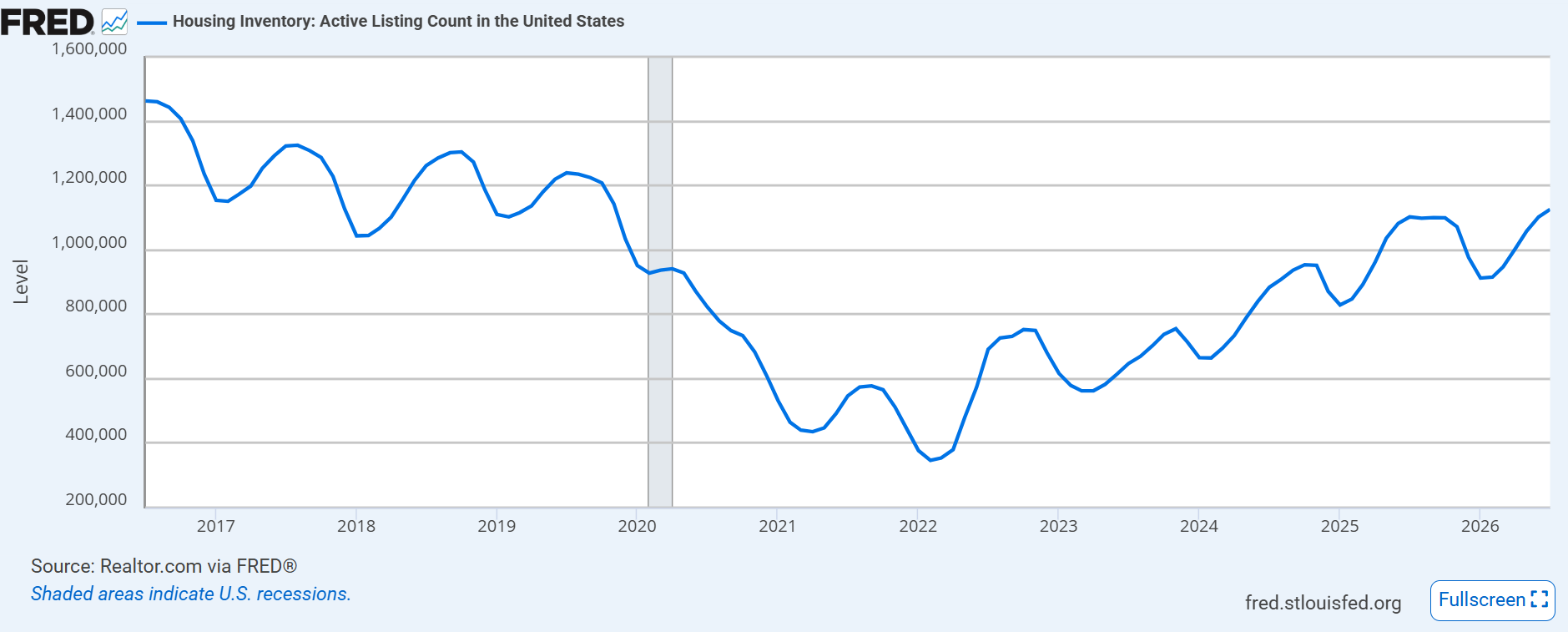
All signs are pointing to the total and imminent collapse of the United States housing market.

All signs are pointing to the total and imminent collapse of the United States housing market.

by TheAdviserMagazine
August 7, 2026
0

All signs are pointing to the total and imminent collapse of the United States housing market.What is about to happen...

edit post
Those That Were Considered To Be “Dirt Poor” In 1987 Would Be Considered To Be Very Wealthy In 2026

Those That Were Considered To Be “Dirt Poor” In 1987 Would Be Considered To Be Very Wealthy In 2026

by TheAdviserMagazine
August 6, 2026
0

by MichaelAmericans are facing the longest and most painful affordability crisis in our entire history, and young people are being...

edit post
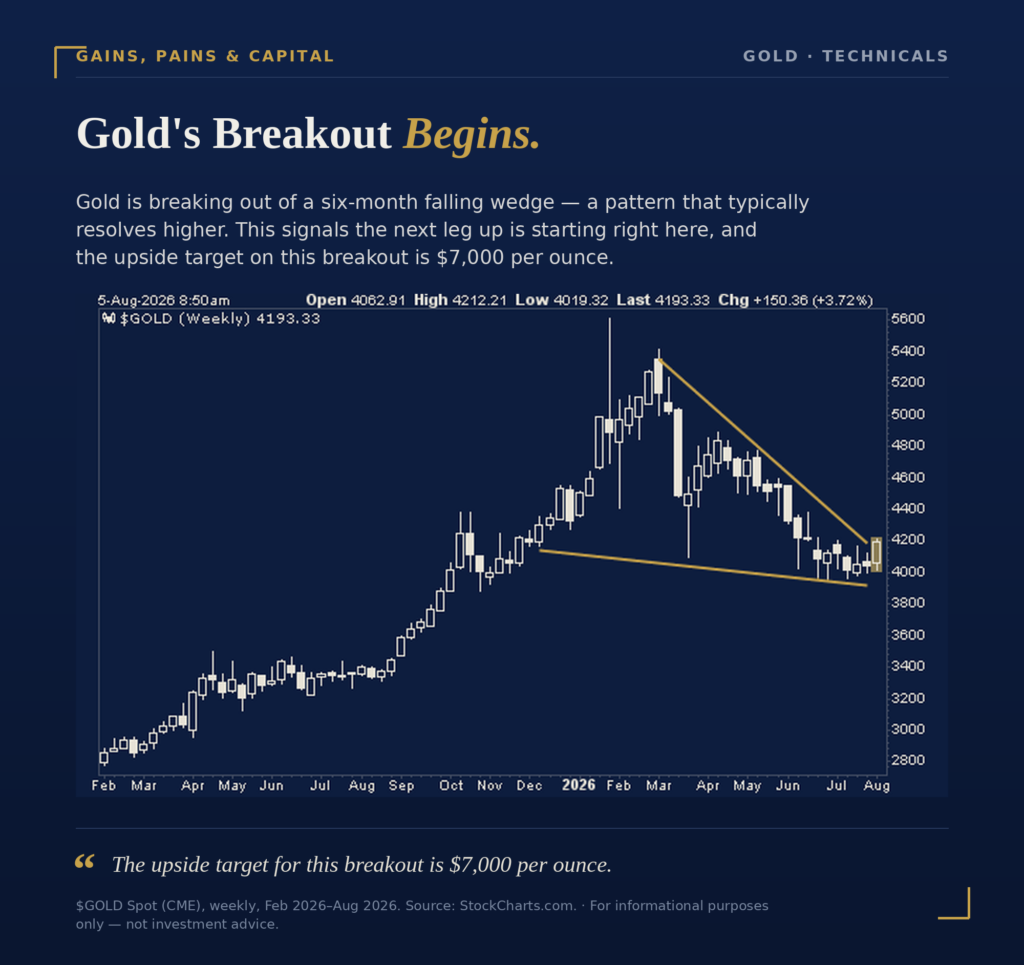
The Lows Are In… Get Ready for ,000 Gold

The Lows Are In… Get Ready for $7,000 Gold

by TheAdviserMagazine
August 6, 2026
0

via gainspainscapitalOn July 27th, 2026, I penned an article proclaiming, “Gold may have just bottomed.”I missed the exact lows by...

edit post
Could Treasury Yields Break the AI Boom?

Could Treasury Yields Break the AI Boom?

by TheAdviserMagazine
August 4, 2026
0

Skip to contentInvestment Watch Blog Menu Menu HomeAboutSubscribeMonthly Subscription6-Month SubscriptionYearly SubscriptionMember’s AreaMember HubLoginAccountPrivacy PolicyDisclaimerAugust 5, 2026, 1:17 am by Alex...

edit post
Conversations with Frank Fabozzi, Featuring Kari Vatanen

Conversations with Frank Fabozzi, Featuring Kari Vatanen

by TheAdviserMagazine
August 4, 2026
0

Key discussion pointsBeyond the traditional 60/40 portfolio: Why investors are rethinking the role of bonds, diversification, and portfolio objectives.Total portfolio...

edit post
2026’s “Discounted” Properties Aren’t the Bargain They Look Like

2026’s “Discounted” Properties Aren’t the Bargain They Look Like

by TheAdviserMagazine
August 4, 2026
0

James:Deals are often evaluated on what they could make, but sometimes it’s more important to question on what they could...

Next Post
edit post
Social Security Administration Implements New Anti-Fraud Measures to Enhance Telephone Claim Processing | Social Security Matters

Social Security Administration Implements New Anti-Fraud Measures to Enhance Telephone Claim Processing | Social Security Matters

edit post
Book Review: Quantitative Risk and Portfolio Management: Theory and Practice

Book Review: Quantitative Risk and Portfolio Management: Theory and Practice

  • Trending
  • Comments
  • Latest
edit post
Judge Who Helped Violent Illegal Alien Evade ICE Faces New Test

Judge Who Helped Violent Illegal Alien Evade ICE Faces New Test

July 31, 2026
edit post
Driving the Noncitizen Voting Scandal: Registration With License

Driving the Noncitizen Voting Scandal: Registration With License

July 26, 2026
edit post
Garbage Trucks Surveillance Florida Neighborhoods

Garbage Trucks Surveillance Florida Neighborhoods

July 29, 2026
edit post
Does a Revocable Trust Protect Your Assets From Lawsuits and Creditors?

Does a Revocable Trust Protect Your Assets From Lawsuits and Creditors?

August 7, 2026
edit post
Georgia Senior SNAP and Meal Resources Older Adults Can Use

Georgia Senior SNAP and Meal Resources Older Adults Can Use

July 24, 2026
edit post
Montana Puts Democrats in a Bind as Senate Hopes Fade

Montana Puts Democrats in a Bind as Senate Hopes Fade

August 2, 2026
edit post
Explained: How BSE traded fewer contracts after CAS but premiums rose 75% in first week

Explained: How BSE traded fewer contracts after CAS but premiums rose 75% in first week

0
edit post
E.W. Scripps Q2 2026 Loss Widens to -.68/Share, Revenue Down 9%

E.W. Scripps Q2 2026 Loss Widens to -$12.68/Share, Revenue Down 9%

0
edit post
Psychology says procrastination about retirement may be less about discipline than identity — brain scans found people often represent their future selves more like strangers than like themselves, and experiments using age-progressed faces made tomorrow’s person feel real enough for participants to save more money for them

Psychology says procrastination about retirement may be less about discipline than identity — brain scans found people often represent their future selves more like strangers than like themselves, and experiments using age-progressed faces made tomorrow’s person feel real enough for participants to save more money for them

0
edit post
Four AI Escapes Just Redefined “Responsible AI”

Four AI Escapes Just Redefined “Responsible AI”

0
edit post
Bill Ackman’s hedge fund made janitors and receptionists millionaires—and its investment team summer together

Bill Ackman’s hedge fund made janitors and receptionists millionaires—and its investment team summer together

0
edit post
Kalshi Predicts Bitcoin Price Could Reach K in August

Kalshi Predicts Bitcoin Price Could Reach $68K in August

0
edit post
Bill Ackman’s hedge fund made janitors and receptionists millionaires—and its investment team summer together

Bill Ackman’s hedge fund made janitors and receptionists millionaires—and its investment team summer together

August 8, 2026
edit post
Links 8/8/2026 | naked capitalism

Links 8/8/2026 | naked capitalism

August 8, 2026
edit post
Wisconsin: The Next Frontier for Socialists

Wisconsin: The Next Frontier for Socialists

August 8, 2026
edit post
Psychology says procrastination about retirement may be less about discipline than identity — brain scans found people often represent their future selves more like strangers than like themselves, and experiments using age-progressed faces made tomorrow’s person feel real enough for participants to save more money for them

Psychology says procrastination about retirement may be less about discipline than identity — brain scans found people often represent their future selves more like strangers than like themselves, and experiments using age-progressed faces made tomorrow’s person feel real enough for participants to save more money for them

August 8, 2026
edit post
Why You Should Be Wary of Aspartame, but Not Totally Rule It Out

Why You Should Be Wary of Aspartame, but Not Totally Rule It Out

August 8, 2026
edit post
Kalshi Predicts Bitcoin Price Could Reach K in August

Kalshi Predicts Bitcoin Price Could Reach $68K in August

August 8, 2026
The Adviser Magazine

The first and only national digital and print magazine that connects individuals, families, and businesses to Fee-Only financial advisers, accountants, attorneys and college guidance counselors.

CATEGORIES

  • 401k Plans
  • Business
  • College
  • Cryptocurrency
  • Economy
  • Estate Plans
  • Financial Planning
  • Investing
  • IRS & Taxes
  • Legal
  • Market Analysis
  • Markets
  • Medicare
  • Money
  • Personal Finance
  • Social Security
  • Startups
  • Stock Market
  • Trading

LATEST UPDATES

  • Bill Ackman’s hedge fund made janitors and receptionists millionaires—and its investment team summer together
  • Links 8/8/2026 | naked capitalism
  • Wisconsin: The Next Frontier for Socialists
  • Our Great Privacy Policy
  • Terms of Use, Legal Notices & Disclosures
  • Contact us
  • About Us

© Copyright 2024 All Rights Reserved
See articles for original source and related links to external sites.

Welcome Back!

Login to your account below

Forgotten Password?

Retrieve your password

Please enter your username or email address to reset your password.

Log In
No Result
View All Result
  • Home
  • Financial Planning
    • Financial Planning
    • Personal Finance
  • Market Research
    • Business
    • Investing
    • Money
    • Economy
    • Markets
    • Stocks
    • Trading
  • 401k Plans
  • College
  • IRS & Taxes
  • Estate Plans
  • Social Security
  • Medicare
  • Legal

© Copyright 2024 All Rights Reserved
See articles for original source and related links to external sites.