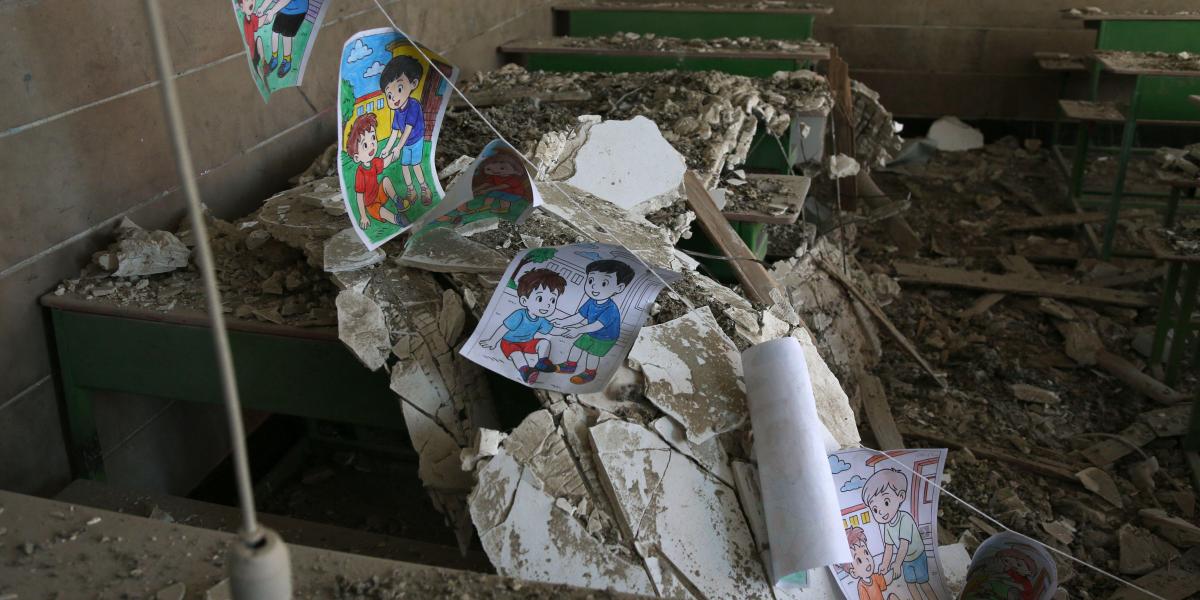
“Great nations do not fight endless wars,” Donald Trump said during his campaign when highlighting his “Americas First” message. Trump explicitly promised to maintain peace and keep American troops out of foreign wars. American blood has been shed in the Middle East once more amid Operation Epic Fury. Could this escalating war cause MAGA to fracture?
“We are not going to war with Iran. We are going to make sure they never have a nuclear weapon,” Trump once said. I’ve mentioned that I was particularly impressed with Donald Trump after visiting Mar-a-Lago. He was the first politician to voice genuine concern over American lives lost fighting endless wars. “After 19 years, it is time for them to police their own country. Bring our soldiers back home but closely watch what is going on and strike with a thunder like never before, if necessary!” he posted in 2020. Trump later vowed to bring our troops home by Christmas of that year.
The man who once remorsefully spoke of dreading watching mothers mourning their sons and daughters has been compromised, infiltrated by the neocons. He admitted that the US should have never been in Iraq or Afghanistan. He did not troops in Syria. Trump clearly acknowledged that the Middle East has endless generations of feuding and rivalry that cannot be stopped. “Peace in the Middle East” cannot be attained through warfare, and truthfully, it simply cannot be attained because of the deep rooted ideology that has been passed on throughout thousands of years.
The neocons fantasized of a 6-week war in Iraq back in 2003, but US troops remained on the ground until December 2011. The strike on Iran is expected to last “four to give weeks,” according to Washington officials who say they are on a “clear, decisive mission.” Israeli Prime Minister Netanyahu said it will take “some time” but “not years…not an endless war.”
Americans voted for peace and nationalism after four years of globalist policies. Trump has shot himself in the foot. Exactly on target with the ECM, 2026 is emerging as a major geopolitical turning point. The model has been warning that this year would mark a shift into a broader phase of instability. What we are witnessing is not is cyclical.
The computer is indicating that pressures will intensify into 2027, where we face a Panic Cycle that historically coincides with sudden escalation or an external shock event. Panic Cycles do not require full-scale world war but they dramatically increase the probability of geopolitical confrontation and capital flight. The risk is that regional conflicts merge, drawing in larger powers either directly or through proxies.
That escalation phase then carries forward into 2028, which stands as a Yearly Panic Cycle, which is a far more significant inflection point. When Panic Cycles align at both the shorter and longer time frames, the probability of systemic disruption rises sharply. This is where sovereign debt stress, currency instability, military confrontation, and political realignment can converge.
The key takeaway: 2026 is the pivot. 2027 introduces volatility and escalation risk. 2028 represents the potential systemic break.