No Result
View All Result
SUBMIT YOUR ARTICLES
  • Login
Thursday, April 30, 2026
TheAdviserMagazine.com
  • Home
  • Financial Planning
    • Financial Planning
    • Personal Finance
  • Market Research
    • Business
    • Investing
    • Money
    • Economy
    • Markets
    • Stocks
    • Trading
  • 401k Plans
  • College
  • IRS & Taxes
  • Estate Plans
  • Social Security
  • Medicare
  • Legal
  • Home
  • Financial Planning
    • Financial Planning
    • Personal Finance
  • Market Research
    • Business
    • Investing
    • Money
    • Economy
    • Markets
    • Stocks
    • Trading
  • 401k Plans
  • College
  • IRS & Taxes
  • Estate Plans
  • Social Security
  • Medicare
  • Legal
No Result
View All Result
TheAdviserMagazine.com
No Result
View All Result
Home Market Research Economy

Congress Wants Cheaper Housing—By Discouraging Housing Investment

by TheAdviserMagazine
1 month ago
in Economy
Reading Time: 3 mins read
A A
Congress Wants Cheaper Housing—By Discouraging Housing Investment
Share on FacebookShare on TwitterShare on LInkedIn


Housing affordability has become one of the most politically-charged economic issues in the United States. Home prices and rents have risen sharply over the past several years, leaving many families struggling to buy or rent a place to live. In response, members of Congress have proposed new legislation aimed at limiting large institutional investors from purchasing single-family homes. The goal is simple and politically popular: make housing more affordable for ordinary buyers. However, as is often the case with well-intentioned economic policy, the proposal risks creating consequences very different from those lawmakers expect.

In Washington, the rising cost of housing has produced a familiar political response: find someone to blame. In this case, the target is large institutional investors—firms that buy and manage hundreds of single-family homes as rental properties. Lawmakers argue that these investors are crowding out families and driving up home prices, and they have proposed restricting how many homes such firms can purchase. At first glance, the idea sounds appealing. If big investors buy fewer homes, perhaps more homes will be available for ordinary buyers.

The problem with this argument is that institutional investors make up only a very small portion of the housing market. Estimates suggest that large investors own roughly two percent of single-family homes nationwide. While their presence may be more visible in certain fast-growing cities, they are far from the dominant force in the national housing market that many political arguments suggest. Blaming a group that controls such a small share of the market risks distracting from the larger supply issues driving housing prices.

But the proposal goes much further than simply limiting purchases. Buried within the legislation is a rule aimed at the rapidly growing “build-to-rent” housing sector—developments where investors finance the construction of entire neighborhoods specifically designed for long-term rentals. Under the proposal, large investors involved in these projects could be required to sell the homes within seven years, often giving tenants the first opportunity to buy them.

At first glance, this may sound like a clever compromise. Investors can still help build new housing, but the homes will eventually end up in the hands of individual buyers. The problem is that build-to-rent projects exist precisely because investors expect to hold those properties for many years. Large housing developments require enormous upfront capital, from land acquisition and construction to infrastructure and financing costs. Investors typically rely on both steady rental income and long-term property appreciation to recover those costs and earn a return. A forced sale after only seven years limits the potential appreciation and increases the risk associated with the investment. If housing prices stagnate for even a short period during that window, investors may face significant losses. By shortening the investment horizon, the policy makes these projects far less attractive to the capital that finances them.

When investors become concerned about the safety of their capital, incentives change. Without large amounts of capital and a clear incentive to build homes for rent, construction slows or stops entirely. Housing development is expensive, and few projects move forward without significant investment backing them. If new rental housing is not being built, growing demand cannot be met. When supply tightens while demand remains strong, rents rise—hurting many of the same renters the policy is meant to help.

The seven-year rule also raises practical questions about what happens to the tenants living in these homes. Many renters sign multi-year leases and expect stability for their families. If an investor is required to sell a property after seven years, but the tenant cannot afford to buy the home, the situation becomes complicated. The property may need to be sold vacant to attract an owner-occupant buyer. That could mean tenants being asked to leave once their lease ends so the home can be sold. For families with children in local schools or jobs nearby, that kind of forced move can create significant disruption.

Housing markets are ultimately governed by incentives, capital, and supply. When demand for housing rises faster than new homes are built, prices increase. Discouraging the capital that finances new housing does not solve that problem—it risks making it worse. Institutional investors may be an easy political target, but they represent only a small share of the market and often play a role in financing new housing development. In many areas, the barriers to housing construction come from restrictive zoning laws, lengthy permitting processes, and regulatory costs that make new development slower and more expensive. If policymakers truly want to make housing more affordable, the solution is not to discourage housing investment but to remove the barriers that prevent more homes from being built.



Source link

Tags: cheapercongressdiscouraginghousingHousingByInvestment
ShareTweetShare
Previous Post

MGM Is Launching a Las Vegas ‘All-Inclusive’ — But Is It Worth It?

Next Post

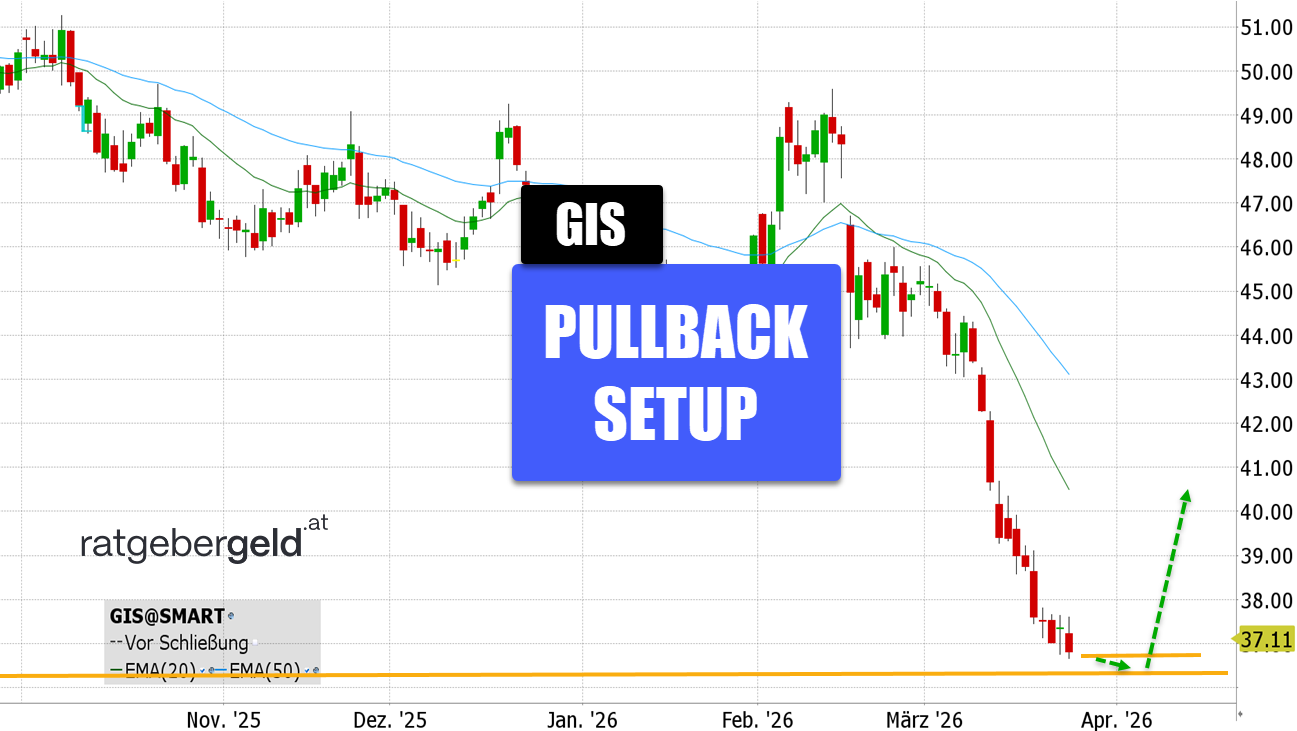
General Mills – GIS: Outside Reversal beim Lebensmittelhersteller!

Related Posts

edit post
Market Talk – April 30, 2026

Market Talk – April 30, 2026

by TheAdviserMagazine
April 30, 2026
0

ASIA: The major Asian stock markets had a mixed day today: • NIKKEI 225 decreased 632.54 points or -1.06% to...

edit post
Inside the Fed: Powell and Warsh set to clash

Inside the Fed: Powell and Warsh set to clash

by TheAdviserMagazine
April 30, 2026
0

Federal Reserve Chairman Jerome Powell, and Federal Reserve Nominee, Kevin Warsh.ReutersWhen the Federal Open Market Committee gathers again in mid-June,...

edit post
How Islamic Is the Islamic Republic of Iran?

How Islamic Is the Islamic Republic of Iran?

by TheAdviserMagazine
April 30, 2026
0

The Islamic Republic of Iran puts the law of the state, represented by the Iranian government, above canonical Islamic law,...

edit post
USAID Funded Aid Programs Abroad, But Mainly Was a Jobs Program for Progressives

USAID Funded Aid Programs Abroad, But Mainly Was a Jobs Program for Progressives

by TheAdviserMagazine
April 30, 2026
0

Although the original DOGE program by all measures failed to cut government spending in any significant way, its influence was...

edit post
Sam’s Links: April Edition – Econlib

Sam’s Links: April Edition – Econlib

by TheAdviserMagazine
April 30, 2026
0

Sam Enright works on innovation policy at Progress Ireland, an independent policy think tank in Dublin, and runs a publication...

edit post
US-Led Sanctions: The End of a Regime

US-Led Sanctions: The End of a Regime

by TheAdviserMagazine
April 30, 2026
0

Yves here. Please welcome Reza Assadi, who writes about geopolitics and in particular, Iran and the emerging multipolar order. Below...

Next Post
edit post
General Mills – GIS:  Outside Reversal beim Lebensmittelhersteller!

General Mills – GIS: Outside Reversal beim Lebensmittelhersteller!

edit post
Five New Lectures from Last Week’s LSC and AERC Academic Conferences

Five New Lectures from Last Week's LSC and AERC Academic Conferences

  • Trending
  • Comments
  • Latest
edit post
Florida Warning: With Senior SNAP Benefits Averaging 8/Month, Thousands Risk Losing Assistance in 2026

Florida Warning: With Senior SNAP Benefits Averaging $188/Month, Thousands Risk Losing Assistance in 2026

April 27, 2026
edit post
Tax Flight Accelerates In Massachusetts

Tax Flight Accelerates In Massachusetts

April 6, 2026
edit post
Property Tax Relief & Income Tax Relief

Property Tax Relief & Income Tax Relief

April 1, 2026
edit post
The Stevia Loophole Why Some Sweetened Drinks are Still SNAP-Legal While Others are Banned in Texas

The Stevia Loophole Why Some Sweetened Drinks are Still SNAP-Legal While Others are Banned in Texas

April 4, 2026
edit post
10 Cheapest High Dividend Stocks With P/E Ratios Under 10

10 Cheapest High Dividend Stocks With P/E Ratios Under 10

April 13, 2026
edit post
Virginia Permits ADULT MIGRANT MEN To Attend High School

Virginia Permits ADULT MIGRANT MEN To Attend High School

March 30, 2026
edit post
Chart of the Week: The Smart Money Inside Tech Is Still Bullish on AI

Chart of the Week: The Smart Money Inside Tech Is Still Bullish on AI

0
edit post
Trump admin views Iran ceasefire as War Powers reset, avoiding Congress approval

Trump admin views Iran ceasefire as War Powers reset, avoiding Congress approval

0
edit post
How Islamic Is the Islamic Republic of Iran?

How Islamic Is the Islamic Republic of Iran?

0
edit post
Does homeowners insurance cover water damage?

Does homeowners insurance cover water damage?

0
edit post
Retail Dilemma: NBFC top guns diverge on deposit rates

Retail Dilemma: NBFC top guns diverge on deposit rates

0
edit post
Apple (AAPL) Q2 FY26 sales, earnings beat estimates amid strong iPhone sales

Apple (AAPL) Q2 FY26 sales, earnings beat estimates amid strong iPhone sales

0
edit post
Trump admin views Iran ceasefire as War Powers reset, avoiding Congress approval

Trump admin views Iran ceasefire as War Powers reset, avoiding Congress approval

April 30, 2026
edit post
Retail Dilemma: NBFC top guns diverge on deposit rates

Retail Dilemma: NBFC top guns diverge on deposit rates

April 30, 2026
edit post
Are Ethereum Whales Dumping And Crashing The Price? Here’s What We Know

Are Ethereum Whales Dumping And Crashing The Price? Here’s What We Know

April 30, 2026
edit post
Meta’s threat to quit New Mexico ‘is showing the world how little it cares about child safety,’ AG says

Meta’s threat to quit New Mexico ‘is showing the world how little it cares about child safety,’ AG says

April 30, 2026
edit post
Osaic re-ups capital with B infusion from Reverence, Bain, Ares

Osaic re-ups capital with $2B infusion from Reverence, Bain, Ares

April 30, 2026
edit post
Easy Cheesy Kielbasa Pasta Skillet ( Family Dinner Idea)

Easy Cheesy Kielbasa Pasta Skillet ($10 Family Dinner Idea)

April 30, 2026
The Adviser Magazine

The first and only national digital and print magazine that connects individuals, families, and businesses to Fee-Only financial advisers, accountants, attorneys and college guidance counselors.

CATEGORIES

  • 401k Plans
  • Business
  • College
  • Cryptocurrency
  • Economy
  • Estate Plans
  • Financial Planning
  • Investing
  • IRS & Taxes
  • Legal
  • Market Analysis
  • Markets
  • Medicare
  • Money
  • Personal Finance
  • Social Security
  • Startups
  • Stock Market
  • Trading

LATEST UPDATES

  • Trump admin views Iran ceasefire as War Powers reset, avoiding Congress approval
  • Retail Dilemma: NBFC top guns diverge on deposit rates
  • Are Ethereum Whales Dumping And Crashing The Price? Here’s What We Know
  • Our Great Privacy Policy
  • Terms of Use, Legal Notices & Disclosures
  • Contact us
  • About Us

© Copyright 2024 All Rights Reserved
See articles for original source and related links to external sites.

Welcome Back!

Login to your account below

Forgotten Password?

Retrieve your password

Please enter your username or email address to reset your password.

Log In
No Result
View All Result
  • Home
  • Financial Planning
    • Financial Planning
    • Personal Finance
  • Market Research
    • Business
    • Investing
    • Money
    • Economy
    • Markets
    • Stocks
    • Trading
  • 401k Plans
  • College
  • IRS & Taxes
  • Estate Plans
  • Social Security
  • Medicare
  • Legal

© Copyright 2024 All Rights Reserved
See articles for original source and related links to external sites.