U.S.-Iran tensions have escalated again after American officials said Iran launched missiles at U.S. forces in the Middle East, ending a brief pause in direct fighting.
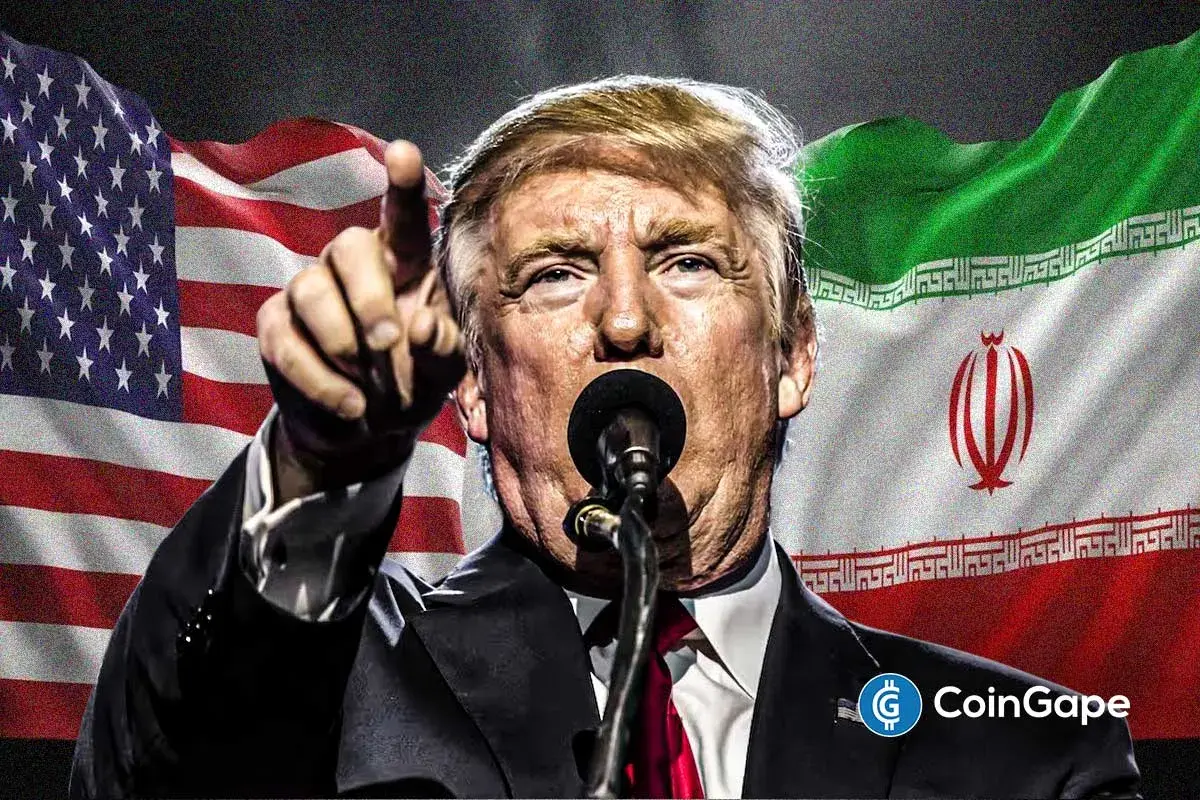
President Donald Trump promised retaliation after the U.S. military said it intercepted a “surprise attack” on American forces. In televised comments, Trump said, “We are going to beat the f**king sh*t out of them,” as markets reacted to renewed war risks.
U.S. and Saudi Forces Strike Iran-Backed Militias
U.S. Central Command said American and Saudi forces carried out joint strikes against Iran-allied Popular Mobilization Forces in Iraq. The group said at least 20 people were killed in the attacks.
The strikes mark a new phase in the conflict because Saudi Arabia has largely avoided deeper direct involvement. The latest action places Riyadh closer to the military confrontation between Washington and Tehran-backed forces.
A pro-Iranian militia coalition in Iraq later gave Baghdad an ultimatum to respond to the strikes. The group warned that it would act if the Iraqi government failed to take action.
Iran also fired missiles at U.S. military sites in Jordan, widening the conflict beyond earlier fronts. Jordan’s military said it intercepted and brought down five missiles launched from Iran early Wednesday.
The latest fighting follows the collapse of a ceasefire between the United States and Iran. Iran-linked groups across the region have since reopened old fronts and added pressure in Iraq, Jordan, Lebanon, and Saudi Arabia.
Oil Prices Rise as Shipping Routes Face Pressure
Oil prices climbed after fighting resumed across the region, with Brent crude jumping 7.1% to $87.87 a barrel as traders assessed threats to energy shipments and regional supply routes.
Shipping companies are also searching for alternative routes as maritime risks grow. Transits through the Bab al-Mandeb Strait have fallen sharply since a Houthi blockade against Saudi ports was announced.
Traffic through the Strait of Hormuz remains very low, adding pressure to global energy markets. The route is one of the world’s most important channels for oil and fuel shipments.
The U.S. Treasury also announced sanctions tied to an Iranian maritime insurance scheme. Officials said the action targeted two firms linked to the Islamic Revolutionary Guard Corps.
Treasury Secretary Scott Bessent said Iran’s economy was under severe stress and accused the regime of using shipping activity to raise funds. He said, “The United States will not allow Iran to hold global commerce hostage.”
The Treasury said the firms forced commercial vessels to purchase mandatory maritime “insurance” to transit the Strait of Hormuz. Officials also said some payments involved digital assets used to evade sanctions.
Stocks Fall While Bitcoin Holds Near $64,500
U.S. stocks lost about $670 billion in market value as the conflict intensified and oil prices rose. The selloff came as investors moved away from risk assets during renewed Middle East uncertainty.
However, the Federal Reserve’s rate decision gave markets some temporary relief. As we reported, the central bank left its benchmark interest rate unchanged at 3.50%-3.75% after its July policy meeting.
Due to that decision, Bitcoin has recovered from below $64,000, where it fell after the US-Iran war update, to trade near $64,500, holding modest gains despite geopolitical pressure.