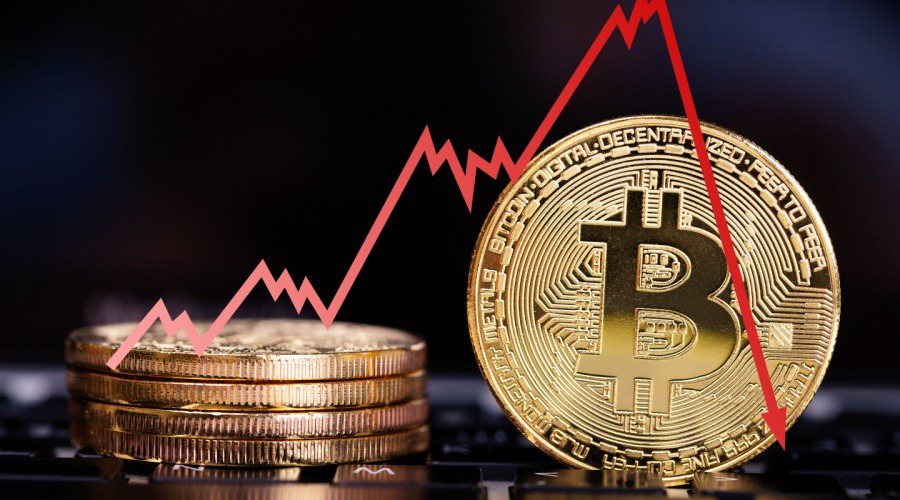
After touching more than $126,000 in October, Bitcoin plunges below $86,000 in
early December, a sobering wake-up call for investors betting on a perpetual
bull run
It did not go quietly. In early Asian trading on Monday December 1,
Bitcoin dropped sharply. The world’s biggest cryptocurrency lost
up to 6 percent, dipping below $86,000. Earlier reports had flagged it crossing under $88,000,
already a bruising moment after a rally that earlier pushed Bitcoin into six-figure
territory.
Bitcoin isn’t alone in this. Across the crypto market, tokens followed
the same flight path. Ethereum , for instance, tumbled
by more than 7 percent to around $2,800 in the same session, along with
drops for RP, BNB, Solana, Cardano, Tron and more.
Why It’s Falling: Risk Sentiment, Macro Jitters, and Exhausted Buyers
The decline is being widely described as a “risk-off
start to December”, meaning investors are dumping risky assets, and crypto
is at the top of that list.
BREAKING: Bitcoin falls -$4,000 in 2 hours as mass liquidations return.
$400 million worth of levered longs have been liquidated over the last 60 minutes. pic.twitter.com/qKB7MYJapu
— The Kobeissi Letter (@KobeissiLetter) December 1, 2025
Investor caution has ramped up amid macroeconomic uncertainty. With
fewer expecting interest-rate relief from the Federal Reserve and inflation
still stubborn in major economies, risk assets are getting trashed, and crypto
is no exception. In addition, there are fears that the Bank of Japan is set to
raise interest rates.
Absence of Dip-Buyers and Raised Red Flags
Normally, when Bitcoin dips, a fresh wave of buyers swoops in thinking
they’re getting a steal. Not this time. Analysts
point to “meagre inflows into Bitcoin exchange-traded funds and the absence
of dip buyers” as a key reason why the fall accelerated.
With no immediate bargain hunters coming in, leveraged positions likely
unwound quickly. The result: more liquidations, more downward pressure, more
panic.
Macro Cross-Winds and Institutional Strain
The crypto rally had been partly fueled by hopes around rate cuts and
institutional capital flows. That tide may be turning. Some institutional
holders are now sitting on losses. With falling prices, there’s also pressure
on crypto-heavy firms and funds, which may spark forced selling.
My family: You’ve been buying bitcoin for over 5 years you must be so rich by now
Me:pic.twitter.com/P1bVIOLBG3
— The ₿itcoin Therapist (@TheBTCTherapist) December 1, 2025
The broader pattern recalls previous sell-offs: high volatility , quick
reversals, and a steep flight from risk assets.
Danger, Opportunity, Or Both?
Several analysts now say the $80,000–$85,000
range has become critical support. If that zone holds, Bitcoin could
stabilize or even rebound over coming weeks. But if that floor cracks, we could
be witnessing the beginning of a much deeper drop. For holders who bought near
the October peak of $126,000, a return to profitability may still lie far off.
Volatility Is Back With a Vengeance
Crypto fans love volatility when it goes up. It’s less fun when it goes
down. This drop underlines how closely Bitcoin remains tied to risk sentiment
and macro conditions, and that it is not insulated from economic turbulence.
If macroeconomic uncertainty persists, say, further rate-hike surprises
or weak economic data, expect more swings. For veteran crypto traders, that
means opportunity. For newcomers, it could be bruising.
Could This Be a Buying Opportunity?
For disciplined investors, this might be a discount window. If holders
believe in Bitcoin’s long-term fundamentals, accumulating slowly via
dollar-cost averaging around support could pay off, provided they can stomach
the swings.
For hedge funds and institutional buyers, the collapse might also
reignite interest: lower prices, high liquidity, potential for rebound, if
macroeconomic winds shift back in their favor.
But Don’t Pretend It’s Risk-Free
This is not a safe haven. Bitcoin is behaving like an ultra-volatile
risk asset, correlated with broader markets, sensitive to policy signals, and
prone to sudden dumps. Anyone treating this as digital gold or a stable store
of value is likely in for a shock.
LIKE, IF YOU ARE NOT SELLING #BITCOIN pic.twitter.com/ZFD82Cj4N2
— Vivek Sen (@Vivek4real_) December 1, 2025
What’s Next: What to Watch
Whether Bitcoin stabilizes near $85,000–$80,000 or slides toward lower
zones.Fresh signals from central banks (especially the Fed) on interest-rate
policy.ETF flows and institutional demand: whether buyers step in or continue
pulling out.Global market sentiment. If equities recover, crypto could ride shotgun
— but if the risk-off mood deepens, more pain may be coming.
Bitcoin’s crash below $86,000 might feel like a gut-punch for bulls.
But in volatile crypto land, yesterday’s horrors can become tomorrow’s value
plays, if you’re ready for the ride.
After touching more than $126,000 in October, Bitcoin plunges below $86,000 in
early December, a sobering wake-up call for investors betting on a perpetual
bull run
It did not go quietly. In early Asian trading on Monday December 1,
Bitcoin dropped sharply. The world’s biggest cryptocurrency lost
up to 6 percent, dipping below $86,000. Earlier reports had flagged it crossing under $88,000,
already a bruising moment after a rally that earlier pushed Bitcoin into six-figure
territory.
Bitcoin isn’t alone in this. Across the crypto market, tokens followed
the same flight path. Ethereum , for instance, tumbled
by more than 7 percent to around $2,800 in the same session, along with
drops for RP, BNB, Solana, Cardano, Tron and more.
Why It’s Falling: Risk Sentiment, Macro Jitters, and Exhausted Buyers
The decline is being widely described as a “risk-off
start to December”, meaning investors are dumping risky assets, and crypto
is at the top of that list.
BREAKING: Bitcoin falls -$4,000 in 2 hours as mass liquidations return.
$400 million worth of levered longs have been liquidated over the last 60 minutes. pic.twitter.com/qKB7MYJapu
— The Kobeissi Letter (@KobeissiLetter) December 1, 2025
Investor caution has ramped up amid macroeconomic uncertainty. With
fewer expecting interest-rate relief from the Federal Reserve and inflation
still stubborn in major economies, risk assets are getting trashed, and crypto
is no exception. In addition, there are fears that the Bank of Japan is set to
raise interest rates.
Absence of Dip-Buyers and Raised Red Flags
Normally, when Bitcoin dips, a fresh wave of buyers swoops in thinking
they’re getting a steal. Not this time. Analysts
point to “meagre inflows into Bitcoin exchange-traded funds and the absence
of dip buyers” as a key reason why the fall accelerated.
With no immediate bargain hunters coming in, leveraged positions likely
unwound quickly. The result: more liquidations, more downward pressure, more
panic.
Macro Cross-Winds and Institutional Strain
The crypto rally had been partly fueled by hopes around rate cuts and
institutional capital flows. That tide may be turning. Some institutional
holders are now sitting on losses. With falling prices, there’s also pressure
on crypto-heavy firms and funds, which may spark forced selling.
My family: You’ve been buying bitcoin for over 5 years you must be so rich by now
Me:pic.twitter.com/P1bVIOLBG3
— The ₿itcoin Therapist (@TheBTCTherapist) December 1, 2025
The broader pattern recalls previous sell-offs: high volatility , quick
reversals, and a steep flight from risk assets.
Danger, Opportunity, Or Both?
Several analysts now say the $80,000–$85,000
range has become critical support. If that zone holds, Bitcoin could
stabilize or even rebound over coming weeks. But if that floor cracks, we could
be witnessing the beginning of a much deeper drop. For holders who bought near
the October peak of $126,000, a return to profitability may still lie far off.
Volatility Is Back With a Vengeance
Crypto fans love volatility when it goes up. It’s less fun when it goes
down. This drop underlines how closely Bitcoin remains tied to risk sentiment
and macro conditions, and that it is not insulated from economic turbulence.
If macroeconomic uncertainty persists, say, further rate-hike surprises
or weak economic data, expect more swings. For veteran crypto traders, that
means opportunity. For newcomers, it could be bruising.
Could This Be a Buying Opportunity?
For disciplined investors, this might be a discount window. If holders
believe in Bitcoin’s long-term fundamentals, accumulating slowly via
dollar-cost averaging around support could pay off, provided they can stomach
the swings.
For hedge funds and institutional buyers, the collapse might also
reignite interest: lower prices, high liquidity, potential for rebound, if
macroeconomic winds shift back in their favor.
But Don’t Pretend It’s Risk-Free
This is not a safe haven. Bitcoin is behaving like an ultra-volatile
risk asset, correlated with broader markets, sensitive to policy signals, and
prone to sudden dumps. Anyone treating this as digital gold or a stable store
of value is likely in for a shock.
LIKE, IF YOU ARE NOT SELLING #BITCOIN pic.twitter.com/ZFD82Cj4N2
— Vivek Sen (@Vivek4real_) December 1, 2025
What’s Next: What to Watch
Whether Bitcoin stabilizes near $85,000–$80,000 or slides toward lower
zones.Fresh signals from central banks (especially the Fed) on interest-rate
policy.ETF flows and institutional demand: whether buyers step in or continue
pulling out.Global market sentiment. If equities recover, crypto could ride shotgun
— but if the risk-off mood deepens, more pain may be coming.
Bitcoin’s crash below $86,000 might feel like a gut-punch for bulls.
But in volatile crypto land, yesterday’s horrors can become tomorrow’s value
plays, if you’re ready for the ride.