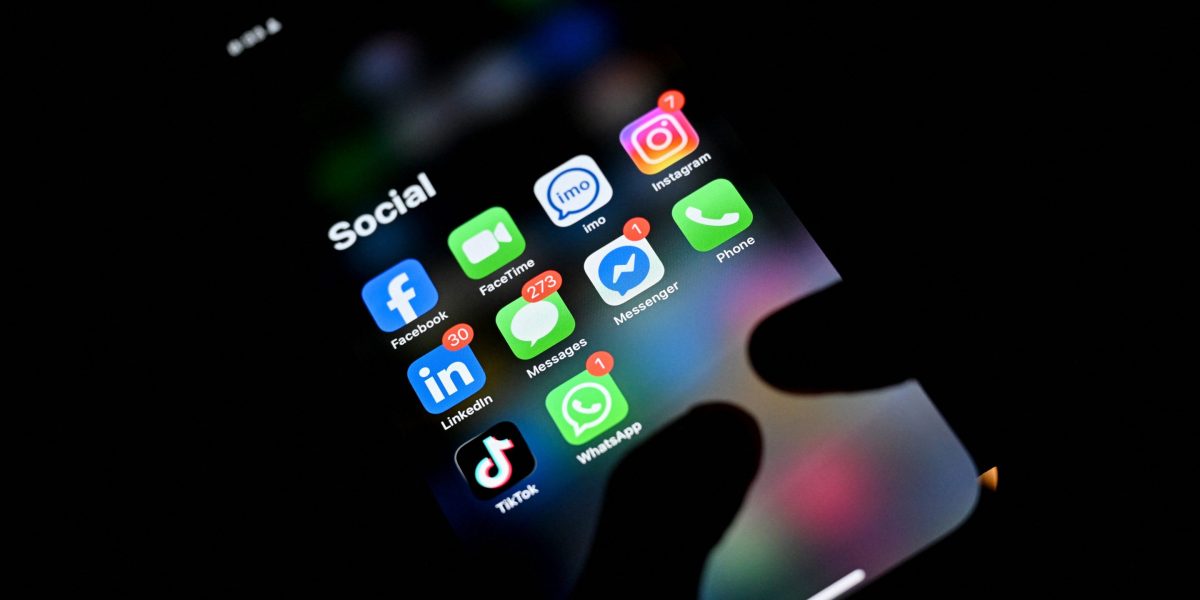
Tens of millions of Americans now go to TikTok, Instagram and YouTube when they’re worried about their health.
A recent Pew Research survey found that half of U.S. adults under 50 turn to influencers and podcasts on mostly those three platforms when they’re trying to take better care of their health, and they stumble across the content rather than looking for it.
While many of those health and wellness influencers position themselves as some kind of healthcare professional, Pew’s analysis found that the majority – moms, coaches and entrepreneurs – do not. Instead, they leverage their personal experiences losing weight, living with illnesses or being caregivers to dole out advice.
Women – who made up two thirds of the health influencers – were more likely to signal expertise by sharing their life experiences, especially with children. They were three times more likely to refer to being a mom than men mentioned being a dad.
Black, Hispanic and Asian Americans and those without health insurance are “particularly likely” to get health advice from influencers, demographics that are historically underserved by the medical establishment.
“We need to do a better job of reaching our patients where they are and building trust and being out in the community and being available digitally,” Dr. Alok Patel, a Stanford Children’s Hospital physician, told ABC News in reaction to the Pew survey.
More Americans trusting influencers over health professionals risks them also falling for health disinformation online. Fortune previously reported on the fact that seven in 10 people worldwide believe in debunked health myths and nearly half of Gen Z patients disregard doctors’ advice in favor of their friends or social media.
This trend of opting for an influencer’s word over a doctor’s advice reflects a landscape where medical expertise is less trusted, especially since the COVID-19 pandemic. According to Gallup, trust in doctors’ ethics has dropped 14 percentage points since 2021 and is now at its lowest point since the mid-90s. Gallup polling also shows less than half of U.S. adults also say their overall healthcare is “excellent” or “good”, dropping 10 percentage points since 2020 after “steadily eroding each year.”