No Result
View All Result
SUBMIT YOUR ARTICLES
  • Login
Tuesday, June 9, 2026
TheAdviserMagazine.com
  • Home
  • Financial Planning
    • Financial Planning
    • Personal Finance
  • Market Research
    • Business
    • Investing
    • Money
    • Economy
    • Markets
    • Stocks
    • Trading
  • 401k Plans
  • College
  • IRS & Taxes
  • Estate Plans
  • Social Security
  • Medicare
  • Legal
  • Home
  • Financial Planning
    • Financial Planning
    • Personal Finance
  • Market Research
    • Business
    • Investing
    • Money
    • Economy
    • Markets
    • Stocks
    • Trading
  • 401k Plans
  • College
  • IRS & Taxes
  • Estate Plans
  • Social Security
  • Medicare
  • Legal
No Result
View All Result
TheAdviserMagazine.com
No Result
View All Result
Home Market Research Business

Chinese beauty brands flock to Southeast Asia as their first step in going global

by TheAdviserMagazine
4 hours ago
in Business
Reading Time: 4 mins read
A A
Chinese beauty brands flock to Southeast Asia as their first step in going global
Share on FacebookShare on TwitterShare on LInkedIn


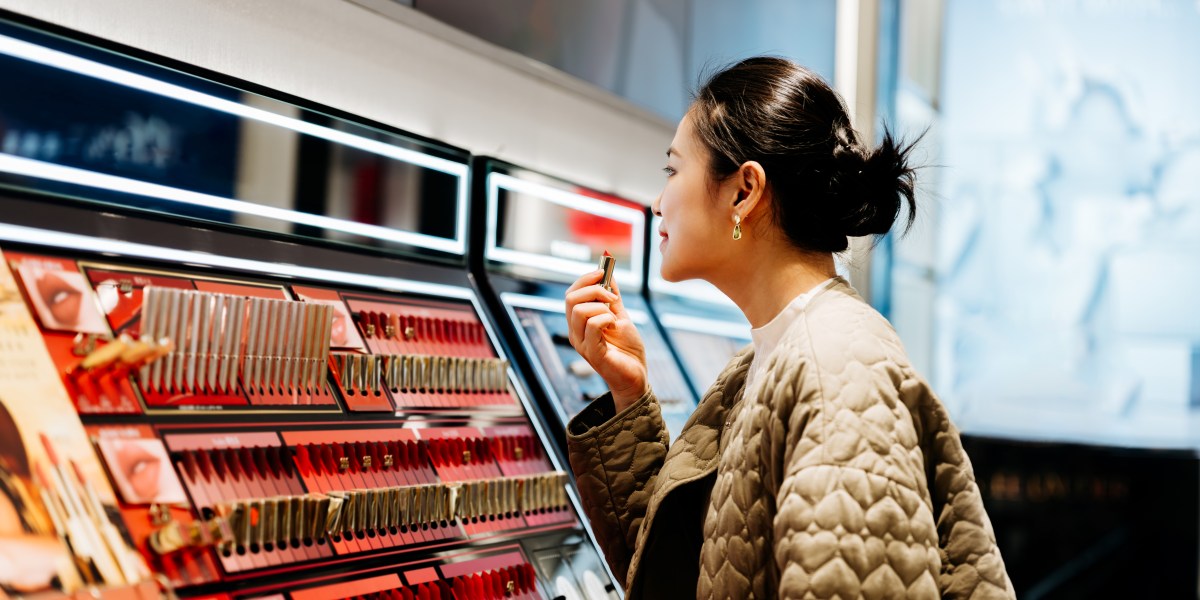
Following the immense popularity of Japanese and Korean beauty products, many Chinese cosmetic brands are now looking to go global. Their first stop? Southeast Asia.

Joy Group, the parent company behind C-beauty brands Judydoll and Joocyee, will open a store in Malaysia by the end of the year, after debuting its first overseas boutiques in Singapore last year. 

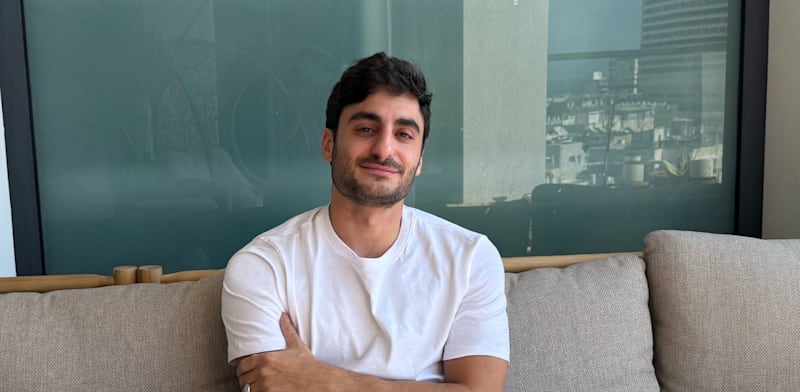
“Southeast Asia has a huge consumer market, and people are generally very accepting of Chinese products,” Fanqi Kong, Joy Group’s general manager of international business, tells Fortune. Joy Group opened its Singapore office in 2024, which it designated as a regional hub to tap other Southeast Asian markets.

In 2025, the group’s retail sales exceeded $730 million, of which $87 million came from overseas sales. Vietnam is now Joy Group’s top overseas market.

Joy is part of a broader push by Chinese consumer brands to go global, a decision so common it’s even spawned a business buzzword, chuhai. Brutal competition at home has pushed Chinese brands like BYD, Geely, Huawei and Xiaomi to venture into overseas markets. 

Chinese companies initially focused on Western markets like the U.S. and Europe in their global push. But many are now pivoting to Southeast Asia, where Chinese brands have found greater success, due to geographical proximity, cultural similarities, and generally young populations. 

Between 2019 and 2024, Chinese color cosmetics and skincare brands in Southeast Asia reported compound annual growth rates of 70% and 115% respectively, according to data analytics firm Euromonitor.

“There was a perception among Chinese businesses that exporting their products to the most established markets is the best way to promote their brand,” says Dianna Chang, an associate professor at the Singapore University of Social Sciences (SUSS). “But now, they’re finding a lot of relevance in Southeast Asia—it’s closer to home and encompasses many emerging economies with young populations.” 

How Chinese brands got ahead

Consumers previously wrote off Chinese goods as inferior, as Chinese manufacturers prioritized quick market entry over original designs. “There were jokes going around about how Chery QQ cars wouldn’t pass the crash test,” says Lewis Lim, an associate professor from Singapore’s Nanyang Technological University (NTU). “And when Xiaomi entered the smartphone market in 2014, it was seen as a functional, affordable option—you couldn’t expect too much from it, but it worked.”

Yet over time, Chinese workers picked up technical know-how by working for foreign multinationals. “Some of the most advanced cosmetics were manufactured in China in the past, so workers learned how to make them,” says Chang. “Skincare is built a lot on chemistry, so the foundational understanding of material science also matters.” 

China has also poured large sums of money into research and development. In 2024, China invested $1.03 trillion into R&D, ahead of the U.S.’s $1.01 trillion, according to the Organisation for Economic Co-operation and Development. 

“The one big difference between the Chinese expansion and previous efforts from Japanese and Korean brands is that they are backed by a government eager to increase its soft, cultural power across the world, especially starting with its Asian neighborhood,” says Seshan Ramaswami, a marketing expert from the Singapore Management University (SMU).

Chinese firms have also learned to better market their products internationally. “They’re learning from foreign brands about the importance of branding, storytelling and packaging,” says Chang. “For instance, some C-beauty brands have opted to focus more on Chinese heritage, and weave in elements of traditional Chinese medicine.”

The growing popularity of Chinese pop culture—including minute-long microdramas and TikTok reels of ‘cyberpunk’ cities like Chongqing—is also boosting the popularity of C-beauty brands. “After drinking boba tea and watching Chinese dramas, it’s natural for people to begin to accept and purchase C-beauty products,” Lim says.

C-beauty firms are broadening their product offerings to cater to a wider array of customers. Joy Group has expanded its shade ranges to include deeper skin tone options, and is rolling out sunscreen cushions and waterproof lip ink designed for Southeast Asia’s hot and humid climate. 

“Within Southeast Asia, we’re experimenting with a self-operating model, and building our own local entities and teams,” says Kong. Apart from its few boutiques in Singapore, Joy Group sells its goods through e-commerce platforms like Shopee, Lazada and Tiktok Shop and in omnichannel retail stores like Sephora, Lazada, and Watsons.

Going beyond Southeast Asia

C-beauty giants haven’t abandoned lucrative Western markets. Flower Knows, the viral fairy-themed C-beauty brand, entered the U.S. in 2024 via retail partnerships with Ulta Beauty and Urban Outfitters; Joy Group pushed into the European market last year, after acquiring Italian dermatological hair care brand Foltène. Many newer C-beauty brands, like Florasis, Perfect Diary and Catkin, also debuted with English names to boost their international appeal.

Yet whether C-beauty brands can effectively break into more culturally distinct markets, like the West and the Middle East, remains to be seen. 

“It would be easier for ‘hard’ products like EVs, since the competitive advantage mainly lies in the strength of the technology,” Lim concludes, pointing to how BYD cars are already selling well globally. “But products like cosmetics have to be adapted to the biological needs of your skin, so it might be hard for C-beauty brands to break into other markets as easily.”




Source link

Tags: AsiaBeautyBrandsChineseflockGlobalsoutheastStep
ShareTweetShare
Previous Post

Mid and smallcaps get the money as Nifty lags

Next Post

UK Proposes Limited Retail Fund Exposure to Crypto

Related Posts

edit post
Redington shares rally 5% after Apple unveils new features at WWDC 2026

Redington shares rally 5% after Apple unveils new features at WWDC 2026

by TheAdviserMagazine
June 9, 2026
0

Shares of Redington surged nearly 5% on Tuesday after Apple unveiled a completely rebuilt Siri at its Worldwide Developers Conference...

edit post
Mid and smallcaps get the money as Nifty lags

Mid and smallcaps get the money as Nifty lags

by TheAdviserMagazine
June 8, 2026
0

The Advance-Decline Ratio (ADR), a widely watched indicator of overall market health, was above one for May, pointing to growing...

edit post
Mission Produce forecasts M-M second half adjusted EBITDA following Calavo close, with M synergies targeted within 18 months (NASDAQ:AVO)

Mission Produce forecasts $84M-$88M second half adjusted EBITDA following Calavo close, with $25M synergies targeted within 18 months (NASDAQ:AVO)

by TheAdviserMagazine
June 8, 2026
0

Earnings Call Insights: Mission Produce, Inc. (AVO) Q2 2026 Management View "Following our annual meeting in April, I formally stepped...

edit post
Anduril CEO Brian Schimpf says economic warfare is the ‘new normal’ for military conflicts

Anduril CEO Brian Schimpf says economic warfare is the ‘new normal’ for military conflicts

by TheAdviserMagazine
June 8, 2026
0

Brian Schimpf, CEO of defense tech company Anduril, says that the nature of modern armed conflict has fundamentally shifted—and that...

edit post
US stocks: S&P 500, Nasdaq end up as tech, chipmakers rebound

US stocks: S&P 500, Nasdaq end up as tech, chipmakers rebound

by TheAdviserMagazine
June 8, 2026
0

U.S. stocks ended mostly higher on Monday, led by gains in the Nasdaq and chipmakers as investors sought bargains after...

edit post
The chart AI bulls can’t ignore (AIQ:NASDAQ)

The chart AI bulls can’t ignore (AIQ:NASDAQ)

by TheAdviserMagazine
June 8, 2026
0

Jun 08, 2026, 3:42 PM ETGlobal X Artificial Intelligence & Technology ETF (AIQ), DRAM, SMHPSI, GOOG, XSD, USD, SOXL, SOXX,...

Next Post
edit post
UK Proposes Limited Retail Fund Exposure to Crypto

UK Proposes Limited Retail Fund Exposure to Crypto

edit post
People who spend their Sunday rebuilding their task system instead of doing the tasks aren’t procrastinating, many are trying to feel in control of a week they secretly believe will overwhelm them

People who spend their Sunday rebuilding their task system instead of doing the tasks aren't procrastinating, many are trying to feel in control of a week they secretly believe will overwhelm them

  • Trending
  • Comments
  • Latest
edit post
Supreme Court Delivers More Bad Redistricting News for Democrats

Supreme Court Delivers More Bad Redistricting News for Democrats

May 19, 2026
edit post
From Maine to Michigan, Democrats Are Making Communism Great Again

From Maine to Michigan, Democrats Are Making Communism Great Again

May 16, 2026
edit post
The 8 States That Still Tax Social Security in 2026

The 8 States That Still Tax Social Security in 2026

June 6, 2026
edit post
A Tax on Social Media – Blue-State Governments’ Newest Ploy

A Tax on Social Media – Blue-State Governments’ Newest Ploy

June 5, 2026
edit post
It’s Time To Talk About Massie

It’s Time To Talk About Massie

May 23, 2026
edit post
Red Snapper Used as Cudgel by Fed Judge

Red Snapper Used as Cudgel by Fed Judge

May 31, 2026
edit post
Why You Should Think Twice Before Letting a Contractor Inside

Why You Should Think Twice Before Letting a Contractor Inside

0
edit post
Redington shares rally 5% after Apple unveils new features at WWDC 2026

Redington shares rally 5% after Apple unveils new features at WWDC 2026

0
edit post
What the Verdict Might Have Said: Jury Black Boxes in Ollnova v. ecobee

What the Verdict Might Have Said: Jury Black Boxes in Ollnova v. ecobee

0
edit post
Total Experience Score, 2026: Growth Breaks When Experiences Fragment

Total Experience Score, 2026: Growth Breaks When Experiences Fragment

0
edit post
The estate planning ‘haircut’ advisors should know about

The estate planning ‘haircut’ advisors should know about

0
edit post
Chinese beauty brands flock to Southeast Asia as their first step in going global

Chinese beauty brands flock to Southeast Asia as their first step in going global

0
edit post
Redington shares rally 5% after Apple unveils new features at WWDC 2026

Redington shares rally 5% after Apple unveils new features at WWDC 2026

June 9, 2026
edit post
People who spend their Sunday rebuilding their task system instead of doing the tasks aren’t procrastinating, many are trying to feel in control of a week they secretly believe will overwhelm them

People who spend their Sunday rebuilding their task system instead of doing the tasks aren’t procrastinating, many are trying to feel in control of a week they secretly believe will overwhelm them

June 9, 2026
edit post
UK Proposes Limited Retail Fund Exposure to Crypto

UK Proposes Limited Retail Fund Exposure to Crypto

June 9, 2026
edit post
Chinese beauty brands flock to Southeast Asia as their first step in going global

Chinese beauty brands flock to Southeast Asia as their first step in going global

June 9, 2026
edit post
Mid and smallcaps get the money as Nifty lags

Mid and smallcaps get the money as Nifty lags

June 8, 2026
edit post
Mission Produce forecasts M-M second half adjusted EBITDA following Calavo close, with M synergies targeted within 18 months (NASDAQ:AVO)

Mission Produce forecasts $84M-$88M second half adjusted EBITDA following Calavo close, with $25M synergies targeted within 18 months (NASDAQ:AVO)

June 8, 2026
The Adviser Magazine

The first and only national digital and print magazine that connects individuals, families, and businesses to Fee-Only financial advisers, accountants, attorneys and college guidance counselors.

CATEGORIES

  • 401k Plans
  • Business
  • College
  • Cryptocurrency
  • Economy
  • Estate Plans
  • Financial Planning
  • Investing
  • IRS & Taxes
  • Legal
  • Market Analysis
  • Markets
  • Medicare
  • Money
  • Personal Finance
  • Social Security
  • Startups
  • Stock Market
  • Trading

LATEST UPDATES

  • Redington shares rally 5% after Apple unveils new features at WWDC 2026
  • People who spend their Sunday rebuilding their task system instead of doing the tasks aren’t procrastinating, many are trying to feel in control of a week they secretly believe will overwhelm them
  • UK Proposes Limited Retail Fund Exposure to Crypto
  • Our Great Privacy Policy
  • Terms of Use, Legal Notices & Disclosures
  • Contact us
  • About Us

© Copyright 2024 All Rights Reserved
See articles for original source and related links to external sites.

Welcome Back!

Login to your account below

Forgotten Password?

Retrieve your password

Please enter your username or email address to reset your password.

Log In
No Result
View All Result
  • Home
  • Financial Planning
    • Financial Planning
    • Personal Finance
  • Market Research
    • Business
    • Investing
    • Money
    • Economy
    • Markets
    • Stocks
    • Trading
  • 401k Plans
  • College
  • IRS & Taxes
  • Estate Plans
  • Social Security
  • Medicare
  • Legal

© Copyright 2024 All Rights Reserved
See articles for original source and related links to external sites.