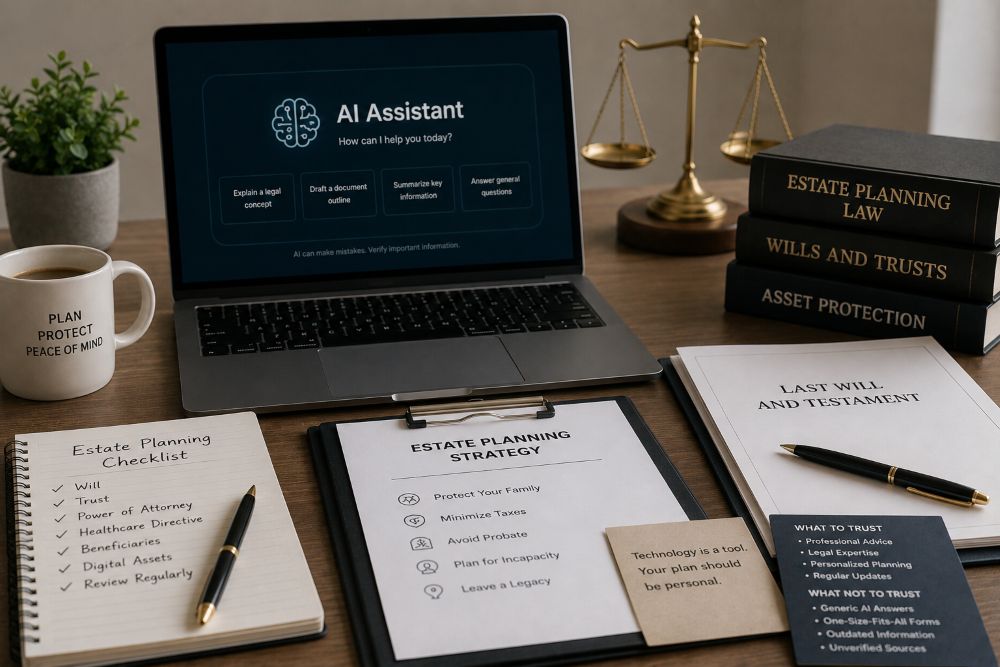
As our financial lives migrate to the cloud and our personal memories move from photo albums to servers, the field of estate planning is adapting to match this reality. Gone are the days when a physical lockbox was sufficient to hold every critical document or asset a person owned. Today, estate planning involves managing a complex mix of physical and virtual property to verify your legacy is secure. At Wilson & Wilson, we help clients adapt to these changes by creating robust plans that address both traditional assets and the growing importance of digital property.
Here is what you need to know about digital estate planning:
New options for secure digital document storage
The rise of digital wills and online platforms
Understanding electronic signatures and state requirements
Strategies for organizing digital assets in your estate plan
How Can I Securely Store Estate Documents?
One of the most significant shifts in modern planning is how we store and access critical legal documents. While keeping original physical copies of your will and trusts is still necessary for many legal processes, digital storage offers a secure backup and easier access for your fiduciaries.
Many people now utilize encrypted cloud storage services to house copies of their healthcare directives, powers of attorney and trust documents. This allows authorized family members or agents to access information quickly during an emergency without hunting for a physical key. However, security is paramount. When choosing a digital storage solution, look for platforms that offer:
Two-factor authentication
End-to-end encryption
Legacy contact features that grant access only after death or incapacity
Are Digital Wills and Online Platforms Legitimate?
The convenience of creating a will online has led to a surge in digital platforms offering do-it-yourself estate planning documents. While these services may seem appealing for their speed and low cost, they often lack the personalized counsel necessary to address complex family dynamics or tax implications.
A digital will creates a printed document you sign, but purely electronic wills that are signed and stored entirely online are a newer legal concept that is not valid in every state. Relying on a generic online form can lead to errors that might invalidate your wishes or cause unintended consequences for your heirs. Working with an experienced attorney allows you to use technology for efficiency while maintaining the legal integrity of your plan.
Do Electronic Signatures Meet State Requirements?
The acceptance of electronic signatures (e-signatures) has expanded rapidly, particularly following the pandemic. In many areas of law, an e-signature is just as binding as a wet-ink signature. However, estate planning documents often face stricter regulations to prevent fraud and undue influence.
State laws vary significantly regarding which documents can be signed electronically. For example, while a beneficiary designation form for a 401(k) might easily be updated online, a Last Will and Testament often requires a physical signature witnessed by disinterested parties to be considered valid in probate court. It is vital to consult with a legal professional to verify that your execution method complies with local statutes so your documents hold up when it matters most.
How Should I Organize Digital Assets in My Estate Plan?
Your “digital estate” includes everything from cryptocurrency and online banking accounts to social media profiles and digital photo libraries. Without a clear plan, these assets can be lost forever or become inaccessible to your loved ones due to privacy laws and company policies.
To protect these items, you must create a comprehensive inventory. This inventory should be kept separate from your will (as wills become public record upon probate) but stored where your executor or trustee can find it.
Your digital asset inventory should include:
Financial Accounts: Login credentials for online banking, investment apps, PayPal and Venmo.
Digital Property: Access information for domain names, blogs, affiliate income accounts and non-fungible tokens (NFTs).
Sentimental Assets: Passwords for email accounts, cloud photo storage and social media profiles.
You should also review the “legacy contact” settings on platforms like Facebook, Google and Apple. These tools allow you to designate someone to manage or memorialize your account after you pass away. By addressing these items now, you save your family from the frustration of being locked out of valuable or sentimental accounts.
Ready to Secure Your Digital Legacy?
Estate planning is no longer just about physical property; it requires a strategy that encompasses your entire digital footprint. From understanding the limitations of electronic signatures to cataloging your online accounts, taking these steps will guarantee your wishes are honored in the digital age.
Contact Wilson & Wilson today. Our attorneys are ready to help you build a forward-thinking plan that protects your assets and provides peace of mind for your loved ones.