No Result
View All Result
SUBMIT YOUR ARTICLES
  • Login
Sunday, April 19, 2026
TheAdviserMagazine.com
  • Home
  • Financial Planning
    • Financial Planning
    • Personal Finance
  • Market Research
    • Business
    • Investing
    • Money
    • Economy
    • Markets
    • Stocks
    • Trading
  • 401k Plans
  • College
  • IRS & Taxes
  • Estate Plans
  • Social Security
  • Medicare
  • Legal
  • Home
  • Financial Planning
    • Financial Planning
    • Personal Finance
  • Market Research
    • Business
    • Investing
    • Money
    • Economy
    • Markets
    • Stocks
    • Trading
  • 401k Plans
  • College
  • IRS & Taxes
  • Estate Plans
  • Social Security
  • Medicare
  • Legal
No Result
View All Result
TheAdviserMagazine.com
No Result
View All Result
Home Market Research Startups

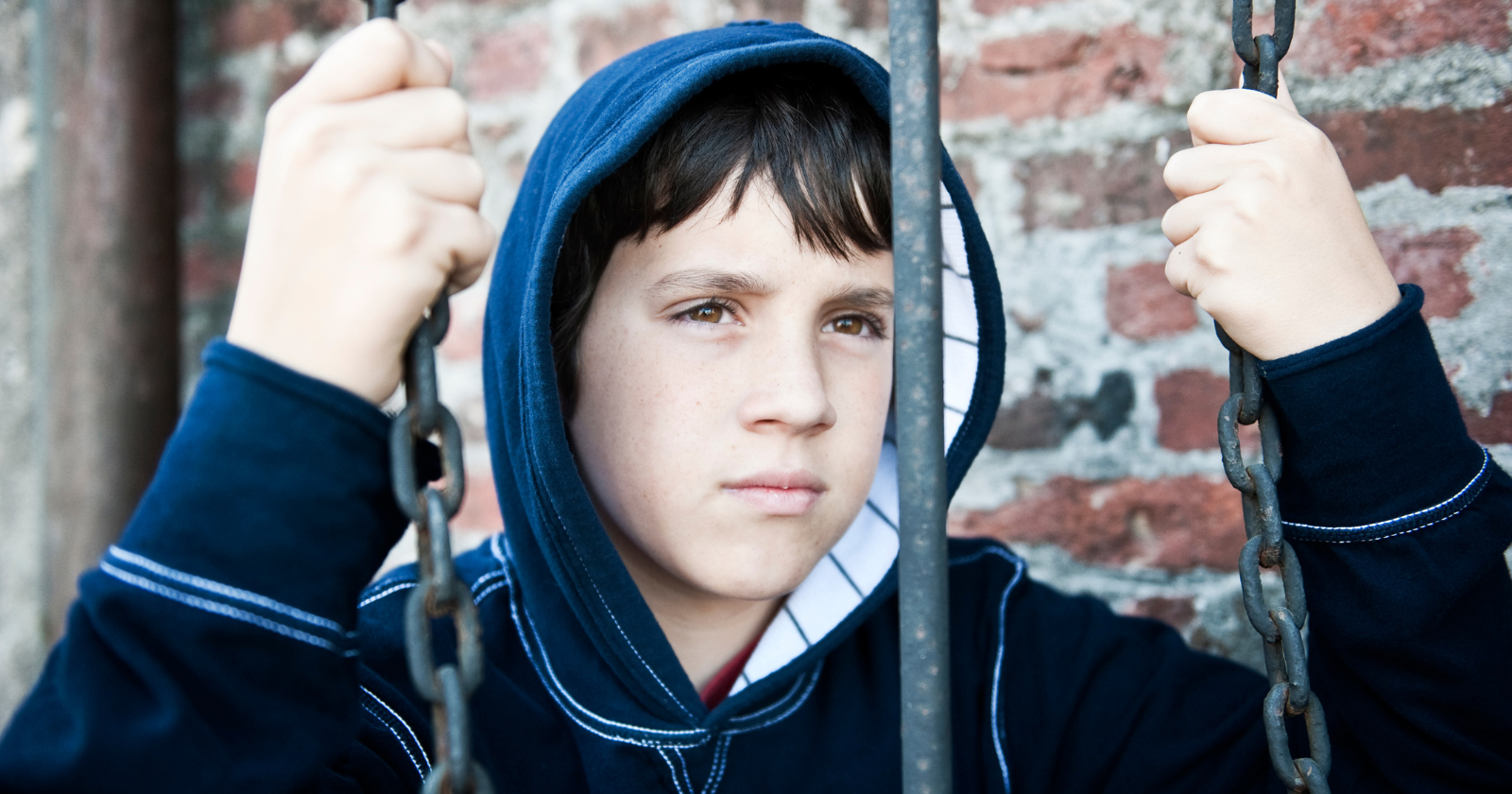
People who turned out genuinely kind despite a tough childhood didn’t learn kindness — they absorbed its absence so completely that its presence became the one thing they couldn’t withhold from anyone who needed it, not as a decision, but as the only response available to a person formed the way they were formed

by TheAdviserMagazine
3 weeks ago
in Startups
Reading Time: 5 mins read
A A
People who turned out genuinely kind despite a tough childhood didn’t learn kindness — they absorbed its absence so completely that its presence became the one thing they couldn’t withhold from anyone who needed it, not as a decision, but as the only response available to a person formed the way they were formed
Share on FacebookShare on TwitterShare on LInkedIn


I’ve noticed something about the kindest people I know. Almost none of them had it easy growing up.

That might sound counterintuitive. You’d think kindness would be a product of warmth, stability, and plenty of love during the formative years. And sometimes it is. But some of the most genuinely compassionate people I’ve encountered didn’t learn kindness because it was modelled for them. They learned it because they knew, with absolute clarity, what its absence felt like.

And that knowledge changed them. Not as a conscious choice, but as something closer to reflex.

Psychology has started catching up with what many of us have observed for years. The idea that suffering only produces damage is being challenged by a growing body of research showing that adversity can also produce something unexpected: deep, enduring empathy.

When suffering sharpens instead of hardens

The default narrative around childhood trauma is overwhelmingly negative. And for good reason. Adverse childhood experiences are linked to a long list of difficulties in adult life, from depression to relationship struggles. Nobody is arguing that a tough childhood is somehow a gift.

But the full picture is more complicated than the headlines suggest.

A study published in PLOS ONE by researchers at the City University of New York and the University of Cambridge examined whether childhood trauma was linked to heightened empathy in adulthood. Across multiple samples and measures, they found that adults who had experienced traumatic events during childhood showed elevated levels of empathy compared to those who had not. The more severe the trauma, the stronger the correlation with empathic concern for others.

The researchers suggested that empathy may be what they called an “end-product” of posttraumatic growth, something that develops as a person processes and integrates difficult early experiences over time.

I grew up working-class outside Manchester. It wasn’t a traumatic childhood by any serious measure, but it wasn’t soft either. My dad worked in a factory and got involved in the union. My mum worked in retail. What I absorbed from both of them wasn’t so much a lesson in kindness as a lesson in paying attention to people. My mum, in particular, had this way of noticing when someone was struggling before they’d said a word. She didn’t need a psychology degree to read a room. She’d lived enough to recognise discomfort when she saw it.

The science of compassion after adversity

The idea that suffering can produce kindness has a formal name in psychology: “altruism born of suffering.” The concept was introduced by researchers Ervin Staub and Johanna Vollhardt and published in the American Journal of Orthopsychiatry. They proposed that victimisation and hardship can lead to a strengthened sense of personal responsibility for others’ welfare, increased empathy, and a more positive orientation toward people.

This challenges the conventional wisdom that pain only breeds more pain. Staub and Vollhardt found evidence that people who had suffered, whether through family violence, natural disasters, or political persecution, often became more attuned to others’ distress rather than less.

Building on this, psychologists Daniel Lim and David DeSteno published findings in the journal Emotion showing that the severity of past adversity predicted increased trait empathy, which in turn was linked to a stable tendency to feel compassion for others in need. In a laboratory experiment, participants who had endured more hardship were more willing to step in and help a stranger who was struggling. The compassion wasn’t performed. It was automatic.

That word matters. Automatic. Because the people I’m describing, the ones who turned out kind despite everything, aren’t making a calculated decision to be generous. They’re responding from a place that was shaped long before they had any say in the shaping.

The difference between taught kindness and absorbed kindness

There’s a distinction worth drawing here, and I think the title of this piece captures it.

Some people are kind because they were taught to be. They grew up with attentive parents, good role models, and consistent reinforcement of empathic behaviour. That’s a real and valid path to compassion.

But there’s another kind of kindness. The kind that comes from having experienced its opposite so completely that withholding it from someone else feels impossible. Not because of a moral principle, but because the body remembers what it was like to need it and not receive it.

I’ve mentioned this before but I think one of the most important things therapy taught me, after my divorce, was the gap between knowing something intellectually and actually living it. I’d understood, in theory, that people need to feel heard. But it wasn’t until I went through a period of not feeling heard myself that the understanding became something I could truly act on. Smaller scale than childhood trauma, sure. But the mechanism felt familiar. You don’t just learn what absence means. You carry it.

Why this kind of kindness looks different

People who developed empathy through hardship tend to show it in particular ways. They’re often the first to notice when someone in a group is being left out. They’re attuned to what’s not being said. They tend to be better at sitting with someone’s pain without rushing to fix it or redirect the conversation.

This tracks with what the research shows. The Greenberg et al. study highlighted in Psychology Today found that childhood trauma was particularly linked to elevated affective empathy, which is the capacity to feel what others feel, rather than just understand it cognitively. These individuals don’t just recognise that someone is in pain. They feel the weight of it.

My sister is a nurse. She has this quality. She can walk into a room and immediately sense what’s going on beneath the surface. I used to think that was just her personality. But looking back, I think it was shaped by the same things that shaped all of us. Growing up in a house where money was tight, where you learned early to read the temperature of a room, where you knew when your dad had had a hard day before he’d taken off his coat. That kind of vigilance, when it’s processed well, turns into something valuable. It becomes a radar for other people’s pain.

Growth doesn’t erase the wound

It’s worth saying clearly: none of this romanticises a difficult childhood. The research on posttraumatic growth, as outlined in a review published in the Journal of Personality, is careful to note that growth and suffering can coexist. A person can develop extraordinary compassion and still carry the scars of what happened to them. The empathy that comes from adversity isn’t free. It often arrives alongside anxiety, hypervigilance, and a deep fear of letting people down.

I lost my dad a few years ago. In the time since, I’ve thought a lot about what kind of person I actually want to be, separate from what I do for work or what I think about the news. And one of the things I keep coming back to is that the people who mattered most during that period weren’t the ones with the best advice. They were the ones who’d been through something themselves and could simply be present without performing comfort.

That kind of presence doesn’t come from a self-help book. It comes from having once needed it desperately and knowing exactly what it’s worth.

The bottom line

Kindness that emerges from a tough childhood is a particular kind of kindness. It’s quieter. It’s more instinctive. And it’s often invisible to the people who haven’t experienced the same thing.

The research tells us what many of us have sensed for a long time: that adversity doesn’t only damage. In the right conditions, it can produce people who are more attuned to suffering, more willing to help, and more capable of the kind of empathy that actually makes a difference.

If you recognise yourself in this, know that the thing you carry isn’t just a burden. It’s also, quietly, a gift you give to everyone around you.




Source link

Tags: AbsenceabsorbedChildhoodCompletelycouldntDecisiondidntformedGenuinelykindKindnessLearnneededpeoplepersonPresenceresponsetoughTurnedwithhold
ShareTweetShare
Previous Post

Did Investors Get Too Far Ahead of the Artificial Intelligence (AI) Revolution? The Market Is Starting to Say Yes.

Next Post

Ukraine looks to leverage its help to Gulf states fighting Iran drones in exchange for interceptors

Related Posts

edit post
Psychology says if someone quietly can’t stand you they won’t usually give you anything you can confront — they’ll be just friendly enough, just available enough, and just warm enough that you can never quite prove what your gut already knows, and that precision is intentional because the goal was never to reject you openly, it was to make you reject yourself so quietly that even you aren’t sure it happened

Psychology says if someone quietly can’t stand you they won’t usually give you anything you can confront — they’ll be just friendly enough, just available enough, and just warm enough that you can never quite prove what your gut already knows, and that precision is intentional because the goal was never to reject you openly, it was to make you reject yourself so quietly that even you aren’t sure it happened

by TheAdviserMagazine
April 19, 2026
0

There exists a particular category of social behavior that operates in the space between acceptance and rejection, and it tends...

edit post
Psychology says the defining trait of people who always move forward in life isn’t how hard they push — it’s what they do in the hours and days after something breaks them, because the discipline that actually determines a life’s trajectory isn’t the kind that shows up in routines and goals, it’s the kind that surfaces when everything falls apart and nobody would blame you for stopping

Psychology says the defining trait of people who always move forward in life isn’t how hard they push — it’s what they do in the hours and days after something breaks them, because the discipline that actually determines a life’s trajectory isn’t the kind that shows up in routines and goals, it’s the kind that surfaces when everything falls apart and nobody would blame you for stopping

by TheAdviserMagazine
April 19, 2026
0

I had a friend call me at eleven on a Sunday night, maybe three years back, the kind of call...

edit post
People who laugh before they finish telling a painful story aren’t handling it well. They’re releasing the listener from having to respond to it seriously, which is a skill they learned from people who couldn’t.

People who laugh before they finish telling a painful story aren’t handling it well. They’re releasing the listener from having to respond to it seriously, which is a skill they learned from people who couldn’t.

by TheAdviserMagazine
April 18, 2026
0

Donna’s sister told a story at our kitchen table a few years back about the time her mother locked her...

edit post
The people most frequently mistaken for lazy aren’t the ones who never worked hard — they’re the ones who worked so hard for so long without acknowledgment or recovery that their system shut down the way any system shuts down when it’s been running past its limit and nobody thought to check the gauge

The people most frequently mistaken for lazy aren’t the ones who never worked hard — they’re the ones who worked so hard for so long without acknowledgment or recovery that their system shut down the way any system shuts down when it’s been running past its limit and nobody thought to check the gauge

by TheAdviserMagazine
April 18, 2026
0

There’s a misconception I used to believe, and I’d bet most people still do: that laziness is a character flaw....

edit post
The AI backlash was always going to come — what nobody predicted was that it would come first from the generation born into the technology

The AI backlash was always going to come — what nobody predicted was that it would come first from the generation born into the technology

by TheAdviserMagazine
April 18, 2026
0

The assumption seemed bulletproof. Gen Z — digital natives raised on Siri, Alexa, and algorithmic feeds — would be AI’s...

edit post
There’s a specific kind of person who volunteers the embarrassing story about themselves before anyone else can bring it up, and it isn’t self-deprecation. It’s copyright. If they tell it first, they get to decide what it means.

There’s a specific kind of person who volunteers the embarrassing story about themselves before anyone else can bring it up, and it isn’t self-deprecation. It’s copyright. If they tell it first, they get to decide what it means.

by TheAdviserMagazine
April 18, 2026
0

Most people hear someone tell an unflattering story about themselves and assume it’s humility, or at worst, a small bid...

Next Post
edit post
Ukraine looks to leverage its help to Gulf states fighting Iran drones in exchange for interceptors

Ukraine looks to leverage its help to Gulf states fighting Iran drones in exchange for interceptors

edit post
Georgia Residents Will Soon See Hospital Bills Wiped From Credit Reports

Georgia Residents Will Soon See Hospital Bills Wiped From Credit Reports

  • Trending
  • Comments
  • Latest
edit post
Massachusetts loses billions in income after millionaire tax

Massachusetts loses billions in income after millionaire tax

March 24, 2026
edit post
Illinois’ Paid Leave for All Workers Act Takes Effect — Every Employee Now Gets Guaranteed Time Off

Illinois’ Paid Leave for All Workers Act Takes Effect — Every Employee Now Gets Guaranteed Time Off

March 27, 2026
edit post
Virginia Permits ADULT MIGRANT MEN To Attend High School

Virginia Permits ADULT MIGRANT MEN To Attend High School

March 30, 2026
edit post
A 58-year-old left NYC for Miami to save on taxes — then retired early thanks to hidden savings. Here’s the math

A 58-year-old left NYC for Miami to save on taxes — then retired early thanks to hidden savings. Here’s the math

March 30, 2026
edit post
Tax Flight Accelerates In Massachusetts

Tax Flight Accelerates In Massachusetts

April 6, 2026
edit post
Property Tax Relief & Income Tax Relief

Property Tax Relief & Income Tax Relief

April 1, 2026
edit post
The explosion of U.S. debt is wiping out the ‘safety premium’ of Treasury bonds, IMF warns

The explosion of U.S. debt is wiping out the ‘safety premium’ of Treasury bonds, IMF warns

0
edit post
Why software stocks, 2026’s market dogs, have joined the rally

Why software stocks, 2026’s market dogs, have joined the rally

0
edit post
UK international enrolments down 30% year on year

UK international enrolments down 30% year on year

0
edit post
Social Security Statement on President Trump’s Memorandum, “Preventing Illegal Aliens from Obtaining Social Security Act Benefits” | Social Security Matters

Social Security Statement on President Trump’s Memorandum, “Preventing Illegal Aliens from Obtaining Social Security Act Benefits” | Social Security Matters

0
edit post
Activist investors seek to oust Radcom board

Activist investors seek to oust Radcom board

0
edit post
Best international equity ETFs for Canadian investors 2026

Best international equity ETFs for Canadian investors 2026

0
edit post
The explosion of U.S. debt is wiping out the ‘safety premium’ of Treasury bonds, IMF warns

The explosion of U.S. debt is wiping out the ‘safety premium’ of Treasury bonds, IMF warns

April 19, 2026
edit post
Why software stocks, 2026’s market dogs, have joined the rally

Why software stocks, 2026’s market dogs, have joined the rally

April 19, 2026
edit post
Meet the Monster Stock That Continues to Crush the Market

Meet the Monster Stock That Continues to Crush the Market

April 19, 2026
edit post
AAVE TVL drops 25% after 2M KelpDAO exploit

AAVE TVL drops 25% after $292M KelpDAO exploit

April 19, 2026
edit post
10 Reasons No One Under 25 Should Receive a Lump‑Sum Inheritance

10 Reasons No One Under 25 Should Receive a Lump‑Sum Inheritance

April 19, 2026
edit post
Blue Origin launches New Glenn, suffers issue deploying craft

Blue Origin launches New Glenn, suffers issue deploying craft

April 19, 2026
The Adviser Magazine

The first and only national digital and print magazine that connects individuals, families, and businesses to Fee-Only financial advisers, accountants, attorneys and college guidance counselors.

CATEGORIES

  • 401k Plans
  • Business
  • College
  • Cryptocurrency
  • Economy
  • Estate Plans
  • Financial Planning
  • Investing
  • IRS & Taxes
  • Legal
  • Market Analysis
  • Markets
  • Medicare
  • Money
  • Personal Finance
  • Social Security
  • Startups
  • Stock Market
  • Trading

LATEST UPDATES

  • The explosion of U.S. debt is wiping out the ‘safety premium’ of Treasury bonds, IMF warns
  • Why software stocks, 2026’s market dogs, have joined the rally
  • Meet the Monster Stock That Continues to Crush the Market
  • Our Great Privacy Policy
  • Terms of Use, Legal Notices & Disclosures
  • Contact us
  • About Us

© Copyright 2024 All Rights Reserved
See articles for original source and related links to external sites.

Welcome Back!

Login to your account below

Forgotten Password?

Retrieve your password

Please enter your username or email address to reset your password.

Log In
No Result
View All Result
  • Home
  • Financial Planning
    • Financial Planning
    • Personal Finance
  • Market Research
    • Business
    • Investing
    • Money
    • Economy
    • Markets
    • Stocks
    • Trading
  • 401k Plans
  • College
  • IRS & Taxes
  • Estate Plans
  • Social Security
  • Medicare
  • Legal

© Copyright 2024 All Rights Reserved
See articles for original source and related links to external sites.