Add Silicon Canals to your Google News feed. 
Every September, the same ritual played out in our house. My mother would come home from parent-teacher conferences glowing with stories about “her kids” — the students who’d finally opened up about their struggles, the ones who’d gotten into their dream colleges, the quiet ones who’d found their voices in her guidance counselor’s office. Then she’d turn to me, notice a dish left in the sink, and the warmth would drain from her face like someone had flipped a switch.
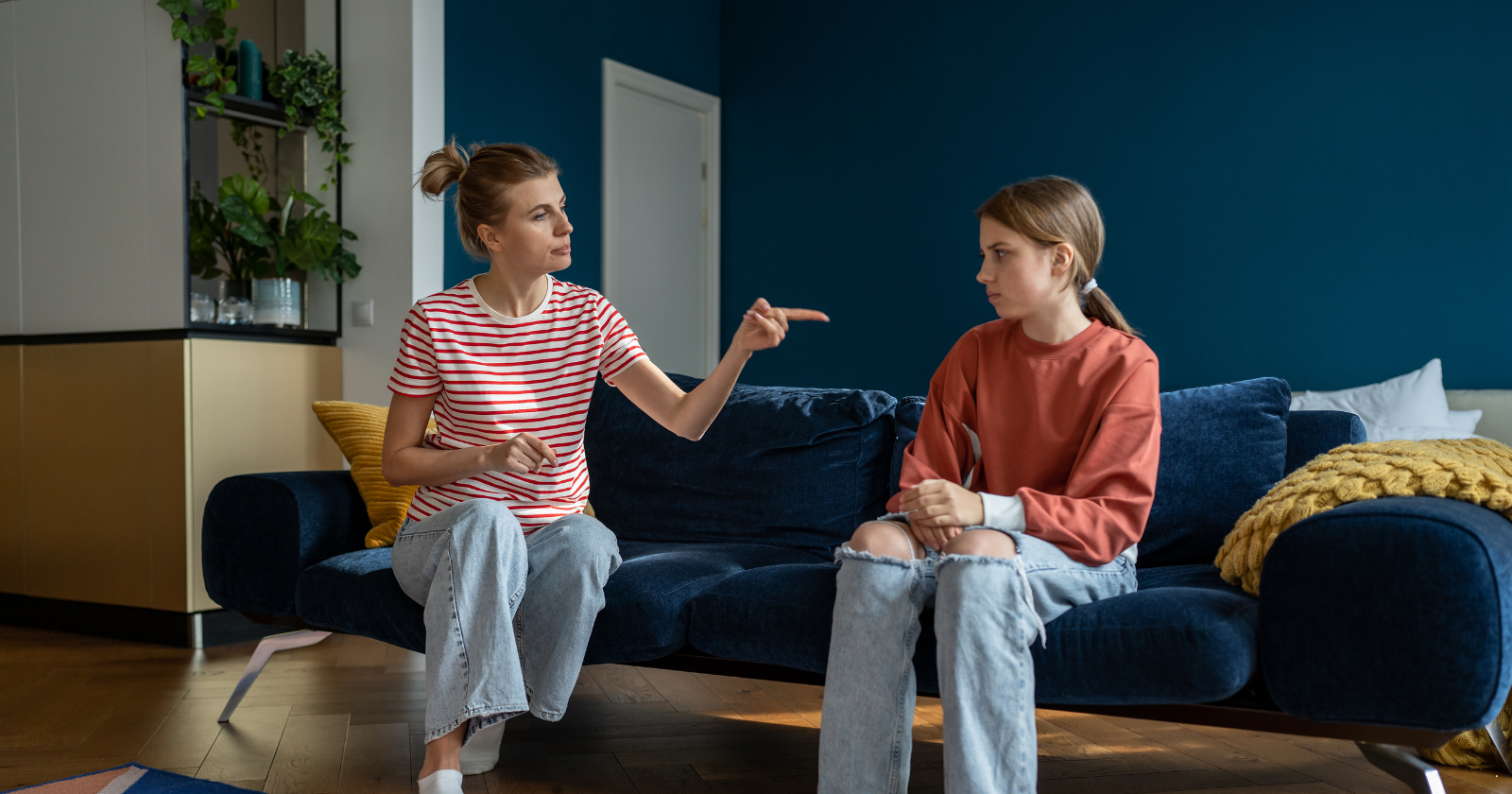
“In this house, we have standards,” she’d say, the same woman who’d just spent eight hours being everyone else’s cheerleader.
The contradiction was so stark it felt like living with two different people. At school, she was the counselor students lined up to see, the one they requested when they were falling apart, the teacher who somehow made teenagers believe in themselves. At home, nothing I did quite measured up. My grades were good but could be better. My room was clean but not organized correctly. I was responsible but not responsible enough.
The performance of perfection
What I’ve come to understand, after years of trying to reconcile these two versions of my mother, is that her strictness at home came from the same place as her kindness at school: fear. Fear that the world would be harsh to her children, fear that she hadn’t prepared us enough, fear that if she wasn’t hard on us, life would be harder.
She’d grown up with parents who believed love meant letting kids figure things out on their own. No one checked her homework. No one asked about her day. When she became a parent, she overcorrected so dramatically that our house felt like a boot camp for future success. Every moment was a teaching opportunity, every mistake a chance to “build character.”
The irony? Her students got the benefit of her professional training — the active listening, the unconditional positive regard, the carefully calibrated encouragement. We got the raw, unfiltered anxiety of a mother who loved us so much she couldn’t bear the thought of us struggling the way she had.
When love looks like control
I remember the day she found out I’d gotten a B+ on a history test. Not a bad grade by any measure, but you would’ve thought I’d committed a federal crime. She sat me down for a two-hour discussion about “not living up to my potential,” while somewhere across town, she was probably telling another parent that grades don’t define their child’s worth.
The disconnect was maddening. How could someone who spent her days helping teenagers navigate their mistakes with compassion have zero tolerance for imperfection in her own home?
A therapist once told me that we often give strangers our best selves because the stakes feel lower. With family, everything feels like life or death. Every decision could be the one that ruins everything. My mother could be patient with her students’ struggles because she wasn’t ultimately responsible for their outcomes. With us, she carried the full weight of our futures on her shoulders.
The inheritance of impossible standards
Here’s what they don’t tell you about growing up with a parent who demands perfection: you internalize those standards long after you’ve left home. I catch myself sometimes, being harder on myself than anyone else would ever be, hearing my mother’s voice in my head when I make even the smallest mistake.
A professor in college once told me I “wrote like I was afraid to have an opinion.” It stung because it was true. I’d been trained to present all sides, to never be too bold, to always hedge my bets. In my mother’s house, having a strong opinion meant risking being wrong, and being wrong meant disappointment.
But that professor’s comment changed something in me. I started to realize that the careful, measured approach my mother had instilled — while useful in many contexts — was also holding me back. Sometimes you need to take a stand, even if you might be wrong. Sometimes good enough really is good enough.
The reconciliation that never quite comes
Three years ago, when my grandmother passed away, I watched my mother sort through old letters and photos. She found report cards from her own childhood, covered in average grades and teacher comments about “not applying herself.” She sat there crying, not from grief, but from something else — maybe recognition, maybe regret.
“I just wanted better for you,” she said, the first time she’d ever really acknowledged the disparity between her professional and parental personas.
I wanted to tell her that “better” didn’t always mean “perfect,” that her students were lucky to have her kindness, and we would have been too. But some conversations come too late, after patterns have been set and personalities formed.
These days, she still sends me articles about “promising careers in healthcare” even though I’ve been writing professionally for years. It’s her way of saying she cares, filtered through the only language she knows — the language of improvement, of optimization, of never quite being satisfied with what is.
Learning to parent yourself
The real work of adult life, I’ve discovered, is learning to give yourself the kindness your parents couldn’t. It’s catching those moments when you’re being unnecessarily harsh with yourself and asking, “Whose voice is this?” It’s recognizing that the person who raised you did the best they could with the tools they had, even when their best left scars.
I think about the students who still email my mother years later, thanking her for believing in them when no one else did. I’m genuinely happy they got that version of her. And I’m learning to be that version for myself — the counselor, not the critic, the cheerleader, not the judge.
Final thoughts
The gap between the woman my mother was at school and the woman she was at home isn’t really a distance that can be measured. It’s more like a puzzle where the pieces don’t quite fit, no matter how you arrange them. But maybe that’s okay. Maybe the point isn’t to solve the contradiction but to understand it, to see how fear and love can wear the same face, how our parents’ struggles become our own if we’re not careful.
These days, when I catch myself being too hard on myself, I try to imagine what my mother would tell someone else’s child in my position. That’s where I find her kindness, in the space between who she was able to be for others and who she was able to be for us. And maybe that’s the best reconciliation I can hope for.
From the editors
Undercurrent — our weekly newsletter. The sharpest writing from Silicon Canals, curated reads from across the web, and an editorial connecting what others cover in isolation. Every Sunday.
Free. No spam. Unsubscribe anytime.