No Result
View All Result
SUBMIT YOUR ARTICLES
  • Login
Saturday, January 24, 2026
TheAdviserMagazine.com
  • Home
  • Financial Planning
    • Financial Planning
    • Personal Finance
  • Market Research
    • Business
    • Investing
    • Money
    • Economy
    • Markets
    • Stocks
    • Trading
  • 401k Plans
  • College
  • IRS & Taxes
  • Estate Plans
  • Social Security
  • Medicare
  • Legal
  • Home
  • Financial Planning
    • Financial Planning
    • Personal Finance
  • Market Research
    • Business
    • Investing
    • Money
    • Economy
    • Markets
    • Stocks
    • Trading
  • 401k Plans
  • College
  • IRS & Taxes
  • Estate Plans
  • Social Security
  • Medicare
  • Legal
No Result
View All Result
TheAdviserMagazine.com
No Result
View All Result
Home Market Research Economy

The European Miracle: How Contractual Politics and Divided Power Gave Birth to Western Prosperity

by TheAdviserMagazine
6 months ago
in Economy
Reading Time: 4 mins read
A A
The European Miracle: How Contractual Politics and Divided Power Gave Birth to Western Prosperity
Share on FacebookShare on TwitterShare on LInkedIn


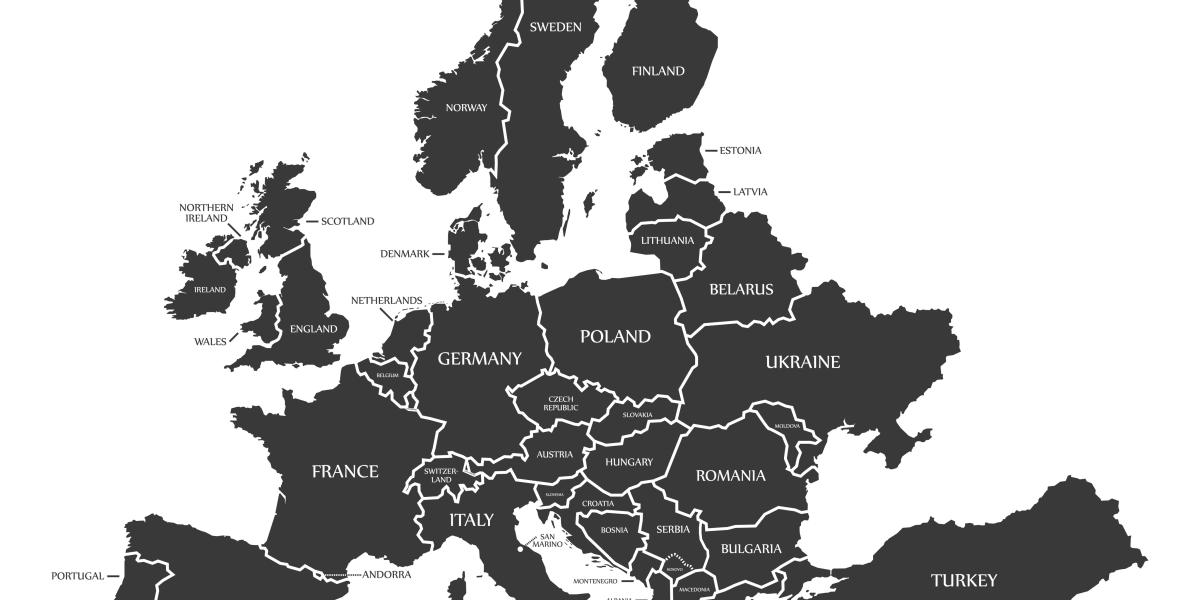
In The Struggle for Liberty, Ralph Raico presents a stirring and revisionist interpretation of European history that challenges both progressive disdain for the West and idealizations of its aristocratic past. At the heart of his narrative is a powerful thesis: Europe’s prosperity and preeminence—its “miracle”—was not the inevitable result of geography, imperialism, colonialism, or race but of its distinctive political architecture. Unlike the great empires of the East, Europe developed as a radically decentralized and politically polycentric civilization. Power was fragmented both between states and within them. And, crucially, political relationships—particularly those involving taxation and law—were often based on contract, not mere coercion.

This fragmented and contractual political order was the soil from which Europe’s liberty and wealth grew.

Division Breeds Freedom

To make his case, Raico draws on the insights of thinkers such as Jean Baechler, E.L. Jones, P.T. Bauer, and Douglass North to explain this institutional phenomenon. After the fall of Rome, no empire succeeded in reestablishing hegemony over Western Europe. The result was a continent of competing jurisdictions: kingdoms, duchies, bishoprics, city-states, and free towns. Unlike the monolithic empires of Asia, where a single ruler’s will was law, European rulers faced constant internal constraints.

These constraints were not just accidents of geography—they were the result of contractual politics. Princes had to bargain with nobles, cities, and religious authorities to raise funds or field armies. Charters like England’s Magna Carta, the “Joyous Entry” of Brabant, and countless local compacts throughout the Low Countries, Germany, and Italy forced rulers to recognize legal limitations on their power. Taxation, in particular, often required the consent of assemblies composed of landowners or urban elites.

And this created something unprecedented in global history: a sphere of society beyond the reach of arbitrary power. Property rights became more secure, merchants could plan long-term, and citizens could appeal to written laws rather than the whims of despots.

The result was economic dynamism. As Raico notes, this is the institutional foundation of the “European Miracle”—the first sustained per capita economic growth in human history, which lifted millions out of the Malthusian trap of poverty and subsistence.

The Power of Exit

Perhaps the most important consequence of Europe’s decentralized political order was the possibility of exit. In an age without democratic elections or constitutional courts, the ability to flee a predatory ruler was a powerful check on tyranny. If a prince attempted to extort too much from merchants in Antwerp, they could move down the Rhine to Cologne or across the sea to England. A skilled artisan in Florence facing persecution could find refuge in Lucca or Siena.

This competition among states and cities created a race not to the bottom, but to stability, order, and enterprise. Those jurisdictions that secured property rights, upheld contracts, and permitted trade attracted talent and capital. Those that didn’t stagnated—or were reformed under pressure.

This is in stark contrast to the experience of empires like the Ottoman, Mughal, or Chinese, where state power was centralized and unchallengeable, and where the ruling elite often viewed wealth as something to be extracted from subjects, rather than produced in cooperation with them.

From Brawling to Bourgeois Rule: The Italian City-States

Perhaps nowhere was this process more dramatic or influential than in the city-states of medieval and Renaissance Italy. Tuscany, in particular, offers a vivid illustration of how divided power and commercial logic created vibrant centers of culture, wealth, and learning.

Cities like Florence, Siena, Pisa, and Lucca were originally dominated by aristocratic clans. Their politics were marked by violent feuds, private militias, and perpetual conflict between Guelphs and Ghibellines. But over time, a new force emerged: the bourgeoisie—a class of traders, shopkeepers, bankers, and artisans who sought order, not feudal brawling. They demanded secure property rights, consistent enforcement of contracts, and above all, peace.

In city after city, the bourgeoisie gradually wrested political control from the feuding nobles. They established councils and republics—limited in franchise and committed to commercial and legal stability. The Florentine Republic, for example, instituted elaborate systems of checks and balances, elected magistracies, and legal procedures designed to curb factional violence and protect property.

Oligarchic, these republics were for their time revolutionary in their orientation. Political legitimacy was increasingly based on contribution to the public good—measured in commerce, not conquest—and rule of law was elevated above the prerogatives of birth.

The results speak for themselves. Tuscany became a hub of innovation and learning. Its cities pioneered double-entry bookkeeping, modern banking, insurance, international credit, and accounting systems. The Medici family—bankers, not barons—financed churches, artists, and philosophers. Florence became home to Dante, Giotto, Brunelleschi, and Machiavelli. The prosperity of Tuscany’s republics under bourgeois rule transformed them into the cultural and intellectual capitals of Europe.

This was no coincidence. As Raico underscores, economic freedom and cultural flourishing go hand in hand. Remove the arbitrary hand of power, protect voluntary exchange, and even small cities can produce world-historical achievements.

Commerce over Conquest

Raico’s framing of the European Miracle is a reminder that prosperity comes not from grand imperial projects, but from the mundane miracle of peaceful commerce. The flourishing of trade routes, guilds, merchant law, and urban centers—all under the protection of contractually-restrained governments—allowed Europe to leap ahead of its more centralized rivals. In the East, the wealth of subjects was seen as a temptation for rulers to plunder. In the West, wealth increasingly became a sign of prudence, stability, and good governance. The merchant was no longer a parasite, but a pillar of society.

Indeed, the victory of commercial rationality over aristocratic plunder was one of the great accomplishments of European civilization. Where once a nobleman gained prestige through war, now he might seek it through patronage of learning, or even by joining the ranks of the merchant elite. The cultural tone shifted from valorizing domination to celebrating achievement.

A Legacy to Reclaim

Raico’s telling of the European Miracle is not just a historical account—it is a call to remember the real roots of freedom and prosperity. These did not arise from benevolent rulers or imperial conquest, but from the humble institutions of decentralized power, voluntary contract, and peaceful exchange.

In an age where centralization is again in vogue—whether through the EU, modern regulatory states, or global bureaucracies—Raico’s message is more timely than ever. Freedom is not preserved by consolidating authority, but by dividing it. Prosperity is not secured through state planning, but through the spontaneous order of individuals transacting under the rule of law.

Europe’s miracle was not inevitable. It was the fruit of particular institutions, ideas, and struggles. And it can be undone—unless we understand and defend what made it possible in the first place.


Source link

Tags: birthContractualdividedEuropeangavemiraclePoliticsPowerProsperityWestern
ShareTweetShare
Previous Post

What Will Happen If He Gets Them

Next Post

Helping Clients Navigate AI Career Challenges By Building Financial Planning Resiliency: Kitces & Carl Ep 170

Related Posts

edit post
Black Sites and Black Days

Black Sites and Black Days

by TheAdviserMagazine
January 24, 2026
0

Yves here. Readers may know that some of the history of US black sites, as in torture sites, overseas has...

edit post
United States Withdrawal From The World Health Organization

United States Withdrawal From The World Health Organization

by TheAdviserMagazine
January 24, 2026
0

January 23, 2026 The Trump administration’s decision to withdraw the United States from the World Health Organization represents far more...

edit post
Coffee Break: Ancient Travelers and Artists, an Enigmatic Devonian Giant, and a Thinking Cow

Coffee Break: Ancient Travelers and Artists, an Enigmatic Devonian Giant, and a Thinking Cow

by TheAdviserMagazine
January 23, 2026
0

After one full year the grim news on the science front – all fronts really – this Coffee Break is...

edit post
Trump withdraws ‘Board of Peace’ invitation to Carney in widening rift with Canada

Trump withdraws ‘Board of Peace’ invitation to Carney in widening rift with Canada

by TheAdviserMagazine
January 23, 2026
0

U.S. President Donald Trump withdrew the invitation to Canada to join his "Board of Peace," days after Prime Minister Mark...

edit post
The Polish Rothbardians | Mises Institute

The Polish Rothbardians | Mises Institute

by TheAdviserMagazine
January 23, 2026
0

Those living in Generation Z are tired of the welfare-warfare state that has dominated political life in America from well...

edit post
The Deportation Labor Shock – Econlib

The Deportation Labor Shock – Econlib

by TheAdviserMagazine
January 23, 2026
0

Mass deportation is often framed as a pro‑worker policy. Remove unauthorized immigrants, the argument goes, and native wages will rise...

Next Post
edit post
Helping Clients Navigate AI Career Challenges By Building Financial Planning Resiliency: Kitces & Carl Ep 170

Helping Clients Navigate AI Career Challenges By Building Financial Planning Resiliency: Kitces & Carl Ep 170

edit post
How to Learn Order Flow Trading the RIGHT Way: 6-Stage Beginner Guide / Part 2

How to Learn Order Flow Trading the RIGHT Way: 6-Stage Beginner Guide / Part 2

  • Trending
  • Comments
  • Latest
edit post
Most People Buy Mansions But This Virginia Lottery Winner Took the Lump Sum From a 8 Million Jackpot and Bought a Zero-Turn Lawn Mower Instead

Most People Buy Mansions But This Virginia Lottery Winner Took the Lump Sum From a $348 Million Jackpot and Bought a Zero-Turn Lawn Mower Instead

January 10, 2026
edit post
Utility Shutoff Policies Are Changing in Several Midwestern States

Utility Shutoff Policies Are Changing in Several Midwestern States

January 9, 2026
edit post
80-year-old Home Depot rival shuts down location, no bankruptcy

80-year-old Home Depot rival shuts down location, no bankruptcy

January 4, 2026
edit post
Tennessee theater professor reinstated, with 0,000 settlement, after losing his job over a Charlie Kirk-related social media post

Tennessee theater professor reinstated, with $500,000 settlement, after losing his job over a Charlie Kirk-related social media post

January 8, 2026
edit post
Warren Buffett retires on December 31 and leaves behind a manual for a life in investing

Warren Buffett retires on December 31 and leaves behind a manual for a life in investing

December 27, 2025
edit post
Elon Musk Left DOGE… But He Hasn’t Left Washington

Elon Musk Left DOGE… But He Hasn’t Left Washington

January 2, 2026
edit post
Kotak Mahindra Bank Q3 results: Standalone PAT rises 4% YoY, NII grows 5%

Kotak Mahindra Bank Q3 results: Standalone PAT rises 4% YoY, NII grows 5%

0
edit post
Black Sites and Black Days

Black Sites and Black Days

0
edit post
Bitcoin’s 0,000 forecast slash proves the institutional “sure thing” is actually a high-stakes gamble for 2026

Bitcoin’s $150,000 forecast slash proves the institutional “sure thing” is actually a high-stakes gamble for 2026

0
edit post
7 Side Hustles That Are Actually Worth the Time — and 3 That Are Not

7 Side Hustles That Are Actually Worth the Time — and 3 That Are Not

0
edit post
Minneapolis’ icy ICE rally sees 100 clergy arrested as thousands protest ‘federal occupation’

Minneapolis’ icy ICE rally sees 100 clergy arrested as thousands protest ‘federal occupation’

0
edit post
Warren blasts CFPB director Vought for undermining Trump credit card affordability

Warren blasts CFPB director Vought for undermining Trump credit card affordability

0
edit post
Kotak Mahindra Bank Q3 results: Standalone PAT rises 4% YoY, NII grows 5%

Kotak Mahindra Bank Q3 results: Standalone PAT rises 4% YoY, NII grows 5%

January 24, 2026
edit post
Black Sites and Black Days

Black Sites and Black Days

January 24, 2026
edit post
IPO calendar: 5 new issues to hit the market next week, Shadowfax to debut on bourses

IPO calendar: 5 new issues to hit the market next week, Shadowfax to debut on bourses

January 24, 2026
edit post
United States Withdrawal From The World Health Organization

United States Withdrawal From The World Health Organization

January 24, 2026
edit post
9 daily habits of people over 70 who seem decades younger than their actual age

9 daily habits of people over 70 who seem decades younger than their actual age

January 23, 2026
edit post
Trend Pulse Confirms Structural Weakness

Trend Pulse Confirms Structural Weakness

January 23, 2026
The Adviser Magazine

The first and only national digital and print magazine that connects individuals, families, and businesses to Fee-Only financial advisers, accountants, attorneys and college guidance counselors.

CATEGORIES

  • 401k Plans
  • Business
  • College
  • Cryptocurrency
  • Economy
  • Estate Plans
  • Financial Planning
  • Investing
  • IRS & Taxes
  • Legal
  • Market Analysis
  • Markets
  • Medicare
  • Money
  • Personal Finance
  • Social Security
  • Startups
  • Stock Market
  • Trading

LATEST UPDATES

  • Kotak Mahindra Bank Q3 results: Standalone PAT rises 4% YoY, NII grows 5%
  • Black Sites and Black Days
  • IPO calendar: 5 new issues to hit the market next week, Shadowfax to debut on bourses
  • Our Great Privacy Policy
  • Terms of Use, Legal Notices & Disclosures
  • Contact us
  • About Us

© Copyright 2024 All Rights Reserved
See articles for original source and related links to external sites.

Welcome Back!

Login to your account below

Forgotten Password?

Retrieve your password

Please enter your username or email address to reset your password.

Log In
No Result
View All Result
  • Home
  • Financial Planning
    • Financial Planning
    • Personal Finance
  • Market Research
    • Business
    • Investing
    • Money
    • Economy
    • Markets
    • Stocks
    • Trading
  • 401k Plans
  • College
  • IRS & Taxes
  • Estate Plans
  • Social Security
  • Medicare
  • Legal

© Copyright 2024 All Rights Reserved
See articles for original source and related links to external sites.