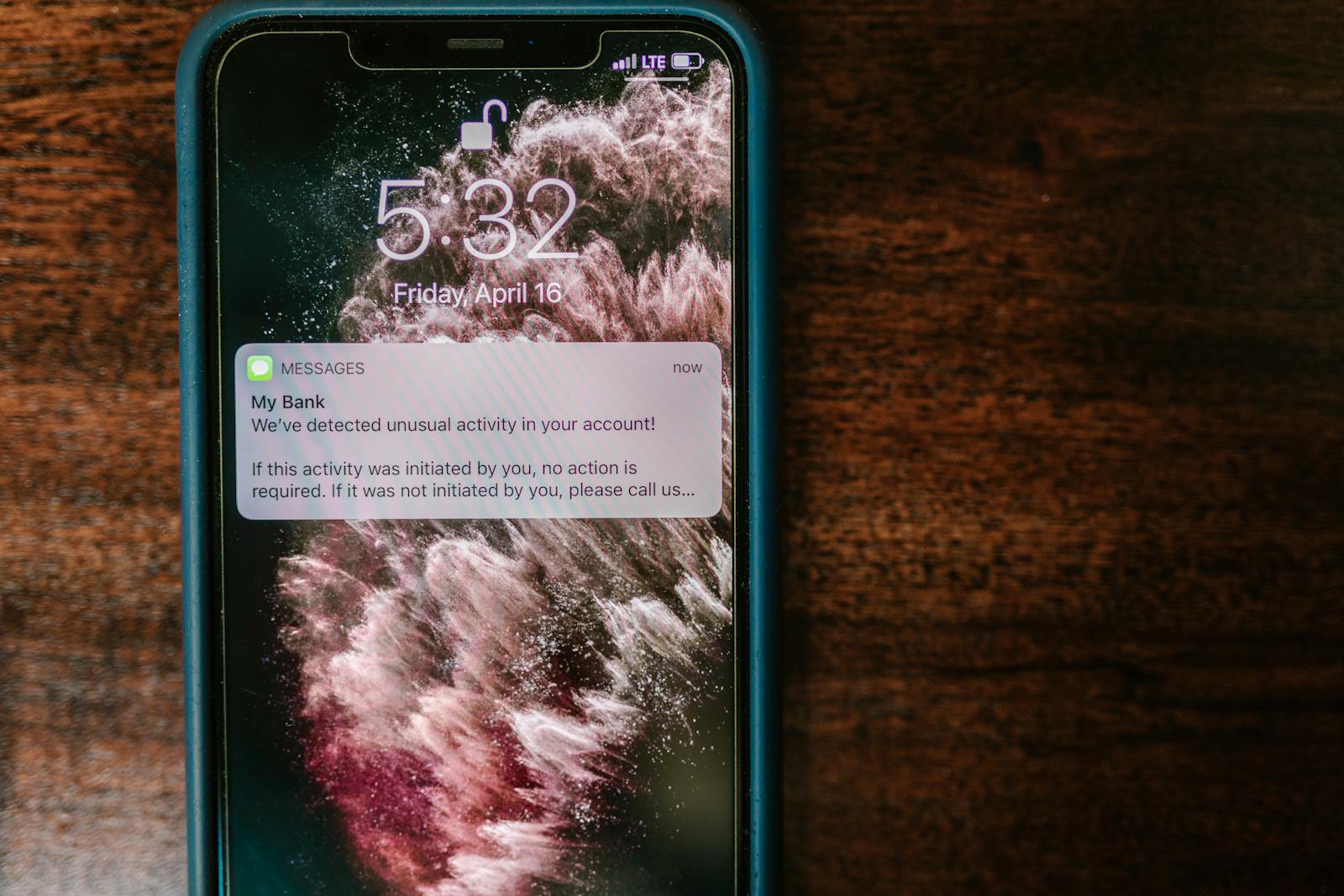
I can still hear that phone. Even now, forty years later, when I’m sitting down to dinner with my wife and the phone rings, my shoulders tense up the same way they did when I was twelve.
Back then, dinner was at 5:30 sharp. No exceptions. My mother would have the pot roast or casserole or whatever we were stretching that week on the table, and we’d all sit down together. My father, still in his work clothes, would say grace. And then, like clockwork, the phone would ring.
Sometimes it was nothing. Wrong number. Telemarketer. But sometimes you could tell from the way my mother’s voice changed when she answered that it was something else. A relative needing help. The landlord. The electric company. And even though nobody said anything when she came back to the table, the whole mood had shifted. My father would eat faster. My mother would push food around her plate. Us kids would stay quiet.
That’s what growing up lower-middle-class sounds like. Not poverty, but precarious. Not broke, but always one phone call away from trouble.
The weight of almost enough
Here’s what people don’t understand about being lower-middle-class: you have just enough to get by, but never enough to relax.
We had a roof over our heads, food on the table, clothes on our backs. From the outside, we looked fine. But inside that house, there was a constant hum of worry. Like a refrigerator that’s about to break but hasn’t yet. You hear it all the time, but you learn to live with it.
My father was a union pipefitter. Good, honest work. Steady paycheck. Benefits. We weren’t poor. But we weren’t comfortable either. We were stuck in that space between, where you’re doing okay until something goes wrong. And something always goes wrong.
The car breaks down. Someone gets sick. The furnace dies in January. Each time, it was a crisis. Not because we were destitute, but because there was no cushion. No safety net. Just the next paycheck and the hope that nothing would happen before it came.
I remember being eight years old and already understanding that when my uncle called, he probably needed money. When my grandmother called during dinner, it meant her rent was going up again. When the phone rang after 8 PM, it was never good news.
Nobody had to explain this to me. You just absorbed it, like secondhand smoke.
Learning to read the room before you could read
Kids from lower-middle-class families develop a sixth sense about money. We become little emotional barometers, constantly checking the pressure in the room.
You learn to read your parents’ faces when they open the mail. You know which envelopes make them sigh and which ones make them argue after you’ve gone to bed. You figure out that “we’ll see” means no, and “maybe next year” means never.
I knew not to ask for things. Not because I’d been told not to, but because I could feel the stress radiating off my parents whenever money came up. So I didn’t ask for the baseball glove everyone else had. Didn’t mention the field trip that cost extra. Didn’t complain when my shoes got tight.
This isn’t neglect. My parents would have found a way if I’d really needed something. But I’d learned the difference between need and want before I learned to tie my shoes. Want was a luxury we couldn’t afford, even if technically we could scrape together the money.
The thing is, this awareness stays with you. Even now, with my business long sold and money in the bank, I still feel guilty buying something I don’t absolutely need. Still hear that phone ringing when I’m about to spend money. Still feel like I’m one bad month away from trouble, even though I’m not.
The dinner table education nobody talks about
Every night at that dinner table, I was getting an education. Not in facts or figures, but in the reality of working-class life.
I learned that overtime wasn’t opportunity, it was necessity. When my father worked Saturdays, it wasn’t because he loved his job. It was because the oil bill was due.
I learned that credit cards weren’t for convenience. They were for emergencies that happened every month.
I learned that vacation meant visiting relatives who lived two states away, not because we missed them desperately, but because hotels cost money and family didn’t.
But most importantly, I learned that phone call at dinner wasn’t just about money. It was about the weight of being the one everyone called. My parents were the stable ones in their families. The ones with the steady job, the OK credit, the house that could fit everyone at Thanksgiving.
So when the phone rang, it wasn’t just asking for help. It was confirming what we already knew: we were doing better than some, but not well enough to actually help without hurting ourselves.
That’s the trap of being lower-middle-class. You’re the safety net for people who have less, but you’re walking on the same tightrope they are. Just a few feet ahead.
Breaking the cycle without breaking yourself
When I started my own business, I told myself it was for the family. More money meant no more dinner phone calls. No more tension. No more watching my kids absorb the same worry I did.
And you know what? I was half right.
The business did eventually provide financial stability. But in those early years, trying to build something, I was barely home for dinner at all. The phone wasn’t ringing because I wasn’t there to hear it. My kids were learning a different lesson: that dad was always working.
Nearly losing everything when that big client went bankrupt owing me $20,000 taught me something. The fear of that dinner phone call had driven me to create a different kind of absence. I was so focused on making sure we had enough money that I forgot what the money was for.
It took me years to find the balance. To understand that security isn’t just about money in the bank. It’s about being present for the life you’re working to build.
Bottom line
That phone still rings sometimes during dinner. These days, it’s usually one of my kids calling to check in, or a friend wanting to make plans. Normal stuff. Good stuff.
But my body still remembers. Still tenses up for just a second before I remember that I’m not that kid anymore, watching his parents’ faces change.
If you grew up like this, you know what I’m talking about. That sound stays with you. The worry becomes part of your DNA. You can build a successful business, have money in the bank, own your house outright, and still feel that familiar knot in your stomach when the phone rings at the wrong time.
That’s okay. It’s part of who we are. But recognizing it, naming it, understanding where it comes from, that’s how we keep it from running our lives. That’s how we stop passing it on to our kids.
We can’t change where we came from. But we can change where we’re going.