Add Silicon Canals to your Google News feed. 
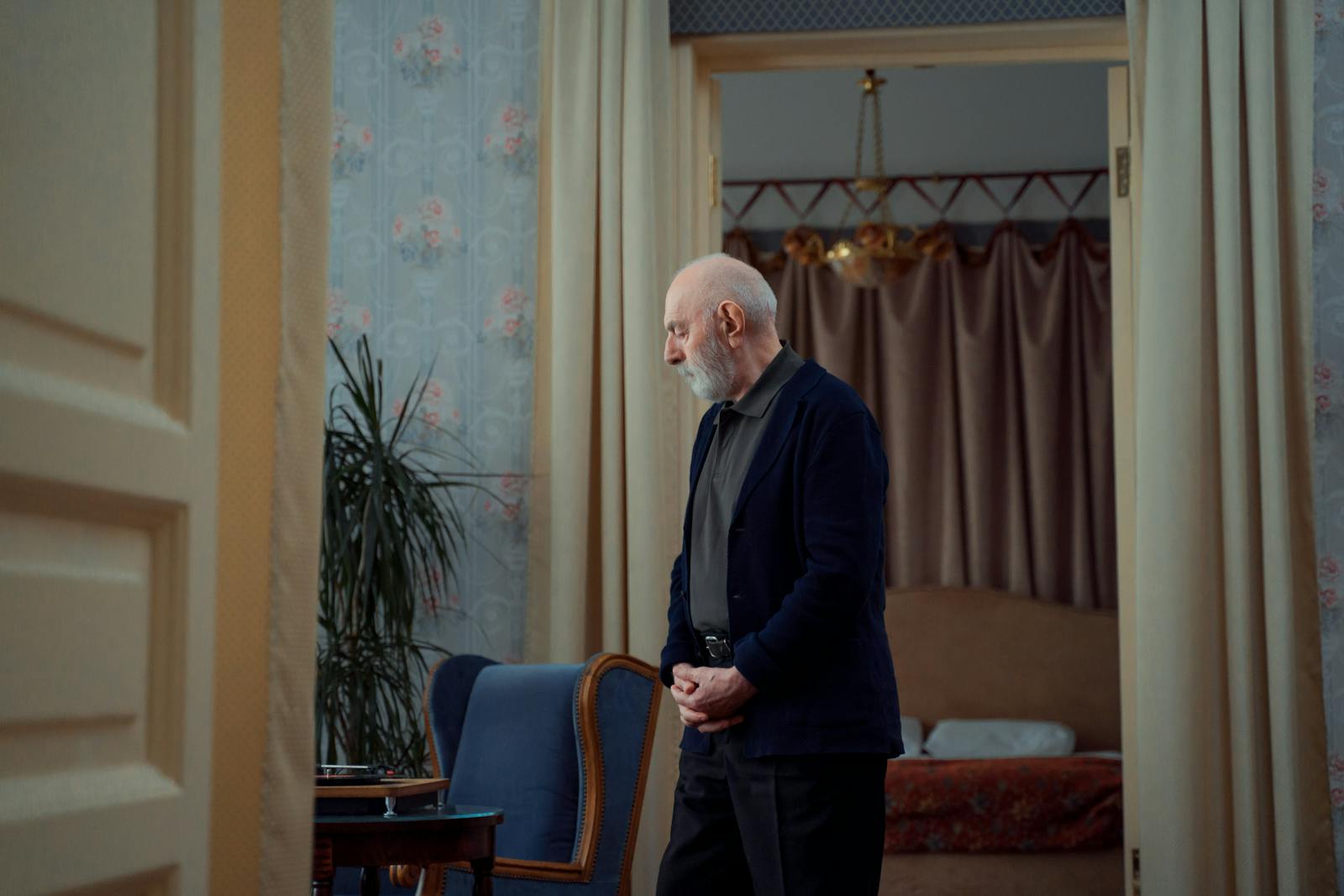
My father never once told me he was uncertain about anything. Not about money, not about the future, not about whether he was doing the right thing raising a family on a factory wage while giving his evenings to union meetings. He had answers for everything. And for most of my life, I mistook that for strength.
The conventional reading of emotionally distant fathers is straightforward: they didn’t care enough, or they weren’t built for intimacy, or they came from a generation that simply didn’t do feelings. Most people land on some version of this. But that reading is comfortable, not accurate. What I’ve come to understand, slowly, painfully, and mostly in the years since losing him, is that my father’s distance wasn’t the absence of care. It was the cost of performing certainty for decades without relief.
That performance hollowed him out. And I think it hollows out more men than we’re willing to name.
The performance nobody asked them to stop
There’s a specific kind of man who made himself into a wall. Steady. Unquestioning. Reliable in the way that furniture is reliable. He absorbed the anxiety of the household so nobody else had to carry it. And somewhere along the way, the role ate the person underneath.
This wasn’t stoicism in the philosophical sense. The Stoics actually engaged with uncertainty, sat with it, wrote about it. What our fathers practiced was something cruder: the suppression of doubt as a form of love.
They believed, often correctly, that the people around them needed someone who seemed sure. So they became sure. About the mortgage. About the job. About whether everything would be okay. The problem is that certainty, when it’s performed rather than felt, requires enormous energy to maintain.
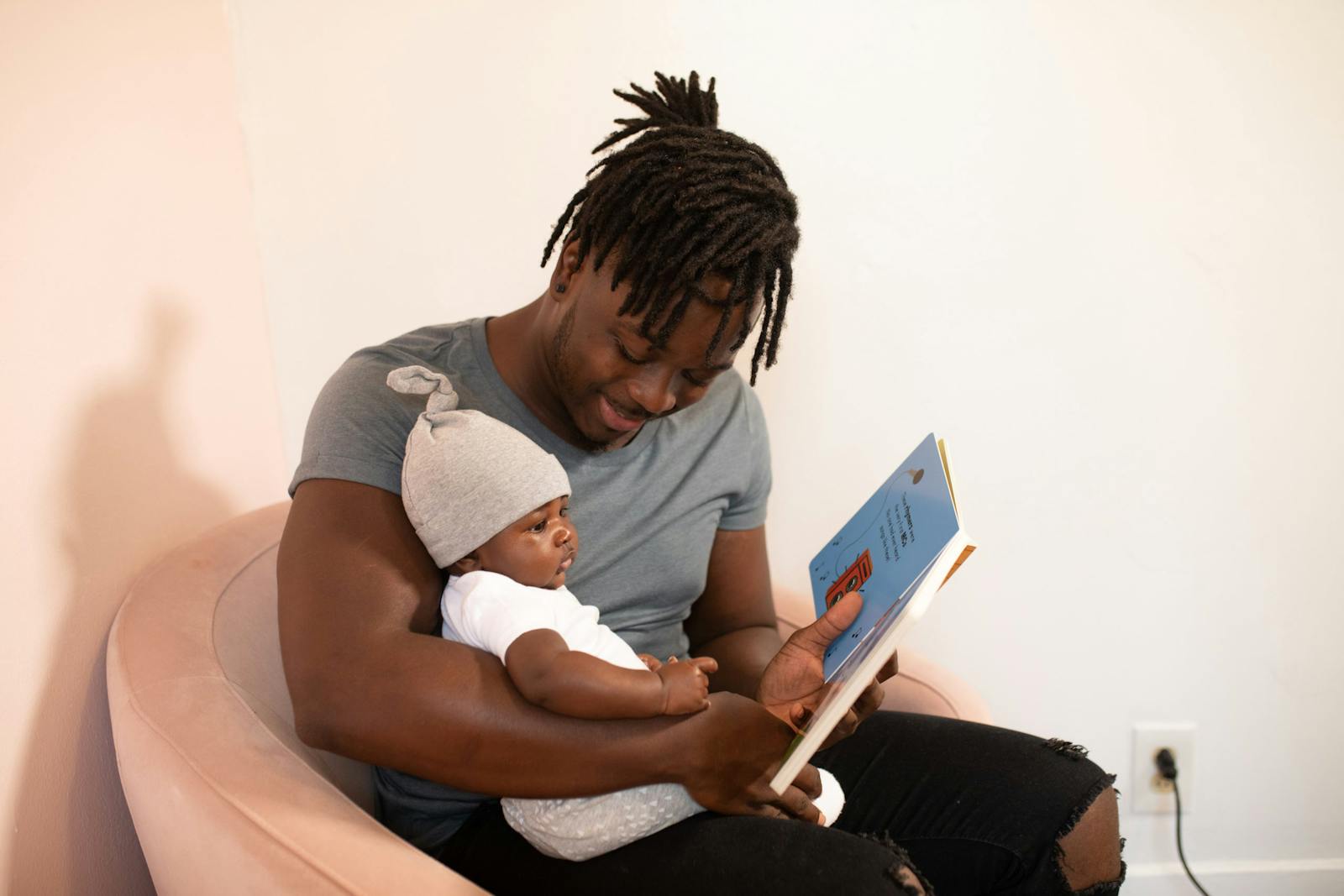
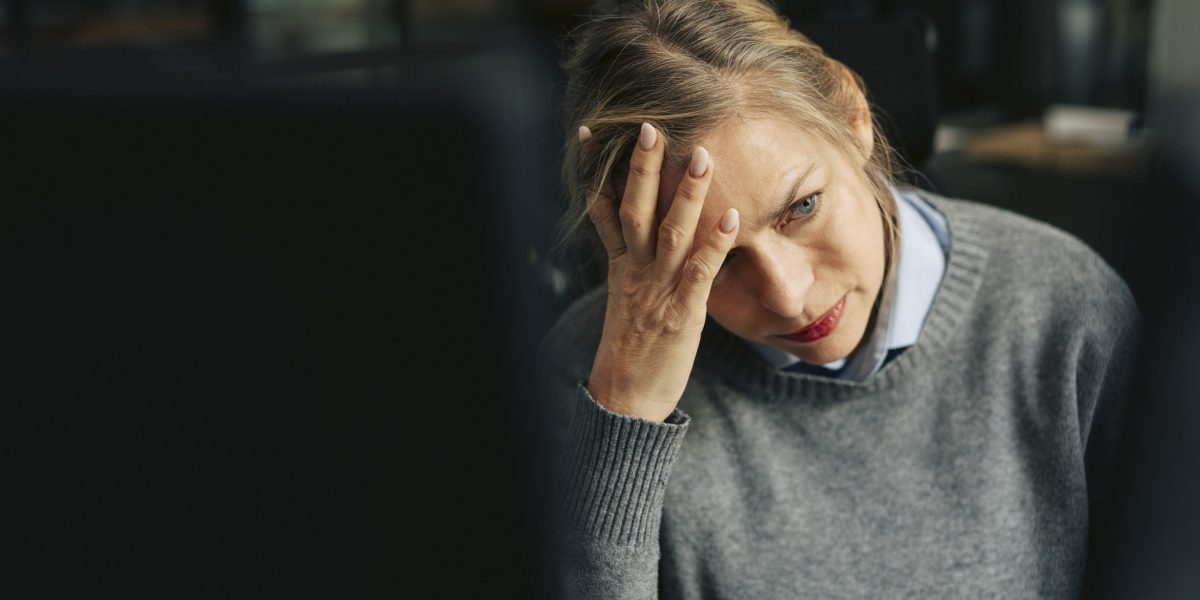
Chronic stress from maintaining that kind of facade doesn’t just cause emotional withdrawal. Evidence suggests it can create a cascade of physiological consequences: mood changes, fatigue, and emotional numbness that compound over years. The man who seemed distant at the dinner table wasn’t ignoring his family. He was running on empty.
Nobody asked him to stop. That’s the part that stays with me.
What certainty actually costs
I spent years in corporate environments, and one thing I watched happen over and over was this: the people who rose fastest were the ones who projected the most confidence. Not the most competence. Confidence.
The two are correlated, sure. But they’re not the same thing. And the gap between them is where a lot of damage lives.
I watched senior leaders deliver recommendations they privately doubted. I watched directors present forecasts they knew were soft. The room rewarded certainty, and so certainty was what got produced. The people who said “I don’t know” got sidelined. Slowly, then completely.
Our fathers operated under the same incentive structure, just at the household level. The family rewarded the man who had answers. The man who hesitated, who admitted fear, who said “I’m not sure we’ll be alright” — he created anxiety. And anxiety in a family system is treated like a threat.
So the performance continued. Studies suggest that sustained psychological pressure doesn’t just tire you out. It may fundamentally change how you process and express emotion. The energy required to maintain a front over years leaves less and less available for genuine connection.
Think about that. The very thing that made him seem reliable was the thing making him unreachable.
The generation that couldn’t afford doubt
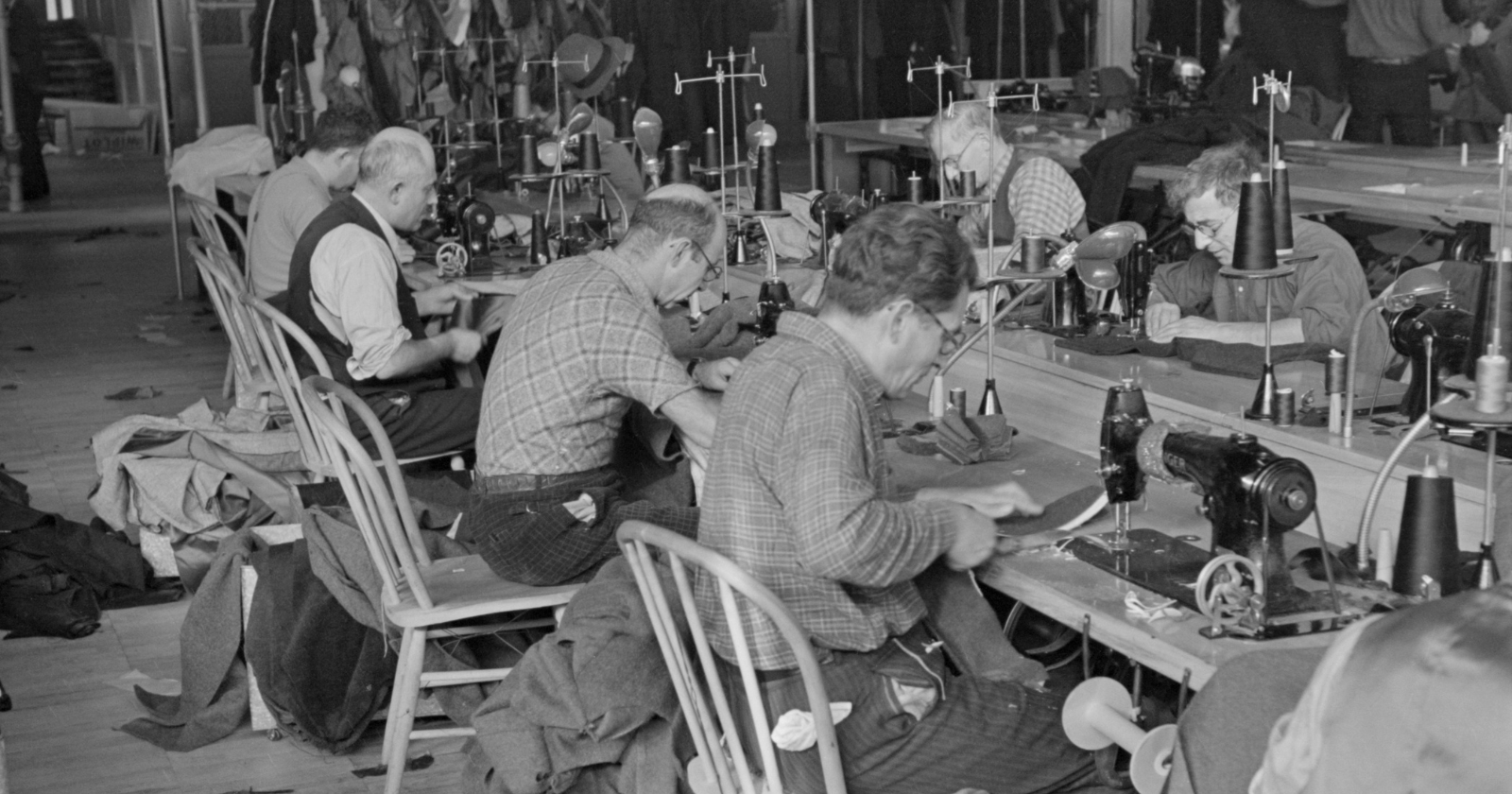
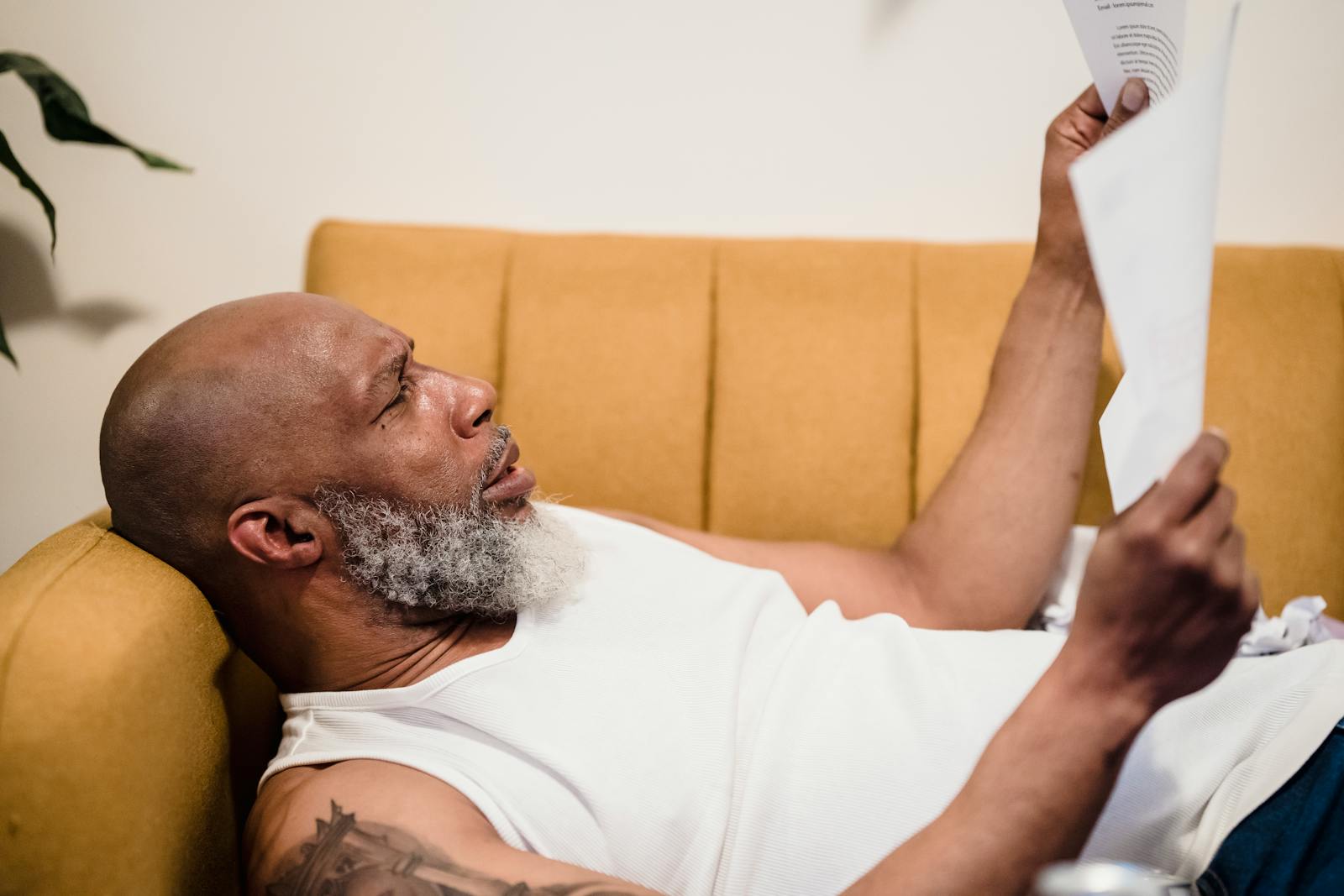
My dad worked in a factory. He came home smelling like machine oil and cigarettes. He got involved in the union because he understood, viscerally, that power wasn’t given to people like him — it had to be organized and demanded. That was my first real education in how systems work.
But here’s what I didn’t understand until much later: his certainty at home was the same skill he used in negotiations. He’d learned to hold a position without flinching. To never show the other side that he was worried. To project strength even when the ground was shifting.
It worked beautifully in the union hall. It was catastrophic at the kitchen table.
His generation had economic reasons for this rigidity that we sometimes forget. Job security was fragile. Social safety nets were thinner. The margin for error in a working-class family was razor-thin. Admitting uncertainty wasn’t just emotionally uncomfortable — it felt genuinely dangerous. If Dad doesn’t know, who does?
So they built themselves into fortresses. And fortresses, by design, are hard to get into.
The children who learned to read the silence
Children who grow up in households where they have to manage a parent’s mood often become adults who can read a room with almost supernatural accuracy. The cost is that they can never turn it off.
Children of performatively certain fathers may develop a different but related adaptation. They often learn to interpret silence. They can become experts at reading the micro-expressions that leak through the facade: the jaw tightening when money comes up, the way he stares a beat too long at the bills, the careful way he says “it’s fine” when it clearly isn’t.
These children grow up understanding communication as something that happens beneath language. They become attuned to what’s not being said. Some of them become therapists. Some become writers. Many become adults who struggle to trust straightforward declarations of love, because they spent their formative years learning that words and reality don’t always match.
And these patterns don’t stay in childhood. They become blueprints for adult relationships, replicated without recognition. Children who learn that love looks like disappearing carry that template into every connection they form.
Growing up with emotionally limited parenting can leave subtle signs that may include difficulty trusting others, chronic self-doubt, and a deep discomfort with vulnerability. These aren’t character flaws. They’re adaptations to an environment where the most important person in the room was performing rather than present.

The clarity that comes too late
Something shifts in your 40s. I don’t think it’s wisdom exactly. I think it’s just enough accumulated experience to see your parents as people rather than archetypes.
You’ve been tired yourself by then. You’ve carried things you couldn’t put down. You’ve had moments where someone asked “how are you?” and you said “good” through gritted teeth because the real answer was too complicated and too frightening and you didn’t want to burden anyone.
And then it hits you. Oh. That’s what he was doing. Every day. For thirty years.
After my dad died, I spent a long time sitting with the distance between who he was and who I’d needed him to be. Therapy helped with that more than I expected. What surprised me was that the grief wasn’t just about losing him. It was about understanding him for the first time and having no way to tell him.
I’d spent years being too confident about my reading of him. Certain he was emotionally limited. Certain he just didn’t have the tools. Discovering that certainty often felt good but uncertainty was usually more honest — that was the real inheritance he left me, even if he couldn’t have articulated it himself.
The exhaustion we’re still not talking about
The conversation around men’s emotional availability has evolved, but it still tends to frame the problem as a skills deficit. Men don’t know how to express their feelings. Men weren’t taught emotional vocabulary. Men need to learn to be vulnerable.
All of that is partially true. But it misses the structural incentive that keeps the performance going.
Most systems — families, workplaces, friendships — still reward men for projecting certainty and penalize them for expressing doubt. We’ve updated the language but not the incentive structure. We tell men to be vulnerable and then look slightly alarmed when they actually are.
The exhaustion that so many people experience isn’t just about workload. It’s about the exhaustion of performance, of maintaining a version of yourself that the environment demands but that costs more than anyone sees.
Men who perform certainty for decades don’t just get tired. They forget where the performance ends and they begin. The mask doesn’t come off because it’s fused to the face.
What I wish I’d known to say
If I could go back, I wouldn’t ask my father to be more vulnerable. That framing would have been meaningless to him. Insulting, probably.
I would have said: you don’t have to know. I don’t need you to know. I just need you here.
That’s the sentence. Simple. Terrifying. The kind of thing that might have cracked the wall, or might not have. I’ll never find out.
What I can say is this: if you’re in your 40s and you’re starting to see your father differently, you’re not revising history. You’re finally reading it accurately. The man who seemed distant was often the man who was drowning in the effort of seeming fine.
And if you’re the one performing certainty right now, for your kids, your partner, your team, consider what it’s costing you. Not in some abstract self-care way. In the specific, measurable way that your capacity for connection shrinks every year the performance continues.
Certainty performed long enough becomes indistinguishable from absence.
Your family doesn’t need you to have all the answers. They need you to still be in the room. Actually in it. The kind of in-it that only becomes possible when you’re willing to say the three words that your father, and maybe his father before him, could never quite manage.
I don’t know.
Feature image by Nicola Barts on Pexels
From the editors
Undercurrent — our weekly newsletter. The sharpest writing from Silicon Canals, curated reads from across the web, and an editorial connecting what others cover in isolation. Every Sunday.
Free. No spam. Unsubscribe anytime.