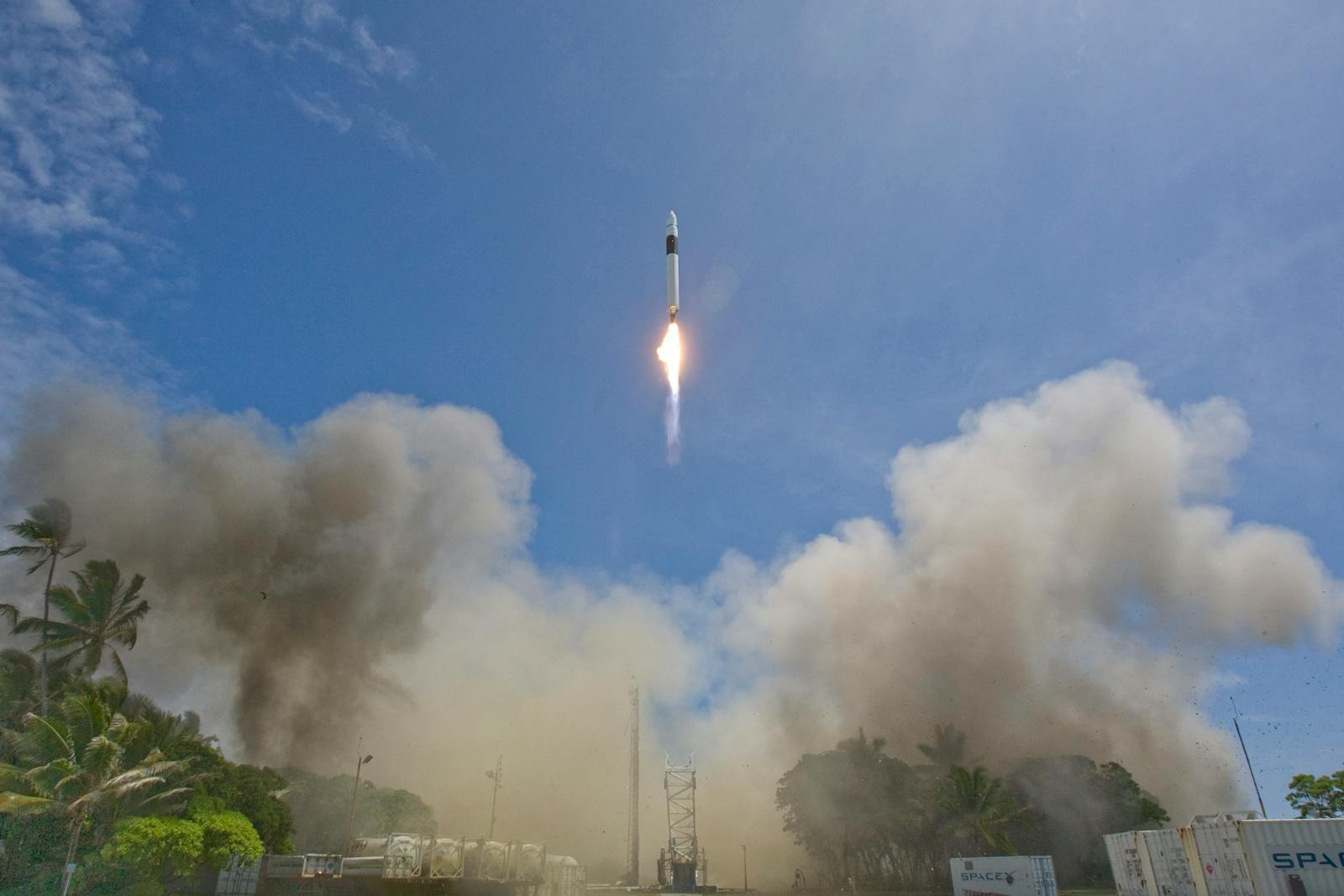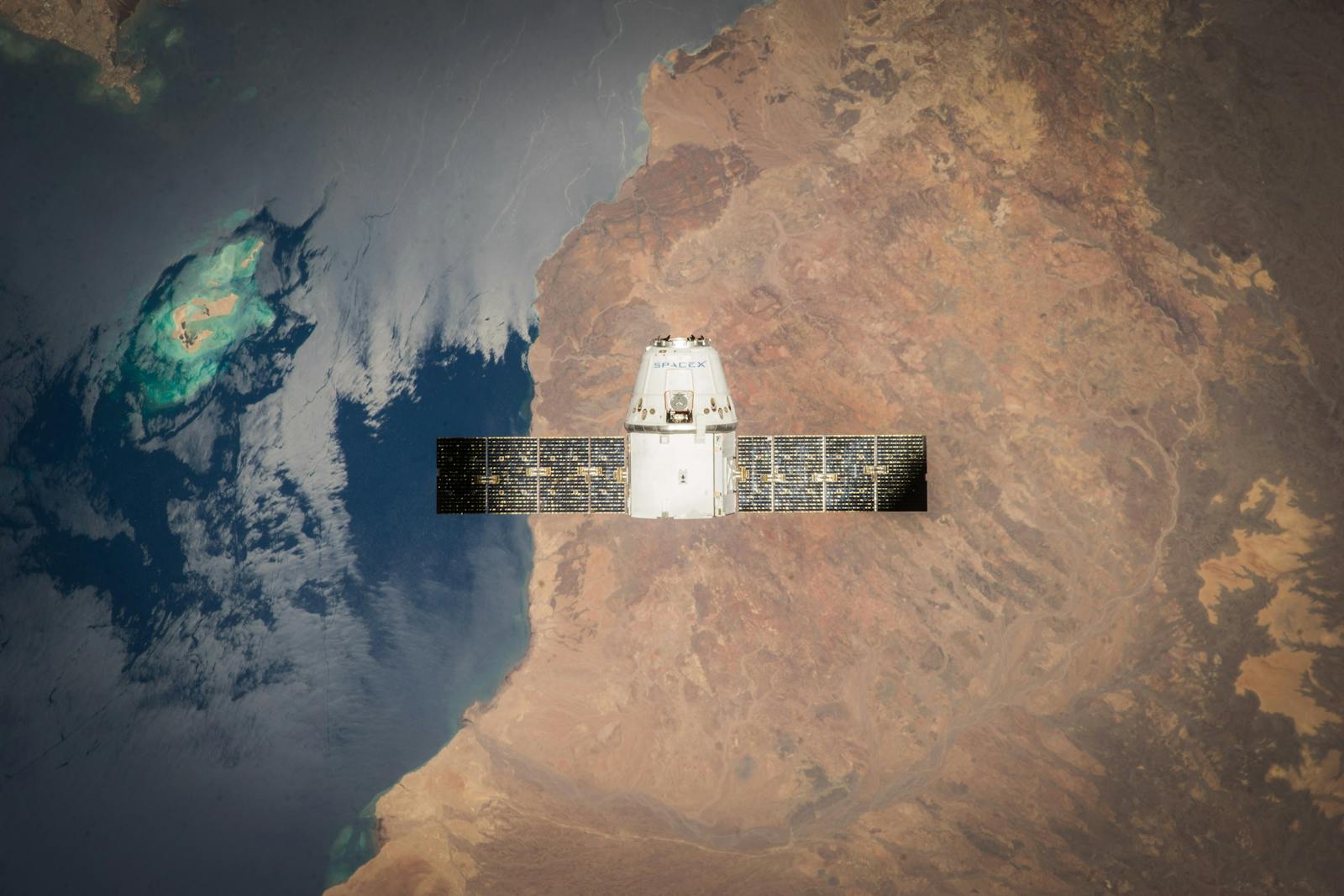
Finnish spacetech company ICEYE has originated a €300 million three-year committed revolving credit facility, backed by a seven-bank syndicate of Nordic, regional, and global relationship lenders. The facility will support customer contract guarantees, business growth, and liquidity as governments accelerate procurement of sovereign Earth observation capacity.
The instrument matters as much as the amount
A revolving credit facility is a different signal than equity. ICEYE has previously raised significant venture and growth capital. A €300 million RCF backed by relationship banks suggests that lenders are no longer looking at the company only as a capital-hungry space startup. They are also looking at its contract base, cash generation, and the credit quality of the customers behind that demand.
That matters because ICEYE’s own financial update describes 2025 as an inflection point. The company said revenue, profitability, and cash generation scaled together during the year, with more than €250 million in revenue, more than €100 million in EBITDA, more than €130 million in cash from operations, and €1.5 billion in contracted backlog.
For a spacetech operator at this scale, the unusual variable is not just growth. It is growth that can be translated into financing from banks rather than only from equity investors.
What the sovereign intelligence market actually means
ICEYE operates a large synthetic aperture radar constellation, using sensors that can image through cloud, smoke, and darkness. The commercial framing of SAR imagery has shifted sharply since 2022. What was once often pitched around environmental monitoring, disaster response, insurance, and agriculture is now increasingly sold as defence intelligence infrastructure.
Ukraine has become the clearest public reference point. In January 2026, ICEYE said a customer within Ukraine’s Ministry of Defence had signed a new agreement that expanded access to high-resolution SAR imagery for faster, day-and-night, all-weather tactical decision-making.
The same war has also changed how European governments talk about space-based intelligence. Reuters reported in January 2026 that French President Emmanuel Macron said France was providing two-thirds of Ukraine’s intelligence information, a claim that underlined how central sovereign and allied intelligence capacity has become to the conflict.
That does not mean insurance, climate risk, emergency response, or environmental monitoring have disappeared from ICEYE’s market. They have not. But the revenue stream banks can most easily understand at scale is no longer just commercial Earth observation. It is sovereign demand, defence procurement, and long-term national-security capacity.
Why banks are willing to be here
The structural story behind the RCF is the migration of Earth observation from discretionary commercial spend toward defence and government procurement. Sovereign customers do not make every invoice risk-free, and the facility itself does not disclose the full composition of ICEYE’s contract book. But the financing sits alongside a public backlog that ICEYE attributes to sustained sovereign intelligence demand and long-term national-security priorities.
That is the underwriting logic. A satellite company selling imagery to insurers is one kind of business. A satellite company selling persistent monitoring capability to governments and defence customers is another. The first can be cyclical and budget-sensitive. The second increasingly sits inside strategic procurement.
ICEYE says it now operates globally with more than 1,000 employees across Poland, Spain, the UK, Australia, Japan, the UAE, Greece, and the US. That footprint mirrors where sovereign demand is concentrating, not simply where engineering talent is cheapest.
The wider market is consolidating around the same thesis
ICEYE’s financing comes as European space capacity is being reorganised around sovereignty. In October 2025, Airbus, Leonardo, and Thales signed a memorandum of understanding to combine their space activities into a new company, explicitly tying the move to Europe’s strategic autonomy in space.
The same logic explains why a Finnish SAR operator can raise nine-figure bank debt against its growth plan. Orbital infrastructure is no longer being treated purely as a commercial service. It is increasingly treated as a strategic asset, a defence dependency, and a sovereign capability.
The juxtaposition is the point. A decade ago, Earth observation startups raised equity against a vision of climate monitoring, crop yields, and commercial analytics. Today, the more bankable revenue is increasingly tied to defence intelligence and sovereign procurement. The capital structure has caught up with the customer base.