The first time I walked through the old town of Dubrovnik, I felt something shift inside me. It wasn’t just the medieval walls or the Adriatic glittering below. It was the realization that this place had survived sieges, earthquakes, and wars, yet here it stood, beautiful and defiant. That moment taught me what travel really does: it cracks open your assumptions about how life works.
After years of wandering through cities where you can read history in the cobblestones, I’ve come to believe that certain places change you. Not in some vague, Instagram-caption way, but genuinely alter how you see the world. These aren’t necessarily the most popular destinations or the easiest to reach. They’re the ones that stick with you long after you’ve unpacked your bags.
So which countries deserve a spot on everyone’s lifetime list? Here are ten that have left their mark on me and countless other travelers.
1. Japan
You haven’t truly experienced culture shock until you’ve navigated Tokyo’s subway at rush hour. Everything works differently here, from the unspoken rules about eating in public to the way silence becomes a form of respect.
I spent three weeks wandering from ultra-modern Tokyo to ancient Kyoto, and what struck me most wasn’t the temples or technology. It was the everyday choreography of Japanese life.
The attention to detail borders on obsessive. A convenience store sandwich is wrapped like a gift. Train conductors bow when entering and leaving each car. This isn’t just politeness; it’s a completely different relationship with excellence. Reading about Japanese culture doesn’t prepare you for experiencing it firsthand.
2. Morocco
Morocco assaults your senses in the best possible way. The call to prayer echoes through Marrakech’s medina while vendors hawk spices that smell like nothing you’ve encountered.
I got lost for hours in the Fes medina, following narrow alleys that seemed to fold in on themselves. A local eventually took pity on me and led me out, refusing payment but accepting tea.
What makes Morocco essential isn’t just the tagines or the architecture. It’s sitting at the intersection of Africa, Europe, and the Middle East, creating something entirely its own. You’ll negotiate for everything, drink more mint tea than you thought possible, and question why Western cities feel so sterile afterward.
3. Peru
Most people visit Peru for Machu Picchu, and yes, watching sunrise over those ruins lives up to every expectation. But Peru offers something deeper.
In Cusco, you walk on Incan stones that Spanish colonizers couldn’t destroy, only build upon. This layering of civilizations teaches you about resilience in ways no history book can capture.
I spent time in the Amazon rainforest near Iquitos, where the river becomes a highway and pink dolphins actually exist. The contrast between the Andes and the jungle, between indigenous traditions and modern struggles, makes Peru a masterclass in complexity. You leave understanding that simple narratives about any country are usually wrong.
4. India
India doesn’t ease you in gently. Delhi hits you with heat, noise, and humanity on a scale that challenges every comfort zone you have.
Traveling through Rajasthan by train, watching the landscape shift from desert to farmland while sharing compartments with families eager to share their lunch, taught me more about generosity than years of philosophy books.
The contradictions here aren’t bugs; they’re features. Extreme wealth exists beside poverty. Ancient traditions blend with cutting-edge technology. Sacred cows wander through traffic jams. India forces you to hold multiple truths simultaneously, a skill that becomes invaluable back home.
5. Iceland
Iceland feels like another planet decided to host humans as an experiment. Driving the Ring Road in summer means 24-hour daylight, black sand beaches, and waterfalls around every corner. The landscape shifts from volcanic moonscapes to verdant valleys within minutes.
But what really sets Iceland apart is how it’s organized society. They’ve figured out renewable energy, maintained one of the world’s oldest democracies, and somehow everyone seems to be in three bands.
Walking through Reykjavik at 2 AM in broad daylight, completely safe and slightly disoriented, you realize that different choices create different realities.
6. Vietnam
The Vietnam that exists in Western imagination bears little resemblance to the actual country.
Hanoi’s Old Quarter thrums with entrepreneurial energy. Street food vendors create masterpieces on plastic stools. The coffee culture puts most European cafes to shame.
Traveling from Hanoi to Ho Chi Minh City, you see a nation that’s moved forward without forgetting its past. The war museums don’t shy away from showing American perspectives alongside Vietnamese ones. This ability to acknowledge complexity while building something new offers lessons about resilience that feel particularly relevant now.
7. Turkey
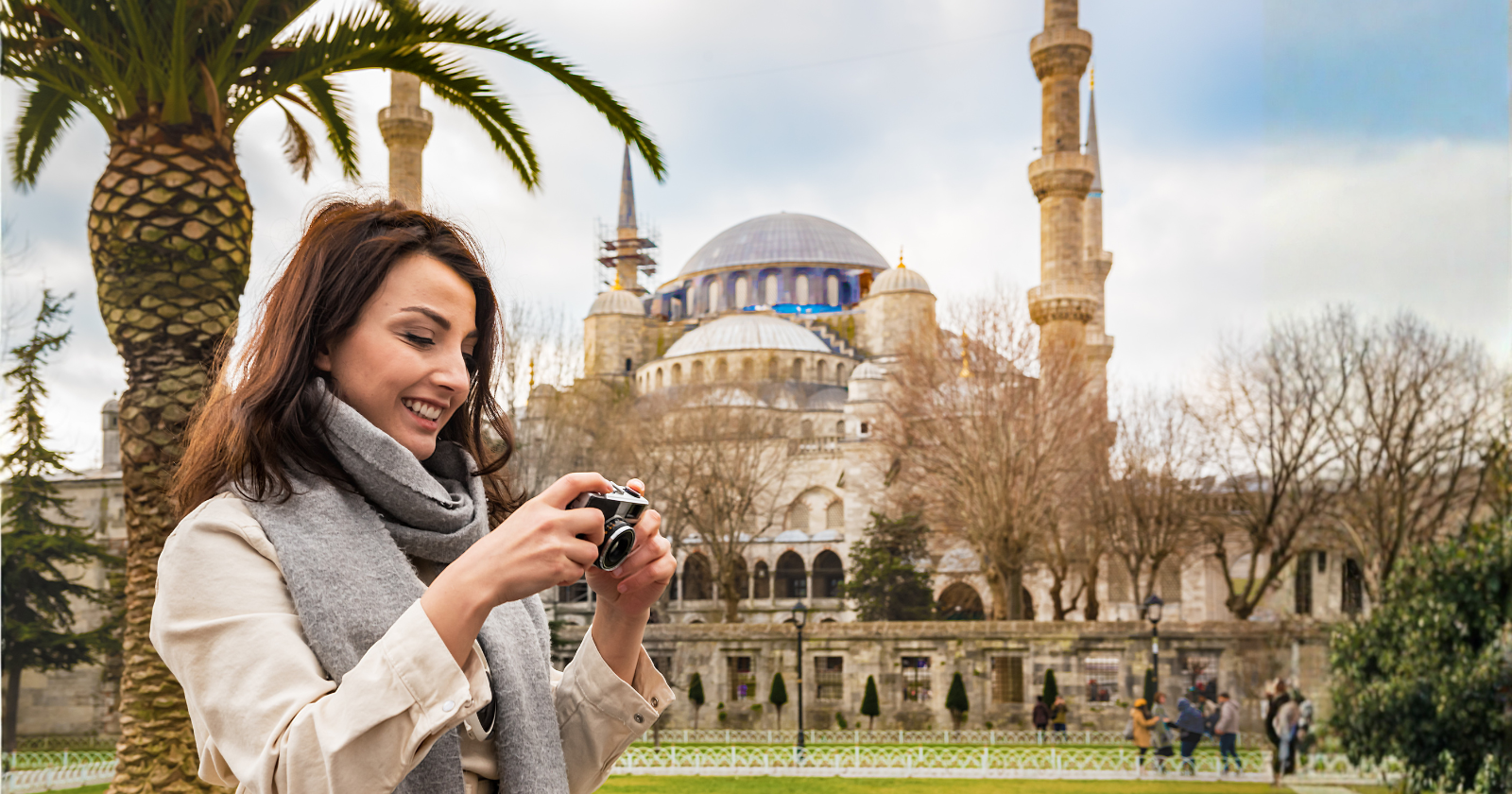
Istanbul literally straddles two continents, and that geographical fact shapes everything about Turkey.
Standing in the Hagia Sophia, a building that’s been both church and mosque, you feel the weight of empires. The bazaars still follow trade routes established centuries ago.
Beyond Istanbul, Cappadocia’s fairy chimneys and underground cities tell stories of early Christians hiding from Roman persecution. The Mediterranean coast rivals anything Greece offers but with fewer crowds. Turkey demonstrates that crossroads create the most interesting cultures.
8. New Zealand
New Zealand’s landscapes are so breathtaking they almost look fake, like someone cranked up the saturation in Photoshop. But beyond the obvious natural beauty lies something more subtle.
The Maori culture isn’t relegated to museums; it’s woven into daily life. Place names tell stories. The haka isn’t just for rugby matches.
What struck me was the pace. Nobody seems rushed, yet everything works efficiently. Maybe when you live somewhere that beautiful, you learn to slow down and notice things.
The country offers a masterclass in work-life balance that makes you question the frantic pace of places like London.
9. Egypt
The pyramids exceed every expectation, but modern Cairo teaches different lessons. This city of twenty million somehow functions despite traffic rules that seem more like suggestions.
Watching the sun set over the Nile from a felucca, you understand why civilizations start near rivers.
The vendors in Luxor can spot a tourist from a mile away, but get beyond the hustle and you find incredible hospitality. A shopkeeper insisted I join his family for dinner after I admired a photo of his children. These spontaneous connections remind you that ancient wonders matter less than present kindness.
10. Greece
Greece feels like the friend who peaked early but still has undeniable charm. Athens combines ancient philosophy with modern chaos.
The Acropolis watches over anarchist neighborhoods and trendy cafes. Island hopping in the Cyclades shows you why people write poems about blue and white.
But Greece’s real gift is teaching you about time. Meals last hours. Conversations matter more than schedules. Sitting in a taverna in Crete, watching old men argue about politics while cats weave between tables, you realize that efficiency isn’t everything.
The bottom line
These ten countries offer more than photo opportunities. They challenge assumptions, reveal different ways of organizing society, and remind you that your normal is just one option among many. Travel at its best doesn’t just show you new places; it shows you new possibilities.
The point isn’t to collect countries like stamps in a passport. It’s to let these places change you, even in small ways. Maybe you’ll start removing your shoes indoors after Japan. Perhaps Morocco will teach you to negotiate with humor. India might make you more comfortable with chaos.
Walking through London now, I see my own city differently because of these places. Every journey leaves traces, shaping how you move through familiar streets with foreign eyes.
Where will you let yourself be changed?