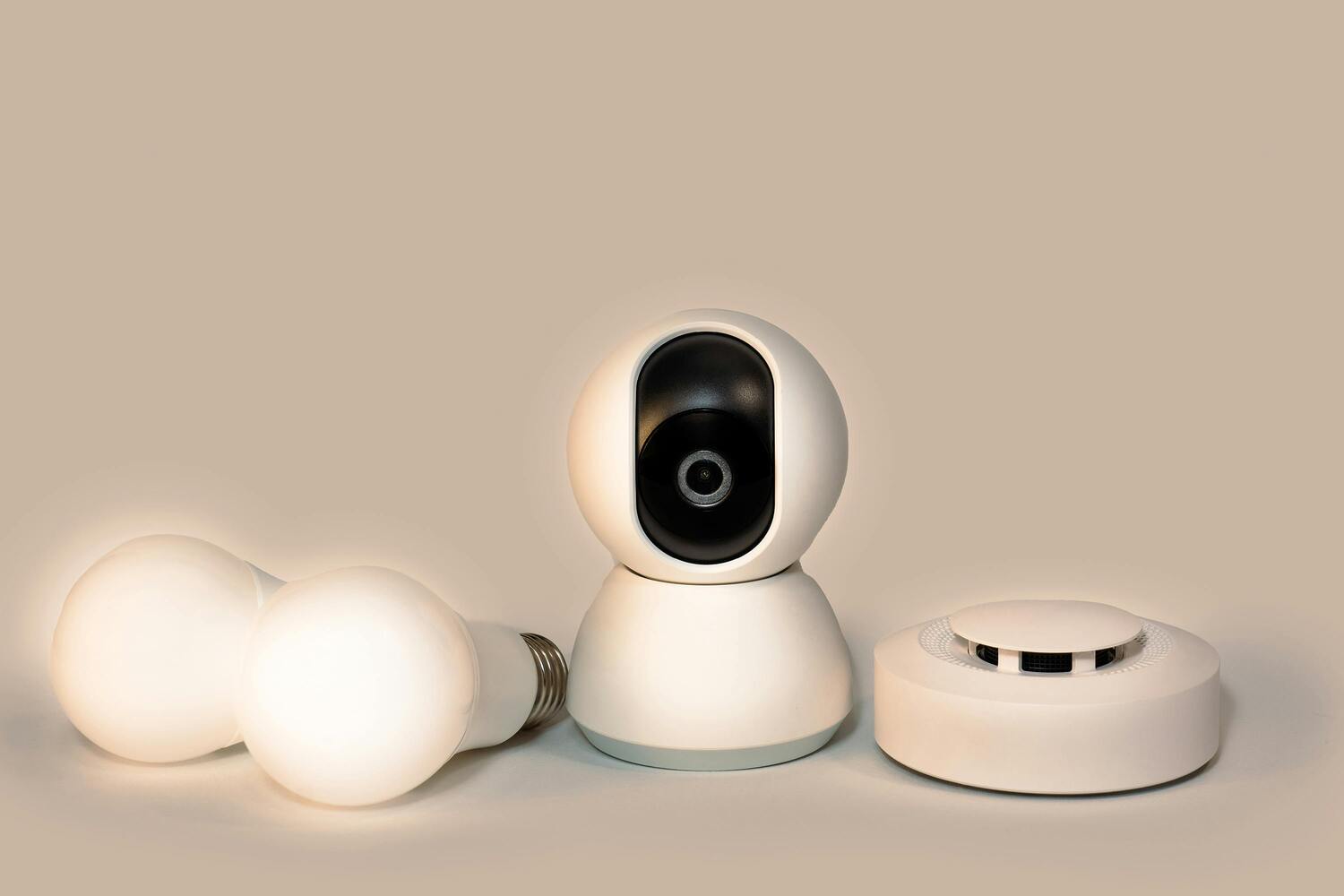
Smart devices were once hailed as game-changers for senior living—tools that could keep residents safe, connected, and more independent. Voice assistants like Alexa, smartwatches with fall detection, and connected security systems were all touted as revolutionary for aging populations. But in a surprising shift, some senior facilities are now banning or heavily restricting these technologies.
Why the sudden reversal? The answer is far more complicated than a simple misunderstanding of technology. It’s about privacy, liability, social dynamics, and the unintended consequences of turning once-private spaces into always-on surveillance zones.
Let’s explore why smart devices are falling out of favor in some senior communities—and what that means for residents and their families.
Privacy Concerns Are Pushing Facilities to Draw the Line
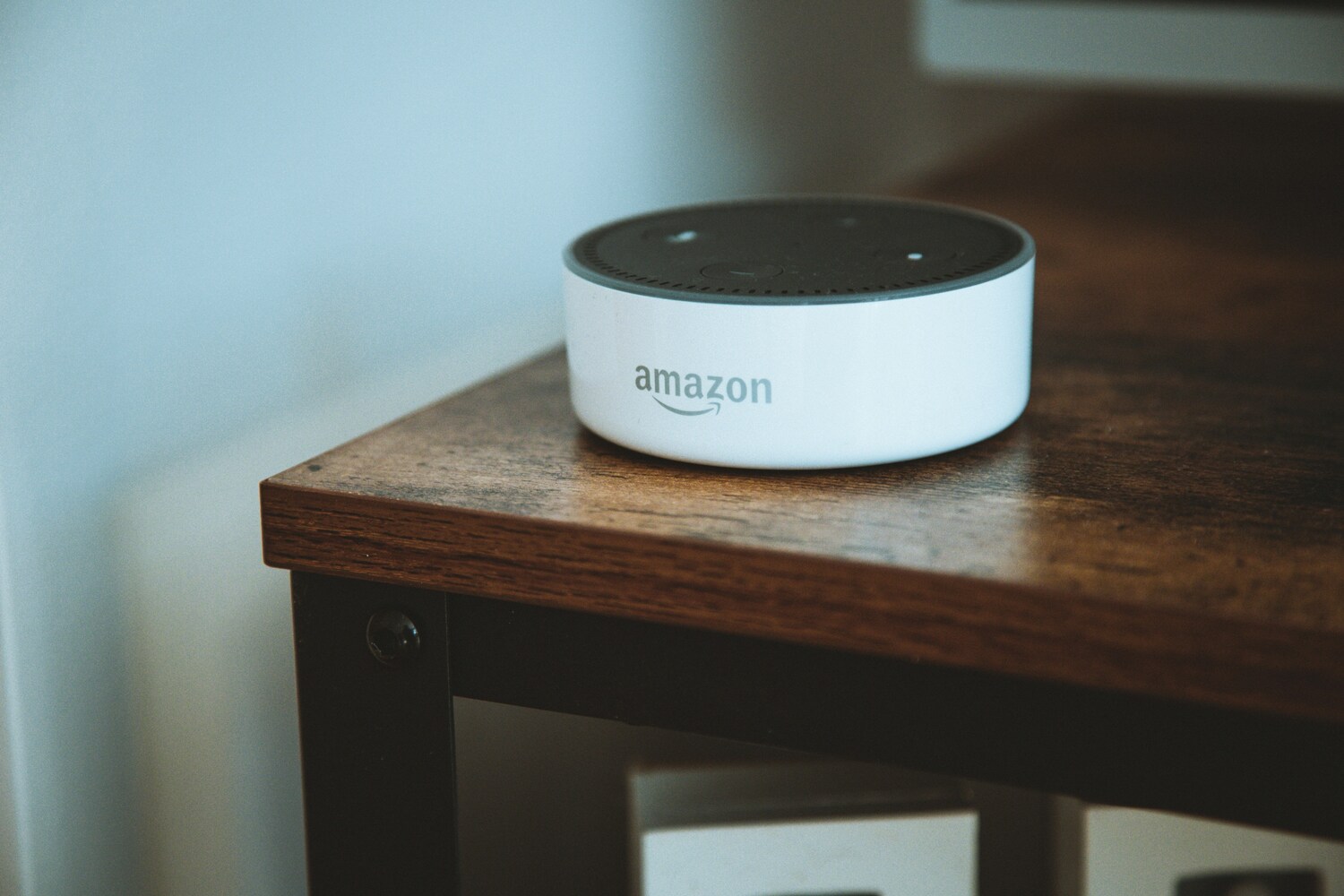
The number one reason many senior facilities are pulling the plug on smart devices is privacy. Many of these gadgets, like Amazon Echo, Google Nest, and Ring doorbells, are constantly listening or recording. While this can be useful for fall detection or emergency calls, it also means private conversations, staff interactions, and daily routines could be captured and stored on third-party servers.
This creates a legal and ethical minefield for facility operators. Residents share common spaces with each other and with staff, and the idea that someone’s device might be recording without consent is alarming. Some facilities have faced complaints from both residents and employees who feel their privacy is being compromised. In environments where trust and dignity are paramount, surveillance, intentional or not, can quickly erode morale.
Legal Liability Is a Growing Issue for Senior Communities
It’s not just about discomfort. It’s about risk. In a senior care setting, any recorded interaction could potentially be used in legal disputes. Whether it’s a conflict between residents, an accusation against a staff member, or a misinterpreted interaction, having audio or video recordings on hand complicates matters. Facilities could be held responsible for what’s recorded on their premises, even if they didn’t authorize it.
Some administrators have also expressed concern about HIPAA (Health Insurance Portability and Accountability Act) violations. If a resident’s medical condition or care plan is overheard and recorded by a smart device, it could constitute a breach of confidential health information. Rather than gamble on grey areas, many facilities are choosing to take the safer route and ban personal devices with recording capabilities altogether.
Staff Are Speaking Out About Feeling Monitored
The people who work in senior communities are another major factor in this shift. Caregivers, nurses, and aides often develop close relationships with residents. These relationships are built on trust, and constant recording can make staff feel watched or judged, even when they’re doing everything right. Some workers have described feeling like they’re “on camera” at all times, leading to stress, job dissatisfaction, and even resignations.
Facilities depend on retaining quality staff, and creating an environment where employees feel respected and safe is critical. If staff believe their every word and action might be uploaded to the cloud or used against them, the facility may face high turnover or union complaints. Banning smart devices, in these cases, becomes a move to protect workplace integrity as much as resident care.
Residents Are Experiencing the Downsides of Constant Connectivity
While many seniors appreciate the convenience of voice-activated assistants or health-tracking wearables, others are beginning to report what can only be described as tech fatigue. Some have complained that their living spaces feel less like homes and more like monitored zones. Others find the devices confusing, intrusive, or anxiety-inducing, especially when alerts or notifications go off unexpectedly.
There’s also a social dynamic at play. Residents with the latest gadgets may inadvertently create tension with those who prefer analog living. In group environments, the presence of smart speakers or video doorbells can lead to disputes over noise, surveillance, and perceived invasions of privacy. What was supposed to empower residents can, in some cases, end up isolating or alienating them from their peers.
Tech Companies Have Not Always Considered Elder-Care Environments
Most smart devices are not designed specifically for communal senior settings. They’re made for individual consumers living in private homes, where recording your own space doesn’t raise the same ethical concerns. As a result, many of these tools lack the nuance required for multi-resident communities with shared spaces, medical privacy requirements, and vulnerable populations.
Voice assistants, for example, don’t distinguish between who is speaking, meaning they can be accidentally triggered by staff or other residents. Security cameras or baby monitors may be intended for safety, but can easily capture images or conversations of unintended subjects. Tech companies have not provided adequate guardrails for these contexts, and facilities are being left to figure out the boundaries on their own.
Until smarter, privacy-conscious versions of these tools are developed with elder care in mind, many administrators feel the risk outweighs the reward.
Families Are Divided—Convenience vs. Privacy
Families of residents are often the ones who introduce smart tech into their loved ones’ rooms. From afar, it’s comforting to be able to drop in via camera, track sleep patterns, or receive alerts about movement. But that sense of control can come at the cost of the resident’s autonomy.
Some adult children install devices without fully discussing it with their parents or understanding facility rules. Others assume their loved one needs monitoring when in fact, the resident finds it invasive. These disagreements can lead to tension between families and facility staff, and even legal disputes over consent and data sharing.
Senior facilities increasingly find themselves in the role of referee, trying to balance a resident’s right to dignity with a family’s desire for oversight. In many cases, banning or restricting smart devices becomes a way to avoid these escalating conflicts altogether.
Bans Aren’t About Being Anti-Tech. They’re About Setting Boundaries
It’s important to note that most facilities aren’t rejecting technology outright. Many still use wearables for fall detection, apps for medication reminders, and internal alert systems that help staff monitor residents’ well-being. The issue isn’t tech. It’s unchecked surveillance, unclear policies, and the lack of regulation surrounding commercial smart devices in communal care settings.
Facilities that are restricting or banning smart gadgets are doing so to protect residents’ privacy, honor consent, and reduce the likelihood of legal headaches. In some cases, they’re also creating tech-free zones or quiet hours to give residents a break from constant connectivity.
This isn’t a step backward. It’s a call for better-designed tools that consider the unique needs of aging populations and their environments.
How Senior Tech Can Move Forward Without Invading Privacy
The backlash against smart devices in senior facilities highlights the urgent need for more thoughtful innovation. Aging populations deserve tools that support autonomy, safety, and well-being, without turning their homes into surveillance hubs.
Future devices should come with clear privacy settings, consent protocols, and the ability to distinguish between users. They should be built with shared living spaces in mind, offering features that support communication and emergency response without capturing more than necessary.
Until then, senior communities are right to ask tough questions. Technology should be a bridge, not a barrier, to dignity in later life.
Do you think smart tech belongs in senior communities, or is the surveillance risk too high?
Read More:
Why Many Assisted Living Centers Are Now Under Surveillance
These 10 Devices Are Still Recording You After They’re Off

Riley Jones is an Arizona native with over nine years of writing experience. From personal finance to travel to digital marketing to pop culture, she’s written about everything under the sun. When she’s not writing, she’s spending her time outside, reading, or cuddling with her two corgis.









-1024x683.jpg "Florida Roads Become a Battleground for Illegal Immigration")