The debate over becoming a cashless society has been heating up over recent years. While many people rely on credit cards, tap to pay, and other digital payment methods, there are still a lot of people who prefer to deal in cash, for one reason or another. Among these individuals are older Americans, who frequently see “cashless” payments as just another complication in everyday life. Millions of Boomers still rely on cash for budgeting, privacy, and peace of mind. Here are 11 reasons they continue to push back against this trend.
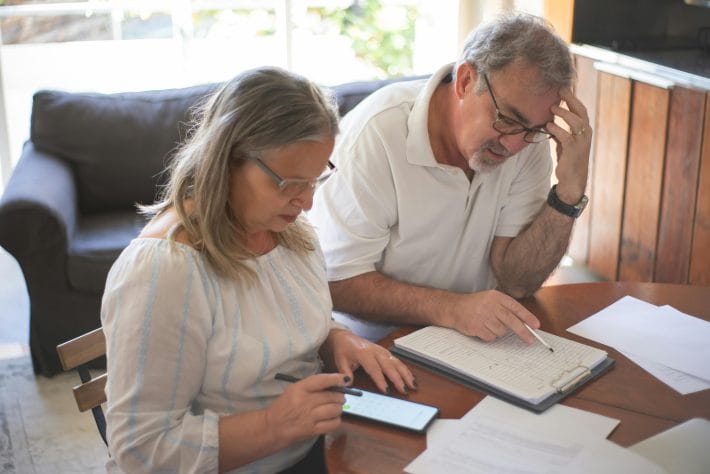
1. Cash Helps Boomers Stick to a Budget
Many Boomers prefer cash because it provides a tangible way to control spending. When they physically hand over bills, they feel more aware of where their money is going. Digital payments make it easy to overspend because the transaction feels less real. Cash envelopes and weekly withdrawal routines remain trusted tools for staying on track.
2. Not All Seniors Have Reliable Internet Access
A fully digital payment system assumes everyone has stable internet, but that’s not the case for many older adults. Rural areas, in particular, still struggle with slow or inconsistent service. When internet outages happen, seniors relying on digital payments may be unable to buy groceries or fill prescriptions. Cash, on the other hand, works everywhere without needing a signal.
3. Smartphones Aren’t Universal Among Older Adults
While smartphone adoption is rising, a significant number of Boomers still use basic phones or older devices. Many don’t feel comfortable downloading apps, storing payment information, or troubleshooting technical issues. When stores require mobile payments, these customers are effectively shut out. Cash remains the simplest and most accessible option for those who prefer low‑tech solutions.
4. Digital Fraud Feels More Intimidating Than Cash Theft
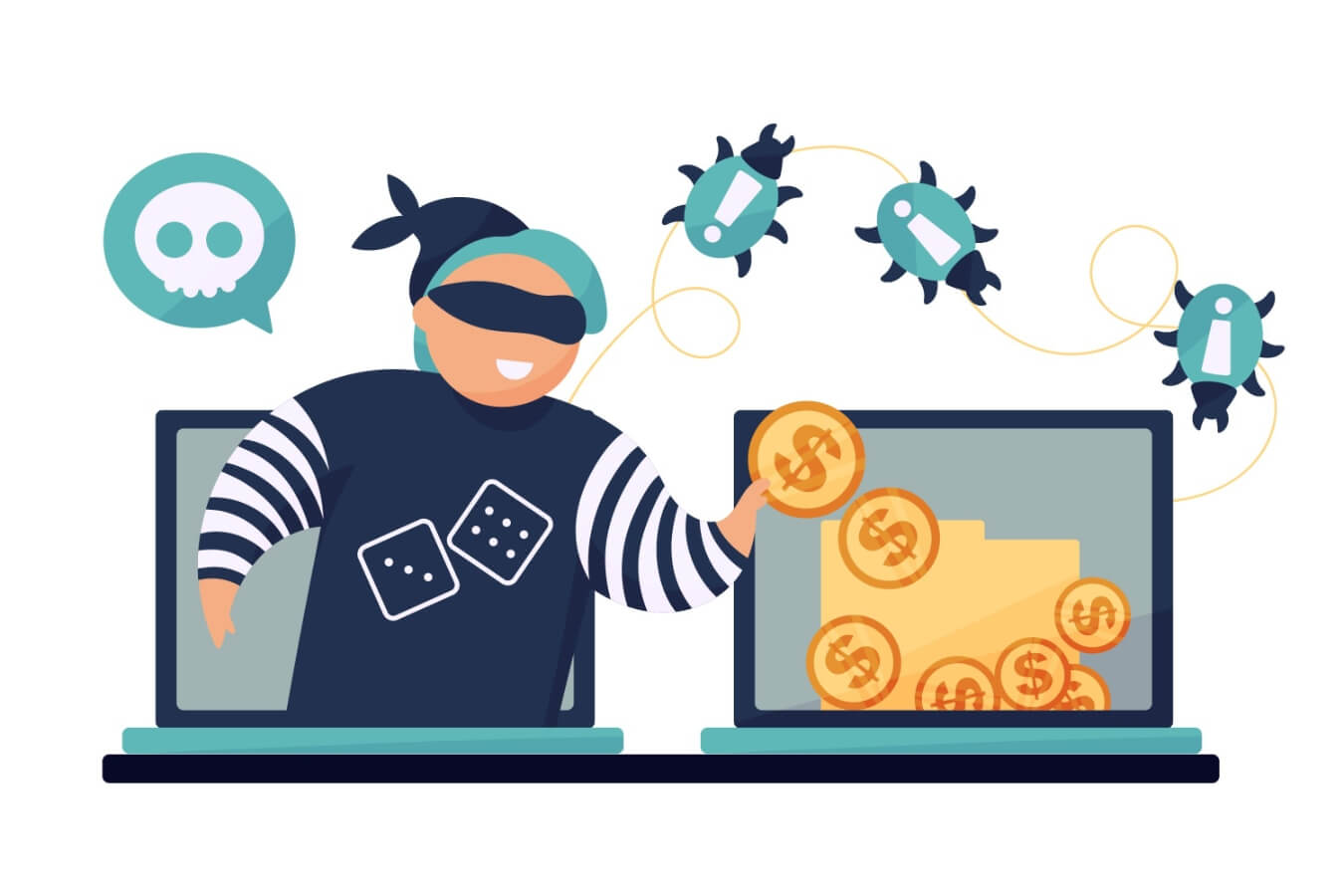
Boomers grew up in a world where losing cash meant losing a few dollars, not their entire bank account. Today’s digital scams, phishing attacks, and account takeovers feel far more threatening. Many seniors worry that going cashless exposes them to risks they don’t fully understand. Even small mistakes, like clicking the wrong link, can lead to major financial consequences. Cash offers a sense of control that digital systems can’t always match.
5. Cash Offers Privacy That Digital Payments Can’t
Every digital transaction leaves a trail, and many Boomers value the privacy that cash provides. They don’t want companies tracking their purchases or analyzing their spending habits. For seniors who grew up before the era of data collection, going cashless feels like giving up personal freedom. Cash allows them to buy what they want without being monitored. This preference for privacy is deeply rooted and unlikely to change.
6. Some Businesses Still Prefer Cash
Despite the trend toward digital payments, many small businesses, especially local shops, diners, and service providers, still rely on cash. These businesses may not want to pay card processing fees or invest in new technology. Seniors who frequent these establishments see firsthand that going cashless isn’t always practical. Cash keeps small, community‑based businesses running smoothly. Eliminating it would hurt both customers and owners.
7. Technical Glitches Can Leave Seniors Stranded
Anyone who has ever had a card declined or an app freeze knows how frustrating technology can be. For seniors, these moments can be embarrassing or stressful, especially in public settings. When a digital payment fails, they may have no backup option if they’ve embraced going cashless. Cash eliminates the fear of being stuck at the register with no way to pay. It’s a reliable fallback that technology can’t always guarantee.
8. Many Seniors Don’t Trust Big Tech With Their Money
Boomers tend to be more skeptical of large tech companies and digital platforms. They worry about data breaches, unauthorized charges, and the lack of human customer service. When going cashless requires linking bank accounts to apps, trust becomes a major barrier. Seniors want reassurance that their money is safe and accessible. Cash feels more secure because it stays in their hands.
9. Cash Is Essential During Emergencies
Power outages, natural disasters, and system failures can make digital payments impossible. Seniors who have lived through hurricanes, ice storms, or long‑term outages know the value of having cash on hand. In these moments, going cashless becomes a liability rather than an advantage. Emergency preparedness experts still recommend keeping physical money available. Boomers understand this better than most.
10. Cash Helps Seniors Support Local Workers
Many seniors prefer tipping in cash because they know workers receive the full amount. Digital tips often come with delays or processing fees. When going cashless removes the option to tip directly, it feels unfair to service workers. Cash allows seniors to show appreciation in a personal and immediate way. This tradition is deeply ingrained and meaningful.
11. Some Seniors Simply Prefer the Familiar
For many Boomers, cash isn’t just a payment method. They’ve used it for decades and see no reason to change something that works. The push toward going cashless can feel rushed and unnecessary. Familiar routines provide comfort, especially during retirement. Cash remains a symbol of independence and stability.
A Cashless Future Must Still Include Everyone
The debate over going cashless isn’t about resisting change; it’s about ensuring no one gets left behind. Seniors want convenience, but not at the cost of accessibility, privacy, or financial security. A balanced approach that keeps cash available while expanding digital options is the most inclusive path forward. Boomers aren’t pushing back to slow progress; they’re pushing back to protect fairness. A truly modern payment system must work for every generation.
Do you think the shift toward cashless payments is happening too quickly, or do you prefer digital options? Share your thoughts in the comments.
What to Read Next
Cash Rejected: 9 Everyday Places That Now Demand Cards or Apps
9 Public Services That Now Require Digital Payment Only
8 Ways Modern Life Is Designed to Confuse the Elderly
6 Times Online Banking Locked Out Retirees in an Emergency
5 Little Known Stocks That Could Bring You Great Financial Success