No Result
View All Result
SUBMIT YOUR ARTICLES
  • Login
Thursday, April 16, 2026
TheAdviserMagazine.com
  • Home
  • Financial Planning
    • Financial Planning
    • Personal Finance
  • Market Research
    • Business
    • Investing
    • Money
    • Economy
    • Markets
    • Stocks
    • Trading
  • 401k Plans
  • College
  • IRS & Taxes
  • Estate Plans
  • Social Security
  • Medicare
  • Legal
  • Home
  • Financial Planning
    • Financial Planning
    • Personal Finance
  • Market Research
    • Business
    • Investing
    • Money
    • Economy
    • Markets
    • Stocks
    • Trading
  • 401k Plans
  • College
  • IRS & Taxes
  • Estate Plans
  • Social Security
  • Medicare
  • Legal
No Result
View All Result
TheAdviserMagazine.com
No Result
View All Result
Home Market Research Money

The New Grocery Trend That’s Pricing Out Middle-Class Shoppers

by TheAdviserMagazine
9 months ago
in Money
Reading Time: 6 mins read
A A
The New Grocery Trend That’s Pricing Out Middle-Class Shoppers
Share on FacebookShare on TwitterShare on LInkedIn


Image source: Unsplash

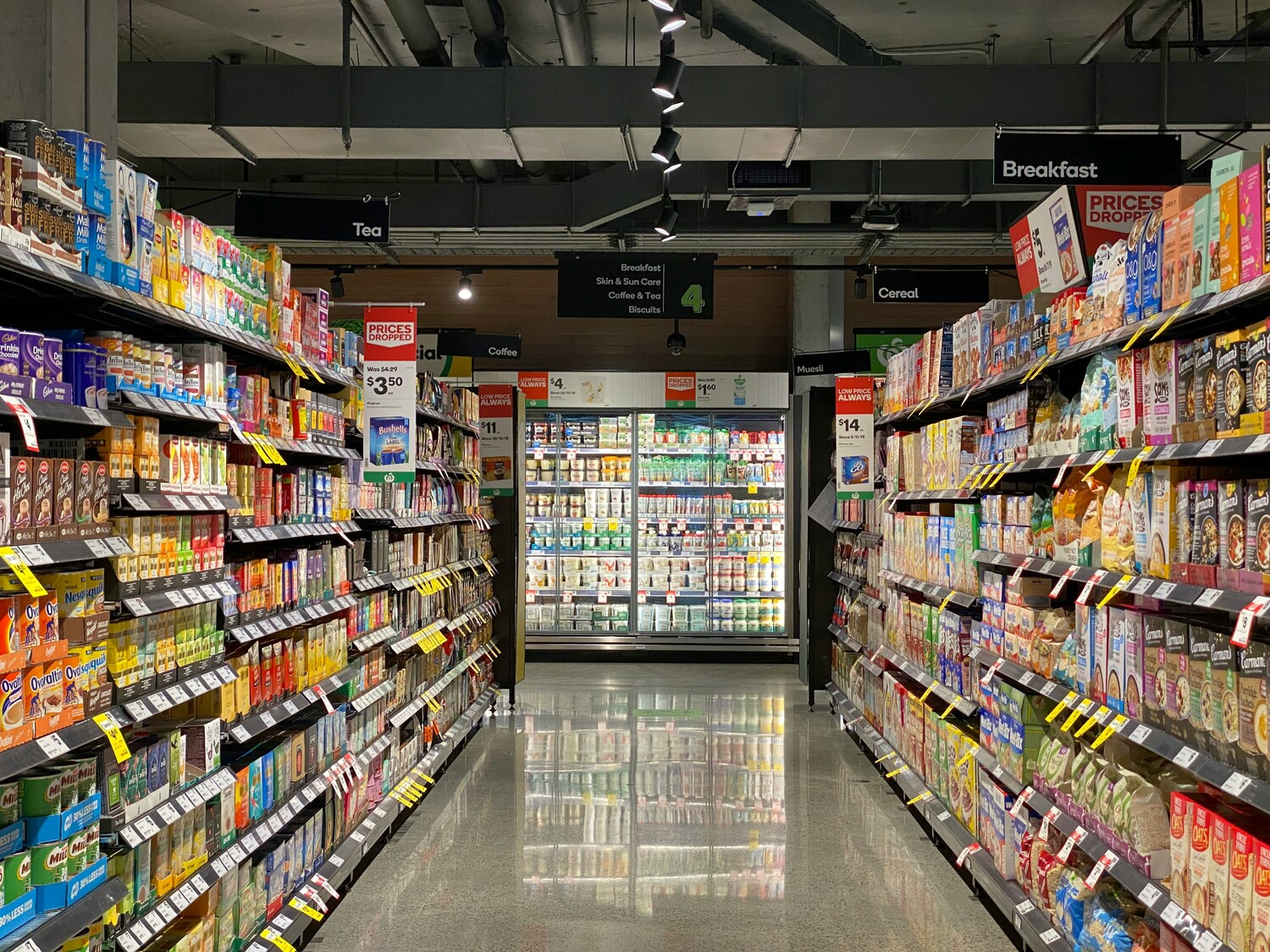
Food prices have been steadily rising for years, but a new trend sweeping the grocery industry is making the situation even worse for middle-class shoppers. Across the country, more grocery chains are embracing upscale, boutique-style offerings. As a result, affordable staples that everyday shoppers rely on are nearly disappearing.

While these “premium” grocery formats may offer sleek aesthetics, artisan products, and organic selections, they come with a hidden cost: higher prices on basic goods. As these stores grow in popularity, many middle-income shoppers are finding themselves squeezed out of their own neighborhoods, forced to either pay inflated prices or drive long distances to find affordable alternatives.

Here’s why this grocery shift is happening, how it’s impacting the middle class, and why it’s a growing concern for families already struggling with the cost of living.

Upscale Grocery Formats Are Taking Over

In many urban and suburban areas, traditional grocery stores are being replaced or rebranded into upscale, specialty-focused markets. These stores feature curated selections of organic, locally sourced, and “artisan” products. While appealing to affluent shoppers, they often reduce shelf space for budget-friendly brands or bulk items.

What’s driving this trend? Simply put, profit margins. Premium grocery items tend to carry much higher markups than basic pantry staples. Grocers can make more money by selling imported cheeses, boutique wines, and specialty health foods than by stocking generic canned goods or family-sized staples.

Additionally, upscale grocery formats often attract higher-income customers willing to pay more for an “experience”—from chef-prepared meals to in-store cafes. The focus shifts from affordability to luxury, making these stores less accessible to middle-class and working-class households.

Fewer Affordable Options for Everyday Shoppers

As more stores lean into premium offerings, the selection of affordable products shrinks. Many longtime shoppers report that they can no longer find generic or store-brand staples such as rice, pasta, canned vegetables, and cleaning supplies at their local grocery store.

Even the basics that remain tend to be offered in smaller quantities at higher per-unit prices. Bulk bins and family-sized value packs are often replaced by “convenience” packaging, which further drives up costs for households trying to stretch their grocery budgets.

Middle-class shoppers, who once relied on these stores for weekly shopping trips, now face a tough choice: pay inflated prices for smaller, trendier products, or find time to travel to discount stores or warehouse clubs that are often located farther away.

The Disappearing Middle in the Grocery Market

One of the most alarming aspects of this trend is the shrinking of the grocery industry’s “middle ground.” Traditionally, grocery stores catered to a wide range of shoppers, balancing luxury items with affordable staples to appeal to both high- and middle-income households.

Now, the grocery market is splitting into two extremes. On one end are discount chains known for bare-bones service and rock-bottom prices; on the other, high-end specialty grocers focused on organic, gourmet, and “lifestyle” products. The once-dominant middle-tier supermarkets that served broad income ranges are slowly disappearing.

For middle-class shoppers, this shift is problematic. Discount grocers often lack variety and carry few name brands, while high-end stores are financially out of reach for regular shopping. Those caught in the middle, who neither qualify for deep-discount stores nor can comfortably afford premium prices, are left with fewer convenient options.
groceries, grocery store, produce aisle
Image source: Unsplash

Rising Real Estate Costs Push Affordable Grocers Out

Another factor accelerating this trend is the real estate market. Upscale grocers often target locations in rapidly gentrifying areas, where rents are higher, and new housing developments cater to wealthier residents.

As landlords seek higher-paying tenants, long-established neighborhood grocers are increasingly priced out of their locations. In their place, developers bring in boutique grocers that cater to affluent newcomers, effectively reshaping the food landscape and displacing long-term, middle-income residents.

This process mirrors broader patterns of gentrification seen in housing, where long-term residents are pushed out in favor of wealthier newcomers. Grocery stores, often seen as community cornerstones, are now central players in these neighborhood transformations.

Grocery Delivery and Online Trends Favor Higher Spenders

Many grocery chains are also shifting their focus toward delivery services and online ordering apps. This trend also seems to favor higher-income households.

Online grocery platforms often highlight premium products first, suggesting organic, imported, or gourmet items before budget-friendly staples. Delivery fees, service charges, and higher minimum order requirements also tend to exclude middle-income shoppers.

Additionally, digital-only discounts are sometimes tied to store credit cards or membership programs that disproportionately attract wealthier customers. This leaves middle-class shoppers feeling left out, both in-store and online.

How the New Grocery Trend Is Quietly Squeezing Out Middle-Class Shoppers

The rapid shift toward upscale, boutique-style grocery stores is doing more than reshaping shopping habits. It’s slowly pricing middle-class families out of their local food markets. As grocers prioritize higher-margin products and luxury shopping experiences, middle-income shoppers face shrinking options. And we are seeing basic necessities become harder to access.

This new divide in the grocery industry reflects larger economic patterns: the erosion of the middle class, the gentrification of everyday services, and the growing gap between high- and low-income consumers. While some shoppers may celebrate the influx of organic kale and specialty cheeses, many others are left wondering why a simple bag of rice or a loaf of bread now costs double what it did just a few years ago.

Have you noticed higher prices or fewer affordable options at your local grocery store? How has this trend affected your shopping habits?

Read More:

9 Grocery Chains That Cut Corners With Private Label Products

Grocery Store Layouts That Secretly Manipulate Your Wallet

Riley Schnepf

Riley Schnepf is an Arizona native with over nine years of writing experience. From personal finance to travel to digital marketing to pop culture, she’s written about everything under the sun. When she’s not writing, she’s spending her time outside, reading, or cuddling with her two corgis.




Source link

Tags: groceryMiddleClasspricingShoppersTrend
ShareTweetShare
Previous Post

No tax on tips and overtime explained: What workers can expect

Next Post

Big Beautiful Bill GILTI to NCTI State Implications

Related Posts

edit post
8 Hidden Laws Hurting Seniors After 70

8 Hidden Laws Hurting Seniors After 70

by TheAdviserMagazine
April 16, 2026
0

Aging often brings wisdom, perspective, and a deeper appreciation for life—but it can also come with unexpected legal and financial...

edit post
7 Refunds You’re Probably Owed Right Now (and How to Claim Each One)

7 Refunds You’re Probably Owed Right Now (and How to Claim Each One)

by TheAdviserMagazine
April 16, 2026
0

Here’s a number that should make you both furious and curious: approximately 1 in 7 people in the U.S. have...

edit post
Home‑Care Shortage: 1 in 5 Agencies Raised Rates in 2025 — Seniors Face Higher Bills This Year

Home‑Care Shortage: 1 in 5 Agencies Raised Rates in 2025 — Seniors Face Higher Bills This Year

by TheAdviserMagazine
April 15, 2026
0

If you or a loved one relies on in-home care, you may have already noticed something unsettling when it comes...

edit post
Funeral Costs Are Up 11%: The Little‑Known Benefits Seniors Can Still Claim to Reduce Final Expenses

Funeral Costs Are Up 11%: The Little‑Known Benefits Seniors Can Still Claim to Reduce Final Expenses

by TheAdviserMagazine
April 15, 2026
0

Planning for end-of-life expenses isn’t something most people want to think about, but avoiding it can leave families facing thousands...

edit post
7 Things You Should Never Tell Your Adult Children About Your Personal Finances

7 Things You Should Never Tell Your Adult Children About Your Personal Finances

by TheAdviserMagazine
April 15, 2026
0

Talking to your kids about money is important (yes, even your adult children). However, oversharing can lead to other problems....

edit post
Android Users Alert: Scam Pop-Ups Posing as Google Are Targeting Older Adults

Android Users Alert: Scam Pop-Ups Posing as Google Are Targeting Older Adults

by TheAdviserMagazine
April 15, 2026
0

We’ve all seen them. Pop-up warnings on your phone. For Android users, it is happening more often, and the message...

Next Post
edit post
Big Beautiful Bill GILTI to NCTI State Implications

Big Beautiful Bill GILTI to NCTI State Implications

edit post
7 Financial Advisors Under Fire for Elder Manipulation

7 Financial Advisors Under Fire for Elder Manipulation

  • Trending
  • Comments
  • Latest
edit post
Massachusetts loses billions in income after millionaire tax

Massachusetts loses billions in income after millionaire tax

March 24, 2026
edit post
Illinois’ Paid Leave for All Workers Act Takes Effect — Every Employee Now Gets Guaranteed Time Off

Illinois’ Paid Leave for All Workers Act Takes Effect — Every Employee Now Gets Guaranteed Time Off

March 27, 2026
edit post
Virginia Permits ADULT MIGRANT MEN To Attend High School

Virginia Permits ADULT MIGRANT MEN To Attend High School

March 30, 2026
edit post
A 58-year-old left NYC for Miami to save on taxes — then retired early thanks to hidden savings. Here’s the math

A 58-year-old left NYC for Miami to save on taxes — then retired early thanks to hidden savings. Here’s the math

March 30, 2026
edit post
Tax Flight Accelerates In Massachusetts

Tax Flight Accelerates In Massachusetts

April 6, 2026
edit post
Property Tax Relief & Income Tax Relief

Property Tax Relief & Income Tax Relief

April 1, 2026
edit post
Gov’t Cos Authority recommends splitting NTA

Gov’t Cos Authority recommends splitting NTA

0
edit post
Your Top April Questions: Tax Refunds, Debt and More

Your Top April Questions: Tax Refunds, Debt and More

0
edit post
Shares of Myseum jump 150% after following Allbirds in AI pivot

Shares of Myseum jump 150% after following Allbirds in AI pivot

0
edit post
The Most Active Non-NYC Venture Capital Firms in Q1 2026 in New York – AlleyWatch

The Most Active Non-NYC Venture Capital Firms in Q1 2026 in New York – AlleyWatch

0
edit post
How is the Europe Marine Biofuel Market Transforming Sustainable Shipping?

How is the Europe Marine Biofuel Market Transforming Sustainable Shipping?

0
edit post
LPL’s Mariner Advisor Network deal fuels already hot year for RIA M&A

LPL’s Mariner Advisor Network deal fuels already hot year for RIA M&A

0
edit post
Your Top April Questions: Tax Refunds, Debt and More

Your Top April Questions: Tax Refunds, Debt and More

April 16, 2026
edit post
Shares of Myseum jump 150% after following Allbirds in AI pivot

Shares of Myseum jump 150% after following Allbirds in AI pivot

April 16, 2026
edit post
LPL’s Mariner Advisor Network deal fuels already hot year for RIA M&A

LPL’s Mariner Advisor Network deal fuels already hot year for RIA M&A

April 16, 2026
edit post
When Nuclear War Is All We Have Left

When Nuclear War Is All We Have Left

April 16, 2026
edit post
Ripple Payments And The Future Of Domestic Payment Infrastructure by 2030

Ripple Payments And The Future Of Domestic Payment Infrastructure by 2030

April 16, 2026
edit post
The Research Behind Attention — And What It Means for Teaching

The Research Behind Attention — And What It Means for Teaching

April 16, 2026
The Adviser Magazine

The first and only national digital and print magazine that connects individuals, families, and businesses to Fee-Only financial advisers, accountants, attorneys and college guidance counselors.

CATEGORIES

  • 401k Plans
  • Business
  • College
  • Cryptocurrency
  • Economy
  • Estate Plans
  • Financial Planning
  • Investing
  • IRS & Taxes
  • Legal
  • Market Analysis
  • Markets
  • Medicare
  • Money
  • Personal Finance
  • Social Security
  • Startups
  • Stock Market
  • Trading

LATEST UPDATES

  • Your Top April Questions: Tax Refunds, Debt and More
  • Shares of Myseum jump 150% after following Allbirds in AI pivot
  • LPL’s Mariner Advisor Network deal fuels already hot year for RIA M&A
  • Our Great Privacy Policy
  • Terms of Use, Legal Notices & Disclosures
  • Contact us
  • About Us

© Copyright 2024 All Rights Reserved
See articles for original source and related links to external sites.

Welcome Back!

Login to your account below

Forgotten Password?

Retrieve your password

Please enter your username or email address to reset your password.

Log In
No Result
View All Result
  • Home
  • Financial Planning
    • Financial Planning
    • Personal Finance
  • Market Research
    • Business
    • Investing
    • Money
    • Economy
    • Markets
    • Stocks
    • Trading
  • 401k Plans
  • College
  • IRS & Taxes
  • Estate Plans
  • Social Security
  • Medicare
  • Legal

© Copyright 2024 All Rights Reserved
See articles for original source and related links to external sites.