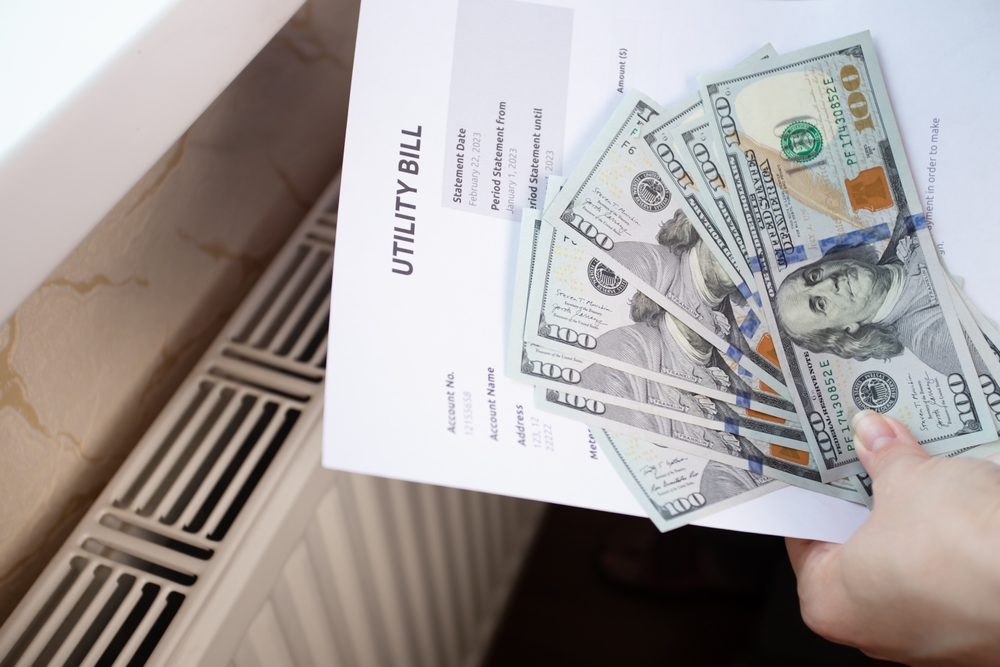
Utility bills are climbing across northern states this winter, and retirees are among those most affected. Energy companies are introducing surcharges to cover rising fuel costs, infrastructure upgrades, and seasonal demand spikes. For seniors living on fixed incomes, these surcharges can be overwhelming, adding hundreds of dollars to monthly expenses. Understanding the changes is critical to managing household budgets. Here are the key surcharges retirees must prepare for this winter.
Natural Gas Delivery Fees
Natural gas companies are adding delivery surcharges to offset rising wholesale prices. Seniors who rely on gas for heating may see bills increase by as much as 15–20% when compared to last year. Delivery fees highlight the vulnerability of retirees to seasonal demand, especially during prolonged cold spells. For households already struggling with high heating costs, these surcharges can push budgets past the breaking point. Retirees must budget carefully to absorb these costs, though transparency about how fees are calculated remains limited.
Electricity Grid Maintenance Charges
Electric utilities are introducing surcharges to fund grid maintenance during peak winter demand. Seniors may notice higher charges even if their usage remains steady, since fees are tied to system-wide costs rather than individual consumption. Maintenance surcharges reflect aging infrastructure across northern states, where extreme cold puts additional strain on power lines and substations. Retirees must confirm how surcharges are applied to their accounts, as billing structures vary by utility. These charges highlight the tension between reliability and affordability.
Fuel Oil Surcharges
Households using fuel oil for heating face surcharges tied to global price volatility. Seniors in rural areas are particularly affected, since fuel oil remains a primary heating source outside major cities. Fuel oil surcharges can add hundreds of dollars to monthly bills, especially during peak delivery months. Retirees must plan deliveries strategically to minimize costs, but unpredictable weather makes timing difficult. Seasonal surcharges underscore the financial risks of relying on older heating systems.
What Seniors Can Do to Better Prepare
Start by reviewing your utility statements carefully, confirming surcharges, and exploring energy assistance programs offered by state governments. Seniors should budget for seasonal increases and monitor usage closely, even if conservation options are limited. Some retirees may benefit from weatherization programs that reduce heating demand. Staying informed about utility updates helps retirees adapt to evolving billing structures. Proactive measures reduce stress and improve outcomes.
Winter utility surcharges may raise costs, but seniors can prepare by planning early. By reviewing bills, budgeting carefully, and seeking assistance, retirees can reduce the impact of new charges. Winter may bring new challenges, but it also offers opportunities to strengthen financial management habits. Staying proactive ensures seniors remain in control of their household expenses, even as utilities introduce new surcharges.
Have you noticed new utility surcharges on your winter bills? Share your experience in the comments — your feedback can help other retirees prepare.
You May Also Like
Boomers Are Being Hit With Surprise Subscription Fees Hidden in Utility Bills
A New Wave of Utility Rate Hikes Is Hitting Older Homeowners This Winter
Why Utility Bills Are Becoming the Hidden Threat to Fixed Incomes
Unplugged: 12 Items You Should Unplug Now To See A Drastic Change in Your Utility Bill
10 Weather-Proofing Fixes That Lower Insurance and Utility Bills