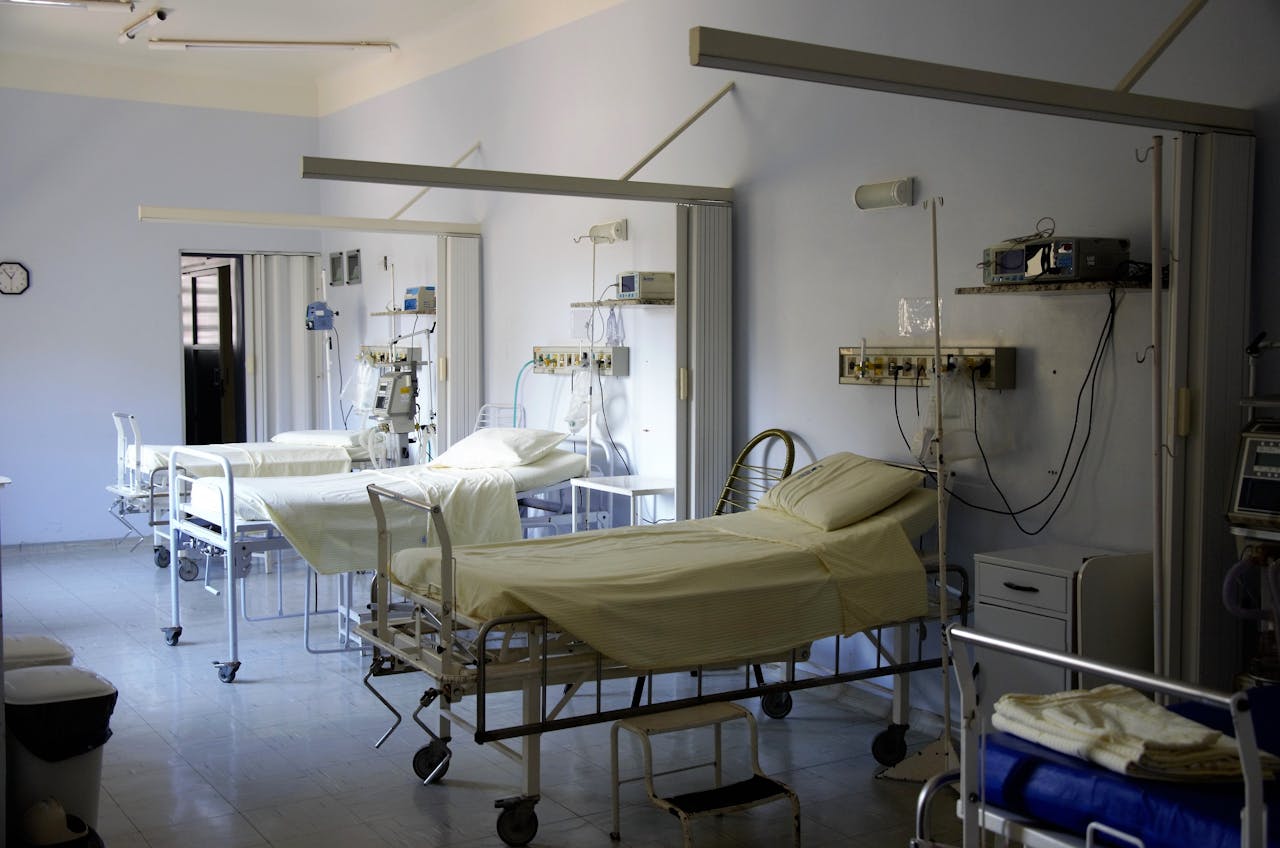
If you find yourself in a hospital bed this year, the most important question you can ask isn’t “How am I doing?” but “Am I an inpatient?” For 2026, hospitals are adjusting observation status rules yet again as they respond to a massive shift in federal “site-of-service” policies. As CMS continues its phase-out of the “Inpatient-Only” list—removing 285 procedures, mostly musculoskeletal, for the 2026 plan year—hospitals are increasingly classifying patients as “under observation.” While the room looks the same and the care is identical, being in “observation” means you are technically an outpatient, a distinction that can cost you thousands of dollars in follow-up care. This classification determines whether Medicare Part A (Hospital Insurance) or Part B (Medical Insurance) covers your stay.
The “Two-Midnight” Rule vs. Three-Day SNF Requirement
The primary driver of hospital observation status rules remains the tension between the “Two-Midnight Rule” and the “Three-Day Inpatient” requirement for rehab coverage. Under CMS guidelines, an inpatient admission is generally appropriate if a doctor expects you to stay for at least two midnights. However, to qualify for Medicare Part A coverage in a Skilled Nursing Facility (SNF), you must have a qualifying inpatient hospital stay of at least three days. In 2026, time spent in “Observation Status” does not count toward those three days, even if you are in a hospital bed for a week. This creates a “coverage gap” where a patient may be medically stable enough for discharge but financially ineligible for covered rehab.
The “Safety of Care” Star Rating Trap
In 2026, CMS is implementing a new “4-star cap” for hospitals in the lowest quartile of Safety of Care. This means if a hospital has too many inpatient “safety events,” their public rating—and their federal funding—will plummet. To keep their metrics clean, hospitals have a massive incentive to keep patients in “Observation Status” rather than formally admitting them. Because observation patients are technically outpatients, any complications or readmissions that occur aren’t counted against the hospital’s “Inpatient Quality” metrics. You are effectively being used as a “statistical shield” to protect the hospital’s reputation while you pay 20% coinsurance for services.
The 2026 Co-Pay and Deductible Shift
The financial stakes of your status have increased for the 2026 calendar year due to updated Medicare costs. If you are admitted as an inpatient, you pay a one-time Part A deductible of $1,736, which covers up to 60 days of care. If you are in observation, you are billed under Part B, which has a $283 annual deductible followed by a 20% coinsurance for every individual service provided. While a single outpatient co-pay is capped at $1,736, your total bill for multiple services—like X-rays, lab tests, and drugs—can easily exceed the cost of an inpatient stay. Furthermore, Part B does not cover “routine” medications you usually take at home, leading to high “self-administered drug” charges.
New Rights for Retrospective and Prospective Appeals
One major change for 2026 is the finalization of a new appeals process following a historic class-action lawsuit. Medicare beneficiaries who were hospitalized as “Inpatients” but later reclassified to “Observation” now have the right to appeal that status change. For those who faced these reclassifications in the past, the deadline for retrospective appeals is January 2, 2026. Going forward, hospitals must provide a “Medicare Change of Status Notice” (MCSN) which offers a pathway for prospective appeals. If your appeal is successful, your stay is reclassified to Inpatient, potentially unlocking thousands of dollars in SNF coverage and Part A reimbursements.
How to Fight for Inpatient Status Every Day
To avoid the “Observation Trap,” you must be your own advocate or have a family member act on your behalf during the hospital stay. Every morning during rounds, ask the attending physician: “Is my status ‘Inpatient’ or ‘Observation’?” If they say “Observation,” ask specifically: “What clinical criteria am I missing to be admitted as an ‘Inpatient’ under the Two-Midnight Rule?” You should also request a meeting with the hospital’s “Utilization Review” (UR) department to discuss your case. Do not wait until discharge to find out your status; once you leave the building, changing your status becomes a much more difficult legal hurdle.
Don’t Let “Status” Dictate Your Recovery
The adjustment of hospital observation status rules is a clear example of how administrative metrics can overshadow patient needs. While the “Inpatient-Only” list phase-out was intended to give patients more choice, it has instead given hospitals a new way to shift financial risk and protect their quality ratings. By staying vigilant, asking the “Inpatient” question every day, and utilizing the new 2026 appeals process, you can protect your right to covered follow-up care. In the 2026 healthcare market, the “status” of your stay is just as important to your health as the medical treatment itself.
Have you or a loved one been “stuck” in observation status recently, or did you file a retrospective appeal by the January deadline? Leave a comment below and let us know which hospital was involved—we’re tracking these 2026 “status shifts” across the country.
You May Also Like…
Observation vs. Inpatient: The Hospital Label That Can Make Your Skilled-Nursing Stay 100% Out-of-Pocket
5 Medicare Notices That Signal Coverage Reductions Ahead
Hospitals Are Shortening Coverage Windows for Post-Procedure Care
5 Co-Pay Categories That Shift Once Annual Limits Reset
5 Hospital Billing Codes That Trigger Higher Charges Without Warning