No Result
View All Result
SUBMIT YOUR ARTICLES
  • Login
Wednesday, April 22, 2026
TheAdviserMagazine.com
  • Home
  • Financial Planning
    • Financial Planning
    • Personal Finance
  • Market Research
    • Business
    • Investing
    • Money
    • Economy
    • Markets
    • Stocks
    • Trading
  • 401k Plans
  • College
  • IRS & Taxes
  • Estate Plans
  • Social Security
  • Medicare
  • Legal
  • Home
  • Financial Planning
    • Financial Planning
    • Personal Finance
  • Market Research
    • Business
    • Investing
    • Money
    • Economy
    • Markets
    • Stocks
    • Trading
  • 401k Plans
  • College
  • IRS & Taxes
  • Estate Plans
  • Social Security
  • Medicare
  • Legal
No Result
View All Result
TheAdviserMagazine.com
No Result
View All Result
Home Market Research Money

7 Tech Habits That Are Quietly Costing You More Than You Think

by TheAdviserMagazine
9 months ago
in Money
Reading Time: 5 mins read
A A
7 Tech Habits That Are Quietly Costing You More Than You Think
Share on FacebookShare on TwitterShare on LInkedIn


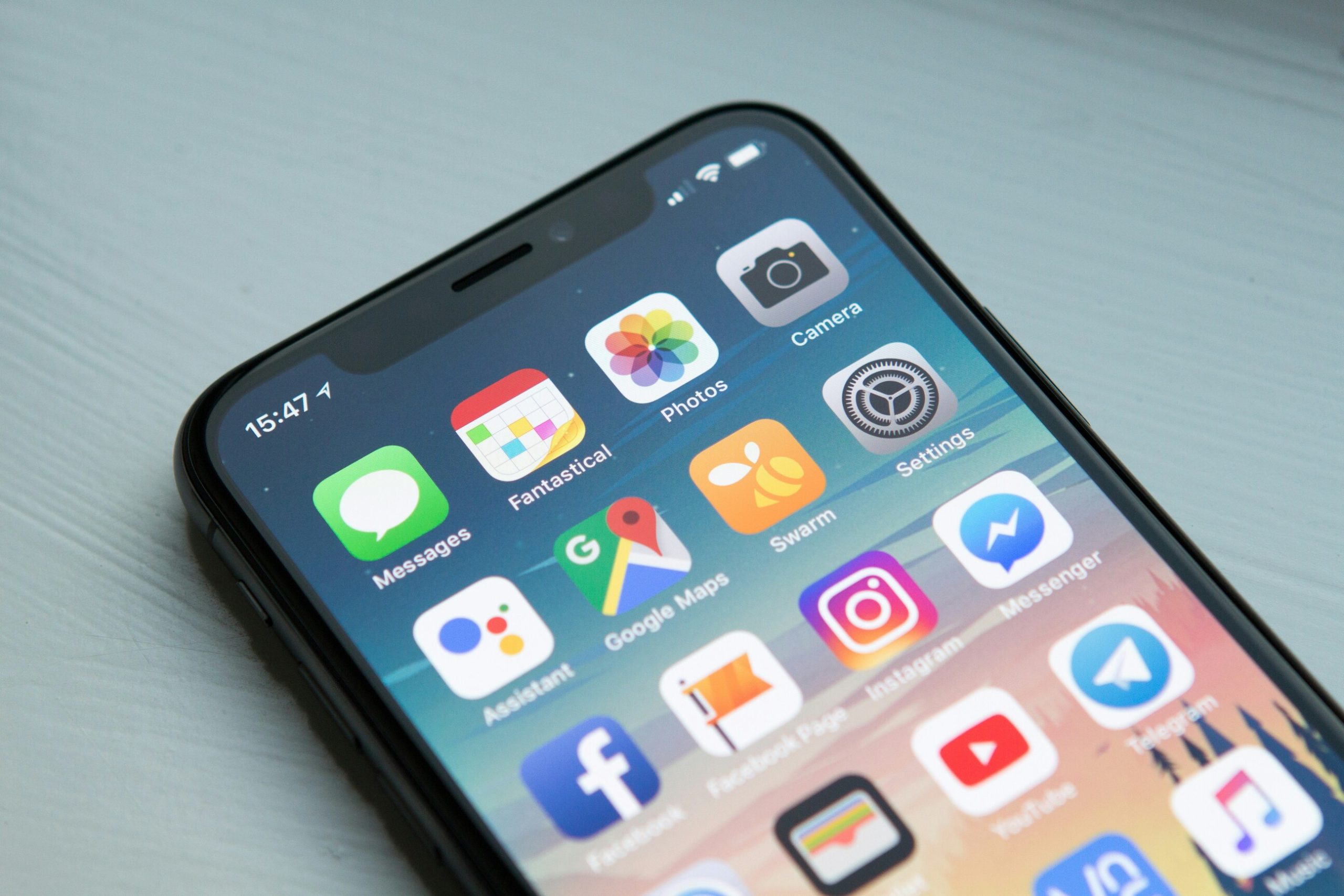
Image source: Unsplash

Technology makes life easier, faster, and more connected, but it’s also quietly draining your bank account. Many of us assume the biggest tech expenses are one-time purchases like a new laptop or smartphone. But in reality, it’s the small, habitual tech behaviors, those we barely think about, that are slowly bleeding our budgets dry.

In an age where everything from music to grocery delivery is automated, tech-related spending has become stealthy. A few bucks here, a few charges there, and suddenly you’re wondering why your monthly budget feels tighter than ever. These aren’t just luxury habits—they’ve become part of everyday life. And that’s exactly what makes them so financially dangerous.

Here are seven tech habits that could be costing you far more than you realize, and what you can do to stop the silent drain.

1. Subscribing and Forgetting

Streaming platforms, cloud storage, fitness apps, photo editors, and news sites—monthly subscriptions now come in every flavor. But many people forget to cancel free trials or fail to track what’s actually being used.

Even if each service only costs $5–$15 per month, stacking just 5–7 of them adds up to hundreds per year. Many renew automatically, are buried in email receipts, or are paid through platforms like PayPal or Apple Pay, making them easy to ignore.

A regular audit of your subscriptions can reveal just how much is leaking out of your account. Cancel anything that isn’t used at least once a week or downgrade to free versions if available.

2. Upgrading Devices Too Often

The shiny new phone, tablet, or smartwatch looks tempting, but do you actually need it? Many people swap out perfectly functional devices every year or two, racking up costs that rarely align with actual improvements in performance.

Tech companies thrive on upgrade culture, releasing minor improvements and marketing them as revolutionary. But in truth, most people only use a fraction of their device’s capabilities. Holding onto a phone or laptop for four to five years instead of two can save you hundreds or even thousands without any meaningful drop in daily functionality.

3. Paying for Too Much Mobile Data

Most people overestimate how much cellular data they actually use, and telecom companies love that. Many middle-class users are on “unlimited” or high-tier data plans that exceed their needs, especially if they’re mostly connected to Wi-Fi.

Some families are paying $200+ a month for data they don’t come close to using. Carriers rarely suggest downgrades, so unless you initiate a plan review, you’ll keep overpaying indefinitely. Check your monthly usage history and consider switching to a smaller plan or prepaid carrier. You might be shocked by how little data you truly need.

4. Ignoring In-App Purchases and Microtransactions

That $1.99 here or $4.99 there in your favorite mobile game or shopping app may seem harmless, but over time, it adds up. App developers design games and services to be addictive, often encouraging small purchases to “unlock” features or save time.

And when your card is already linked to the platform, spending becomes frictionless and forgettable. Many users don’t realize how much they’re spending on in-app upgrades until the credit card bill arrives. Tracking app-related purchases and setting device-level limits or parental controls, even for yourself, can curb these impulse buys.

5. Renting Instead of Owning Software

Subscription-based software has become the norm, especially for productivity tools, design programs, and antivirus services. But for many users, free or one-time-payment alternatives exist that provide nearly the same functionality.

Paying monthly or annually to “rent” software you only use occasionally is one of the most common forms of tech-related money waste. Think Adobe, Microsoft Office, or even tax software that renews every year. Explore open-source options or one-time purchase apps when possible. You may find that the $12.99/month software you’ve used twice this year isn’t worth the investment.

6. Leaving Devices on 24/7

It’s easy to leave your computer, TV, or gaming console running when not in use, but it’s not just an energy waste. It’s a slow and steady increase in your utility bill. Smart devices like speakers, routers, and security cams also draw power even when idle. While individually small, collectively they contribute to a higher energy bill each month.

Putting your devices on power strips, setting sleep timers, and turning off electronics overnight can lead to noticeable savings over time, especially in homes with multiple users and screens.

7. Failing to Secure Devices and Data

This habit doesn’t show up on your bank statement…until it does. Not backing up data, skipping software updates, or using weak passwords might seem harmless… until you fall victim to a hack, identity theft, or ransomware. The financial fallout can be enormous—frozen accounts, compromised credit, or even drained savings. And yet, many people still use “123456” or reuse the same password across every account.

Investing time in basic cybersecurity practices, like two-factor authentication, password managers, and regular backups, can save you thousands in potential losses and hours of stress down the road.

Small Tech Habits Create Big Money Leaks

Most tech-related financial drains aren’t dramatic. They’re subtle, recurring, and easily overlooked. But when combined, they can quietly siphon off hundreds, sometimes thousands, of dollars a year from your budget.

The good news? Unlike rent or gas prices, these are expenses you can control. A few small changes in your digital habits can add up to serious savings without sacrificing convenience.

Which tech habit surprised you the most, or have you already taken steps to cut your digital spending?

Read More:

9 Times Technology Solved a Problem It Actually Created

The Fine Print of Fintech: 8 Surprising Truths About Auto-Investing Apps

Riley Schnepf

Riley Schnepf is an Arizona native with over nine years of writing experience. From personal finance to travel to digital marketing to pop culture, she’s written about everything under the sun. When she’s not writing, she’s spending her time outside, reading, or cuddling with her two corgis.




Source link

Tags: costinghabitsQuietlytech
ShareTweetShare
Previous Post

El Al CEO stepping down

Next Post

How one millennial played the stock market to quit his white-collar job and retire in his 40s

Related Posts

edit post
Why an Unfinished Degree Can Help Your Resume (and How to List It)

Why an Unfinished Degree Can Help Your Resume (and How to List It)

by TheAdviserMagazine
April 22, 2026
0

Editor's Note: This story originally appeared on Zety.com. You started a degree but didn’t finish it. Now you’re wondering, “Should...

edit post
The Facebook ‘Friend Request From Yourself’ Scam: The Cloned‑Account Trick Now Targeting Retirees

The Facebook ‘Friend Request From Yourself’ Scam: The Cloned‑Account Trick Now Targeting Retirees

by TheAdviserMagazine
April 21, 2026
0

It’s one of the most confusing messages you can get: a friend tells you that you just sent them a...

edit post
7 Reasons Over 1.1 Million Texas Seniors Are at Risk After Missing the ,000 School‑Tax Exemption in 2026

7 Reasons Over 1.1 Million Texas Seniors Are at Risk After Missing the $10,000 School‑Tax Exemption in 2026

by TheAdviserMagazine
April 21, 2026
0

If you’re a Texas homeowner over 65, missing a simple exemption could be costing you hundreds (or even thousands) of...

edit post
10 Outdated Things Boomers Refuse To Give Up (And Still Buy)

10 Outdated Things Boomers Refuse To Give Up (And Still Buy)

by TheAdviserMagazine
April 21, 2026
0

Walk through any store or browse online, and you’ll notice something interesting: certain outdated purchases boomers continue to make haven’t...

edit post
South Florida Tops WalletHub List of 10 Best Cities to Start a Business

South Florida Tops WalletHub List of 10 Best Cities to Start a Business

by TheAdviserMagazine
April 21, 2026
0

Two South Florida cities are among the 10 best to start your own business in, according to a recently released...

edit post
How Do I Respectfully Ask for the Raise I Was Promised? Ask Johnny

How Do I Respectfully Ask for the Raise I Was Promised? Ask Johnny

by TheAdviserMagazine
April 21, 2026
0

Johnny C. Taylor Jr. tackles your workplace questions each week for USA TODAY. Taylor is president and CEO of SHRM,...

Next Post
edit post
How one millennial played the stock market to quit his white-collar job and retire in his 40s

How one millennial played the stock market to quit his white-collar job and retire in his 40s

edit post
8 Popular Savings Tips That Actually Hurt You in the Long Run

8 Popular Savings Tips That Actually Hurt You in the Long Run

  • Trending
  • Comments
  • Latest
edit post
Massachusetts loses billions in income after millionaire tax

Massachusetts loses billions in income after millionaire tax

March 24, 2026
edit post
Illinois’ Paid Leave for All Workers Act Takes Effect — Every Employee Now Gets Guaranteed Time Off

Illinois’ Paid Leave for All Workers Act Takes Effect — Every Employee Now Gets Guaranteed Time Off

March 27, 2026
edit post
Virginia Permits ADULT MIGRANT MEN To Attend High School

Virginia Permits ADULT MIGRANT MEN To Attend High School

March 30, 2026
edit post
A 58-year-old left NYC for Miami to save on taxes — then retired early thanks to hidden savings. Here’s the math

A 58-year-old left NYC for Miami to save on taxes — then retired early thanks to hidden savings. Here’s the math

March 30, 2026
edit post
Tax Flight Accelerates In Massachusetts

Tax Flight Accelerates In Massachusetts

April 6, 2026
edit post
Property Tax Relief & Income Tax Relief

Property Tax Relief & Income Tax Relief

April 1, 2026
edit post
Wave Life Sciences Ltd. (WVE) Sees Strong Buy Rating From Analysts

Wave Life Sciences Ltd. (WVE) Sees Strong Buy Rating From Analysts

0
edit post
5 Lessons from a Trader Who Turned ,500 into Millions

5 Lessons from a Trader Who Turned $1,500 into Millions

0
edit post
Why an Unfinished Degree Can Help Your Resume (and How to List It)

Why an Unfinished Degree Can Help Your Resume (and How to List It)

0
edit post
Trent announces first-ever bonus issue in 1:2 ratio. Check details

Trent announces first-ever bonus issue in 1:2 ratio. Check details

0
edit post
Stephen and Ayesha Curry are coming for the sports drink market—and their kids were a focus group

Stephen and Ayesha Curry are coming for the sports drink market—and their kids were a focus group

0
edit post
Michael Zuber: Why the Average American Won’t Make It Without Rentals

Michael Zuber: Why the Average American Won’t Make It Without Rentals

0
edit post
Wave Life Sciences Ltd. (WVE) Sees Strong Buy Rating From Analysts

Wave Life Sciences Ltd. (WVE) Sees Strong Buy Rating From Analysts

April 22, 2026
edit post
5 Lessons from a Trader Who Turned ,500 into Millions

5 Lessons from a Trader Who Turned $1,500 into Millions

April 22, 2026
edit post
Stephen and Ayesha Curry are coming for the sports drink market—and their kids were a focus group

Stephen and Ayesha Curry are coming for the sports drink market—and their kids were a focus group

April 22, 2026
edit post
Why an Unfinished Degree Can Help Your Resume (and How to List It)

Why an Unfinished Degree Can Help Your Resume (and How to List It)

April 22, 2026
edit post
ADNIC secures India approval for GIFT City reinsurance branch

ADNIC secures India approval for GIFT City reinsurance branch

April 22, 2026
edit post
Michael Zuber: Why the Average American Won’t Make It Without Rentals

Michael Zuber: Why the Average American Won’t Make It Without Rentals

April 22, 2026
The Adviser Magazine

The first and only national digital and print magazine that connects individuals, families, and businesses to Fee-Only financial advisers, accountants, attorneys and college guidance counselors.

CATEGORIES

  • 401k Plans
  • Business
  • College
  • Cryptocurrency
  • Economy
  • Estate Plans
  • Financial Planning
  • Investing
  • IRS & Taxes
  • Legal
  • Market Analysis
  • Markets
  • Medicare
  • Money
  • Personal Finance
  • Social Security
  • Startups
  • Stock Market
  • Trading

LATEST UPDATES

  • Wave Life Sciences Ltd. (WVE) Sees Strong Buy Rating From Analysts
  • 5 Lessons from a Trader Who Turned $1,500 into Millions
  • Stephen and Ayesha Curry are coming for the sports drink market—and their kids were a focus group
  • Our Great Privacy Policy
  • Terms of Use, Legal Notices & Disclosures
  • Contact us
  • About Us

© Copyright 2024 All Rights Reserved
See articles for original source and related links to external sites.

Welcome Back!

Login to your account below

Forgotten Password?

Retrieve your password

Please enter your username or email address to reset your password.

Log In
No Result
View All Result
  • Home
  • Financial Planning
    • Financial Planning
    • Personal Finance
  • Market Research
    • Business
    • Investing
    • Money
    • Economy
    • Markets
    • Stocks
    • Trading
  • 401k Plans
  • College
  • IRS & Taxes
  • Estate Plans
  • Social Security
  • Medicare
  • Legal

© Copyright 2024 All Rights Reserved
See articles for original source and related links to external sites.