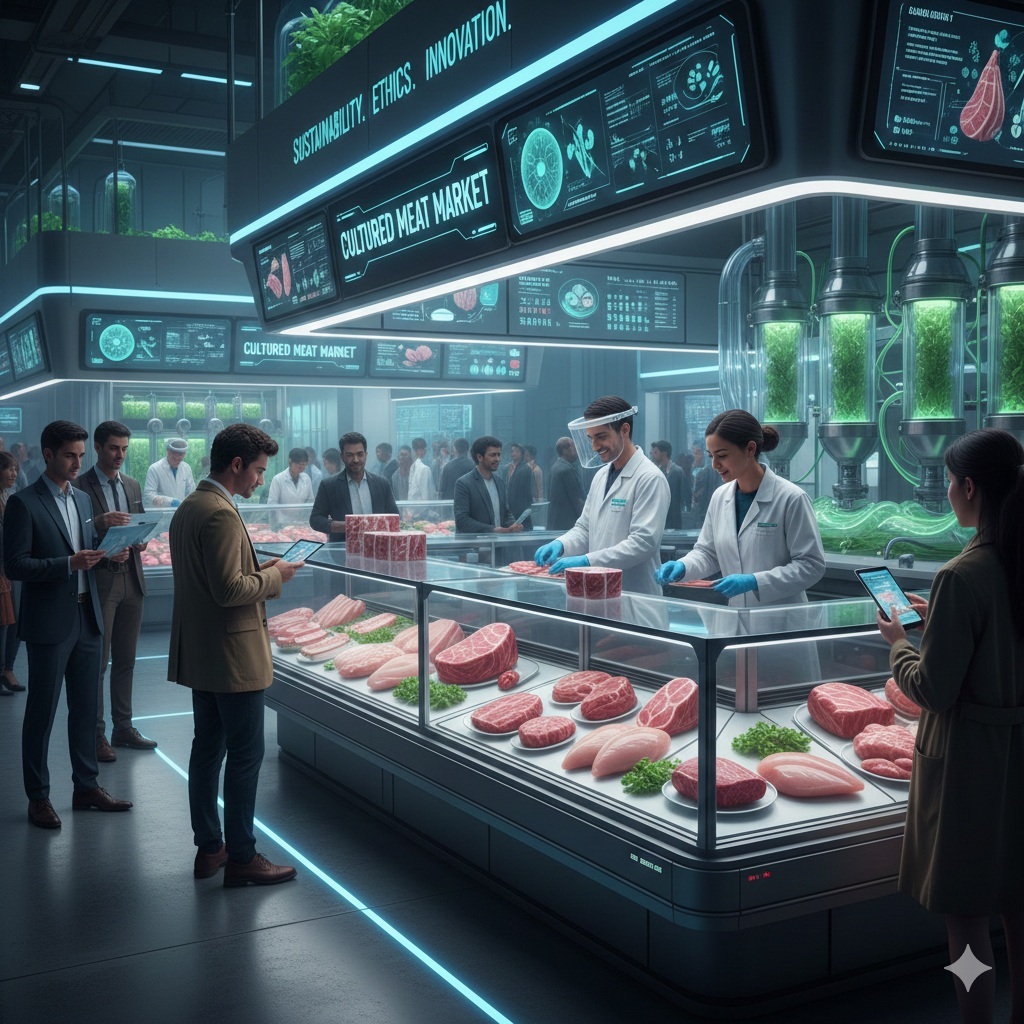
The cultured meat market is emerging as a transformative segment within the alternative protein ecosystem, driven by advances in cellular agriculture and growing demand for sustainable food solutions. Cultured meat, produced from animal cells without traditional livestock farming, addresses ethical, environmental, and food security concerns, making it a key focus area for stakeholders seeking to Buy Cultured Meat Market Report insights.
According to BISResearch, The cultured meat market was valued at $1,154.8 million in 2024, and it is expected to grow at a CAGR of 14.19% and reach $3,810.6 million by 2033.
Key Drivers in the Cultured Meat Market
Rising Demand for Sustainable Alternative Protein Sources: Increasing concerns around climate change, land use, and greenhouse gas emissions are accelerating interest in cultured meat as a sustainable alternative protein compared to conventional animal agriculture.
Growing Awareness of Animal Welfare: Cultured meat eliminates the need for animal slaughter, aligning with shifting consumer values and strengthening its position within the broader alternative protein market.
Technological Advancements in Cellular Agriculture: Improvements in cell line development, bioreactor design, and growth media optimization are enhancing production efficiency and scalability, supporting market expansion.
Increasing Investments and Strategic Collaborations: BIS Research highlights growing investments from food-tech companies, startups, and research institutions, aimed at commercializing cultured meat products globally.
Key Trends in the Cultured Meat Market
Integration of Cultured Meat into the Alternative Protein Landscape: Cultured meat is increasingly positioned alongside plant-based and fermentation-derived proteins, creating a diversified alternative protein portfolio.
Focus on Cost Reduction and Scale-Up: Market players are prioritizing cost-effective production methods and scalable manufacturing processes to enable mass-market adoption.
Product Diversification: Early development efforts focused on poultry and beef, while newer initiatives are expanding into seafood and specialty meat products.
Regulatory Engagement and Market Readiness: Companies are actively working with regulatory bodies to establish approval frameworks and food safety standards for commercial launches.
Request A Detailed Sample for Cultured Meat Market!
Challenges and Opportunities
Challenges:
High Production Costs: BIS Research identifies cost-intensive growth media and infrastructure as key barriers to near-term affordability.
Regulatory Uncertainty: Approval timelines and regulatory clarity vary across regions, affecting commercialization speed.
Consumer Acceptance: Educating consumers about safety, taste, and nutritional value remains critical.
Opportunities:
Long-Term Sustainability Advantage: Cultured meat offers a compelling solution to environmental and resource constraints.
Strategic Positioning within Alternative Protein Markets: As demand for alternative protein rises, cultured meat is expected to complement plant-based offerings.
Innovation-Led Differentiation: Advances in texture, flavor, and nutritional optimization present significant growth opportunities.
Future Outlook
BIS Research projects strong long-term growth for the cultured meat market as technology matures and regulatory pathways become clearer. Increasing alignment with sustainability goals, combined with rising demand for alternative protein solutions, is expected to support commercialization and global market penetration over the forecast period. Stakeholders looking to enter this space are increasingly choosing to Buy Cultured Meat Market Report resources to guide strategic decisions.
Trending FAQ for Cultured Meat Market
What is the cultured meat market?
The cultured meat market refers to the industry producing genuine animal-derived meat by cultivating animal cells in a lab rather than raising and slaughtering animals. This process supports the alternative protein ecosystem and mimics the sensory and nutritional properties of conventional meat.
What role does cultured meat play in the alternative protein industry?
Cultured meat is a key segment of the alternative protein market, offering a sustainable and ethical protein source that can complement plant-based and fermentation-derived proteins as consumer demand for alternative proteins grows.
Why is demand for cultured meat increasing?
Rising interest in alternative protein sources, concerns around environmental sustainability, animal welfare, and reduced greenhouse gas emissions are major factors driving cultured meat adoption.
What are the main types of cultured meat products?
The cultured meat market includes products like poultry, beef, seafood, pork, and other cell-cultured meats, reflecting a growing diversification in the alternative protein space.
Click Here to Download the ToC
Conclusion
The cultured meat market represents a critical evolution within the alternative protein industry, offering solutions to sustainability, ethical, and supply-chain challenges associated with conventional meat production. While near-term hurdles remain, ongoing innovation, investment, and regulatory progress position the market for substantial future growth. For businesses, investors, and policymakers seeking data-driven insights, now is the right time to Buy Cultured Meat Market Report and capitalize on this next-generation protein opportunity.