In This Article
This article is presented by Express Capital Financing
Before I bought my first property, I thought understanding a “market” meant understanding a city. If Phoenix was booming, I assumed the whole metro was booming. If Cleveland cash flowed, I figured anywhere within 20 minutes of downtown must be a good deal. And if Nashville was full of cranes and construction, then every submarket had to be a winner.
It took precisely one disappointing deal for me to realize how far off that thinking was.
Real estate does not behave like one big organism, moving in one direction at once. It doesn’t reward every neighborhood equally. And it absolutely does not care what city-level headlines say. Once you really start studying successful investors (or the lenders who fund them), you begin to see that the difference between a profitable deal and a painful one is often just a few streets, a school boundary, or a subtle shift in local demand.
What seasoned investors understand, and what most beginners miss, is that real estate is hyperlocal. Not just neighborhood-by-neighborhood, but often block-by-block. And once you see how local the game truly is, you finally understand why the same city can produce both incredible deals and terrible ones at the same time.
I’ve spoken with thousands of investors over the years and watched them learn this lesson in different ways. Some discover it when they find out their flip sat on the market 87 days while an identical house one mile over sold in a bidding war. Others learn it when a rental that looked great on a spreadsheet ends up in a pocket with high turnover and weak tenant wages. And still others figure it out the easy way, usually because a lender, like the team at Express Capital Financing, stepped in and explained what the numbers were really saying.
The pattern is always the same: Investors don’t fail because they chose the wrong strategy. They fail because they used the right approach in the wrong market.
Why Knowledge Is Power: Understanding Real Estate Markets
Years ago, I watched two investors buy similar single-family homes in the same metro, only six miles apart. Both were fixers, needed about $40,000 in work, and were purchased the same month.
Investor A bought in an emerging neighborhood where renovated homes were selling in under 10 days. Families were moving in, retail was expanding, crime was trending down, and local school ratings had improved for three consecutive years. Investor A’s flip sold above asking within 72 hours.
Investor B bought in a pocket that looked similar on paper, but the retail buyers weren’t actually moving into that specific corridor. It was wedged between two major roads, the schools were struggling, and renovated homes simply didn’t command much of a premium. The flip sat on the market for nearly three months—and eventually sold at a loss.
Same city, renovation, contractor, and timeline—entirely different outcomes.
That was the moment I stopped thinking about “cities” and started thinking about “micro-markets.”
The Personality of Your Market
Every area falls into one of three general personalities. Knowing which one you’re operating in determines everything: your financing, renovation style, hold period, exit strategy, and even your risk tolerance.
1. Appreciation markets
These are the high-growth areas fueled by corporate relocations, population booms, and steady economic expansion. Cities like Denver, Nashville, Austin, Raleigh, and Salt Lake City live in this category. Prices tend to climb faster than rents, inventory stays tight, and competition is fierce.
These markets reward patience and value-add projects. You don’t buy for cash flow here; you buy for equity, long-term appreciation, and the ability to force value through renovation. But you also have to be a disciplined underwriter, because mistakes get expensive fast.
2. Cash flow markets
These are the reliable, steady, cash-on-cash performers. Think the Midwest, Rust Belt, and many Southern metros. You can still buy under $150,000, cash flow from day one, and find motivated sellers and wide spreads.
You might also like
These markets reward long-term buy-and-hold investors who understand tenant profiles, wage growth, and the real cost of maintaining older homes. Appreciation exists, but it’s typically slow and predictable rather than dramatic.
3. Hybrid markets
These are the sweet-spot cities where investors get both cash flow and appreciation: Tampa, Charlotte, Greenville, Oklahoma City, and parts of Phoenix. They aren’t as volatile as high-flying appreciation markets, but they still offer long-term upside and decent cash flow.
Hybrids are some of the best places to BRRRR because deals still exist, demand is steady, and rental growth continues year after year. Investors who understand construction costs and market ceilings do incredibly well here.
Learning to Read the Neighborhood
If you want to understand a market the way experienced lenders do, you have to stop looking at big data and start focusing on clues.
Days on market
Nothing communicates demand more clearly than DOM. A neighborhood where homes go under contract in two weeks behaves differently from one where houses sit for 90 days.
Renovated vs. unrenovated spread
In some pockets, you can buy an unrenovated house for $190,000 and sell a renovated one for $220,000. That’s barely enough spread to justify the work.
In others, you can buy an outdated home at $160,000 and sell a renovated home at $280,000. That’s where serious flips happen.
Price-to-rent ratio
Strong rental corridors often fall below 16 on this ratio. Appreciation corridors typically sit above 20. Hybrid markets bounce in the middle.
School zones
A single school rating change can swing ARV by $50,000-$150,000. This is one of the most consistent patterns lenders see.
Crime concentration
Not crime citywide; crime within a three-street radius. Investors, ignore this at your own risk.
Local wages
Your spreadsheet does not determine your rent; it’s defined by what your tenants earn. If your ideal rent is 30% higher than what the median wage supports, the numbers will not play out the way you want.
What If Market Conditions Shift?
Real estate markets are fluid. Interest rates rise, population trends shift, inventory swings back and forth, and buyer psychology changes unexpectedly.
Smart investors adapt, like so:
When interest rates rise: Buyer urgency drops, inventory builds, and negotiation power returns to the investor. BRRRR opportunities often expand here.
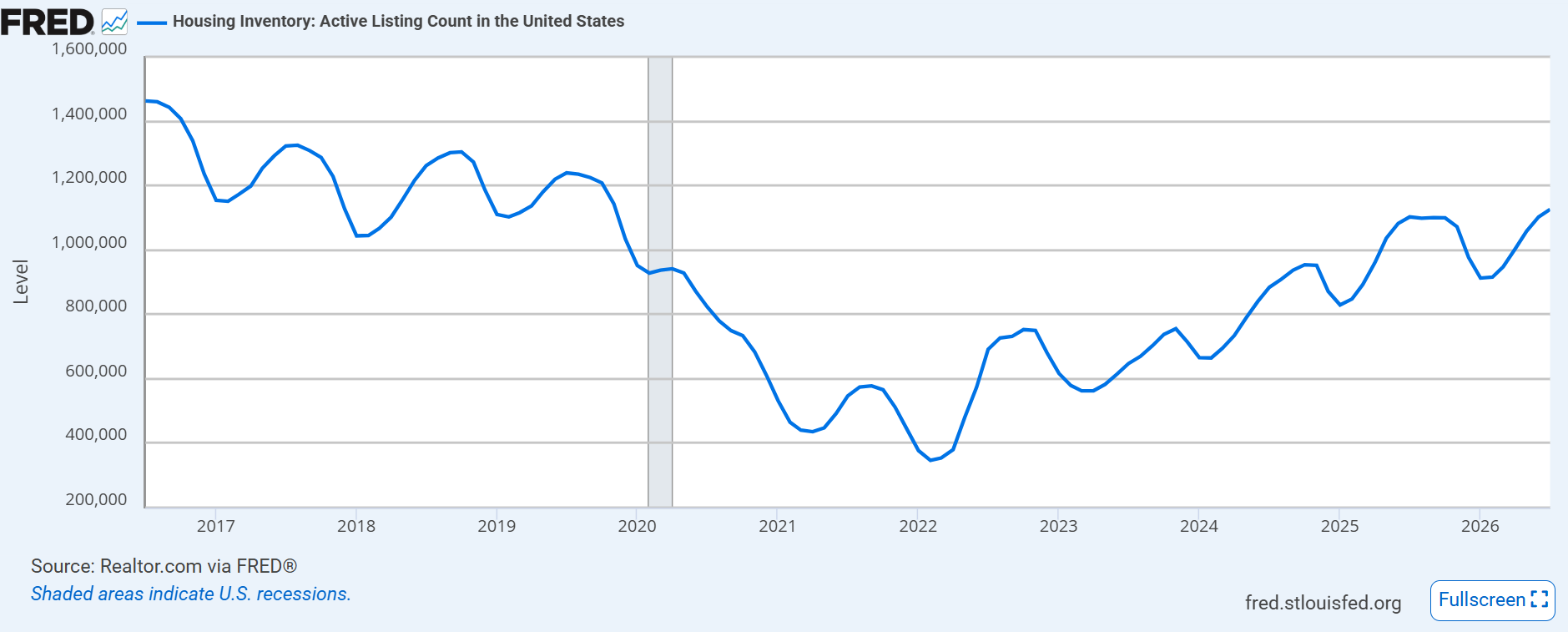
When inventory spikes: This is prime time for value-add investors. More choices mean better pricing and less competition.
When rents surge: Buy-and-hold deals become more attractive, even in pricier metros.
When prices flatten: Your renovation plan (and ability to improve a property without overbuilding) becomes your competitive advantage.
The Process That Simplifies Every Market
The most experienced investors follow a predictable pattern when evaluating a new market:
First, determine the market personality: cash flow, appreciation, or hybrid.
Then study how retail buyers behave: DOM, finished comps, and price ceilings tell the truth.
Then study renter behavior: actual wages, rent trends, vacancy, and local job stability.
Then look for distressed inventory and spreads that allow value creation.
Finally, choose the strategy that fits the neighborhood; not the strategy you prefer.
And remember, you’ll lose if you:
Force a flip strategy into a cash flow neighborhood
Try to BRRRR in an area with no spreads
Buy rentals where wages don’t support rent growth
But when the strategy and market align, you unlock the real power of real estate: repeatable, scalable, durable returns.
Why Your Lender May Know Your Market Better Than Anyone
Here’s something most new investors don’t realize: Your lender sees more deals than your agent, contractor, mentor, and spreadsheet combined. They see which ARVs hold, which collapse, which overpay, which deals fail inspection, which neighborhoods produce strong exits, and which consistently burn new investors.
Express Capital Financing works with these patterns daily. They know how to structure financing that reflects real neighborhood behavior, not theory. They know how to help an investor avoid paying too much for a flip, or borrowing too little for a BRRRR, or walking straight into a market mismatch they could’ve avoided.
I’ve heard countless stories where investors avoided massive losses simply because a lender pointed out a weak comp or an inflated ARV ceiling. Sometimes the deal that falls through is the one that saves you.
The Simple Truth
You don’t need to understand every market in America, follow national headlines, or chase trends across states. What you need is a deep understanding of the small piece of ground you’re investing in. Because when you understand your market at the neighborhood level, everything becomes clearer:
How much to offer
How much to renovate
How to finance
How to price
How to scale
Most investors fail not because real estate is risky, but because they never actually learned how to read the market.
Once you do, you’re playing a completely different game. And when you’re ready to fund the deal the right way, Express Capital Financing is prepared to help.