No Result
View All Result
SUBMIT YOUR ARTICLES
  • Login
Saturday, December 20, 2025
TheAdviserMagazine.com
  • Home
  • Financial Planning
    • Financial Planning
    • Personal Finance
  • Market Research
    • Business
    • Investing
    • Money
    • Economy
    • Markets
    • Stocks
    • Trading
  • 401k Plans
  • College
  • IRS & Taxes
  • Estate Plans
  • Social Security
  • Medicare
  • Legal
  • Home
  • Financial Planning
    • Financial Planning
    • Personal Finance
  • Market Research
    • Business
    • Investing
    • Money
    • Economy
    • Markets
    • Stocks
    • Trading
  • 401k Plans
  • College
  • IRS & Taxes
  • Estate Plans
  • Social Security
  • Medicare
  • Legal
No Result
View All Result
TheAdviserMagazine.com
No Result
View All Result
Home Market Research Cryptocurrency

Why Nations Are Rethinking Reserves Following America’s Bold Bet on 200K Bitcoin

by TheAdviserMagazine
6 months ago
in Cryptocurrency
Reading Time: 12 mins read
A A
Why Nations Are Rethinking Reserves Following America’s Bold Bet on 200K Bitcoin
Share on FacebookShare on TwitterShare on LInkedIn


Today we can observe a rapid change in global finance. We see monetary
systems shifting, inflation rising, and even the emergence of digital
economies—nations around the world are starting to
rethink the makeup of their strategic reserves.

Historically, reserve portfolios have been grounded in gold, foreign
currencies, and sovereign debt instruments; the traditional tools governments
use for economic stabilization through stockpiling assets. Whether it be cash,
oil, or other commodities reserve portfolios are now being reevaluated to
include a new type of asset—Bitcoin.

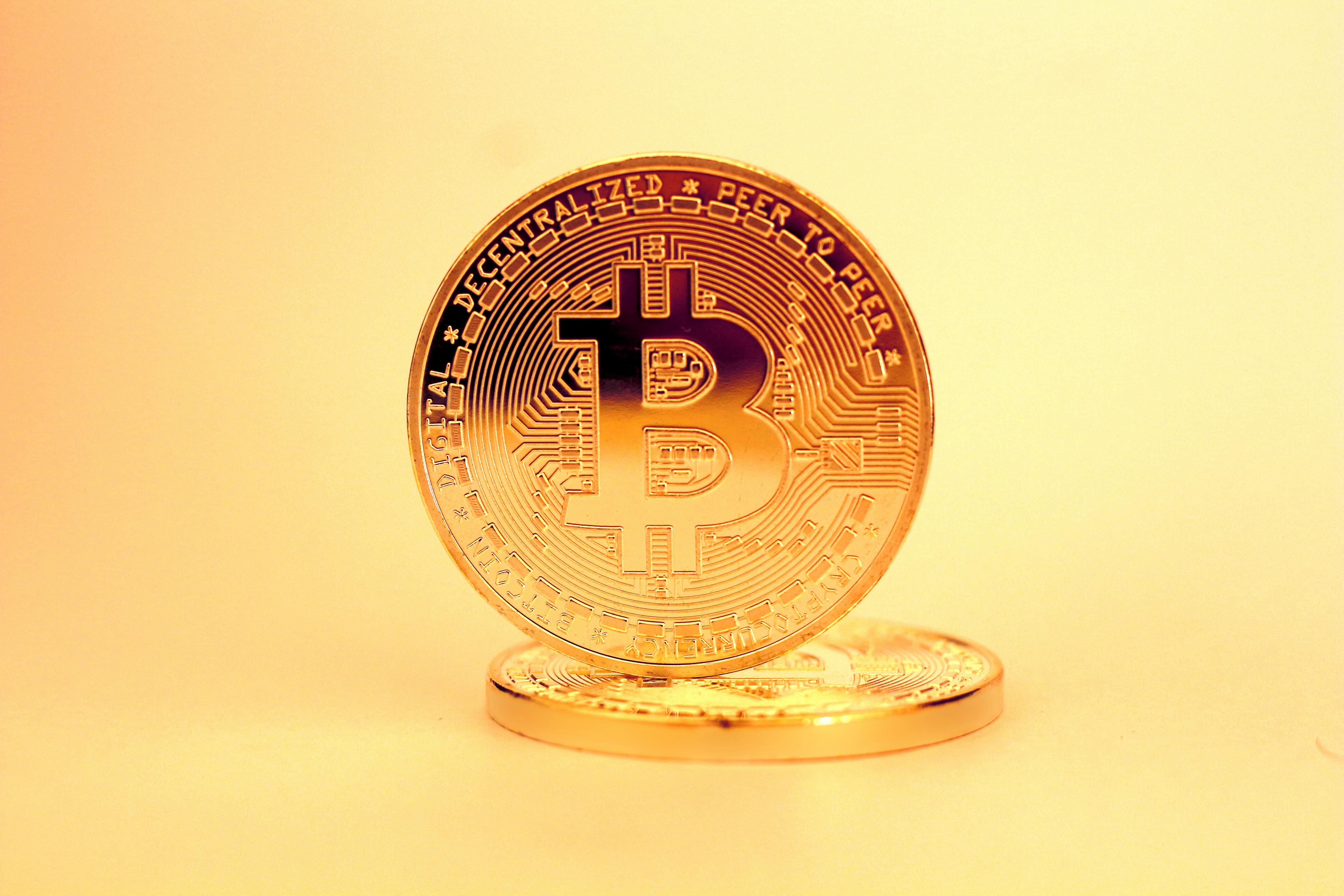
Bitcoin
Bitcoin

While some may still be wondering what is Bitcoin, who created Bitcoin, or how does Bitcoin work, one thing is certain: Bitcoin has changed the world.No one can remain indifferent to this revolutionary, decentralized, digital asset nor to its blockchain technology.In fact, we’ve gone a long way ever since a Florida resident Laszlo Hanyecz made BTC’s first official commercial transaction with a real company by trading 10,000 Bitcoins for 2 pizzas at his local Papa John’s.One could now argue that

While some may still be wondering what is Bitcoin, who created Bitcoin, or how does Bitcoin work, one thing is certain: Bitcoin has changed the world.No one can remain indifferent to this revolutionary, decentralized, digital asset nor to its blockchain technology.In fact, we’ve gone a long way ever since a Florida resident Laszlo Hanyecz made BTC’s first official commercial transaction with a real company by trading 10,000 Bitcoins for 2 pizzas at his local Papa John’s.One could now argue that
Read this Term
is no longer viewed solely as a speculative investment.
Increasingly, it is entering discussions among central banks and policymakers
as a potential tool for enhancing economic resilience and sovereignty. Its
fixed supply, decentralized infrastructure, and censorship-resistant nature
present characteristics that some governments find compelling for long-term
financial strategy.

In March 2025, the United States made a notable move by creating a
Strategic Bitcoin Reserve (SBR). Established through an executive order during
Donald Trump’s presidency, the initiative involved consolidating approximately
200,000 BTC obtained from legal forfeitures. These assets, now held under the
U.S. Treasury, are positioned as a hedge against inflation and a long-term
strategic tool—paralleling the role gold has played historically.

This approach avoids deploying taxpayer funds, relying instead on
previously recovered digital assets. The reserve is overseen by a dedicated
official, David Sacks, known as the “Crypto Czar.” Transparency is a central
feature of the program, with Bitcoin’s blockchain
Blockchain

Blockchain comprises a digital network of blocks with a comprehensive ledger of transactions made in a cryptocurrency such as Bitcoin or other altcoins.One of the signature features of blockchain is that it is maintained across more than one computer. The ledger can be public or private (permissioned). In this sense, blockchain is immune to the manipulation of data, making it not only open but verifiable. Because a blockchain is stored across a network of computers, it is very difficult to tamp

Blockchain comprises a digital network of blocks with a comprehensive ledger of transactions made in a cryptocurrency such as Bitcoin or other altcoins.One of the signature features of blockchain is that it is maintained across more than one computer. The ledger can be public or private (permissioned). In this sense, blockchain is immune to the manipulation of data, making it not only open but verifiable. Because a blockchain is stored across a network of computers, it is very difficult to tamp
Read this Term
enabling real-time public
auditing—offering a level of visibility not easily achievable with traditional
reserve assets.

The U.S. initiative is being watched closely by other nations. Some view
it as a model that balances risk, governance, and innovation, all while using
existing assets. It also reinforces the dollar’s status in a world increasingly
influenced by digital finance.

You may find it interesting at FinanceMagnates.com: From Pharaohs’
Vaults to Digital Wallets: Gold Battles Bitcoin in the Race for Value.

Global Developments

Several other countries have started exploring Bitcoin’s potential in
more measured ways:

Switzerland: A proposal is under consideration to include Bitcoin in the Swiss
National Bank’s reserves alongside gold.

Czech Republic: Reportedly testing a reserve diversification strategy that includes a
limited Bitcoin portfolio.

Poland: Political discussions have emerged around forming a national Bitcoin
reserve aimed at promoting economic autonomy and attracting capital.

Ukraine: In the wake of wartime donations in crypto, some lawmakers are
exploring the formal integration of Bitcoin into national holdings.

UAE: While not holding Bitcoin in reserves, the UAE has become a prominent
hub for digital asset regulation and infrastructure development.

Venezuela: Hyperinflation since 2014 has driven widespread use of Bitcoin among
the public. An estimated 20% of citizens now use digital currencies to manage
purchasing power and remittances.

These actions, while varied in scale and intent, suggest a wider
re-evaluation of Bitcoin’s strategic relevance. Though official holdings remain
limited, the symbolic impact of these moves signals a growing willingness to
engage with decentralized assets at the policy level.

💥BREAKING:

THE U.S. GOVERNMENT HOLDS ALMOST 200,000 $BTC WORTH $16.92B.

THE U.S. WILL NEVER SELL THIS BITCOIN.

MORE COUNTRIES WILL FOLLOW! 🚀 pic.twitter.com/K61SyXQc8c

— Crypto Rover (@rovercrc) March 7, 2025

Why Bitcoin?

Bitcoin is currently the primary digital asset under consideration for
inclusion in national reserves. Several key features distinguish it from other
cryptocurrencies. Bitcoin has a fixed supply, with only 21 million coins set to
ever exist. It operates in a decentralized manner, without any central
authority or governance controlling it.

Bitcoin maintains neutrality through its global accessibility, remaining
free from geopolitical affiliations. Additionally, it benefits from market
maturity, supported by institutional-level trading, liquidity, and secure
custody solutions. Together, these characteristics contribute to Bitcoin’s
potential as a “sovereign-grade” asset—offering qualities comparable to gold
but inherently digital.

Strategic Reserve Considerations

Although discussions around national Bitcoin reserves are still
evolving, some economists suggest small allocations—between 1% and 3% of total
reserves—may offer notable advantages. These include hedging against inflation,
enhancing currency diversification, and enabling digital collateral for
international borrowing.

This week, the 🇨🇿 Czech Central Bank governor made waves by considering allocating up to 5% of reserves to Bitcoin.

Looks like Lagarde wasn’t thrilled and gave him a sit down.

“I had a good conversation with my Czech colleague…” pic.twitter.com/KCpf7Fx9ar

— Bitcoin News (@BitcoinNewsCom) January 30, 2025

Even a country with $10 billion in reserves could consider allocating
$100 million to Bitcoin as a way to explore these benefits without significant
financial risk. The move could also deliver reputational value by signaling
innovation and forward thinking in national financial management.

Ignoring Bitcoin Risks Future Economic Strategy

Bitcoin is emerging as a topic of serious consideration within global
reserve policy conversations. While far from a consensus or mainstream
strategy, it is no longer viewed solely through a speculative lens. Governments
are increasingly weighing its strategic utility in a shifting financial
environment.

Whether through active accumulation or regulatory groundwork, countries
are positioning themselves for a potential future in which digital assets play
a more central role in economic strategy. In this evolving landscape, even
smaller or emerging economies may find strategic value in early engagement.

The question is not simply whether Bitcoin should be part of national
reserves—but whether nations can afford to ignore the conversation.
Today we can observe a rapid change in global finance. We see monetary
systems shifting, inflation rising, and even the emergence of digital
economies—nations around the world are starting to
rethink the makeup of their strategic reserves.

Historically, reserve portfolios have been grounded in gold, foreign
currencies, and sovereign debt instruments; the traditional tools governments
use for economic stabilization through stockpiling assets. Whether it be cash,
oil, or other commodities reserve portfolios are now being reevaluated to
include a new type of asset—Bitcoin.

Bitcoin
Bitcoin

While some may still be wondering what is Bitcoin, who created Bitcoin, or how does Bitcoin work, one thing is certain: Bitcoin has changed the world.No one can remain indifferent to this revolutionary, decentralized, digital asset nor to its blockchain technology.In fact, we’ve gone a long way ever since a Florida resident Laszlo Hanyecz made BTC’s first official commercial transaction with a real company by trading 10,000 Bitcoins for 2 pizzas at his local Papa John’s.One could now argue that

While some may still be wondering what is Bitcoin, who created Bitcoin, or how does Bitcoin work, one thing is certain: Bitcoin has changed the world.No one can remain indifferent to this revolutionary, decentralized, digital asset nor to its blockchain technology.In fact, we’ve gone a long way ever since a Florida resident Laszlo Hanyecz made BTC’s first official commercial transaction with a real company by trading 10,000 Bitcoins for 2 pizzas at his local Papa John’s.One could now argue that
Read this Term
is no longer viewed solely as a speculative investment.
Increasingly, it is entering discussions among central banks and policymakers
as a potential tool for enhancing economic resilience and sovereignty. Its
fixed supply, decentralized infrastructure, and censorship-resistant nature
present characteristics that some governments find compelling for long-term
financial strategy.

In March 2025, the United States made a notable move by creating a
Strategic Bitcoin Reserve (SBR). Established through an executive order during
Donald Trump’s presidency, the initiative involved consolidating approximately
200,000 BTC obtained from legal forfeitures. These assets, now held under the
U.S. Treasury, are positioned as a hedge against inflation and a long-term
strategic tool—paralleling the role gold has played historically.

This approach avoids deploying taxpayer funds, relying instead on
previously recovered digital assets. The reserve is overseen by a dedicated
official, David Sacks, known as the “Crypto Czar.” Transparency is a central
feature of the program, with Bitcoin’s blockchain
Blockchain

Blockchain comprises a digital network of blocks with a comprehensive ledger of transactions made in a cryptocurrency such as Bitcoin or other altcoins.One of the signature features of blockchain is that it is maintained across more than one computer. The ledger can be public or private (permissioned). In this sense, blockchain is immune to the manipulation of data, making it not only open but verifiable. Because a blockchain is stored across a network of computers, it is very difficult to tamp

Blockchain comprises a digital network of blocks with a comprehensive ledger of transactions made in a cryptocurrency such as Bitcoin or other altcoins.One of the signature features of blockchain is that it is maintained across more than one computer. The ledger can be public or private (permissioned). In this sense, blockchain is immune to the manipulation of data, making it not only open but verifiable. Because a blockchain is stored across a network of computers, it is very difficult to tamp
Read this Term
enabling real-time public
auditing—offering a level of visibility not easily achievable with traditional
reserve assets.

The U.S. initiative is being watched closely by other nations. Some view
it as a model that balances risk, governance, and innovation, all while using
existing assets. It also reinforces the dollar’s status in a world increasingly
influenced by digital finance.

You may find it interesting at FinanceMagnates.com: From Pharaohs’
Vaults to Digital Wallets: Gold Battles Bitcoin in the Race for Value.

Global Developments

Several other countries have started exploring Bitcoin’s potential in
more measured ways:

Switzerland: A proposal is under consideration to include Bitcoin in the Swiss
National Bank’s reserves alongside gold.

Czech Republic: Reportedly testing a reserve diversification strategy that includes a
limited Bitcoin portfolio.

Poland: Political discussions have emerged around forming a national Bitcoin
reserve aimed at promoting economic autonomy and attracting capital.

Ukraine: In the wake of wartime donations in crypto, some lawmakers are
exploring the formal integration of Bitcoin into national holdings.

UAE: While not holding Bitcoin in reserves, the UAE has become a prominent
hub for digital asset regulation and infrastructure development.

Venezuela: Hyperinflation since 2014 has driven widespread use of Bitcoin among
the public. An estimated 20% of citizens now use digital currencies to manage
purchasing power and remittances.

These actions, while varied in scale and intent, suggest a wider
re-evaluation of Bitcoin’s strategic relevance. Though official holdings remain
limited, the symbolic impact of these moves signals a growing willingness to
engage with decentralized assets at the policy level.

💥BREAKING:

THE U.S. GOVERNMENT HOLDS ALMOST 200,000 $BTC WORTH $16.92B.

THE U.S. WILL NEVER SELL THIS BITCOIN.

MORE COUNTRIES WILL FOLLOW! 🚀 pic.twitter.com/K61SyXQc8c

— Crypto Rover (@rovercrc) March 7, 2025

Why Bitcoin?

Bitcoin is currently the primary digital asset under consideration for
inclusion in national reserves. Several key features distinguish it from other
cryptocurrencies. Bitcoin has a fixed supply, with only 21 million coins set to
ever exist. It operates in a decentralized manner, without any central
authority or governance controlling it.

Bitcoin maintains neutrality through its global accessibility, remaining
free from geopolitical affiliations. Additionally, it benefits from market
maturity, supported by institutional-level trading, liquidity, and secure
custody solutions. Together, these characteristics contribute to Bitcoin’s
potential as a “sovereign-grade” asset—offering qualities comparable to gold
but inherently digital.

Strategic Reserve Considerations

Although discussions around national Bitcoin reserves are still
evolving, some economists suggest small allocations—between 1% and 3% of total
reserves—may offer notable advantages. These include hedging against inflation,
enhancing currency diversification, and enabling digital collateral for
international borrowing.

This week, the 🇨🇿 Czech Central Bank governor made waves by considering allocating up to 5% of reserves to Bitcoin.

Looks like Lagarde wasn’t thrilled and gave him a sit down.

“I had a good conversation with my Czech colleague…” pic.twitter.com/KCpf7Fx9ar

— Bitcoin News (@BitcoinNewsCom) January 30, 2025

Even a country with $10 billion in reserves could consider allocating
$100 million to Bitcoin as a way to explore these benefits without significant
financial risk. The move could also deliver reputational value by signaling
innovation and forward thinking in national financial management.

Ignoring Bitcoin Risks Future Economic Strategy

Bitcoin is emerging as a topic of serious consideration within global
reserve policy conversations. While far from a consensus or mainstream
strategy, it is no longer viewed solely through a speculative lens. Governments
are increasingly weighing its strategic utility in a shifting financial
environment.

Whether through active accumulation or regulatory groundwork, countries
are positioning themselves for a potential future in which digital assets play
a more central role in economic strategy. In this evolving landscape, even
smaller or emerging economies may find strategic value in early engagement.

The question is not simply whether Bitcoin should be part of national
reserves—but whether nations can afford to ignore the conversation.




Source link

Tags: 200KAmericasBetBitcoinBoldNationsReservesRethinking
ShareTweetShare
Previous Post

The UK Aims to Entrench Its Influence in Estonia in Order to Lead the Arctic-Baltic Front

Next Post

Getlink reports 4% drop in LeShuttle freight truck traffic for June

Related Posts

edit post
Pundit Breaks Down Ripple’s XRP Escrow: Why Is It Important?

Pundit Breaks Down Ripple’s XRP Escrow: Why Is It Important?

by TheAdviserMagazine
December 20, 2025
0

Discussions around XRP supply have resurfaced after a detailed post on X by an XRP investor known as Lord Belgrave,...

edit post
BlackRock’s IBIT Ranks 6th in ETF Flows Despite Negative Returns

BlackRock’s IBIT Ranks 6th in ETF Flows Despite Negative Returns

by TheAdviserMagazine
December 20, 2025
0

BlackRock’s spot Bitcoin ETF, iShares Bitcoin Trust (IBIT, has ranked sixth in net inflows despite being the only fund in...

edit post
Milestone: Bitso Processes Stablecoin Payments for Over B in Latam

Milestone: Bitso Processes Stablecoin Payments for Over $80B in Latam

by TheAdviserMagazine
December 20, 2025
0

Bitso Business, the business-to-business arm of Bitso, announced that it was on the way to process nearly $82 billion in...

edit post
Hoskinson Warns Trump’s Crypto Push Could Backfire On The Industry

Hoskinson Warns Trump’s Crypto Push Could Backfire On The Industry

by TheAdviserMagazine
December 19, 2025
0

Trusted Editorial content, reviewed by leading industry experts and seasoned editors. Ad Disclosure US President Donald Trump’s public crypto moves...

edit post
Fidelity’s director predicts Bitcoin will enter bear market in 2026, bottoming near K

Fidelity’s director predicts Bitcoin will enter bear market in 2026, bottoming near $65K

by TheAdviserMagazine
December 19, 2025
0

Key Takeaways Fidelity's director predicts Bitcoin may enter a bear market in 2026 with support between $65,000 and $70,000. Bitcoin's...

edit post
Bitcoin dances on a thin line as Japan and US policies clash

Bitcoin dances on a thin line as Japan and US policies clash

by TheAdviserMagazine
December 19, 2025
0

The Bank of Japan tightened policy on Dec. 18, lifting its benchmark rate to 0.75%, the highest since 1995.Governor Kazuo...

Next Post
edit post
Getlink reports 4% drop in LeShuttle freight truck traffic for June

Getlink reports 4% drop in LeShuttle freight truck traffic for June

edit post
Cryogenic OGS IPO subscribed 169 times on final day; GMP hints at 55% listing pop

Cryogenic OGS IPO subscribed 169 times on final day; GMP hints at 55% listing pop

  • Trending
  • Comments
  • Latest
edit post
How Long is a Last Will and Testament Valid in North Carolina?

How Long is a Last Will and Testament Valid in North Carolina?

December 8, 2025
edit post
How to Make a Valid Will in North Carolina

How to Make a Valid Will in North Carolina

November 20, 2025
edit post
In an Ohio Suburb, Sprawl Is Being Transformed Into Walkable Neighborhoods

In an Ohio Suburb, Sprawl Is Being Transformed Into Walkable Neighborhoods

December 14, 2025
edit post
Democrats Insist On Taxing Tips        

Democrats Insist On Taxing Tips        

December 15, 2025
edit post
Living Trusts in NC Explained: What You Should Know

Living Trusts in NC Explained: What You Should Know

December 16, 2025
edit post
Detroit Seniors Are Facing Earlier Shutoff Notices This Season

Detroit Seniors Are Facing Earlier Shutoff Notices This Season

December 20, 2025
edit post
Elon Musk adds to his 9 billion fortune after Delaware court awards him  billion pay package

Elon Musk adds to his $679 billion fortune after Delaware court awards him $55 billion pay package

0
edit post
Indiana University Faculty Who Focus on Student Engagement Using Top Hat See 11.5% Decrease in Student Withdrawal Rate

Indiana University Faculty Who Focus on Student Engagement Using Top Hat See 11.5% Decrease in Student Withdrawal Rate

0
edit post
Can XRP (Ripple) Reach  in 2026?

Can XRP (Ripple) Reach $3 in 2026?

0
edit post
Can I Get Both Social Security Disability and SSI?

Can I Get Both Social Security Disability and SSI?

0
edit post
Abel takes over for Buffett in less than two weeks. Wall Street has some advice for new Berkshire CEO

Abel takes over for Buffett in less than two weeks. Wall Street has some advice for new Berkshire CEO

0
edit post
What 99% of Rookies Miss (Rookie Reply)

What 99% of Rookies Miss (Rookie Reply)

0
edit post
Elon Musk adds to his 9 billion fortune after Delaware court awards him  billion pay package

Elon Musk adds to his $679 billion fortune after Delaware court awards him $55 billion pay package

December 20, 2025
edit post
Can XRP (Ripple) Reach  in 2026?

Can XRP (Ripple) Reach $3 in 2026?

December 20, 2025
edit post
Apple Watch vs. Oura Ring vs. WHOOP + More: Which Fitness Tracker Is Worth Your Money in 2026?

Apple Watch vs. Oura Ring vs. WHOOP + More: Which Fitness Tracker Is Worth Your Money in 2026?

December 20, 2025
edit post
Bill Gates says misinformation is the burden passed to children, after daughter harassed online

Bill Gates says misinformation is the burden passed to children, after daughter harassed online

December 20, 2025
edit post
What Do Investors Need to Know About XLK and FTEC?

What Do Investors Need to Know About XLK and FTEC?

December 20, 2025
edit post
Pundit Breaks Down Ripple’s XRP Escrow: Why Is It Important?

Pundit Breaks Down Ripple’s XRP Escrow: Why Is It Important?

December 20, 2025
The Adviser Magazine

The first and only national digital and print magazine that connects individuals, families, and businesses to Fee-Only financial advisers, accountants, attorneys and college guidance counselors.

CATEGORIES

  • 401k Plans
  • Business
  • College
  • Cryptocurrency
  • Economy
  • Estate Plans
  • Financial Planning
  • Investing
  • IRS & Taxes
  • Legal
  • Market Analysis
  • Markets
  • Medicare
  • Money
  • Personal Finance
  • Social Security
  • Startups
  • Stock Market
  • Trading

LATEST UPDATES

  • Elon Musk adds to his $679 billion fortune after Delaware court awards him $55 billion pay package
  • Can XRP (Ripple) Reach $3 in 2026?
  • Apple Watch vs. Oura Ring vs. WHOOP + More: Which Fitness Tracker Is Worth Your Money in 2026?
  • Our Great Privacy Policy
  • Terms of Use, Legal Notices & Disclosures
  • Contact us
  • About Us

© Copyright 2024 All Rights Reserved
See articles for original source and related links to external sites.

Welcome Back!

Login to your account below

Forgotten Password?

Retrieve your password

Please enter your username or email address to reset your password.

Log In
No Result
View All Result
  • Home
  • Financial Planning
    • Financial Planning
    • Personal Finance
  • Market Research
    • Business
    • Investing
    • Money
    • Economy
    • Markets
    • Stocks
    • Trading
  • 401k Plans
  • College
  • IRS & Taxes
  • Estate Plans
  • Social Security
  • Medicare
  • Legal

© Copyright 2024 All Rights Reserved
See articles for original source and related links to external sites.