A practical framework for turning tax confusion into advisory opportunities.
Highlights
Self-employment tax creates surprise cash flow crises for service providers transitioning from employee status.
OBBBA permanently extends QBI deductions but doesn’t reduce the 15.3% self-employment tax burden.
S-corporation election can save $5,000+ annually for businesses earning over $60,000 profit consistently.
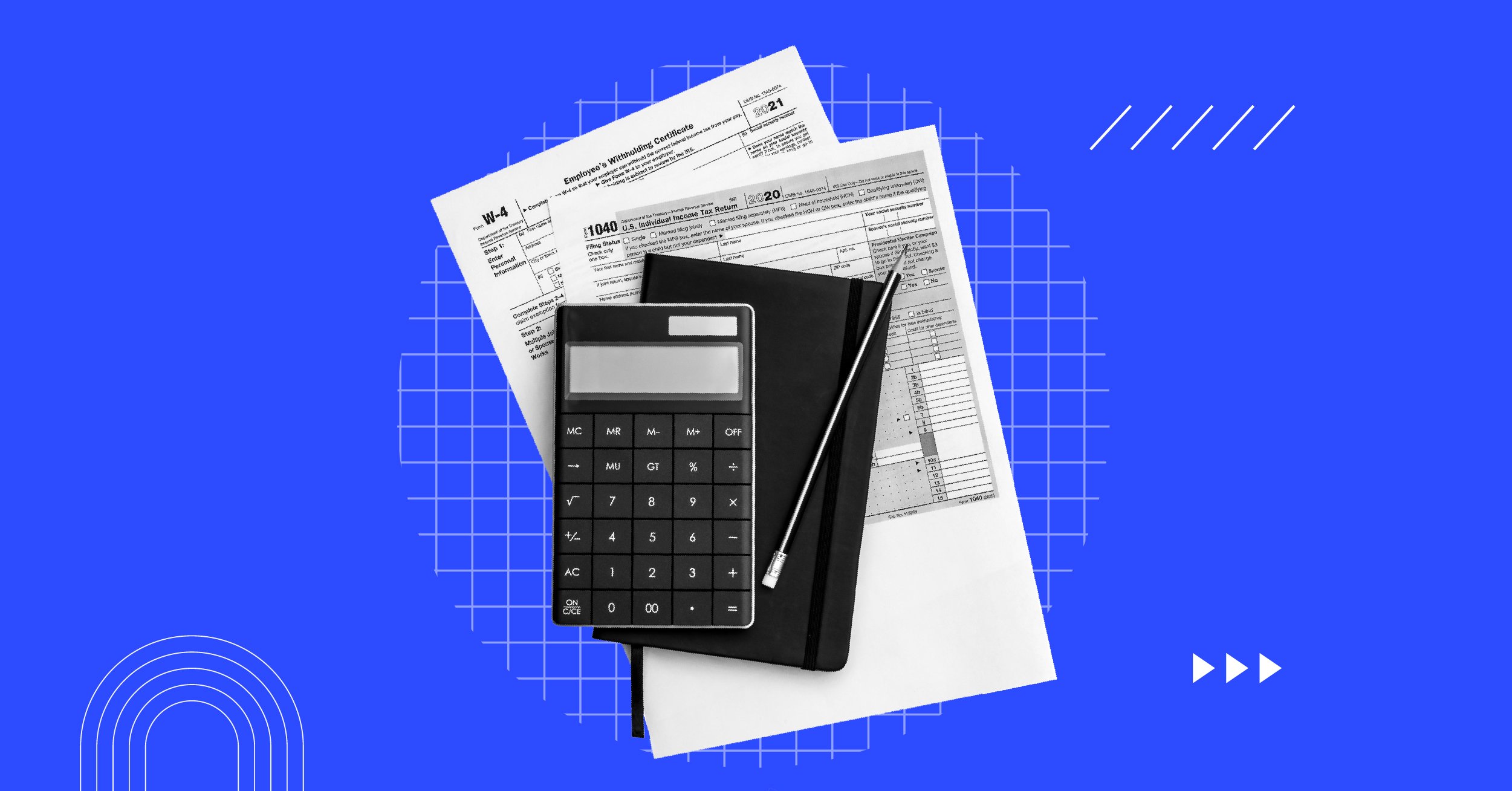
A service provider runs the numbers in November: gross revenue $180,000, expenses $80,000, net profit $100,000. They think, “I made $100K, so I’ll owe income taxes on that.”
But then they discover they also owe self-employment (SE) tax, which they’ve never really understood. Frustration sets in: “Why am I being taxed on money I didn’t take home?”
What they believed: “Taxes = income tax on profit. That’s it.”
What actually happened: They forgot (or didn’t know) about self-employment tax, which is both an income tax and a payroll tax—and it applies to business owners, not employees.
This scenario plays out in CPA offices across America every tax season. The surprise creates cash flow crises, emotional frustration, and rushed year-end decisions clients later regret. But it also creates an advisory opportunity.
Jump to ↓Why small business owners don’t see the self-employment tax coming
Breaking down the self-employment tax calculation
How OBBBA changes the picture for self-employment tax
What actually reduces self-employment tax
The advisory opportunity: Change the conversation to tax planning
Where Practice Forward comes in
Your small business client conversation checklist
Prepare for tax season 2026: Start now
Why small business owners don’t see the self-employment tax coming
Most service providers come from employee backgrounds. As employees, they saw payroll deductions on their pay stubs—federal income tax, Social Security, Medicare. But they never saw the employer’s portion because it was paid separately.
Here’s what they didn’t realize: their employer was paying an additional 7.65% in payroll taxes on their behalf.
When they become self-employed, that employer portion doesn’t disappear. They’re now responsible for both halves:
Employee portion: 7.65%
Employer portion: 7.65%
Total self-employment tax: 15.3%
The rate hasn’t changed. The responsibility has. Self-employment tax isn’t an “extra” tax—it’s the same payroll tax that was always there, now just fully visible.
Breaking down the self-employment tax calculation
Let’s walk through the math your clients need to understand.
Scenario: $100,000 net business income
Step 1: Calculate self-employment tax
Net business income: $100,000
Multiply by 92.35% (adjustment factor): $92,350
SE tax rate: 15.3%
Self-employment tax: $14,140
Step 2: Calculate income tax
Net business income: $100,000
Minus: 50% of SE tax (deductible): $7,070
Adjusted income: $92,930
Minus: Standard deduction (2025): $14,600
Taxable income: $78,330
At 12% bracket: $9,400 in income tax
Step 3: Total federal tax
Income tax: $9,400
Self-employment tax: $14,140
Total: $23,540 (about 23.5% of profit)
This is where the shock sets in. But when you can explain why each component exists, you transform confusion into understanding.
How OBBBA changes the picture for self-employment tax
The One Big Beautiful Bill Act (OBBBA), signed into law in 2025, made significant changes to the tax landscape—and it’s creating new planning conversations.
What changed:
The Qualified Business Income (QBI) deduction is now permanent (previously set to expire after 2025)
Phase-out thresholds increased for higher earners
More service providers now qualify for the full 20% deduction
What this means for your $100k earner:
With the QBI deduction:
$100,000 income
20% QBI deduction: $20,000
Taxable income reduced by $20,000
Lower income tax bill
This is powerful. But here’s the critical point your clients need to understand:
The QBI deduction does NOT reduce self-employment tax. It only reduces income tax.
Your client’s self-employment tax is still $14,140. The QBI deduction helps with the income tax portion—but it doesn’t eliminate the surprise of that 15.3% payroll tax hit.
This is where deeper planning becomes essential.
What actually reduces self-employment tax
When clients ask “How do I lower this?”, here’s what you need to discuss:
1. S-Corporation election
This is the most effective strategy for higher-earning service providers.
How it works:
Pay yourself a reasonable salary (subject to payroll taxes)
Take remaining profit as distributions (NOT subject to SE tax)
Example:
Sole proprietor: $14,140 SE tax on $100K profit
S-corp: $60K salary + $40K distribution = ~$9,180 payroll tax
Potential savings: ~$5,000 annually
The catch: S-corps require payroll processing, corporate tax returns, and professional setup. They make sense for service providers consistently earning $60,000+ in profit. Below that threshold, the savings rarely justify the complexity.
2. Quarterly estimated tax payments
This doesn’t reduce the total owed—but it prevents April shock.
Service providers who pay estimated taxes quarterly (based on reasonable projections) avoid the “surprise bill” problem entirely. This is behavioral, not structural—but it’s foundational.
3. Strategic year-end planning
Many clients reach out in November for “tax planning.” At that point, their income is largely determined.
The real planning window is during the year.
The advisory opportunity: Change the conversation to tax planning
This is where CPAs and financial advisors create real value by shifting from reactive compliance to proactive planning.
Questions to ask in January/February:
“Based on last year, what do you expect to earn this year?”
“Are you paying quarterly estimated taxes? Let’s calculate what you should be paying.”
“If you’re consistently earning above $60K in profit, have we modeled S-corp status?”
“What’s your cash flow plan for tax payments throughout the year?”
These conversations transform tax from a bill you owe into a planning framework you manage.
Webinar
Capitalizing on quick questions: Turn quick questions into profitable engagements
Access webinar ↗
Where Practice Forward comes in
Thomson Reuters Practice Forward helps tax professionals expand from compliance work into advisory services. It provides the tools, insights, and client communication frameworks to turn common tax questions into growth opportunities.
When you can proactively plan with clients—rather than react to their surprise—you build deeper relationships, increase retention, and create new revenue streams.
Your small business client conversation checklist
When a client is surprised by self-employment tax, walk through these points:
Current net business income (actual YTD, not estimates)
Self-employment tax calculation (show them the math—it’s not an “extra” tax)
Prior year comparison (assess increase/decrease)
Quarterly estimated payments made to date (are they on track?)
Schedule for remaining quarterly payments (create predictability)
Business structure assessment (sole prop vs. S-corp analysis)
Likelihood of consistent or growing income (when does S-corp math work?)
Cash flow and reinvestment plans (pulling profit out vs. reinvesting)
State tax obligations (many miss state income tax planning entirely)
Prepare for tax season 2026: Start now
The professionals who sleep well on April 15th are the ones who have proactive conversations early in the year.
Don’t wait for year-end to talk about taxes. Your clients’ quarterly payment obligations and business structure decisions need to happen during the year, not at filing time.
Ready to turn tax questions into advisory opportunities?
Join our upcoming webcast: “Capitalizing on quick questions during tax season” to learn how to identify, engage, and convert these moments into lasting client relationships.
Learn more about how Practice Forward can help you build a thriving advisory practice alongside your compliance work.

Practice Forward
Build the advisory practice you’ve always wanted
I’m ready ↗