Your global trade landscape isn’t just changing — it’s being fundamentally restructured. What you once navigated as “almost constant disruption” has evolved into something far more profound: a complete transformation of how you must approach international commerce. For U.S. importers and exporters, this new reality demands strategic reinvention, not just reactive adjustments.
We’ve surveyed 225 trade professionals worldwide for our 2026 Global Trade Report, and the findings reveal a striking paradox: Corporate trade departments are experiencing unprecedented elevation within their organizations — yet this opportunity arrives amid mounting challenges. Tariff volatility, supply chain disruptions, and profitability pressures are reshaping the competitive landscape in real time.
You can’t afford to wait and see how this unfolds. Understanding these dynamics isn’t just important — it’s essential for protecting your market position and capturing new opportunities. Here are five critical trends you must navigate in 2026 and beyond, backed by data from our research and strategic insights to help you act decisively.
Jump to ↓
1. Tariff volatility and regulatory complexity
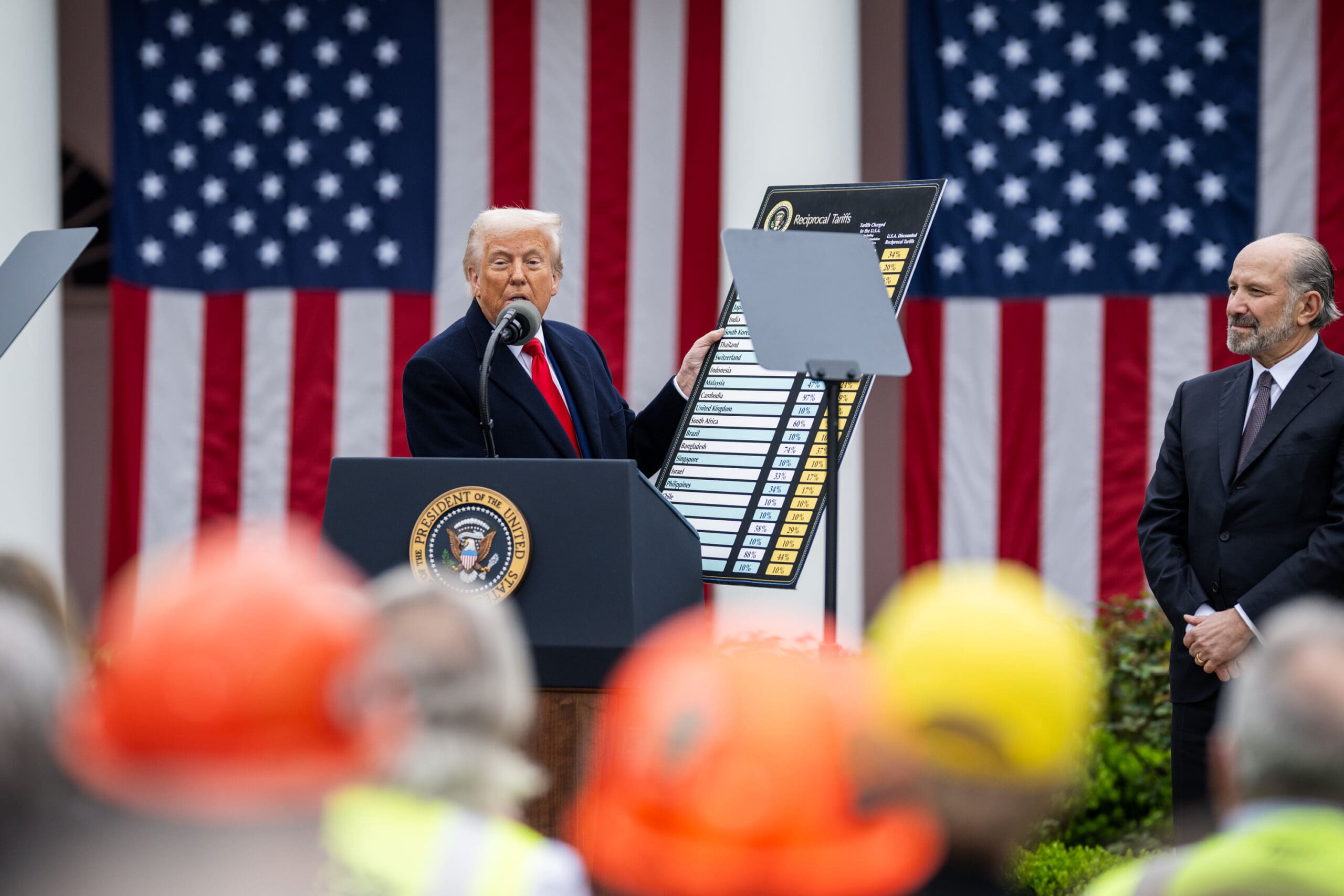
If you’re navigating global trade today, tariff volatility is likely your defining challenge. Our research confirms it: 72% of trade professionals cite this as the most impactful regulatory change they face — nearly double the 41% from just one year ago.
This isn’t temporary turbulence. More than three-quarters (76%) of the professionals we surveyed believe the new U.S. tariffs represent a permanent shift in trade policy, at least for the next four years. The implications extend far beyond simple cost increases. Companies report cascading effects, including heightened regulatory scrutiny, increased documentation requirements, and deeper examination of tariff classification, valuation methodology, and country-of-origin claims.
You’re not alone in feeling this pressure. Trade professionals tell us that compliance windows have tightened, placing a greater premium on accuracy and defensibility. As one professional told us, “Project schedules are impacted by the complexity and delays in regulatory compliance and customs clearance.”
For U.S. companies, the stakes are substantial. Survey respondents from U.S.-based firms estimate that an average of 23% of their imports face risk from U.S.-imposed tariffs, while 26% of their exports may be threatened by countermeasure tariffs from other countries. Managing this volatility requires real-time information systems and the agility to adapt strategies quickly as policies shift.
2. Strategic elevation of trade departments
Perhaps the most remarkable shift documented in the 2026 Global Trade Report is the transformation of trade departments from back-office cost centers to strategic business partners at the executive table.
If you’re like 43% of professionals we surveyed, you now have enhanced influence over procurement decisions — and 37% are joining executive decision-making more frequently.
This elevation is being backed with real resources:
43% report increased budget allocation for headcount
38% for technology solutions
34% for training and development
The strategic importance of trade is being recognized across the organization. Trade departments are increasingly collaborating with Finance (50% of those experiencing increased collaboration), Operations (46%), IT (30%), and Procurement/Supply Chain (30%). These partnerships enable more sophisticated scenario planning, better profit and loss modeling of tariff impacts, and more agile responses to disruptions.
Looking ahead, expectations are even higher. 61% of respondents anticipate greater influence over procurement decisions in the next 12 months, while 56% expect higher recognition as strategic business partners. Nearly half (46%) foresee expansion of their department’s scope of responsibilities.
This elevation isn’t just about recognition — it’s about your survival. When you embed trade expertise into strategic planning, you can identify new markets, proactively adjust trading relationships, and streamline supply chains for lasting competitive advantage.
The question is: Are you positioned to capitalize on this shift?
3. Rapid technology adoption
The technology shift we’re seeing is dramatic — and you may already be part of it. 40% of organizations are now exploring emerging technologies like AI or blockchain to manage trade functions, compared to just 6% one year ago. That’s a nearly sevenfold increase, and it reflects both urgent necessity and the newfound budget authority many of you now have.
Organizations are moving decisively from manual processes toward advanced, specialized trade-technology solutions. Only 2% of respondents say their organization remains in early stages of adoption, compared to 40% last year.
The most widely deployed technologies focus on data-driven decision-making. 58% of organizations use trade and supply chain data analytics, while 56% have deployed enterprise resource planning automation. More than half leverage supply chain management systems (55%) and supply chain visibility tools (54%).
Technology priorities align directly with strategic imperatives:
Better supply chain visibility (35% cite as high priority)
Supply chain security and data protection (26%)
Predictive analytics to anticipate and resolve issues before they occur (24%)
However, significant opportunities remain. Only 7% currently use software or online services to stay updated on tariff changes — a critical gap given the volatility of the current environment. Similarly, adoption of tools for managing classification changes (4%) and tariff impact analysis remains limited, suggesting substantial room for technology to drive efficiency gains and more sophisticated strategic planning.
4. Supply chain resilience and restructuring
Supply chain management has catapulted to the top of the strategic priorities list, cited by 68% of trade professionals — nearly double the 35% from the previous year. This dramatic shift reflects how tariff pressures have transformed supply chain concerns from operational optimization to systemic resilience.
The most common tariff mitigation strategy involves fundamentally restructuring supply chains, with 72% of companies changing or considering changing sourcing patterns to reduce tariff exposure. More than half (57%) are renegotiating contracts with suppliers, while 51% are pursuing nearshoring or moving manufacturing back to the U.S.
These aren’t minor adjustments — they represent strategic reconfiguration of global operations. As one trade professional described: “The financial burden caused by tariffs led us to reorganize our supply chain and production footprint in order to reduce tariff exposure and preserve profitability.”
The challenge extends beyond sourcing decisions. Trade professionals worry that tariff-driven supplier changes may impact product quality and customer relationships. As one respondent noted, “Tariffs make it difficult to maintain product quality when using alternate suppliers.”
Companies are also exploring sophisticated mitigation strategies, including origin engineering (44%), classification engineering (39%), and leveraging foreign trade zones (34%). Nearly half (49%) are frontloading inventory prior to tariff effective dates, managing the delicate balance between avoiding tariff costs and not overextending working capital.
5. Cost management and profitability pressures
The financial impact of tariffs has created perhaps the most immediate pressure on U.S. importers and exporters. Cost increases dominate concerns, with respondents highlighting rising prices for raw materials, higher production expenses, and reduced competitive margins.
The most striking finding: 39% of organizations report they are absorbing or considering absorbing tariff costs rather than passing them on to customers — up dramatically from just 13% one year ago. This threefold increase represents one of the sharpest indicators of how competitive pressures are limiting companies’ ability to pass costs downstream.
The dilemma is very real. As one respondent explained: “Product costs are increasing, and we are faced with either raising prices at the risk of lower sales or absorbing reduced profits.” This price sensitivity creates a strategic bind — companies must choose between protecting market position and preserving profitability.
Beyond tariffs themselves, companies face broader operational and financial strain. 56% of trade professionals report increased workload and overtime requirements, while 49% cite elevated stress and pressure on existing teams. These operational pressures compound the financial challenges, requiring organizations to find efficiency gains even as complexity increases.
Cost management strategies extend across multiple fronts. Organizations are optimizing pricing strategies, negotiating bulk purchases before tariff implementations, seeking fixed-price contracts for stability, and pursuing operational efficiencies through technology adoption. Success requires coordinated effort across Trade, Finance, Operations, and Procurement functions.
Looking ahead: Opportunities for importers and exporters
The global trade environment of 2026 presents unprecedented challenges for U.S. importers and exporters. Tariff volatility, regulatory complexity, supply chain disruptions, and profitability pressures have converged to create what may be the most difficult operating environment trade professionals have faced in decades.
Yet within this turbulence lies remarkable opportunity. Forward-thinking organizations are using current challenges to elevate trade functions, deploy advanced technologies, build resilient supply chains, and establish enduring competitive advantages. The question isn’t whether volatility will continue—respondents overwhelmingly believe it will—but which organizations will emerge stronger.
Trade is no longer simply an execution layer of the supply chain. It has become a strategic layer of the enterprise itself. Companies that recognize this reality, invest accordingly, and embed trade expertise throughout their organizations will be best positioned to navigate uncertainty and capture opportunities in the years ahead.
Ready to dive deeper into these global trade trends and their implications for your organization?
Download our full 2026 Global Trade Report to see how we’re helping leading organizations transform trade challenges into competitive advantages—and discover what you should do today to prepare for what’s next.