No Result
View All Result
SUBMIT YOUR ARTICLES
  • Login
Thursday, March 19, 2026
TheAdviserMagazine.com
  • Home
  • Financial Planning
    • Financial Planning
    • Personal Finance
  • Market Research
    • Business
    • Investing
    • Money
    • Economy
    • Markets
    • Stocks
    • Trading
  • 401k Plans
  • College
  • IRS & Taxes
  • Estate Plans
  • Social Security
  • Medicare
  • Legal
  • Home
  • Financial Planning
    • Financial Planning
    • Personal Finance
  • Market Research
    • Business
    • Investing
    • Money
    • Economy
    • Markets
    • Stocks
    • Trading
  • 401k Plans
  • College
  • IRS & Taxes
  • Estate Plans
  • Social Security
  • Medicare
  • Legal
No Result
View All Result
TheAdviserMagazine.com
No Result
View All Result
Home Financial Planning Personal Finance

Types of Cars: Which Is the Best for You?

by TheAdviserMagazine
6 months ago
in Personal Finance
Reading Time: 13 mins read
A A
Types of Cars: Which Is the Best for You?
Share on FacebookShare on TwitterShare on LInkedIn


When shopping for a vehicle, it helps to understand the main types of cars available. While there are several car body styles, most buyers choose among three big categories: sedans, SUVs and trucks.

Each type has unique advantages for space, cost and performance. On top of that, you’ll also find multiple size classes and the option to go with a gas, hybrid or electric powertrain.

This guide breaks it all down so you can match the right car type to your lifestyle and budget.

Did you know…

For fuel economy purposes, the Environmental Protection Agency (EPA) classifies passenger cars as subcompact, compact, midsize or full-size based on interior passenger and cargo volume. SUVs and trucks are classified by vehicle weight and how much they can carry safely. but car manufacturers still label SUVs and trucks as subcompact, compact, midsize and full-size.

About sedans

Sedans have been around for more than 100 years, and they continue to be a practical and popular choice for many drivers. They’re passenger cars with four doors and three distinct areas — the hood and a trunk that’s separate from the passenger area.

Key benefits

Fuel efficiency. Sedans typically deliver better fuel efficiency due to their smaller size, lighter weight and sleek design.

Comfort and handling. Because of their design, sedans tend to provide a smooth and comfortable ride. They’re usually easier to handle, making them ideal for commuting.

Safety. With a lower center of gravity, sedans are less likely to roll over than an SUV. Also, their ease of handling can be beneficial when trying to avoid a crash.

Variations

Hatchbacks and coupes are often called sedans, and all are passenger cars, but technically each one is different.

Hatchbacks. Hatchbacks have a “two-box” structure, with one area for the engine and a combined area for passengers and cargo. Hatchbacks have a rear door that opens upward for cargo flexibility.

Coupes. The differences between a coupe (pronounced coop) vehicle and sedan are size and a slight design variation. Coupes have less than 33 cubic feet of interior space, while sedans have 33 cubic feet or more. Coupes have a sloping roofline that gives them a sporty appearance. 

Cost considerations

Sedans are available with lower starting prices and ownership costs compared to SUVs or trucks. Some sedan base models have an MSRP below $25,000. However, some luxury sedans have sticker prices well above $100,000. Because of their efficiency, sedans can also save on long-term fuel costs.

About SUVs

Sport utility vehicles (SUVs) account for over half of all vehicle sales. They offer extra passenger and cargo space, versatility for commuting and off-road use, typically high safety ratings and hauling/towing capability.

Key benefits

Roomy interior. SUVs have two or three rows of seating and can accommodate up to eight (in some cases nine) passengers. This makes them ideal for families, carpooling and road trips.

Hauling. With an enclosed cargo area, fold-down seats and flexible configurations, SUVs are ideal for transporting items like groceries or luggage.

Versatility. SUVs have car-like handling and suspension, making them great for everyday driving, and some models also offer light off-roading and towing capability.

Variations

Crossover SUVs. Built on a car-like frame, crossovers combine sedan-like handling with the space of an SUV.

Traditional SUVs. Built on truck frames, these SUVs deliver more rugged performance and towing strength.

Crossover vs. traditional. You’ll often hear automakers refer to SUVs that fit the traditional SUV definition as “crossovers.”

Cost considerations

SUVs range widely in price. Compact crossovers typically start in the low $30,000s, while midsize SUVs run from about $35,000 to $50,000. Larger, full-size SUVs and luxury models can climb well above $60,000. They generally cost more to fuel than sedans but offer added space and flexibility.

About pickup trucks

Pickup trucks have traditionally been associated with hauling, towing and handling tough jobs, but they’re increasing in popularity as family vehicles. Truck manufacturers use their own terminology to describe cab configurations (the passenger area), but pickup trucks basically come with either two or four doors and with or without back seats.

Key benefits

Towing power. Trucks excel for towing, from small trailers to boats or campers. Some full-size models can tow over 13,000 pounds when properly equipped.

Durability. Built for heavy-duty performance, some models are built specifically for extreme off-roading. Trucks also tend to hold their value well and have strong resale value.

Open bed. Trucks, unlike other vehicle types, allow for transporting oversized items like furniture, appliances, lumber or landscaping materials. 

Variations

Light duty vs. heavy duty. Light-duty trucks, like the Chevrolet Silverado 1500, are built for everyday hauling, towing and personal use. Heavy duty trucks, like the Silverado 3500HD, have a stronger frame, bigger engines and higher towing and payload limits, making them better for demanding work or commercial use.

Short, standard, long bed. Truck beds come in three common lengths. Short beds (around 5 feet 8 inches) are easier to park and maneuver; standard beds (about 6.5 feet–6.5) balance utility with maneuverability; long beds (around 8 feet) maximize hauling space but make the truck harder to handle in tight spaces.

Cost considerations

Trucks often cost more than sedans or compact SUVs. Prices usually start in the $30,000 range and can exceed $70,000 for heavy-duty or luxury trims. Their long-term ownership costs can be higher due to fuel consumption and maintenance.

Gas, electric and hybrid options

No matter which body style you choose — sedan, SUV or truck — you’ll likely find it in gas, electric (EV) or hybrid form. Here are some key points for each.

Gasoline vehicles

Gasoline-powered vehicles, also called ICE or internal combustion engine vehicles, are usually the least expensive upfront. 

Costs vary by size class — sedans are the cheapest to fuel, while SUVs and trucks consume more gas. 

Long-term fuel costs are more compared to hybrids or EVs, but advantages are the ease of finding gas stations and filling the tank faster.

Hybrid vehicles

Hybrid vehicles combine a gas engine with an electric motor to improve fuel efficiency, especially in city driving.

Traditional hybrids (HEVs) don’t plug in and recharge the battery through the gas engine and regenerative braking. Plug-in hybrids (PHEVs) have a larger battery and can plug in to charge, allowing for limited all-electric driving before switching to gas.

They typically cost more than gas-only models but can save money over time through reduced fuel use. 

Maintenance costs are similar to gas cars, though replacing hybrid batteries down the line can be expensive. However, the anticipated life of a hybrid battery is at least 10 years and 100,000 to 150,000 miles. 

Electric vehicles

EVs run solely on battery power, meaning you don’t spend on gasoline and enjoy lower maintenance costs since there are fewer moving parts. 

They have a higher upfront price, but in some cases this can be offset with local, state and utility company incentives.

Charging is usually cheaper than fueling with gas, but you could have upfront costs of installing a home charger or difficulty finding a public charger.

EV range, or how far the vehicle can go on a single charge, has improved significantly in recent years, with some high-end models able to travel more than 400 miles.

Choosing the right car for you

When deciding between a sedan, SUV or truck — and whether to go gas, hybrid or electric — consider these factors:

Price tag. Sedans are often the most affordable, while trucks and SUVs tend to cost more. Hybrids and EVs may be pricier upfront but save money over time.

Lifestyle. Sedans are well-suited to commuting and city driving. SUVs work well for families, transporting and outdoor adventurers. Trucks are ideal if you regularly tow or haul large or heavy items.

Fueling needs. Gas cars are convenient because fuel is widely available. Hybrids maximize fuel efficiency while providing gas backup. EVs are the most eco-friendly option, but since they rely only on charging, they work best for shorter commutes or daily driving.

Sedans, SUVs and trucks each offer unique benefits. Sedans are affordable and efficient, SUVs are versatile and spacious, and trucks provide unmatched power and utility. Pairing these options with your choice of gas, hybrid or electric powertrain can help you find the best vehicle type for you.

Frequently asked questions

What car type is the most affordable?

Sedans are generally the most affordable car type, with starting prices in the mid $20,000s. SUVs and trucks usually cost more, though compact crossovers and smaller trucks offer budget-friendly options.

What types of cars can be electric or hybrid?

Most car body styles — including sedans, SUVs, and trucks — are available in gas, hybrid or electric versions. Hybrids combine gas engines with electric motors for better fuel economy, while EVs run only on battery power.

What’s the difference between subcompact, compact, midsize and full-size cars?

These terms describe a car’s size class, based on interior passenger and cargo space. Subcompact cars are the smallest and easiest to maneuver, while compact cars offer a little more room at an affordable price. Midsize cars strike a balance between comfort and cost, and full-size cars are the largest, with maximum interior space and features but usually higher prices and fuel use.

What car type is the most affordable?

Sedans are generally the most affordable car type, with starting prices in the mid $20,000s. SUVs and trucks usually cost more, though compact crossovers and smaller trucks offer budget-friendly options.

What types of cars can be electric or hybrid?

Most car body styles — including sedans, SUVs, and trucks — are available in gas, hybrid or electric versions. Hybrids combine gas engines with electric motors for better fuel economy, while EVs run only on battery power.

What’s the difference between subcompact, compact, midsize and full-size cars?

These terms describe a car’s size class, based on interior passenger and cargo space. Subcompact cars are the smallest and easiest to maneuver, while compact cars offer a little more room at an affordable price. Midsize cars strike a balance between comfort and cost, and full-size cars are the largest, with maximum interior space and features but usually higher prices and fuel use.


Source link

Tags: carsTypes
ShareTweetShare
Previous Post

Everyone’s still throwing billions at AI data centers

Next Post

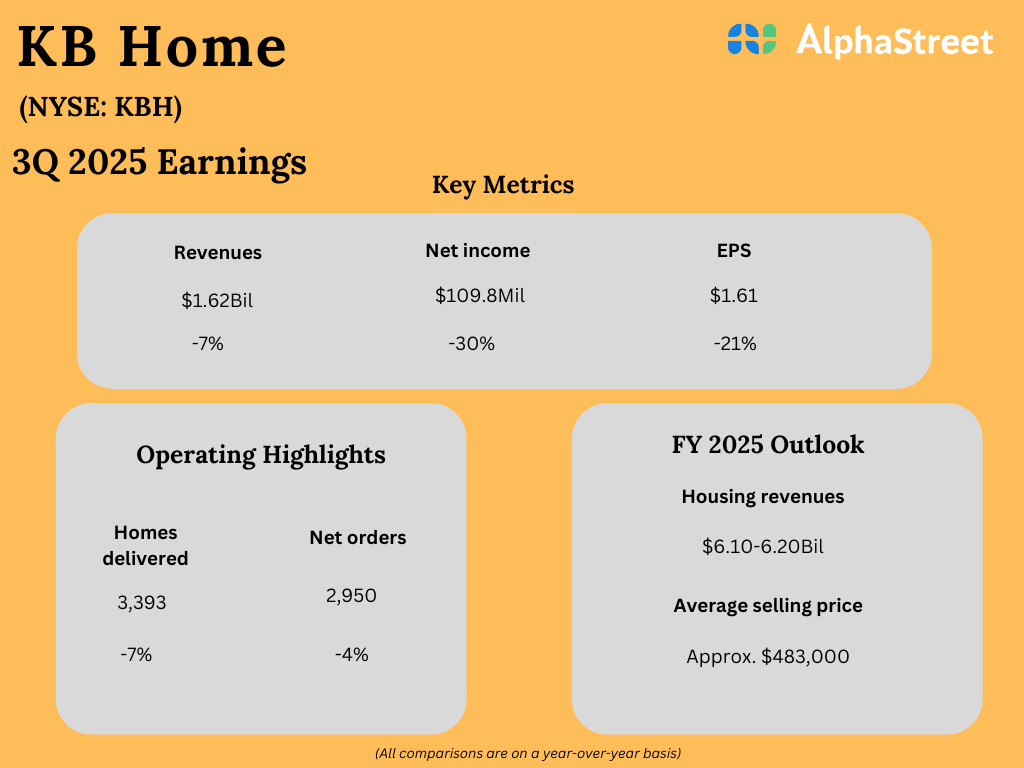
KB Home (KBH): A look at the homebuilder’s performance in Q3 2025

Related Posts

edit post
2025 Federal Income Tax Brackets and Rates

2025 Federal Income Tax Brackets and Rates

by TheAdviserMagazine
March 19, 2026
0

In 2025, there are seven tax brackets and rates: 10%, 12%, 22%, 24%, 32%, 35% and 37%. You may be...

edit post
Lowe’s Majesty Palm House Plant only .98!

Lowe’s Majesty Palm House Plant only $14.98!

by TheAdviserMagazine
March 19, 2026
0

Wow! Don’t miss this HOT deal on this Lowe’s Majesty Palm House Plant! Lowes is offering Rewards members these Majesty...

edit post
Get a Craft & Devotional Box from Gospel and Glue for just  shipped!

Get a Craft & Devotional Box from Gospel and Glue for just $10 shipped!

by TheAdviserMagazine
March 18, 2026
0

Gospel and Glue is offering my followers the opportunity to get their first craft and devotional box for just $10...

edit post
Mortgage Rates May Keep Rising Even as Fed Holds Steady

Mortgage Rates May Keep Rising Even as Fed Holds Steady

by TheAdviserMagazine
March 18, 2026
0

SOME CARD INFO MAY BE OUTDATED This page includes information about these cards, currently unavailable on NerdWallet. The information has...

edit post
Mortgage Rates Today, Wednesday, March 18: Nearing 6%

Mortgage Rates Today, Wednesday, March 18: Nearing 6%

by TheAdviserMagazine
March 18, 2026
0

SOME CARD INFO MAY BE OUTDATED This page includes information about these cards, currently unavailable on NerdWallet. The information has...

edit post
LegalZoom Review 2026: Pros, Cons, Top Alternatives

LegalZoom Review 2026: Pros, Cons, Top Alternatives

by TheAdviserMagazine
March 17, 2026
0

LegalZoom is an online legal service designed to be a one-stop shop for a small business’s legal needs. With LegalZoom,...

Next Post
edit post
KB Home (KBH): A look at the homebuilder’s performance in Q3 2025

KB Home (KBH): A look at the homebuilder’s performance in Q3 2025

edit post
UK’s international fee levy could slash enrolments by over 77k

UK's international fee levy could slash enrolments by over 77k

  • Trending
  • Comments
  • Latest
edit post
Foreclosure Starts are Up 19%—These Counties are Seeing the Highest Distress

Foreclosure Starts are Up 19%—These Counties are Seeing the Highest Distress

February 24, 2026
edit post
7 States Reporting a Surge in Norovirus Cases

7 States Reporting a Surge in Norovirus Cases

February 22, 2026
edit post
The Growing Movement to End Property Taxes Continues in Kentucky, And What It Means For Investors

The Growing Movement to End Property Taxes Continues in Kentucky, And What It Means For Investors

March 2, 2026
edit post
Who Is Legally Next of Kin in North Carolina?

Who Is Legally Next of Kin in North Carolina?

February 28, 2026
edit post
Hidden Danger for Seniors: Why Radon Is Building Up in Basements Across 10 States

Hidden Danger for Seniors: Why Radon Is Building Up in Basements Across 10 States

March 17, 2026
edit post
How Age Affects Your Social Security Disability Claim

How Age Affects Your Social Security Disability Claim

March 2, 2026
edit post
What Hiring Managers Want to Hear in Response to ‘Tell Me About Yourself’

What Hiring Managers Want to Hear in Response to ‘Tell Me About Yourself’

0
edit post
Enterprising Investor Is Moving – CFA Institute Enterprising Investor

Enterprising Investor Is Moving – CFA Institute Enterprising Investor

0
edit post
UK to Dissolve Crypto Exchange Accused of Aiding Iranian Sanctions Evasion

UK to Dissolve Crypto Exchange Accused of Aiding Iranian Sanctions Evasion

0
edit post
2025 Federal Income Tax Brackets and Rates

2025 Federal Income Tax Brackets and Rates

0
edit post
Brent crude spikes above 6/bbl after attacks on Mideast energy assets multiply

Brent crude spikes above $116/bbl after attacks on Mideast energy assets multiply

0
edit post
From Waiter to  Million … You Could Be Next

From Waiter to $7 Million … You Could Be Next

0
edit post
UK to Dissolve Crypto Exchange Accused of Aiding Iranian Sanctions Evasion

UK to Dissolve Crypto Exchange Accused of Aiding Iranian Sanctions Evasion

March 19, 2026
edit post
What Hiring Managers Want to Hear in Response to ‘Tell Me About Yourself’

What Hiring Managers Want to Hear in Response to ‘Tell Me About Yourself’

March 19, 2026
edit post
2025 Federal Income Tax Brackets and Rates

2025 Federal Income Tax Brackets and Rates

March 19, 2026
edit post
Remembering Paul Ehrlich (Even If We Would Rather Not)

Remembering Paul Ehrlich (Even If We Would Rather Not)

March 19, 2026
edit post
Enterprising Investor Is Moving – CFA Institute Enterprising Investor

Enterprising Investor Is Moving – CFA Institute Enterprising Investor

March 19, 2026
edit post
BlackRock Canada announces March distributions for iShares ETFs (TSX:CBH:CA)

BlackRock Canada announces March distributions for iShares ETFs (TSX:CBH:CA)

March 19, 2026
The Adviser Magazine

The first and only national digital and print magazine that connects individuals, families, and businesses to Fee-Only financial advisers, accountants, attorneys and college guidance counselors.

CATEGORIES

  • 401k Plans
  • Business
  • College
  • Cryptocurrency
  • Economy
  • Estate Plans
  • Financial Planning
  • Investing
  • IRS & Taxes
  • Legal
  • Market Analysis
  • Markets
  • Medicare
  • Money
  • Personal Finance
  • Social Security
  • Startups
  • Stock Market
  • Trading

LATEST UPDATES

  • UK to Dissolve Crypto Exchange Accused of Aiding Iranian Sanctions Evasion
  • What Hiring Managers Want to Hear in Response to ‘Tell Me About Yourself’
  • 2025 Federal Income Tax Brackets and Rates
  • Our Great Privacy Policy
  • Terms of Use, Legal Notices & Disclosures
  • Contact us
  • About Us

© Copyright 2024 All Rights Reserved
See articles for original source and related links to external sites.

Welcome Back!

Login to your account below

Forgotten Password?

Retrieve your password

Please enter your username or email address to reset your password.

Log In
No Result
View All Result
  • Home
  • Financial Planning
    • Financial Planning
    • Personal Finance
  • Market Research
    • Business
    • Investing
    • Money
    • Economy
    • Markets
    • Stocks
    • Trading
  • 401k Plans
  • College
  • IRS & Taxes
  • Estate Plans
  • Social Security
  • Medicare
  • Legal

© Copyright 2024 All Rights Reserved
See articles for original source and related links to external sites.