No Result
View All Result
SUBMIT YOUR ARTICLES
  • Login
Monday, April 20, 2026
TheAdviserMagazine.com
  • Home
  • Financial Planning
    • Financial Planning
    • Personal Finance
  • Market Research
    • Business
    • Investing
    • Money
    • Economy
    • Markets
    • Stocks
    • Trading
  • 401k Plans
  • College
  • IRS & Taxes
  • Estate Plans
  • Social Security
  • Medicare
  • Legal
  • Home
  • Financial Planning
    • Financial Planning
    • Personal Finance
  • Market Research
    • Business
    • Investing
    • Money
    • Economy
    • Markets
    • Stocks
    • Trading
  • 401k Plans
  • College
  • IRS & Taxes
  • Estate Plans
  • Social Security
  • Medicare
  • Legal
No Result
View All Result
TheAdviserMagazine.com
No Result
View All Result
Home College

Teaching with AI: From Prohibition to Partnership for Critical Thinking – Faculty Focus

by TheAdviserMagazine
6 months ago
in College
Reading Time: 5 mins read
A A
Teaching with AI: From Prohibition to Partnership for Critical Thinking – Faculty Focus
Share on FacebookShare on TwitterShare on LInkedIn


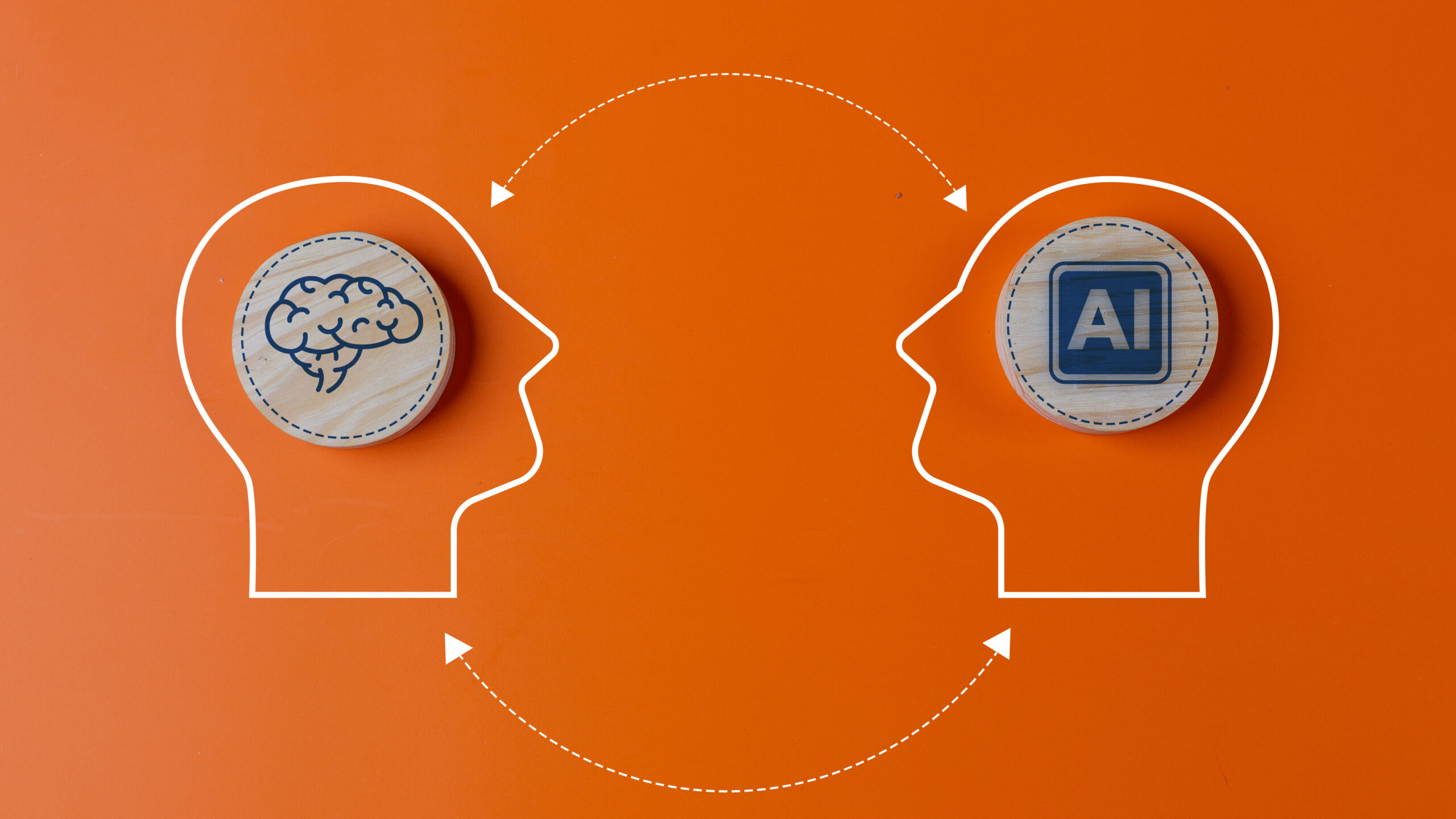
What if the AI tools we are trying to limit and caution against were actually essential (or beneficial) to enhancing the critical thinking skills we are afraid of losing? Since the 2023 proliferation of generative AI, faculty have been inundated with warnings that human intelligence is being eroded by AI. As a result, some faculty have adopted policies banning or severely limiting AI use driven by concerns of academic integrity and the fear of students bypassing essential learning.    

However, banning AI will not prevent students from using it, whether for nefarious or appropriate purposes. Instead, it may deny students a chance to practice and engage with AI in an educational setting where they and faculty can explore its full potential collaboratively. This kind of restrictive thinking is based on two flawed assumptions: that AI cannot support student thinking and that students will only use AI to cheat. The challenge is not to police every use, but to reframe our approach from one of prohibition to one of collaborative partnership.  

This shift in perspective allows faculty to systematically integrate AI into courses in a developmentally appropriate manner. By centering policies on learning, we can encourage students to take an active, self-regulated approach to their education. This reframes the focus from dishonesty to autonomous learning, emphasizing academic values while scaffolding meaningful assignments that challenge student thinking. 

Integrating AI into the curriculum requires a developmental approach, much like teaching toddlers. Expecting a first-year student to rely on AI for essential skills development is like asking a toddler to color within the lines—it’s developmentally inappropriate. Instead, our policies should align with a student’s progression. In lower-level courses, the focus must be on foundational skill-building including learning how to use AI. For upper-level and graduate students, we can empower them to autonomously evaluate AI’s role in their learning and whether or not AI is developing or replacing learning. Meanwhile, mid-level courses can provide a scaffolded transition, with specific instructions on how and when to use AI.  

It is important to consider students’ prior knowledge of AI as well. While many are comfortable using technology and AI, they may lack metacognitive awareness of how their use affects learning. Understanding students’ technology usage is crucial when designing courses. Ultimately, use your best judgment—some graduate courses may require a cautious approach, while entry-level courses might benefit from a more permissive policy, especially since students within the same course can have a wide range of AI abilities. 

How to Integrate AI Developmentally into Your Courses

Lower-Level Courses: Focus on building foundational skills, which includes guided instruction on how to use AI responsibly. This moves the strategy beyond mere prohibition.  Mid-Level Courses: Use AI as a scaffold where faculty provide specific guidelines on when and how to use the tool, preparing students for greater independence.  Upper-Level/Graduate Courses: Empower students to evaluate AI’s role in their learning. This enables them to become self-regulated learners who make informed decisions about their tools.  Balanced Approach: Make decisions about AI use based on the content being learned and students’ developmental needs. 

Now that you have a framework for how to conceptualize including AI into your courses here are a few ideas on scaffolding AI to allow students to practice using technology and develop cognitive skills.  

To introduce AI into your course, create a prompt that asks students to have a conversation with an AI about a concept you will be discussing. This anticipatory set can prime student thinking and encourage them to use AI in a conversational manner, moving beyond simply asking for answers. You can then discuss the AI’s responses—exploring bias, hallucinations, and the depth of its answers—which naturally leads to a conversation about crafting better prompts. This simple, ungraded exercise allows all students to participate, provides valuable practice, and serves a clear learning purpose. 

Another example of a nongraded, purposeful use of AI is for providing feedback on learning. When students are writing papers, you can create custom AI agents to provide feedback on different parts of the writing process, from idea development to final submission. These agents can be designed to follow assignment criteria without writing any portion of the work. If students choose to use the agent, you can ask them to share their feedback conversations to assess the quality of the feedback and to write about how they incorporated it to develop their ideas—adding a crucial element of metacognition. 

This method is also ideal for reinforcing and mastering skill development. For example, in a counseling course, students can practice articulating confidentiality and its limits to a fictional client created by AI. Once this foundational skill is mastered, the agent can be instructed to demonstrate signs of self-harm, allowing the student to practice assessing client safety and deciding whether to break confidentiality. As with the other examples, you can ask students to share their conversations for your feedback, have them critique their own performance, and provide a rationale for their approach. The agent itself can even provide feedback at the end of the session. 

Finally, a higher level of AI integration is to have students create their own custom learning AI agent. By this point, students will have had multiple chances to improve their prompt writing, practice using AI for learning (not bypassing skills), and evaluate how AI supports their development. Creating a personalized study agent would be an ideal way for students to be active in their learning and assess the areas they need to develop. Faculty could provide guidelines and ask students to share how they are using AI positively. 

How to Scaffold AI into Your Courses

Start with low-stakes, ungraded activities.  Then use AI to provide meaningful, real-time feedback.  Create opportunities for skill reinforcement and mastery.  Finally, empower students to become creators, not just users. 

To truly prepare students for life after graduation, institutions and faculty must be willing to provide training on new technologies with a lens of learning. Faculty must move beyond fear and prohibition and engage directly with these tools. By exploring AI’s potential faculty can transform their teaching from a place of restriction to one of collaborative partnership. 

By taking a development and scaffolded approach to AI implementation students can benefit from its potential. If this approach is embraced, the question is no longer “Should we allow AI in the classroom?” The more productive question becomes “How can we teach our students to become discerning and effective creators of a world shaped by AI?”     

Michael Kiener, PhD, CRC, is a professor at Maryville University of St. Louis in their Clinical Mental Health Counseling program. For the past 10 years he has coordinated their Scholarship of Teaching and Learning Program, where faculty participate in a yearlong program with a goal of improved student learning. In 2012 and 2024 he received the Outstanding Faculty Award for faculty who best demonstrate excellence in the integration of teaching, scholarship and/or service. He has over thirty publications including a co-authored book on strength-based counseling and journal articles on career decision making, action research, counseling pedagogy, and active and dynamic learning strategies. 



Source link

Tags: CriticalFacultyFocuspartnershipProhibitionTeachingthinking
ShareTweetShare
Previous Post

Crystal’s Target Clearance Shopping Trip

Next Post

Pelosi Finally Leaving The Swamp

Related Posts

edit post
M gift to wipe out Clarke University’s debt

$5M gift to wipe out Clarke University’s debt

by TheAdviserMagazine
April 17, 2026
0

Listen to the article 3 min This audio is auto-generated. Please let us know if you have feedback. Dive Brief:...

edit post
Why Blind Faith in AI Fails: ‘They’re Hiring a Colleague, Not an Answer’

Why Blind Faith in AI Fails: ‘They’re Hiring a Colleague, Not an Answer’

by TheAdviserMagazine
April 17, 2026
0

sofirinaja/Shutterstock After John Silvestro completed his Ph.D. in composition and rhetoric from Miami University in 2017, he entered the job...

edit post
ECA partners with Birkbeck on India campus push

ECA partners with Birkbeck on India campus push

by TheAdviserMagazine
April 17, 2026
0

ECA, which is shifting towards global campus delivery models as it enters its third decade in international education, will support...

edit post
UK international enrolments down 30% year on year

UK international enrolments down 30% year on year

by TheAdviserMagazine
April 17, 2026
0

According to a new survey by the British Universities International Liaison Association (BUILA), enrolments across UK universities were down by...

edit post
Beyond Engagement: Why Higher Education Must Start with Meaning, Not Modality – Faculty Focus

Beyond Engagement: Why Higher Education Must Start with Meaning, Not Modality – Faculty Focus

by TheAdviserMagazine
April 17, 2026
0

Faculty across disciplines continue to experiment with new pedagogical strategies to address student engagement—flipped classrooms, active learning, flexible assessments, and modality choice....

edit post
The Research Behind Attention — And What It Means for Teaching

The Research Behind Attention — And What It Means for Teaching

by TheAdviserMagazine
April 16, 2026
0

Jack_the_sparow/Shutterstock On a recent episode of the HigherEdJobs podcast, co-hosts Andy Hibel and Kelly Cherwin spoke with Dr. Michelle Miller,...

Next Post
edit post
Pelosi Finally Leaving The Swamp

Pelosi Finally Leaving The Swamp

edit post
NSE IPO: Exchange sets aside Rs 1,300 crore to settle Sebi cases as market listing draws closer

NSE IPO: Exchange sets aside Rs 1,300 crore to settle Sebi cases as market listing draws closer

  • Trending
  • Comments
  • Latest
edit post
Massachusetts loses billions in income after millionaire tax

Massachusetts loses billions in income after millionaire tax

March 24, 2026
edit post
Illinois’ Paid Leave for All Workers Act Takes Effect — Every Employee Now Gets Guaranteed Time Off

Illinois’ Paid Leave for All Workers Act Takes Effect — Every Employee Now Gets Guaranteed Time Off

March 27, 2026
edit post
Virginia Permits ADULT MIGRANT MEN To Attend High School

Virginia Permits ADULT MIGRANT MEN To Attend High School

March 30, 2026
edit post
A 58-year-old left NYC for Miami to save on taxes — then retired early thanks to hidden savings. Here’s the math

A 58-year-old left NYC for Miami to save on taxes — then retired early thanks to hidden savings. Here’s the math

March 30, 2026
edit post
Tax Flight Accelerates In Massachusetts

Tax Flight Accelerates In Massachusetts

April 6, 2026
edit post
Property Tax Relief & Income Tax Relief

Property Tax Relief & Income Tax Relief

April 1, 2026
edit post
Florida Seniors: With No Relief Passed in the March Session, the April 20 Special Session Is the Final 2026 Opportunity

Florida Seniors: With No Relief Passed in the March Session, the April 20 Special Session Is the Final 2026 Opportunity

0
edit post
Why Age 69 Is Crucial to Planning a Comfortable Retirement and Legacy

Why Age 69 Is Crucial to Planning a Comfortable Retirement and Legacy

0
edit post
Businessman buys 5 Tel Aviv apartments in Dou project

Businessman buys 5 Tel Aviv apartments in Dou project

0
edit post
Week 16: A Peek Into This Past Week + What I’m Reading, Listening to, and Watching!

Week 16: A Peek Into This Past Week + What I’m Reading, Listening to, and Watching!

0
edit post
The Weekly Notable Startup Funding Report: 4/20/26 – AlleyWatch

The Weekly Notable Startup Funding Report: 4/20/26 – AlleyWatch

0
edit post
What the History of Ad Agencies Tells Us About CMO Power: Order-Takers to Strategic Partners—and Back Again

What the History of Ad Agencies Tells Us About CMO Power: Order-Takers to Strategic Partners—and Back Again

0
edit post
Upcoming ‘Bitcoin’ Movie With Casey Affleck, Gal Gadot Probes Satoshi’s Identity

Upcoming ‘Bitcoin’ Movie With Casey Affleck, Gal Gadot Probes Satoshi’s Identity

April 19, 2026
edit post
Global Market Today: Oil jumps, stocks wobble as Mideast ceasefire hangs in the balance

Global Market Today: Oil jumps, stocks wobble as Mideast ceasefire hangs in the balance

April 19, 2026
edit post
Starting Monday, businesses can claim refunds for Trump’s unconstitutional tariffs

Starting Monday, businesses can claim refunds for Trump’s unconstitutional tariffs

April 19, 2026
edit post
If Netflix Can Keep Winning on This Key Metric, the Stock Could Soar

If Netflix Can Keep Winning on This Key Metric, the Stock Could Soar

April 19, 2026
edit post
Florida Seniors: With No Relief Passed in the March Session, the April 20 Special Session Is the Final 2026 Opportunity

Florida Seniors: With No Relief Passed in the March Session, the April 20 Special Session Is the Final 2026 Opportunity

April 19, 2026
edit post
Stablecoins Do Not Threaten Banking Just Yet: Analyst

Stablecoins Do Not Threaten Banking Just Yet: Analyst

April 19, 2026
The Adviser Magazine

The first and only national digital and print magazine that connects individuals, families, and businesses to Fee-Only financial advisers, accountants, attorneys and college guidance counselors.

CATEGORIES

  • 401k Plans
  • Business
  • College
  • Cryptocurrency
  • Economy
  • Estate Plans
  • Financial Planning
  • Investing
  • IRS & Taxes
  • Legal
  • Market Analysis
  • Markets
  • Medicare
  • Money
  • Personal Finance
  • Social Security
  • Startups
  • Stock Market
  • Trading

LATEST UPDATES

  • Upcoming ‘Bitcoin’ Movie With Casey Affleck, Gal Gadot Probes Satoshi’s Identity
  • Global Market Today: Oil jumps, stocks wobble as Mideast ceasefire hangs in the balance
  • Starting Monday, businesses can claim refunds for Trump’s unconstitutional tariffs
  • Our Great Privacy Policy
  • Terms of Use, Legal Notices & Disclosures
  • Contact us
  • About Us

© Copyright 2024 All Rights Reserved
See articles for original source and related links to external sites.

Welcome Back!

Login to your account below

Forgotten Password?

Retrieve your password

Please enter your username or email address to reset your password.

Log In
No Result
View All Result
  • Home
  • Financial Planning
    • Financial Planning
    • Personal Finance
  • Market Research
    • Business
    • Investing
    • Money
    • Economy
    • Markets
    • Stocks
    • Trading
  • 401k Plans
  • College
  • IRS & Taxes
  • Estate Plans
  • Social Security
  • Medicare
  • Legal

© Copyright 2024 All Rights Reserved
See articles for original source and related links to external sites.